City Suburbs — History & Analysis
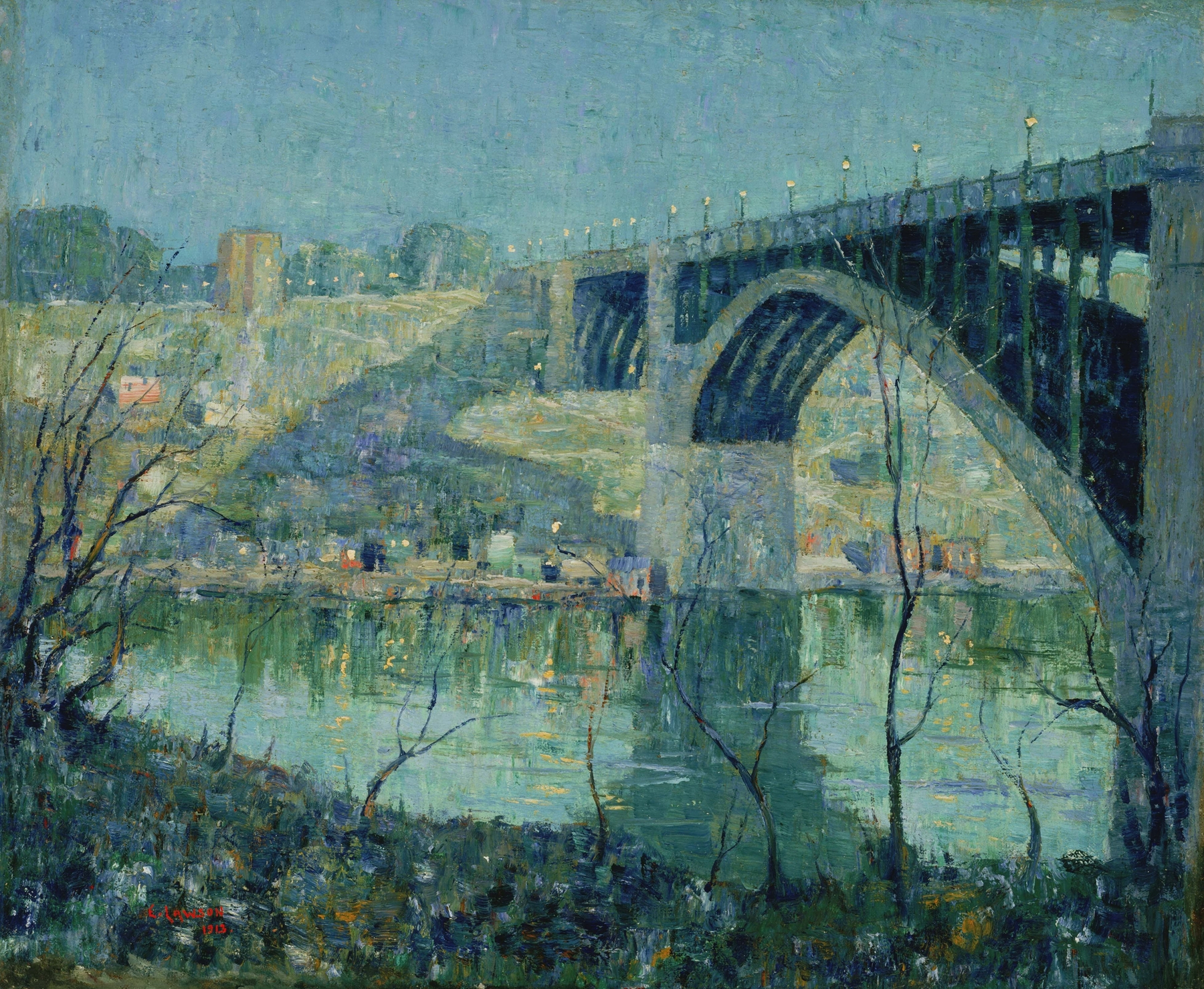
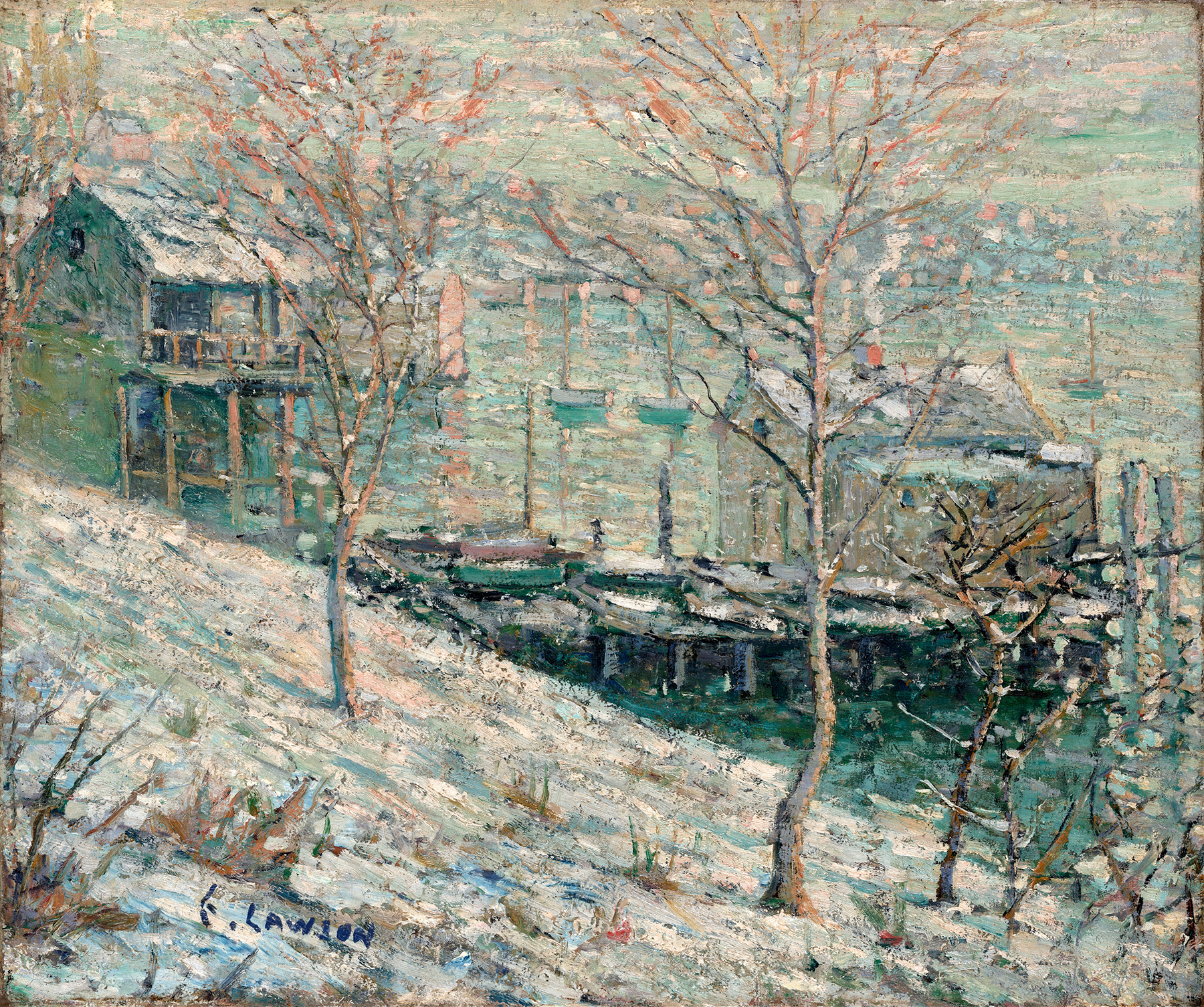
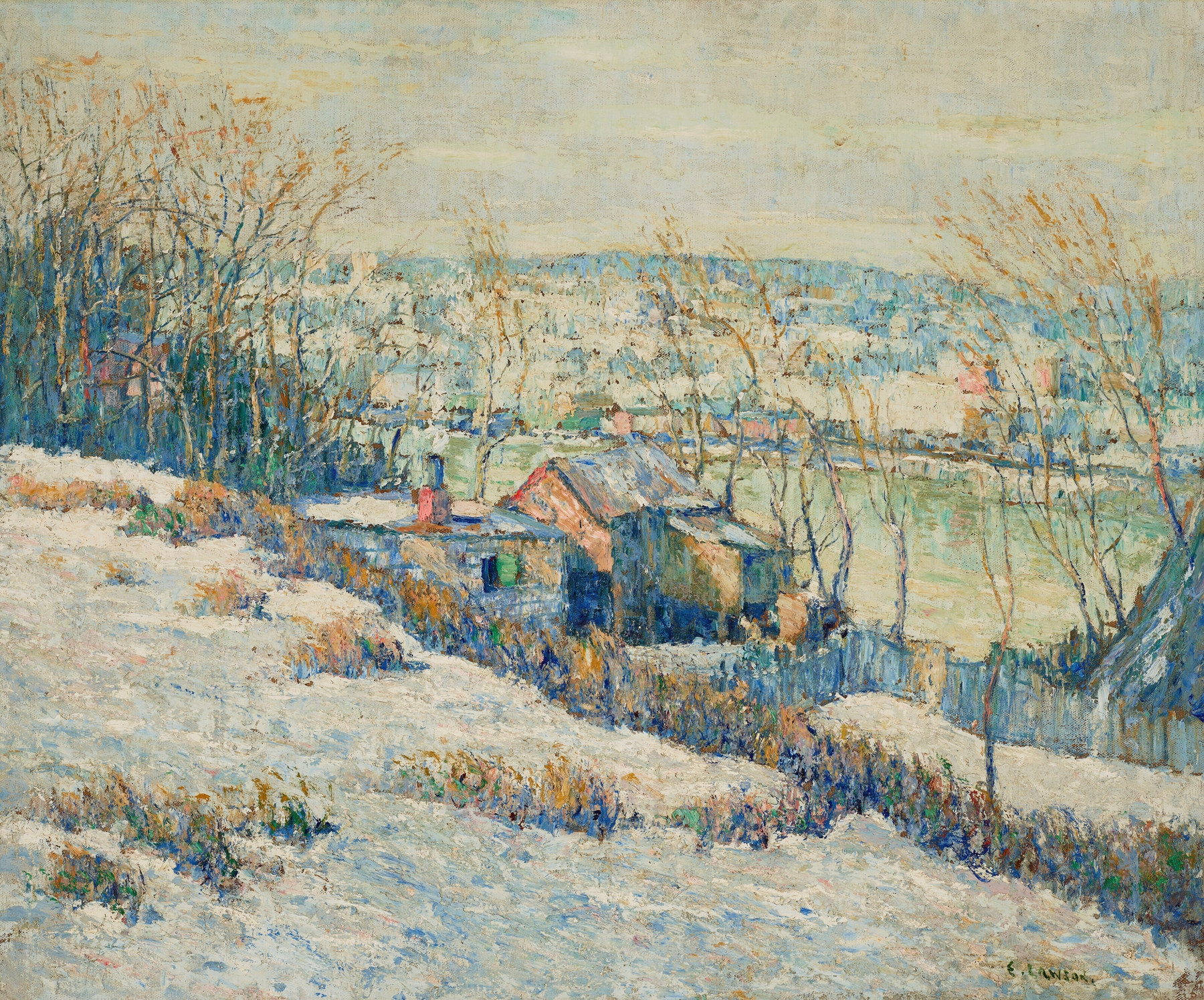
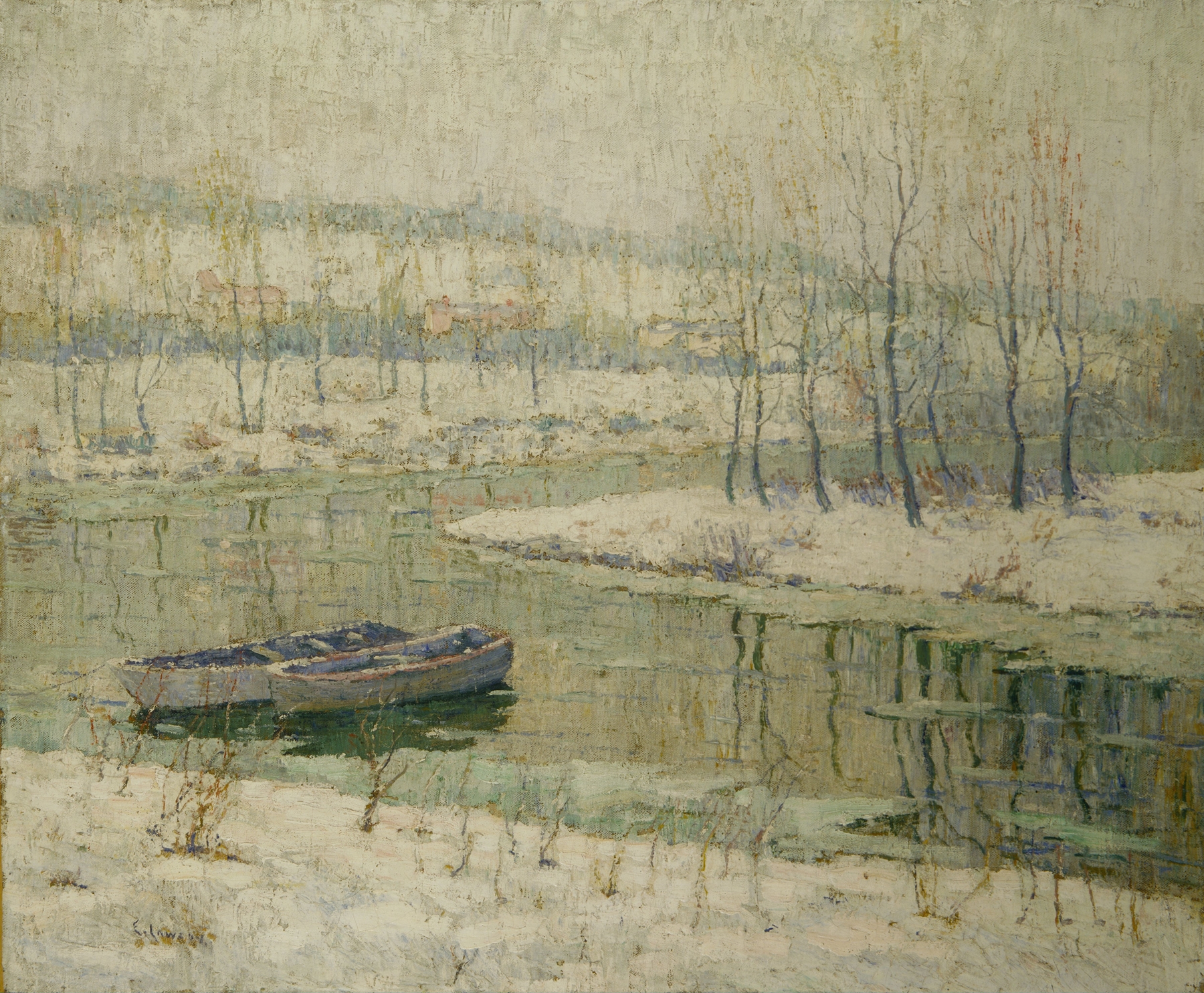
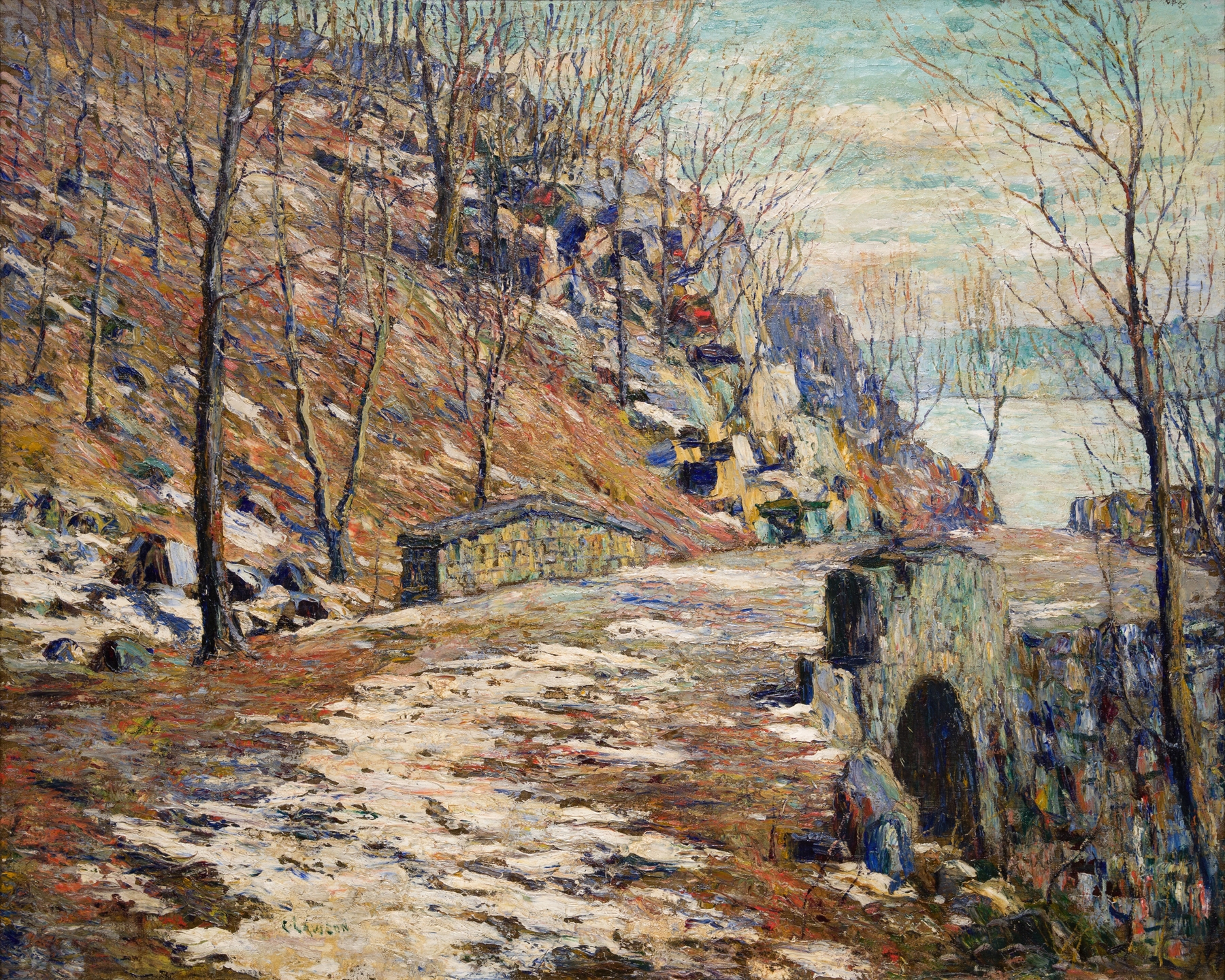
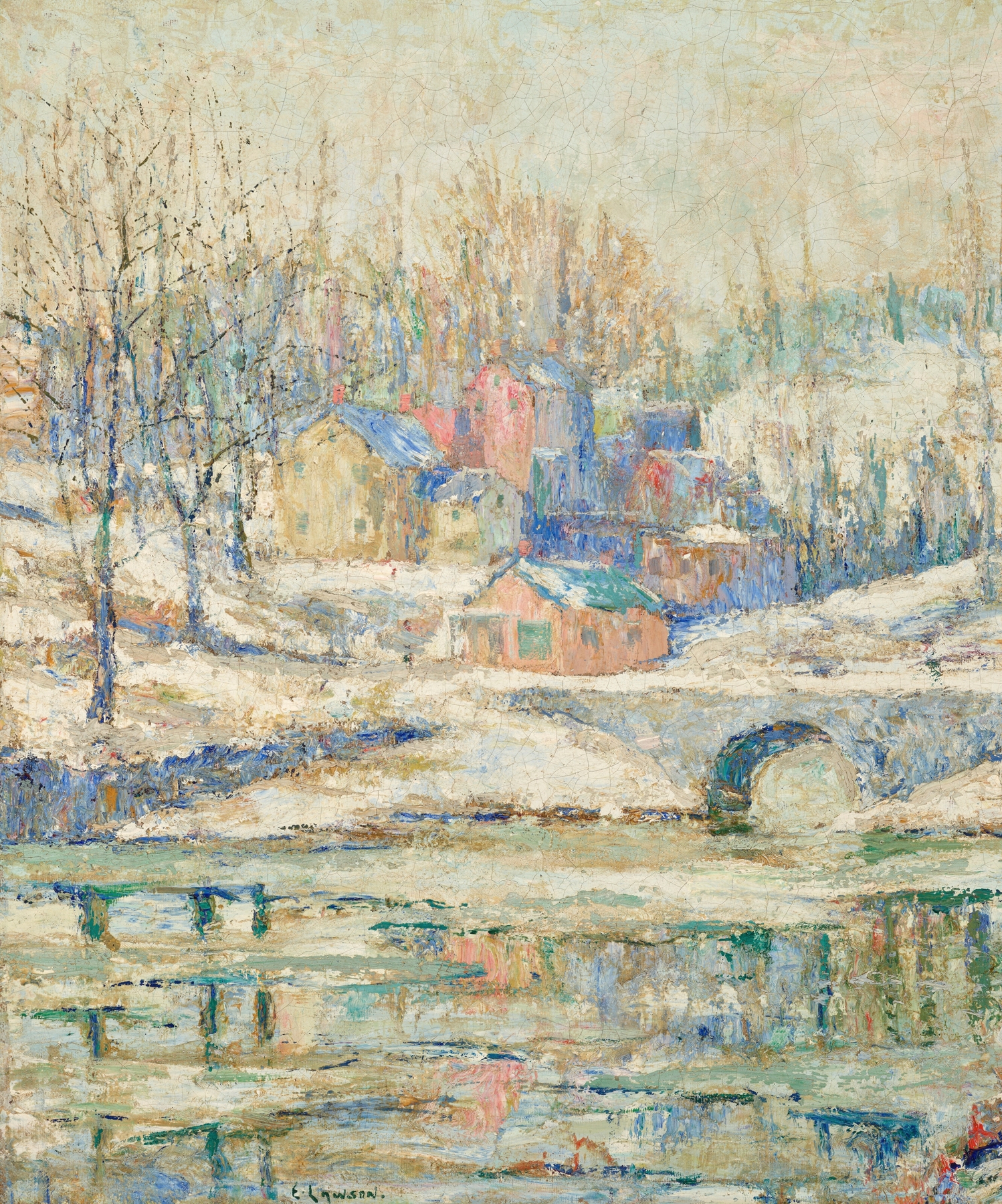
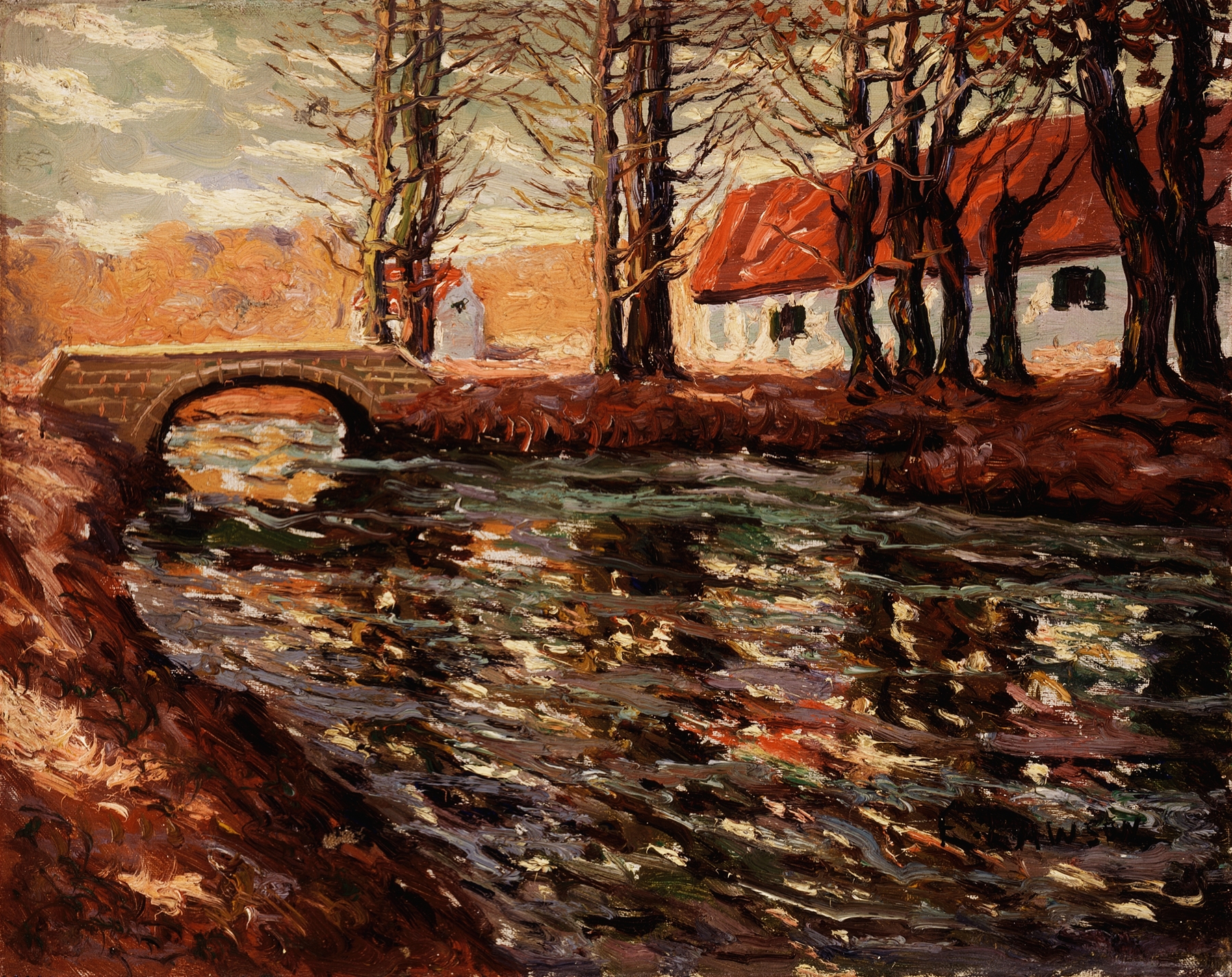
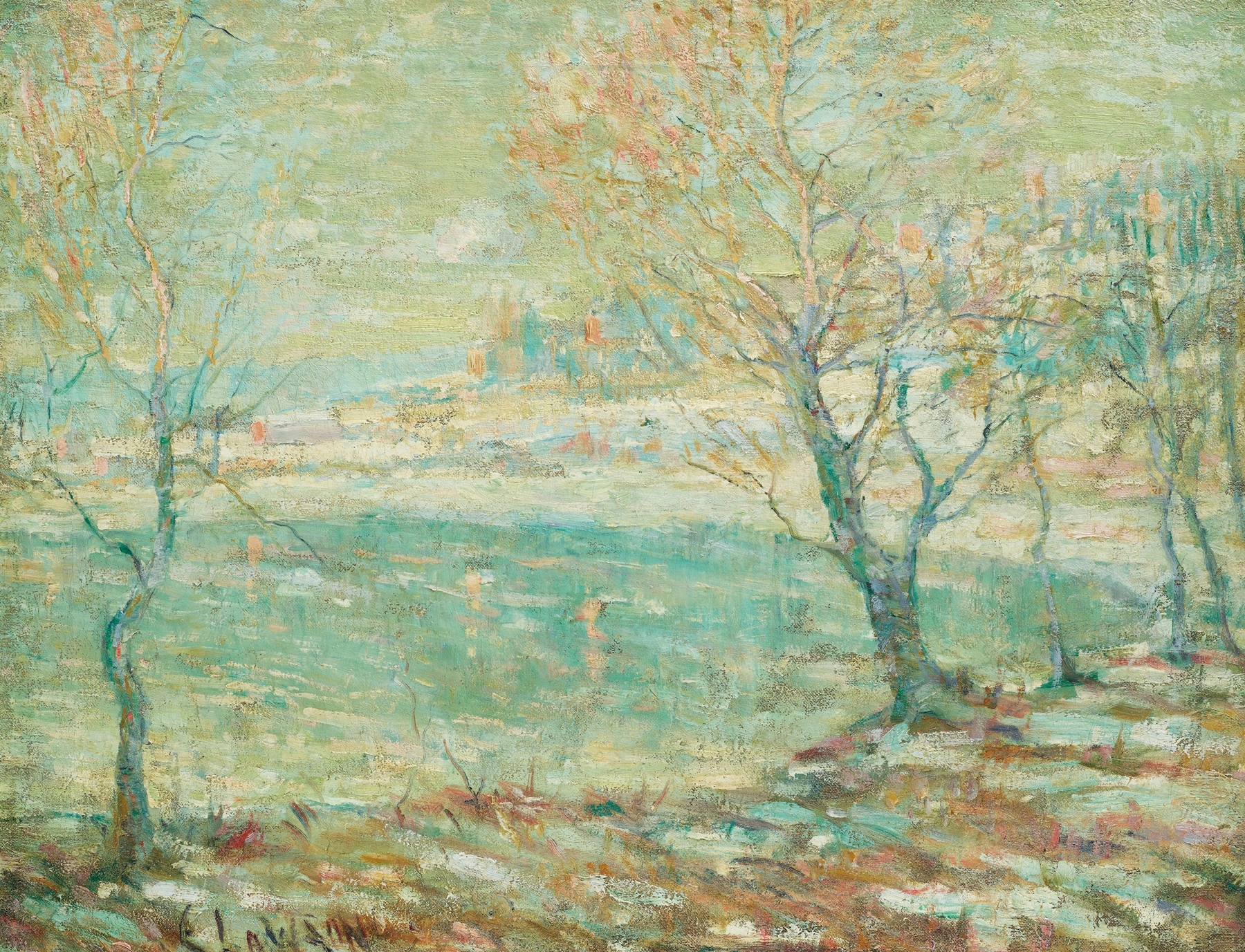
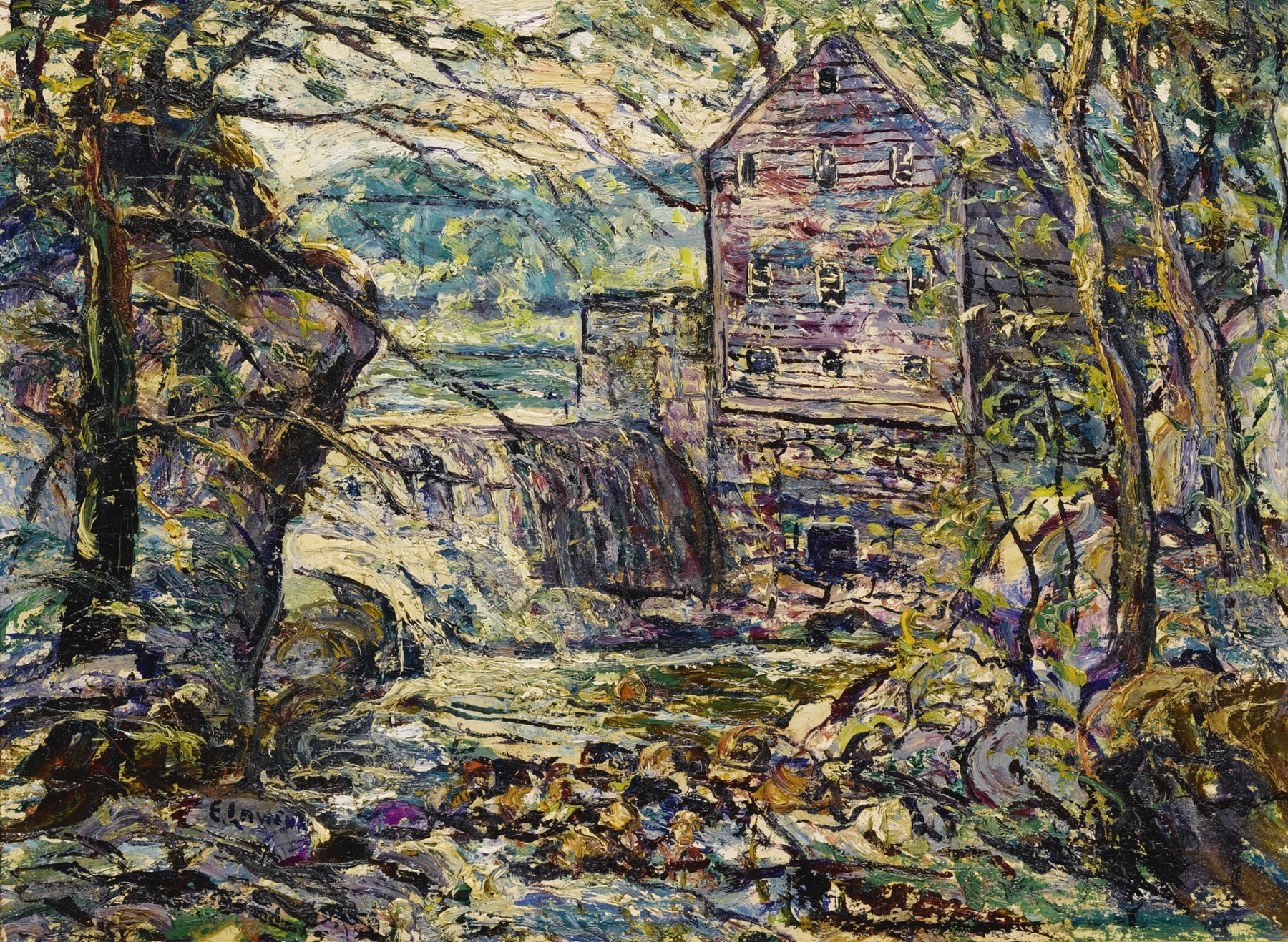
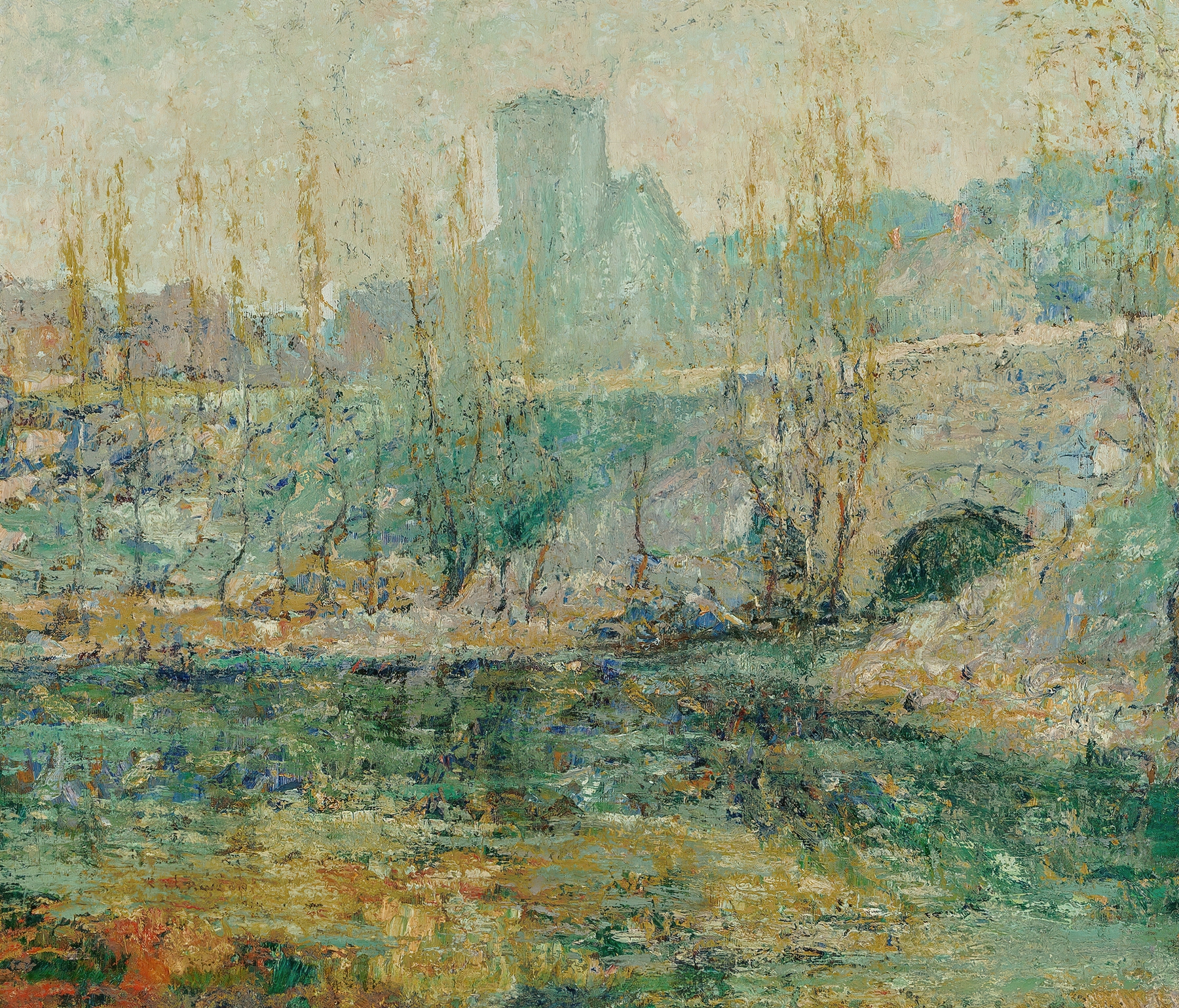
What secret hides in the quiet of the canvas? The apparent stillness of suburbia often conceals the pulse of change, quietly beckoning revolution through its mundane details. Look to the left at the soft, muted greens of the trees that cradle the houses, their branches delicately framing the scene. The houses, rendered in warm earth tones, stand interconnected, suggesting a community that breathes together yet remains largely untouched by the pressing world beyond.
Notice how the light dapples through the leaves, casting intricate shadows that dance across the front lawns, hinting at a serene afternoon but also suggesting an undercurrent of stories waiting to unfold. Beneath the placid exterior, the composition evokes contrasting emotions. The vibrant hues of nature juxtaposed against the sturdy, structured homes create a dialogue between freedom and confinement. The subtle tension in the scene speaks to the balance between the desire for personal space and the collective identity of suburban life, inviting viewers to reflect on their own experiences of comfort versus change.
Each detail, from the scattered white picket fences to the winding paths, suggests a yearning for connection amid the constraints of tradition. During this period, Lawson was exploring American landscapes, immersing himself in the intricacies of suburban life, which was rapidly evolving in the early 20th century. While he was based in New York, his work reflects the sociopolitical climate, where the rise of urbanism and industrialization was challenging the ideals of pastoral tranquility. This painting serves as a mirror of that era's complexities, capturing both the allure and the quiet discontent of the suburban dream.