Road Down the Palisades — History & Analysis
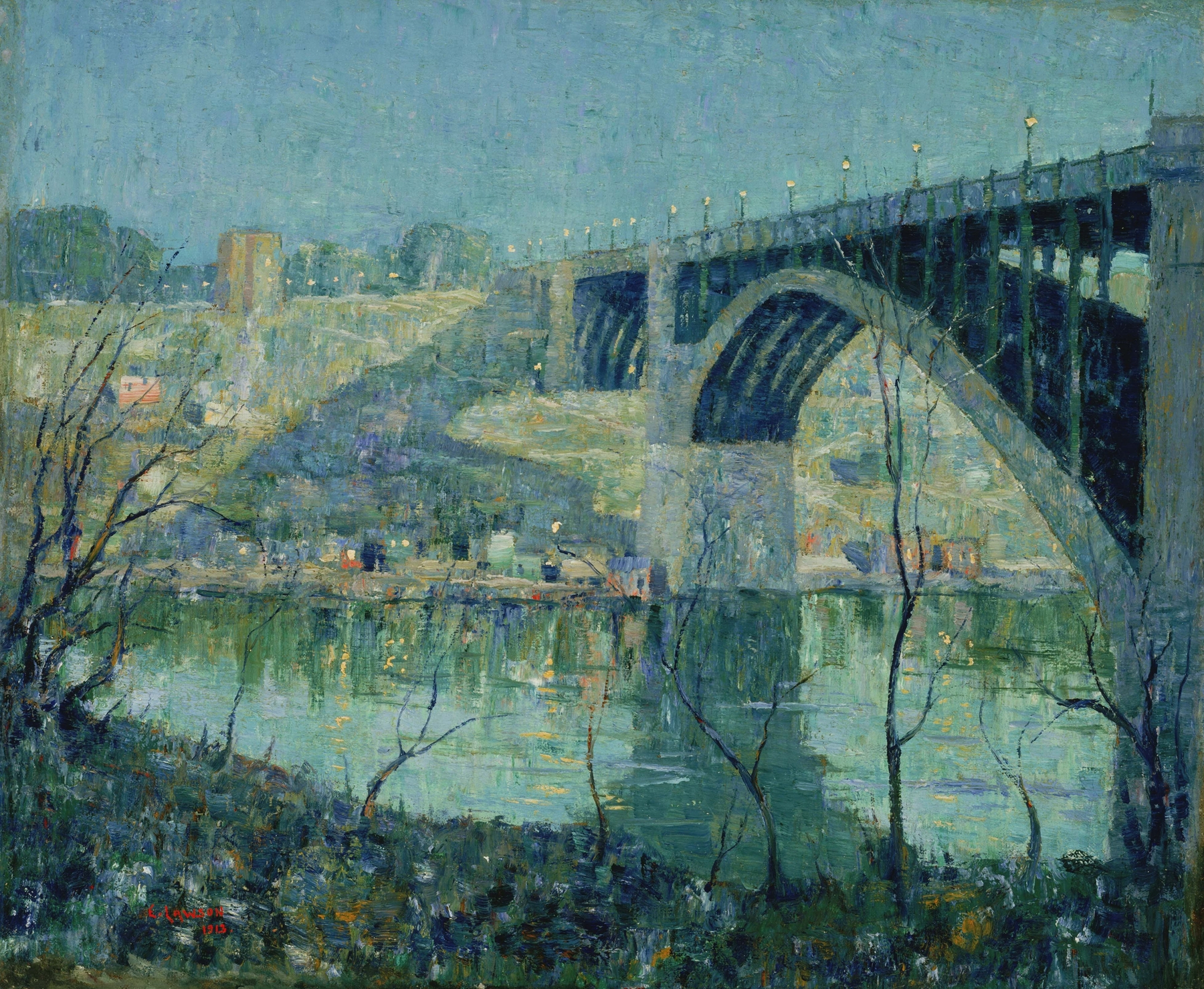
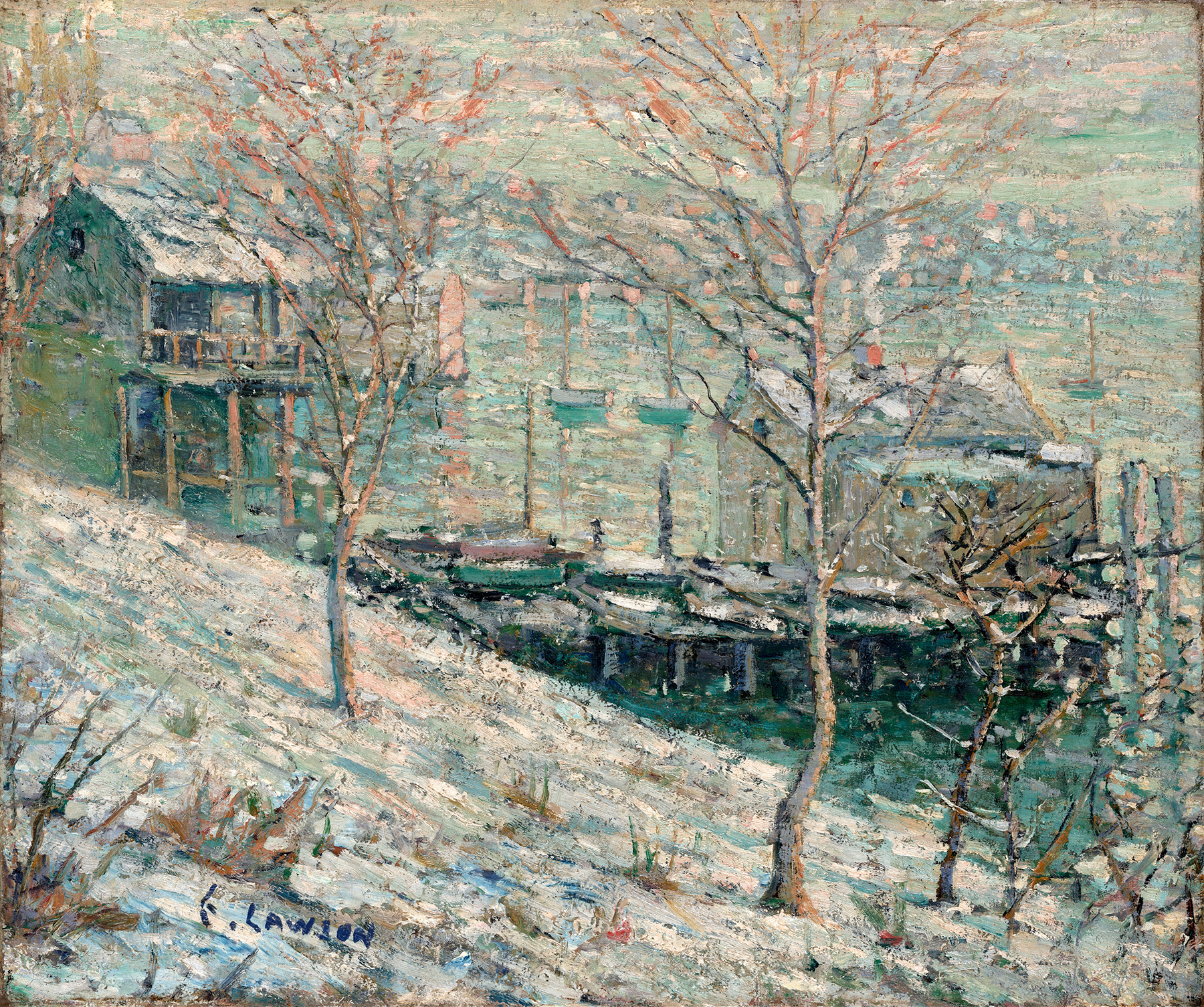
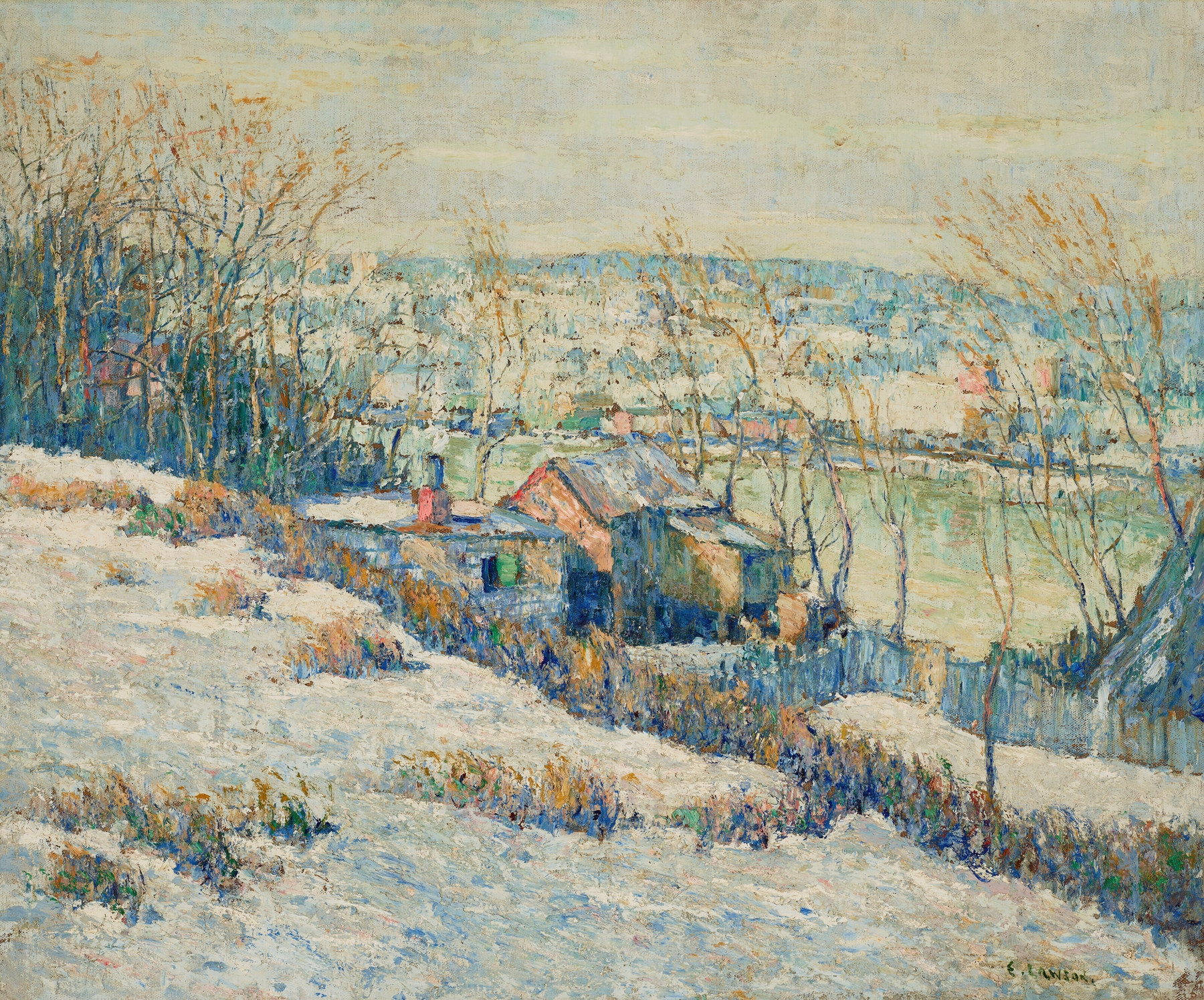
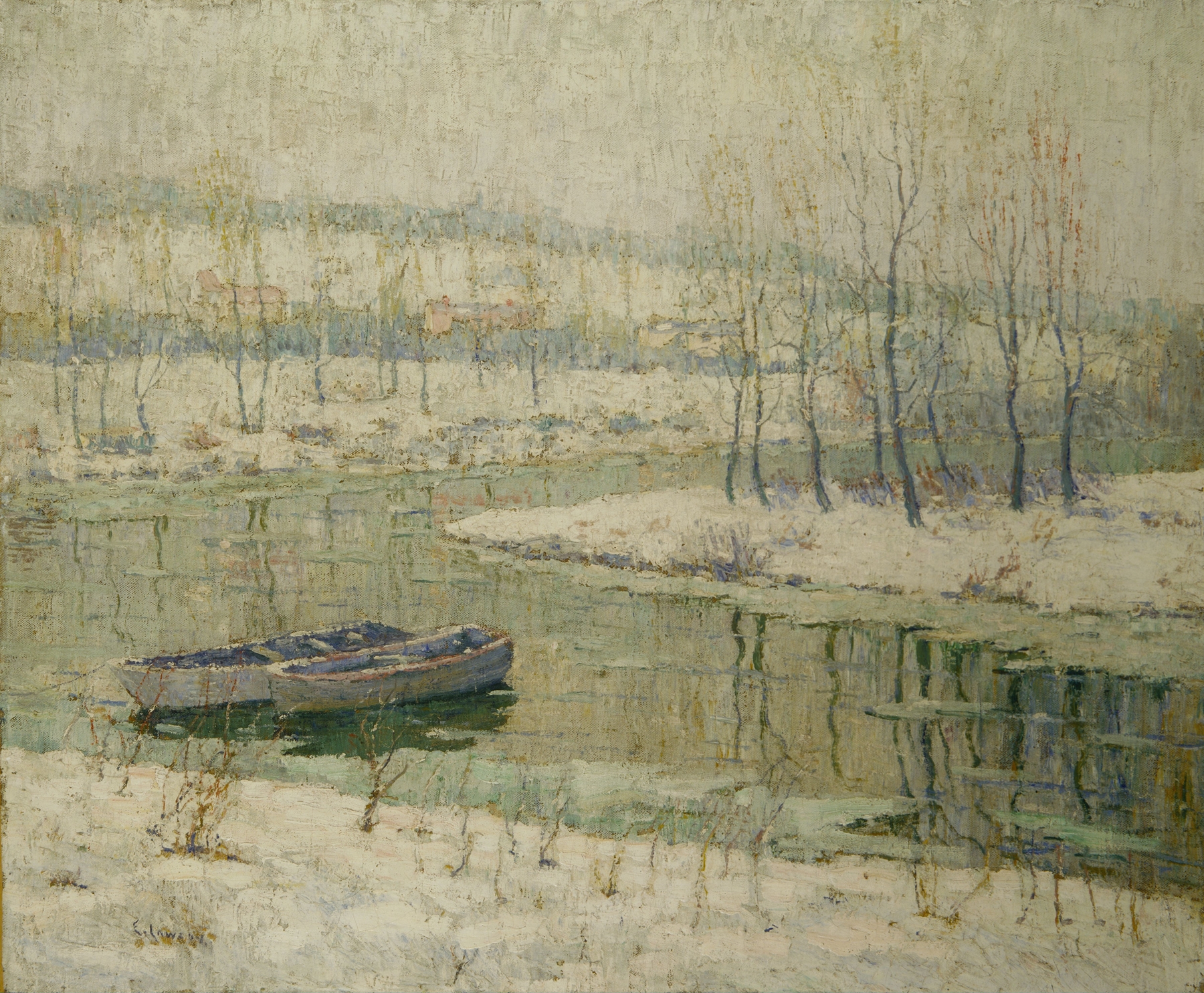
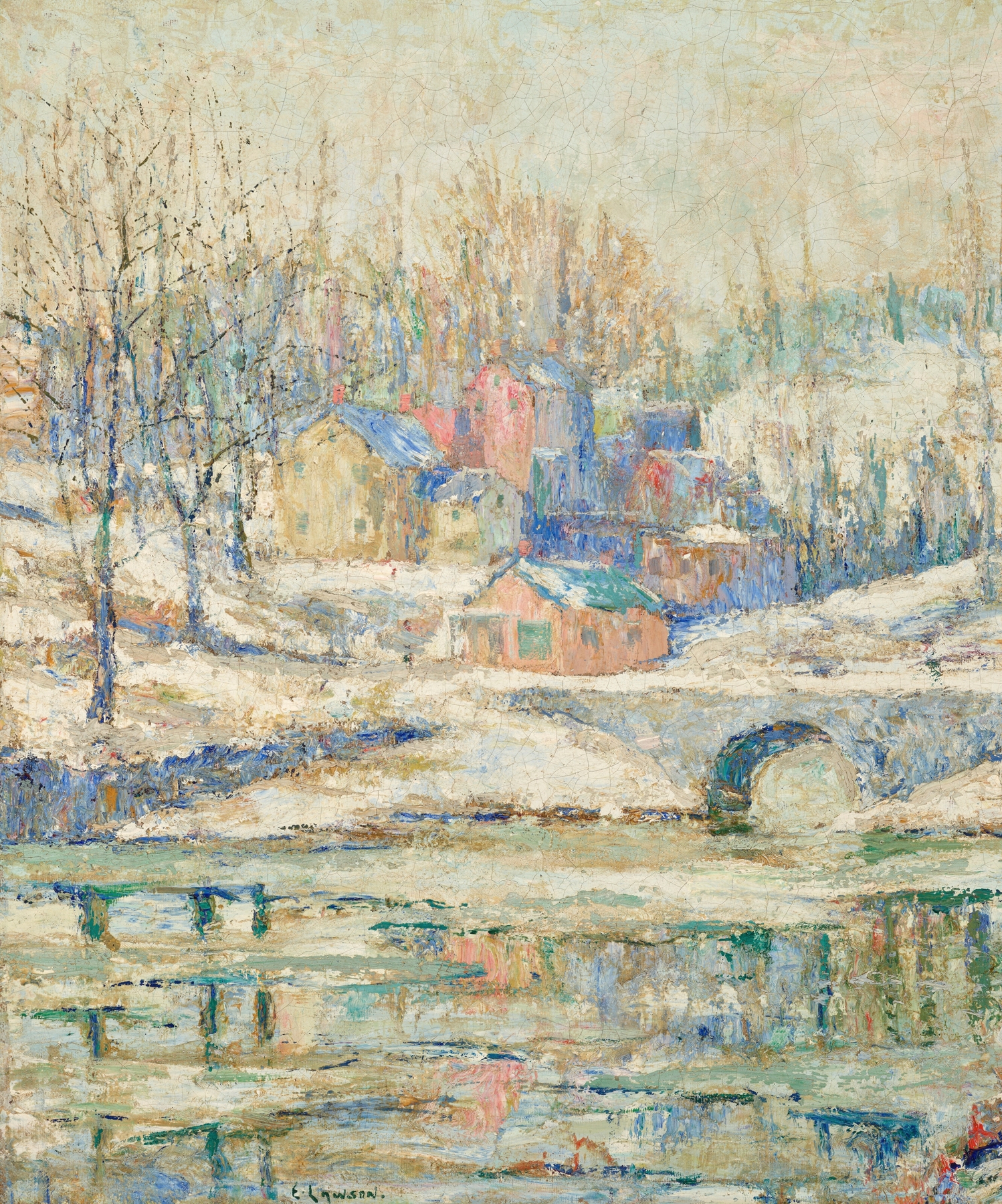
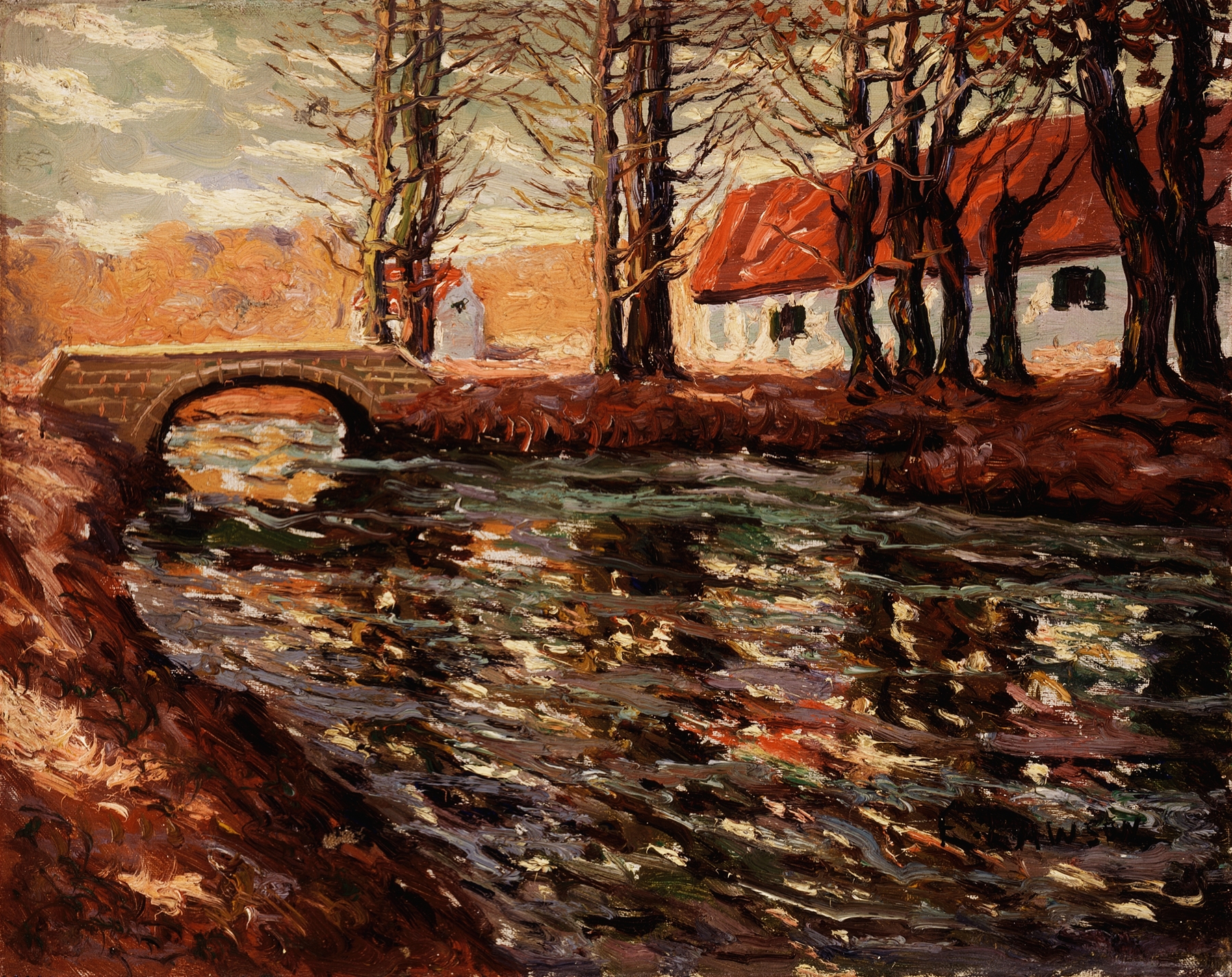
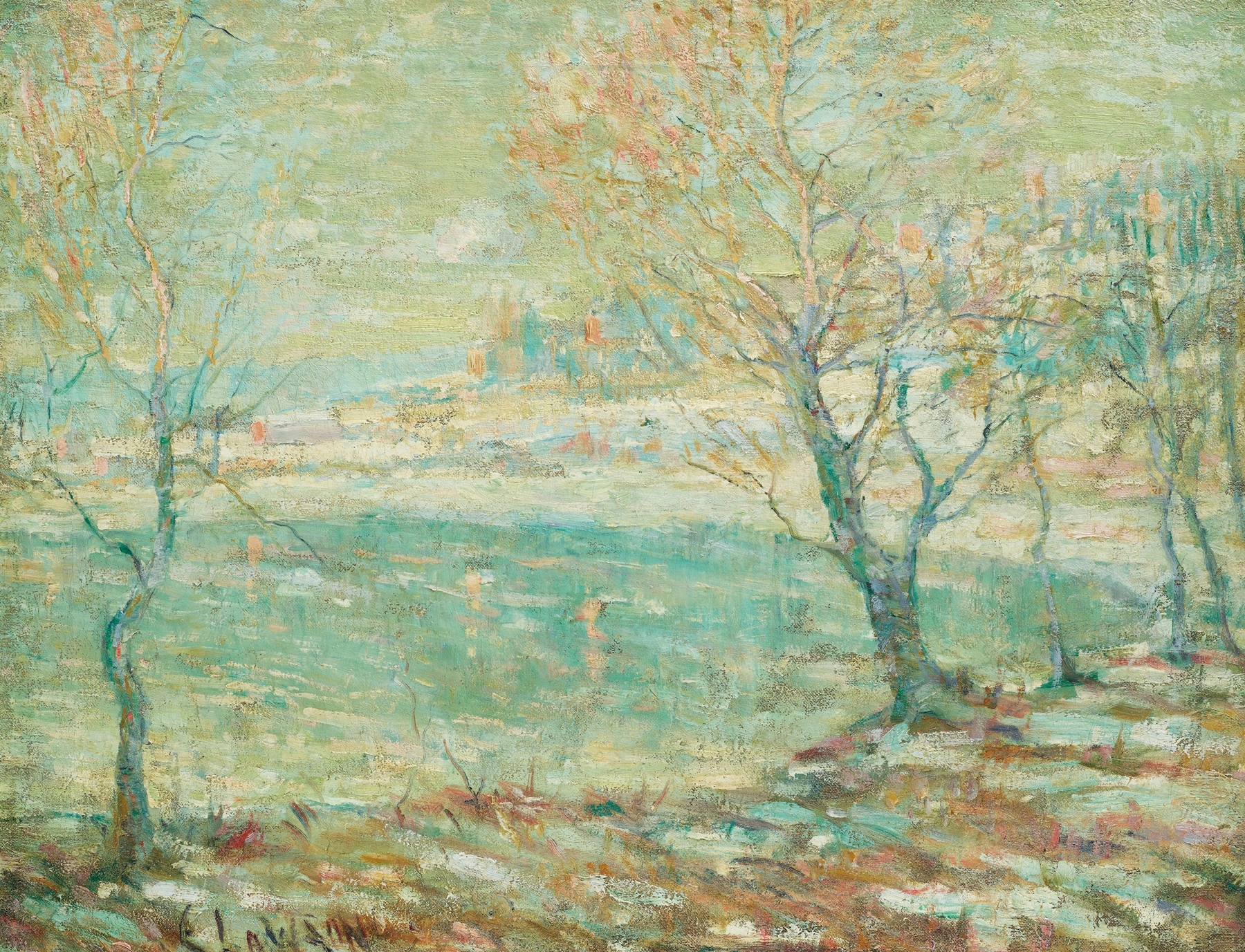
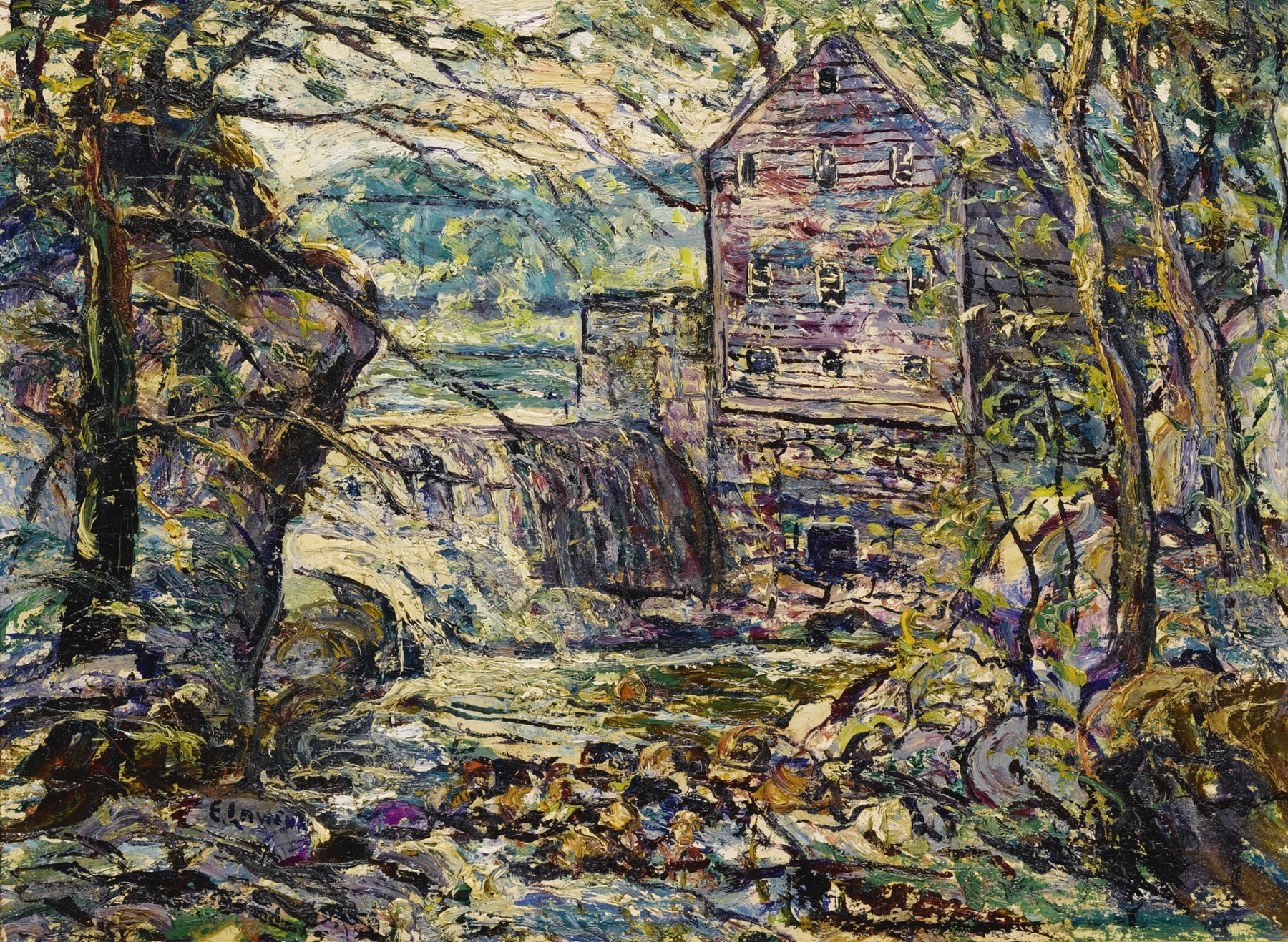
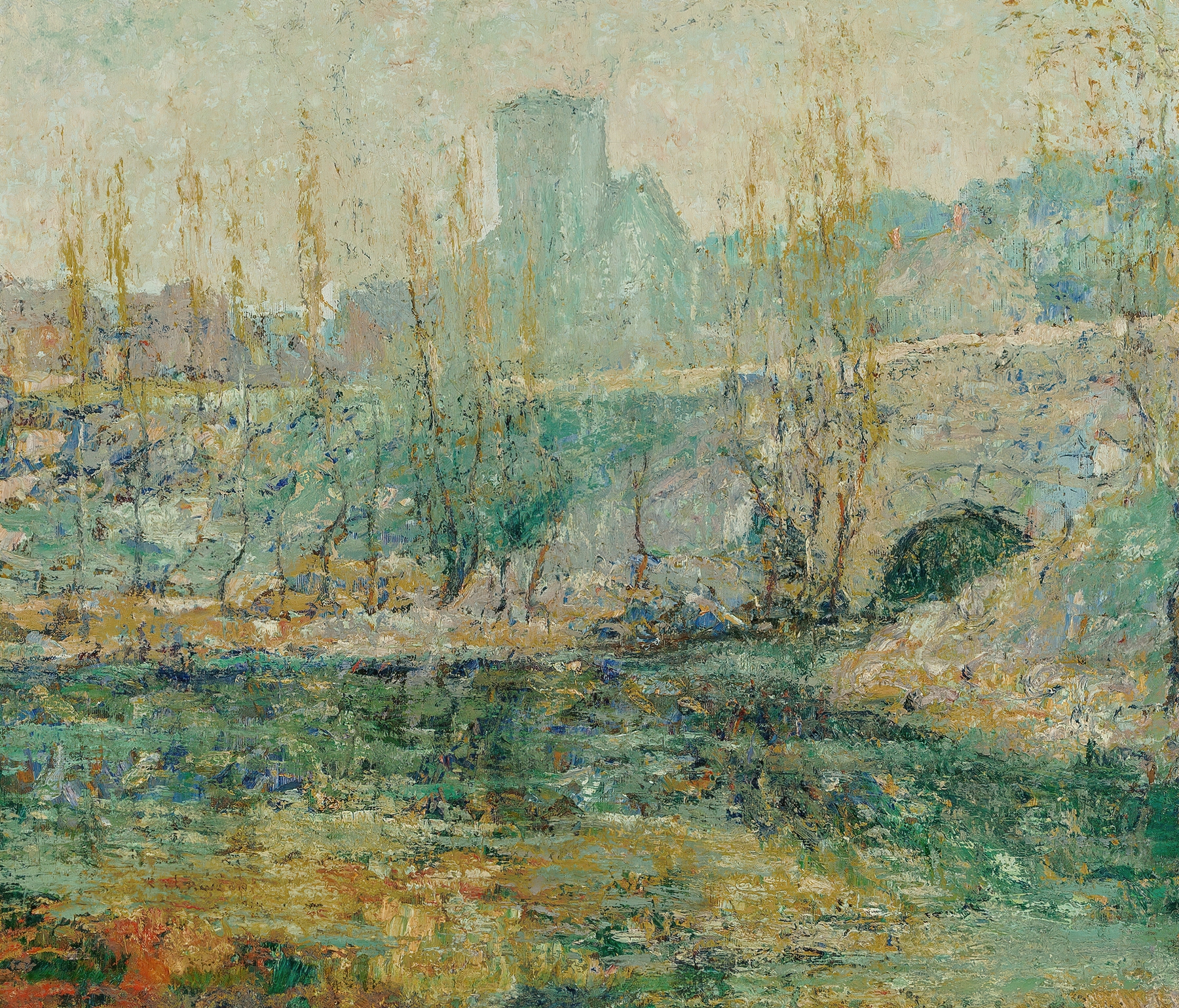
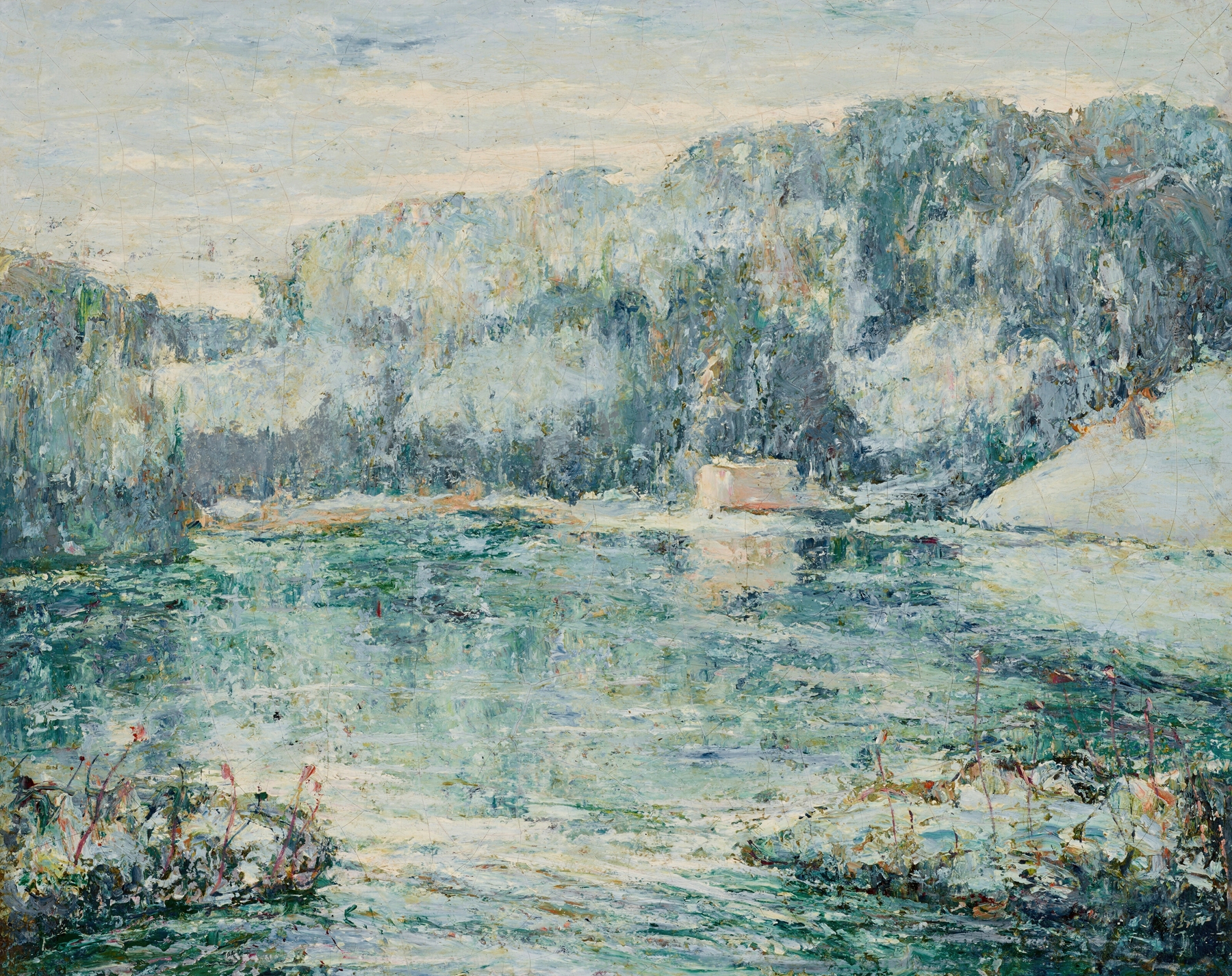
When did color learn to lie? In a world where landscapes whisper secrets through hues, we must ask ourselves what truths are hidden beneath the vibrant surface. Look to the left at the deep, earthy browns and mossy greens that form the robust base of the scene, anchoring it in a tangible reality. Notice how the rich textures of the foliage draw the viewer’s gaze upward, leading to the dappled light that plays across the path winding through the Palisades.
The composition is skillfully balanced; the serene blues of the sky contrast with the warm tones below, creating a dialogue between earth and sky that beckons exploration. Yet, this is more than just a pastoral panorama. The interplay of light and shadow suggests a transient moment, evoking both nostalgia and longing. The vivid colors, while captivating, hint at the inevitable passage of time and the legacy of the land.
Each brushstroke carries the weight of history, inviting reflections on what remains and what is lost, prompting the viewer to consider their own connection to nature and memory. Around 1911, the artist worked in a rapidly changing America, where urbanization began to reshape the landscape. Lawson, affiliated with the Ashcan School, sought to capture the essence of the world around him, celebrating the natural beauty that many overlooked. At this time, he was navigating his own artistic identity, forging a legacy that would intertwine the vibrancy of color with the profound stories woven into the fabric of everyday life.