Spring thaw — History & Analysis
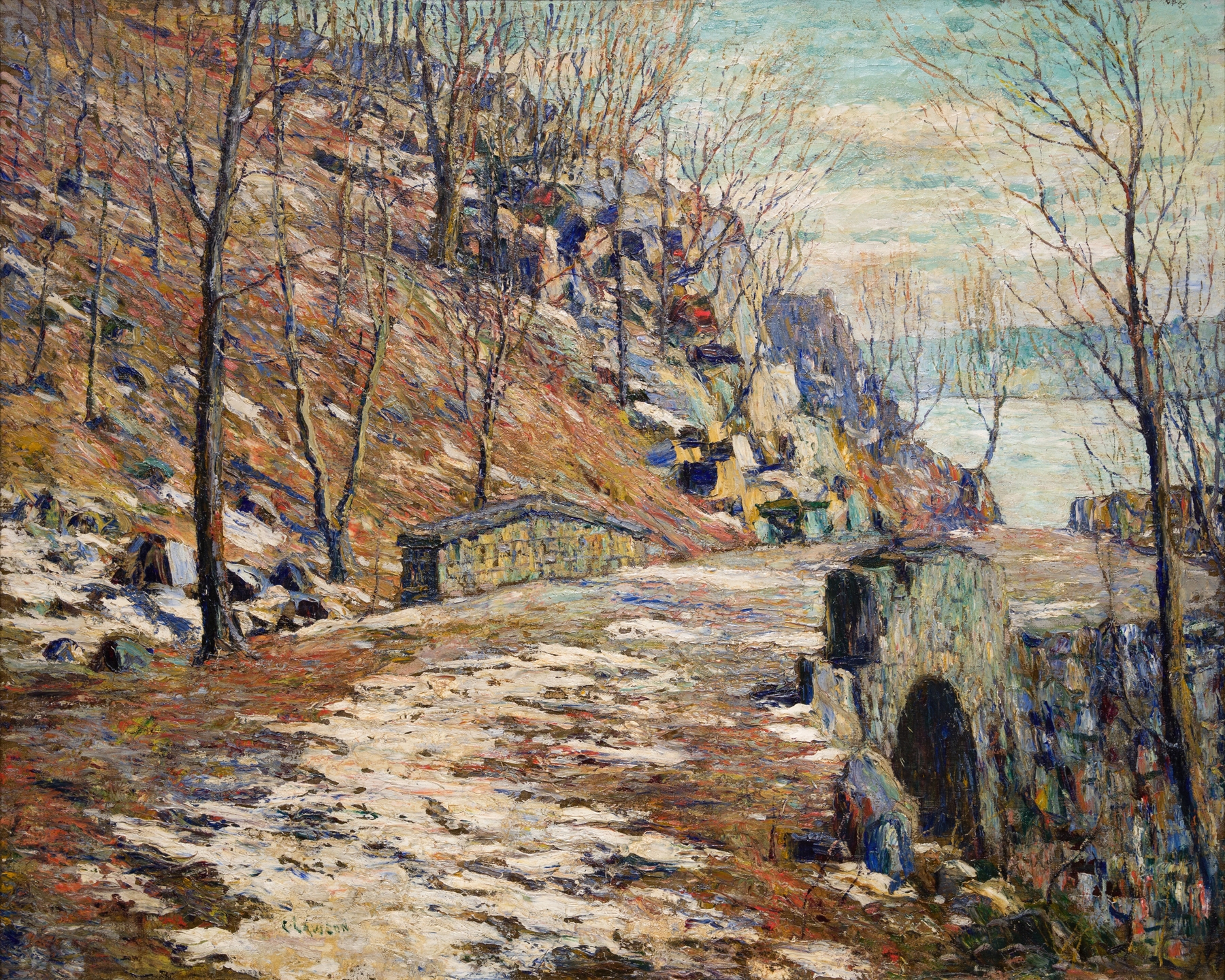
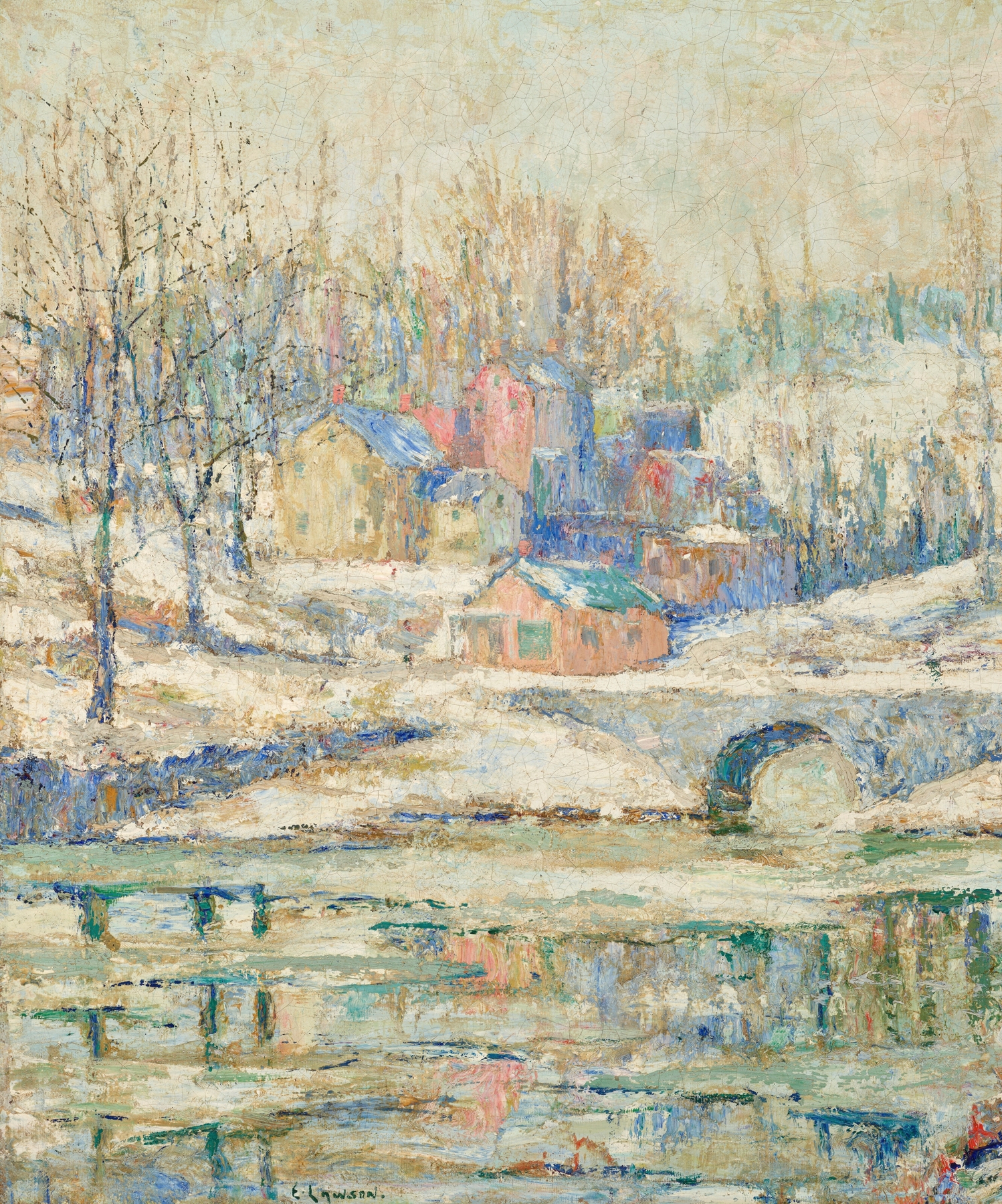
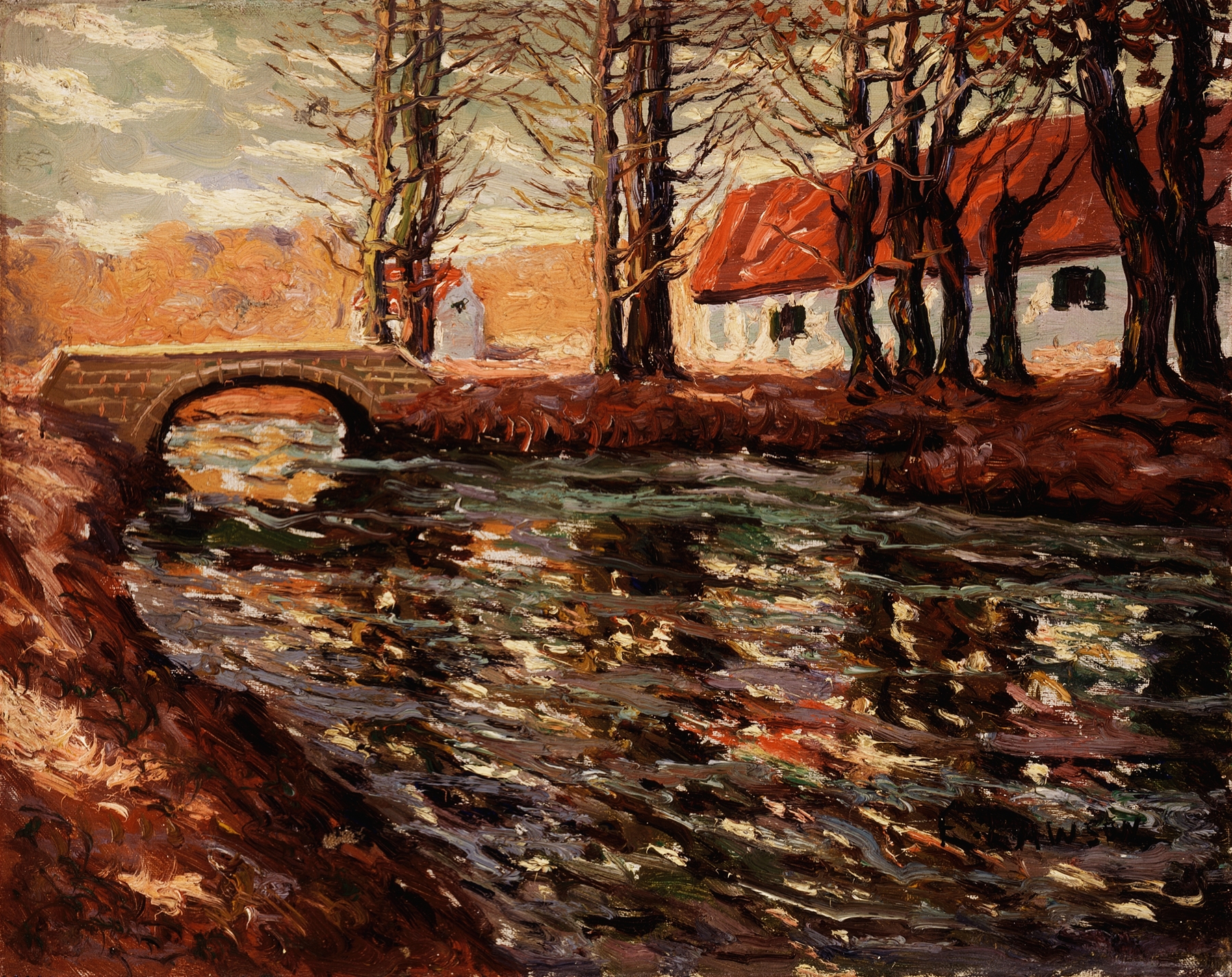
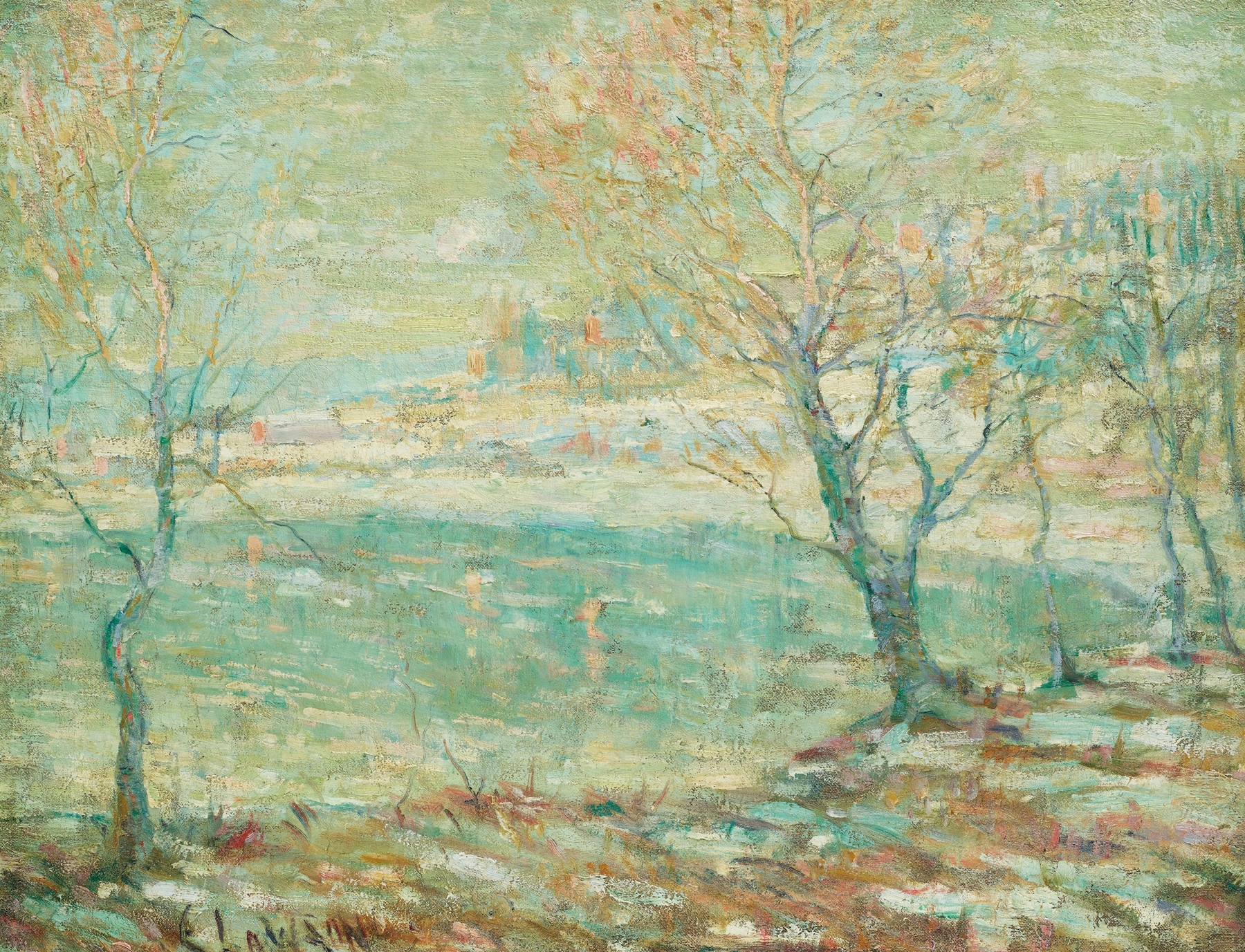
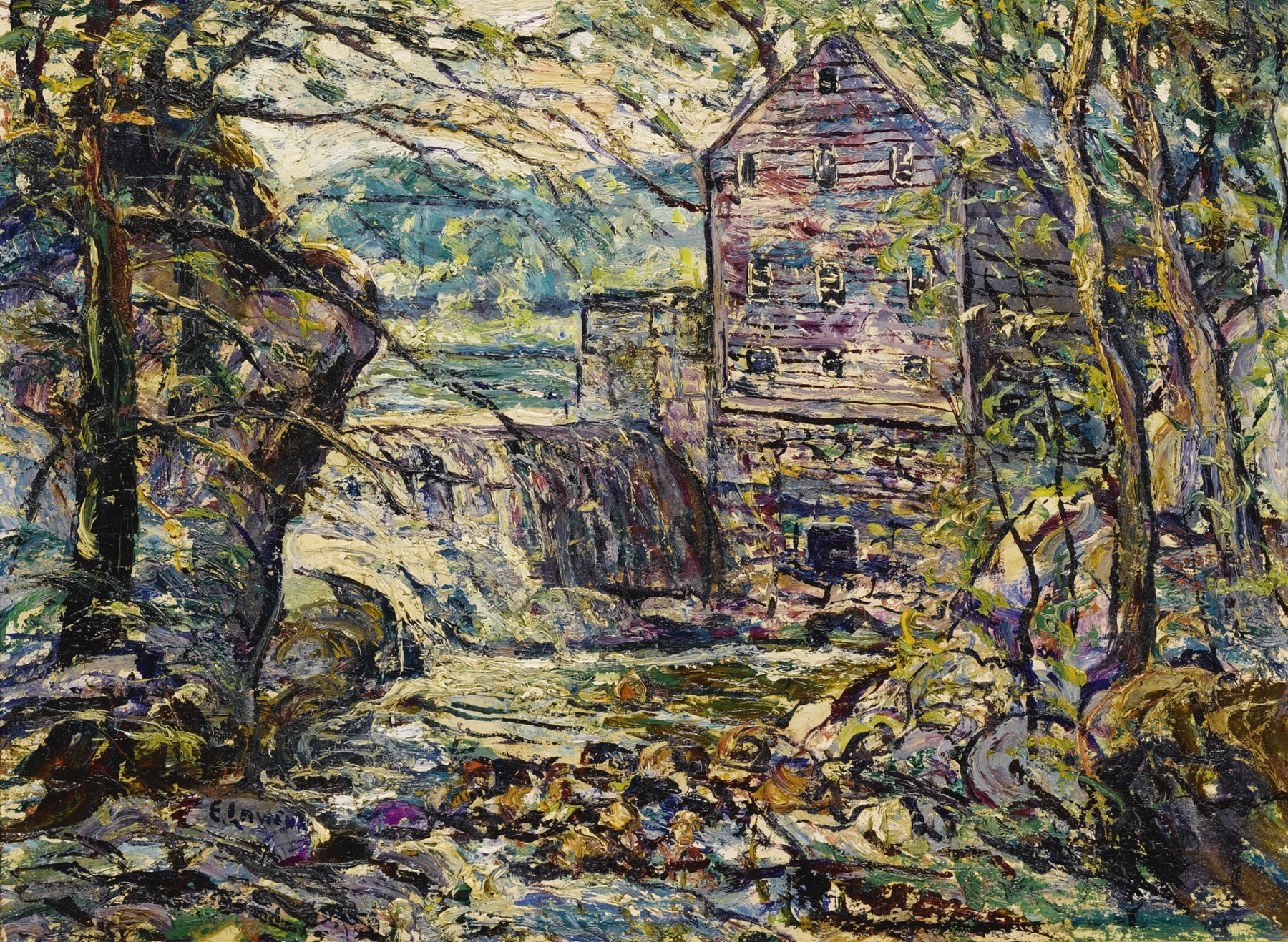
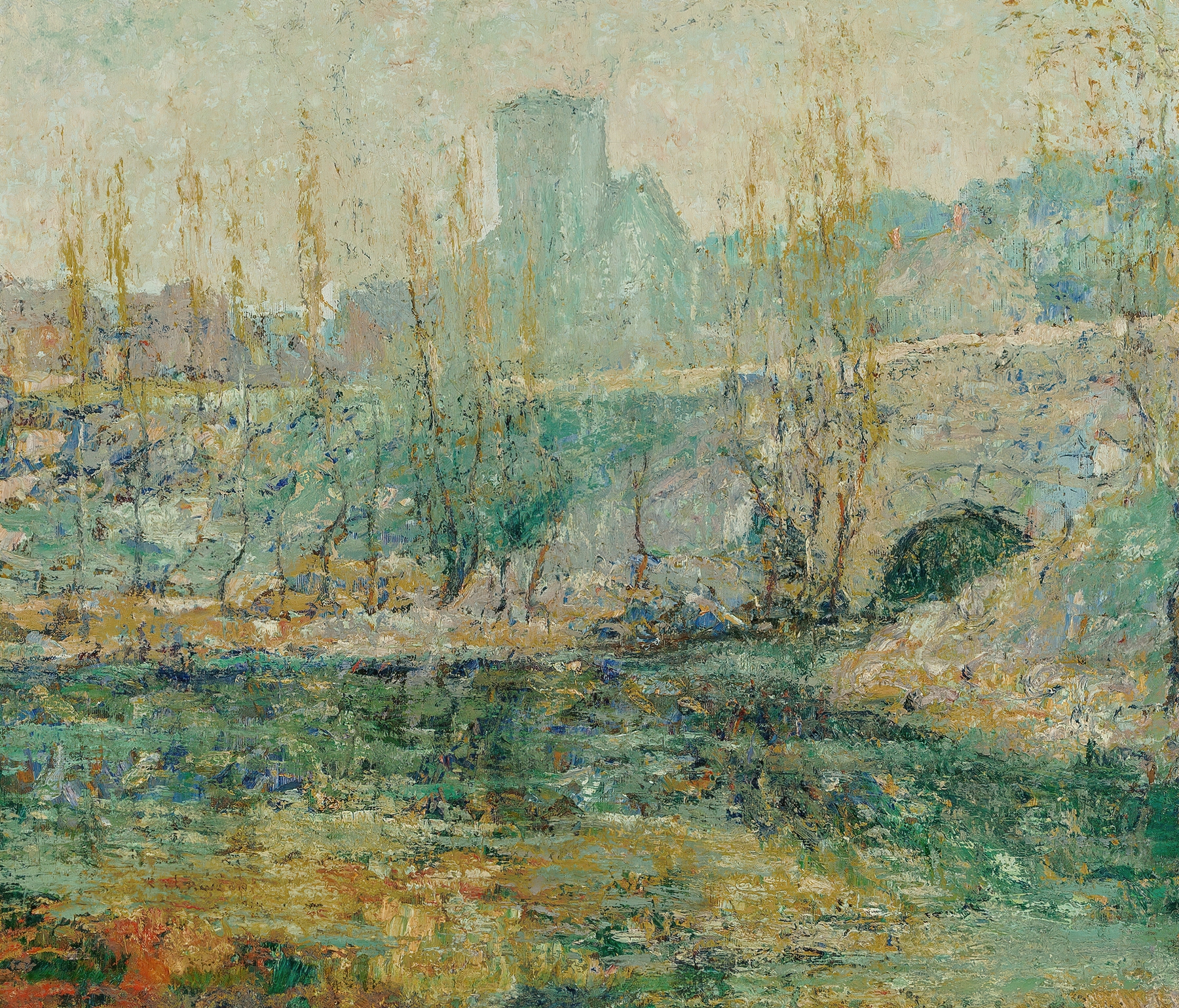
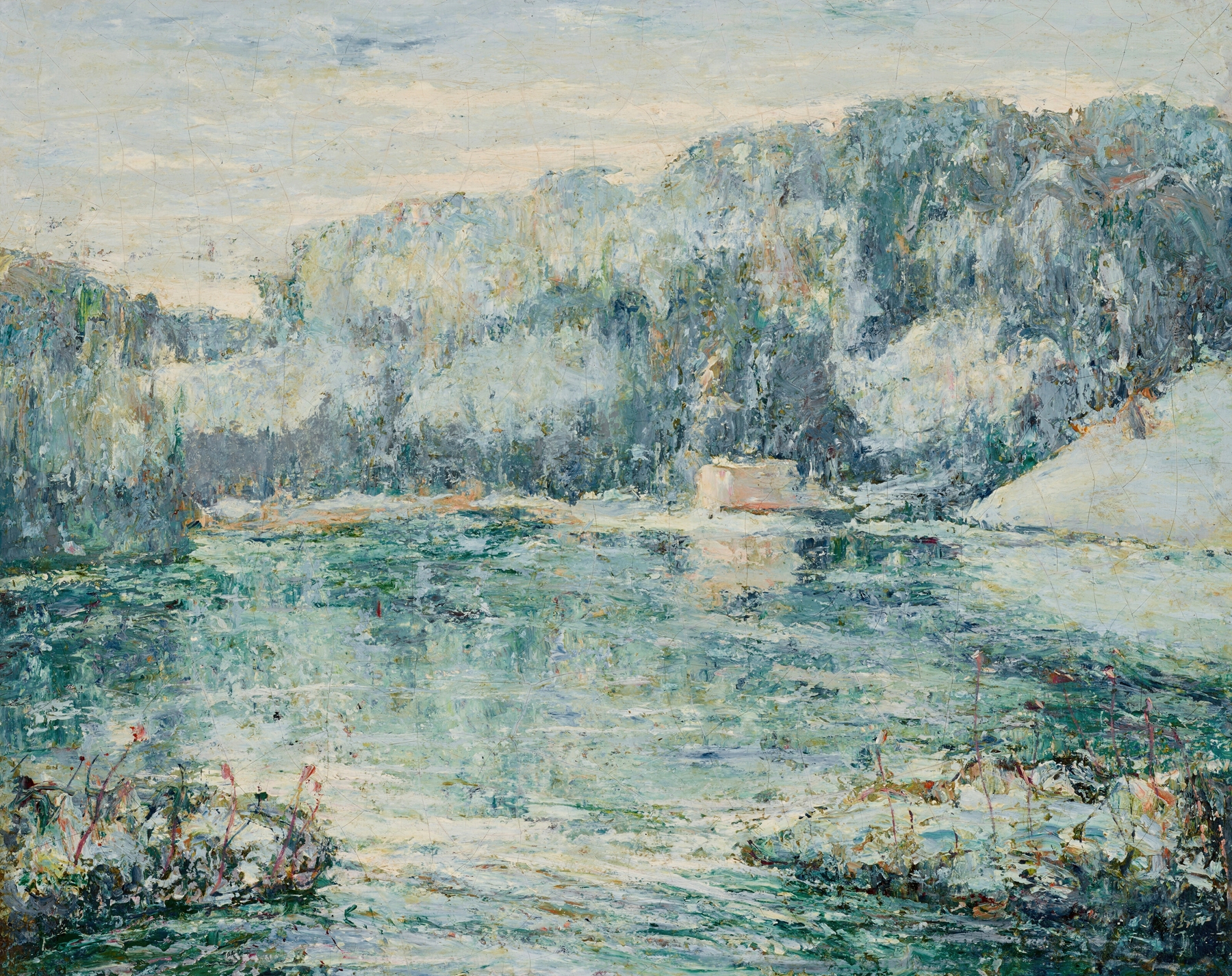
“The canvas doesn’t lie — it simply waits.” In the stillness of spring, nature awakens, yet beneath the surface, hidden currents of betrayal pulse like an unseen undercurrent, reminding us that renewal can mask deeper truths. Look to the center, where melting snow trickles down the canvas, symbolizing both the end of winter and a betrayal of what we thought was constant. The vibrant greens push through the whites and browns, signaling life’s return, but notice the shadows creeping beneath the trees, hinting at lingering remnants of the cold. The painter’s brushstrokes create a tactile depth, where the soft transitions of color lead the eye deeper into the landscape, inviting introspection.
In the contrast between the vibrant life and the dark shadows, there lies a tension that evokes the fragility of trust. The raw beauty of the thaw reflects a duality: the warmth of spring is beckoning, yet it coexists with memories of the harsh winter. Each droplet that falls carries a whisper of betrayal, a reminder that seasonal change can bring forth both joy and loss, urging viewers to confront the complexity of transformation in their own lives.
Created in 1910, this piece emerged during a period of significant change for the artist, who was exploring the interplay of light and color influenced by the Impressionist movement. Lawson painted this while living in New York, a city bustling with innovation and artistic experimentation, which was pivotal in shaping his depiction of landscapes. At this time, he sought to capture the ephemeral beauty of nature, a reflection of both personal aspirations and the broader artistic climate that challenged conventions.