River Landscape — History & Analysis
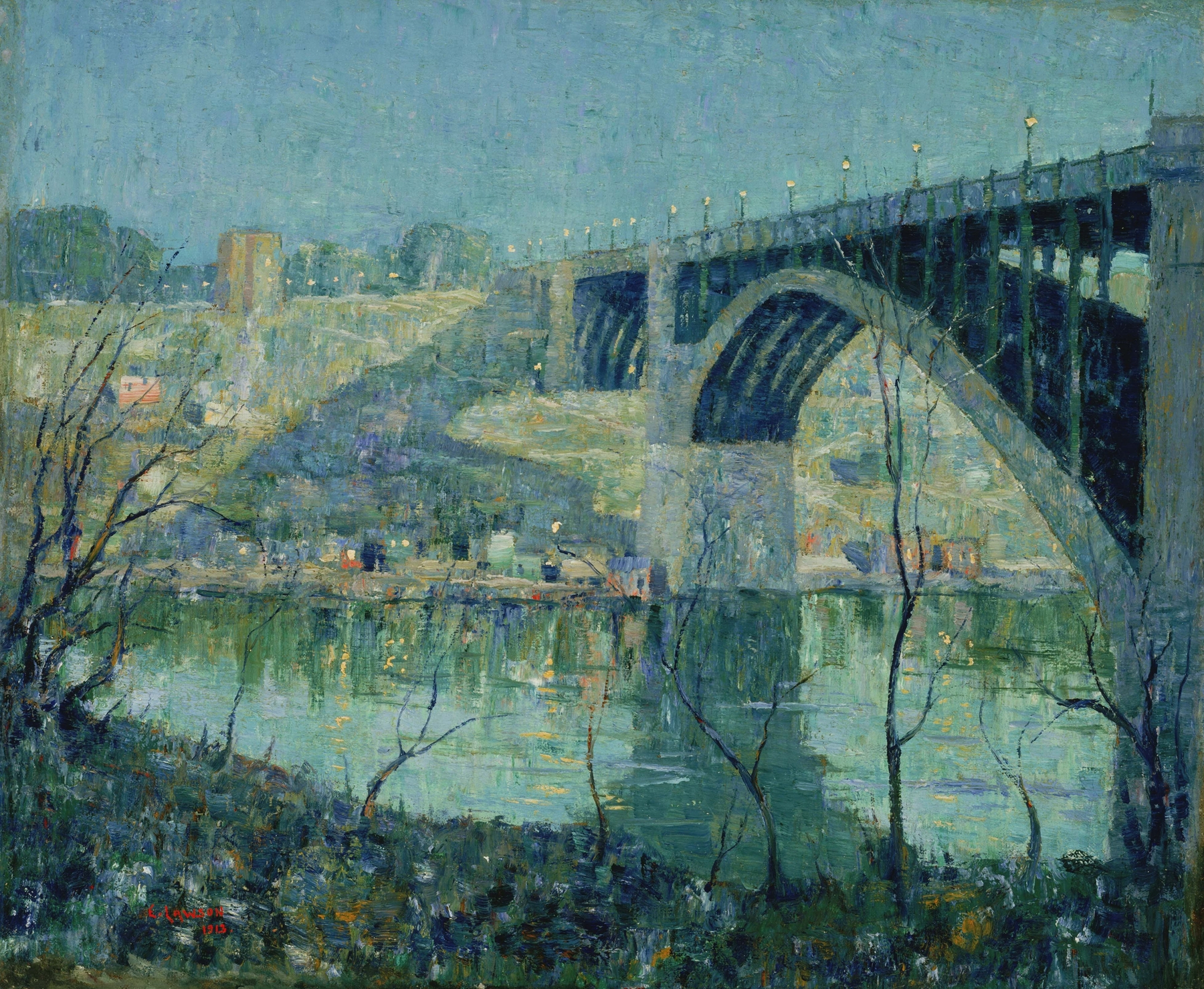
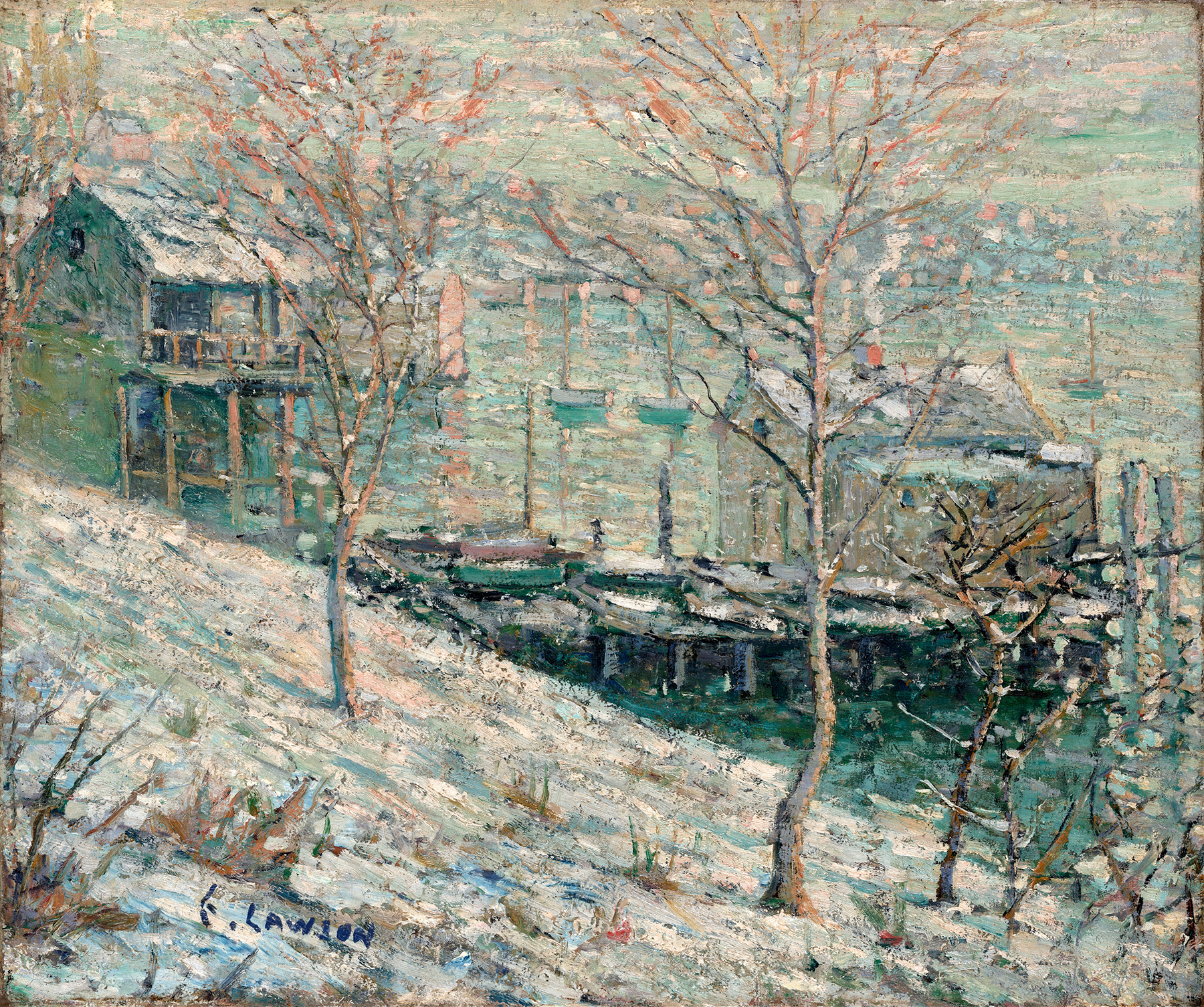
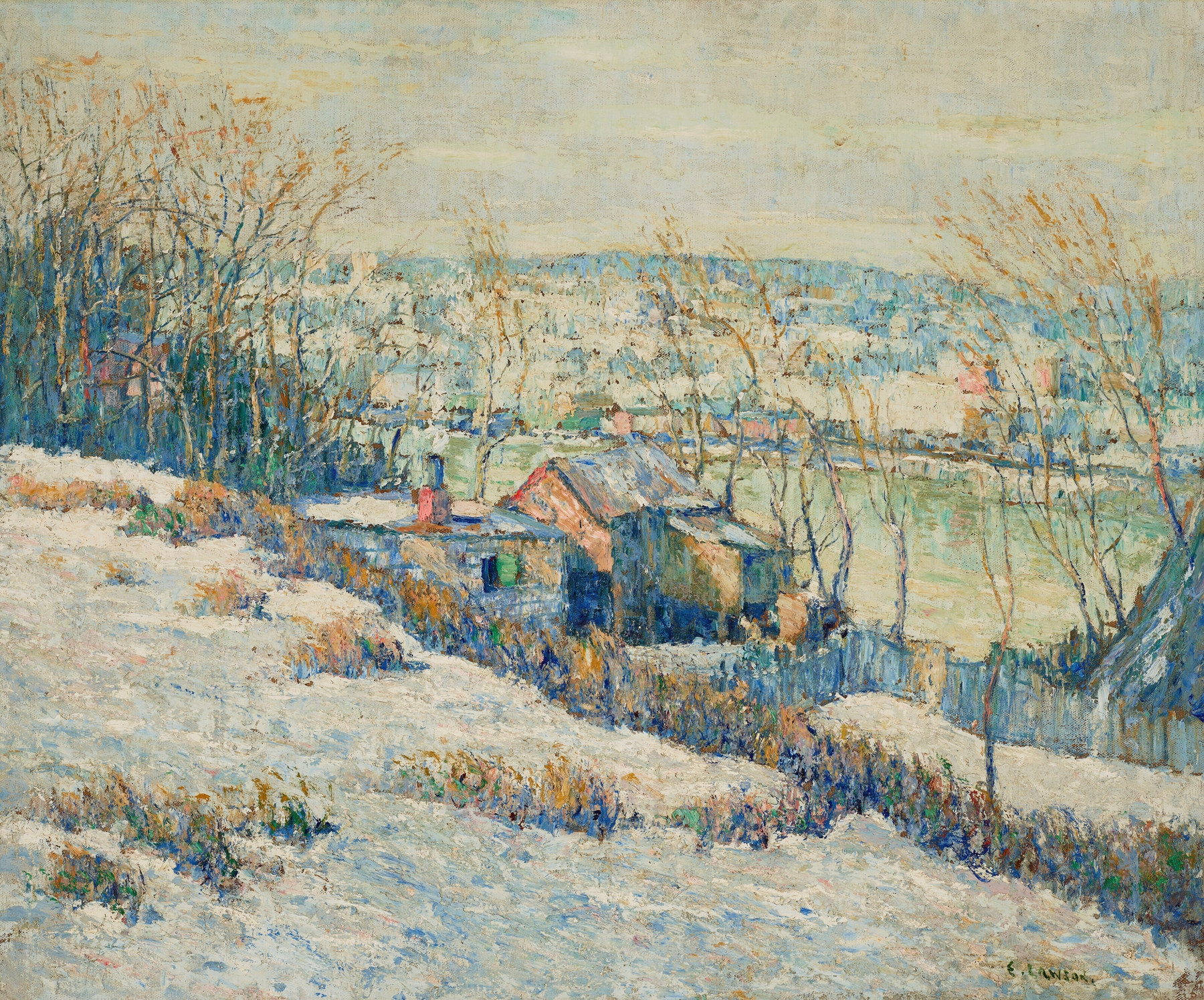
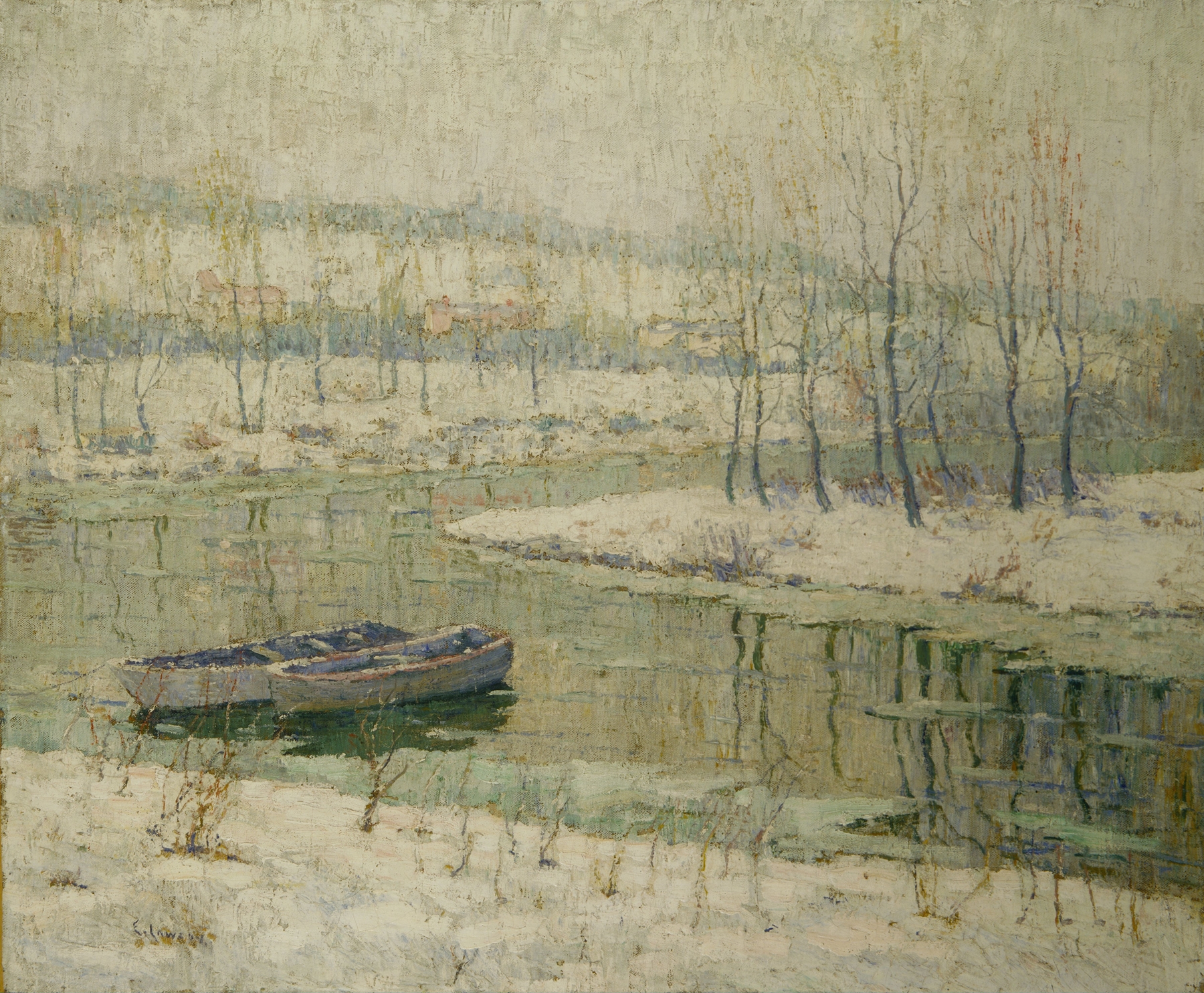
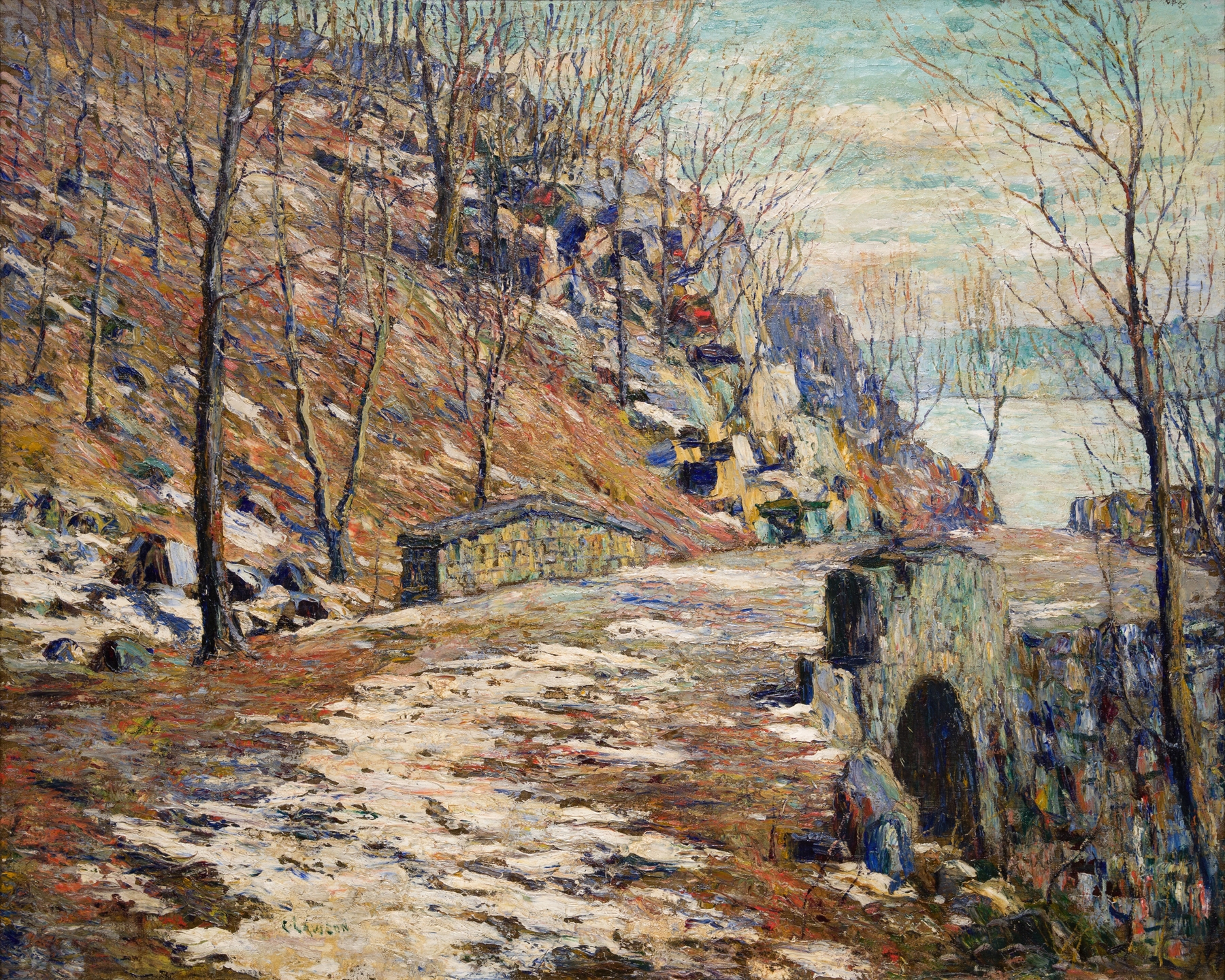
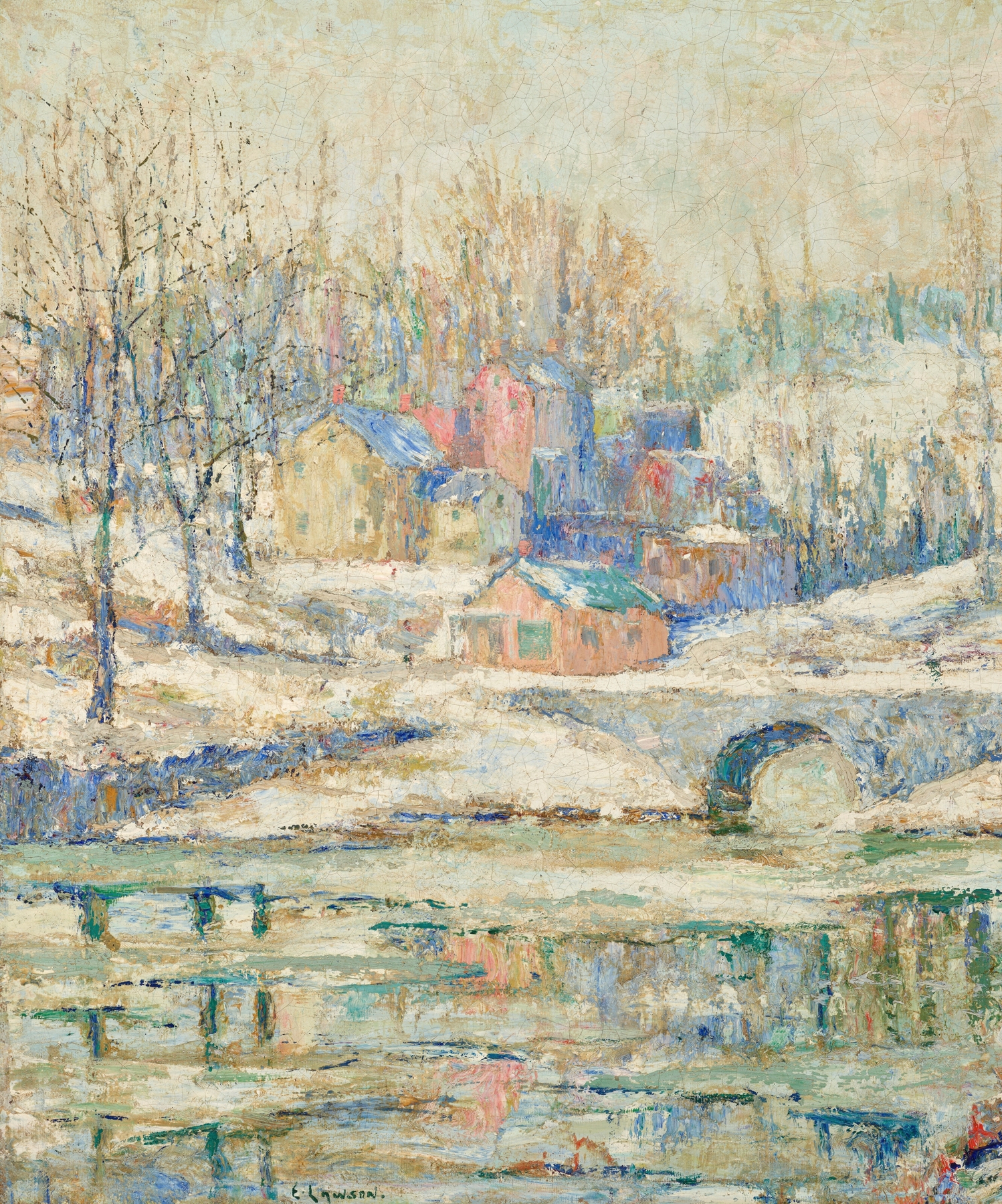
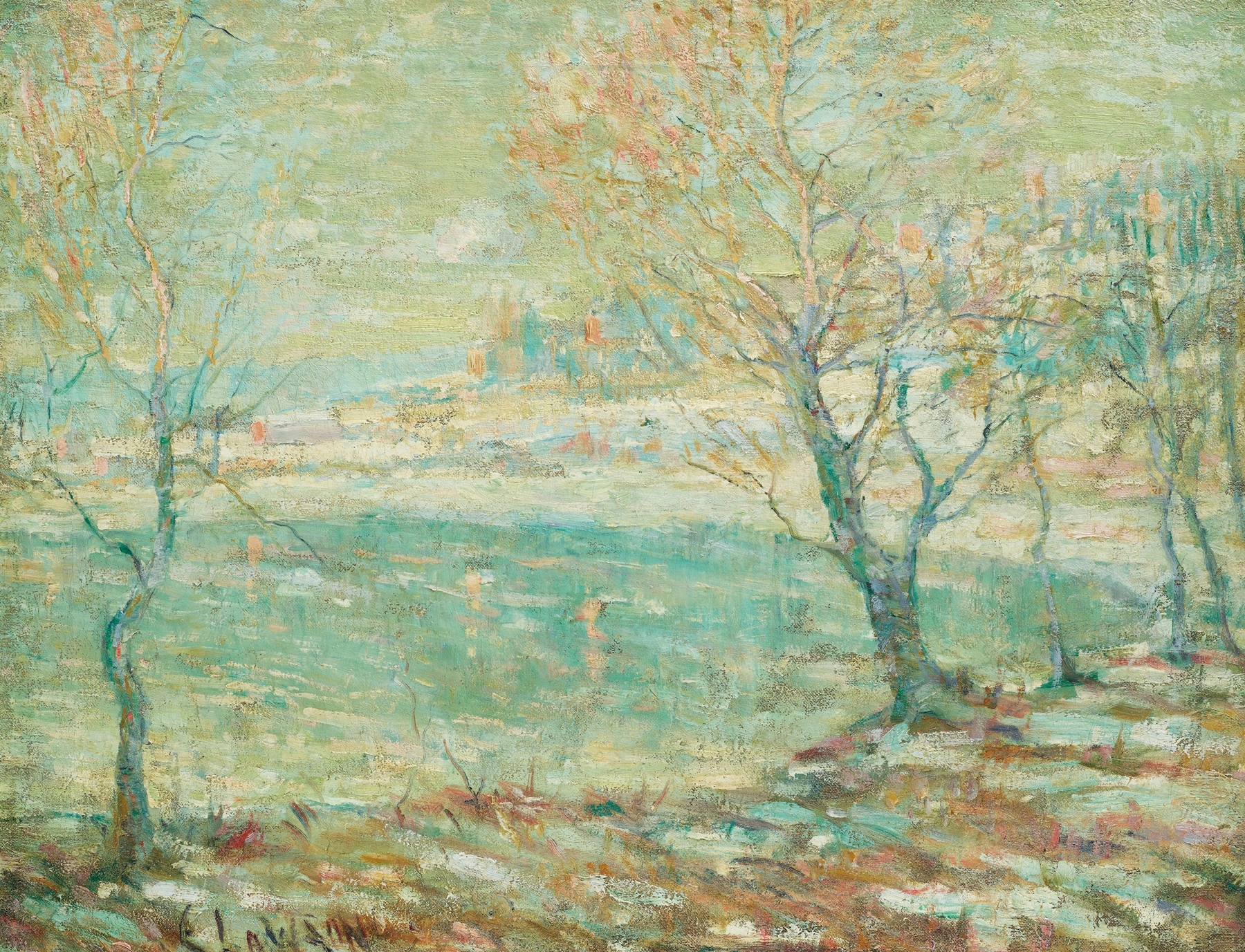
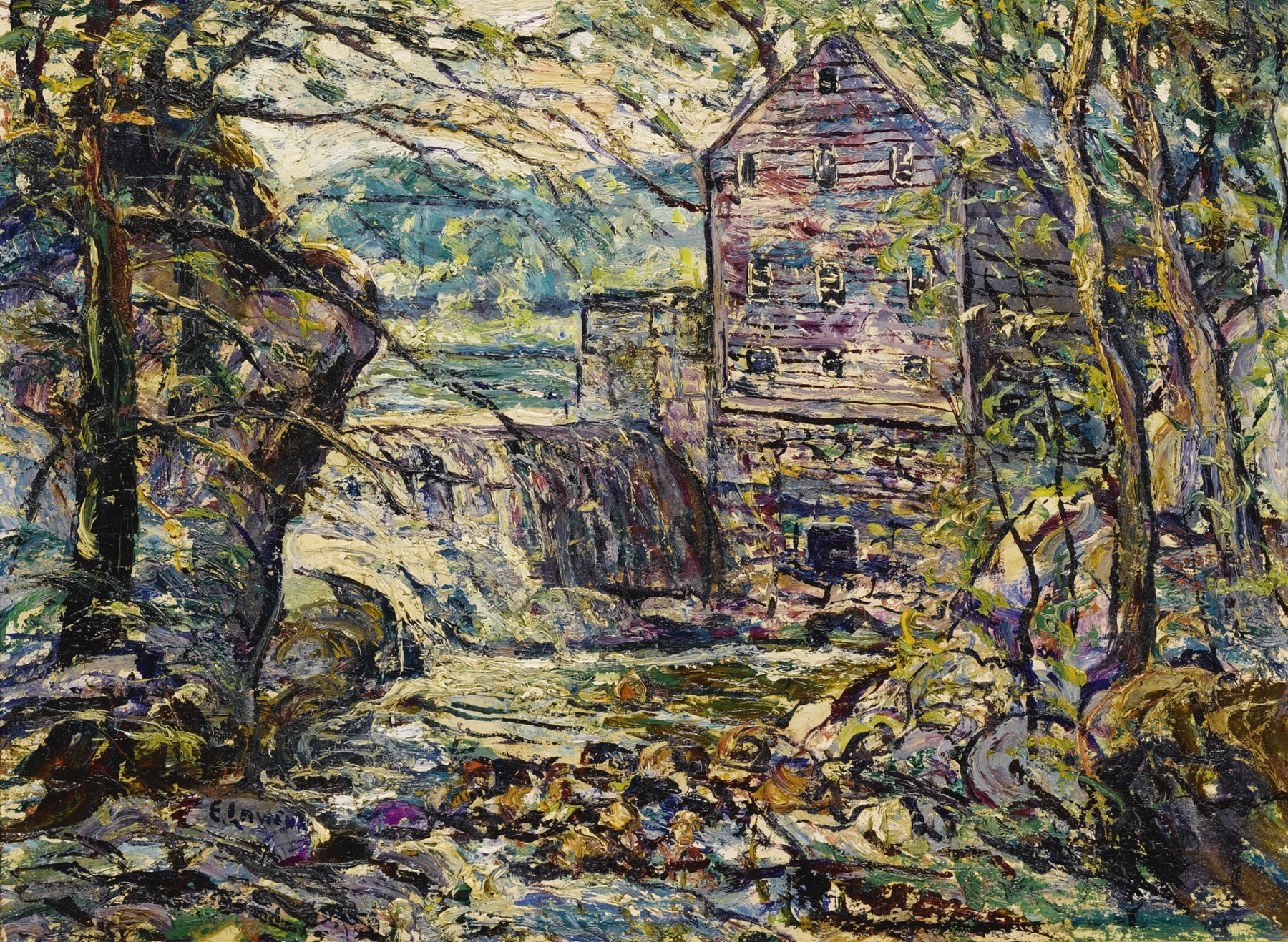
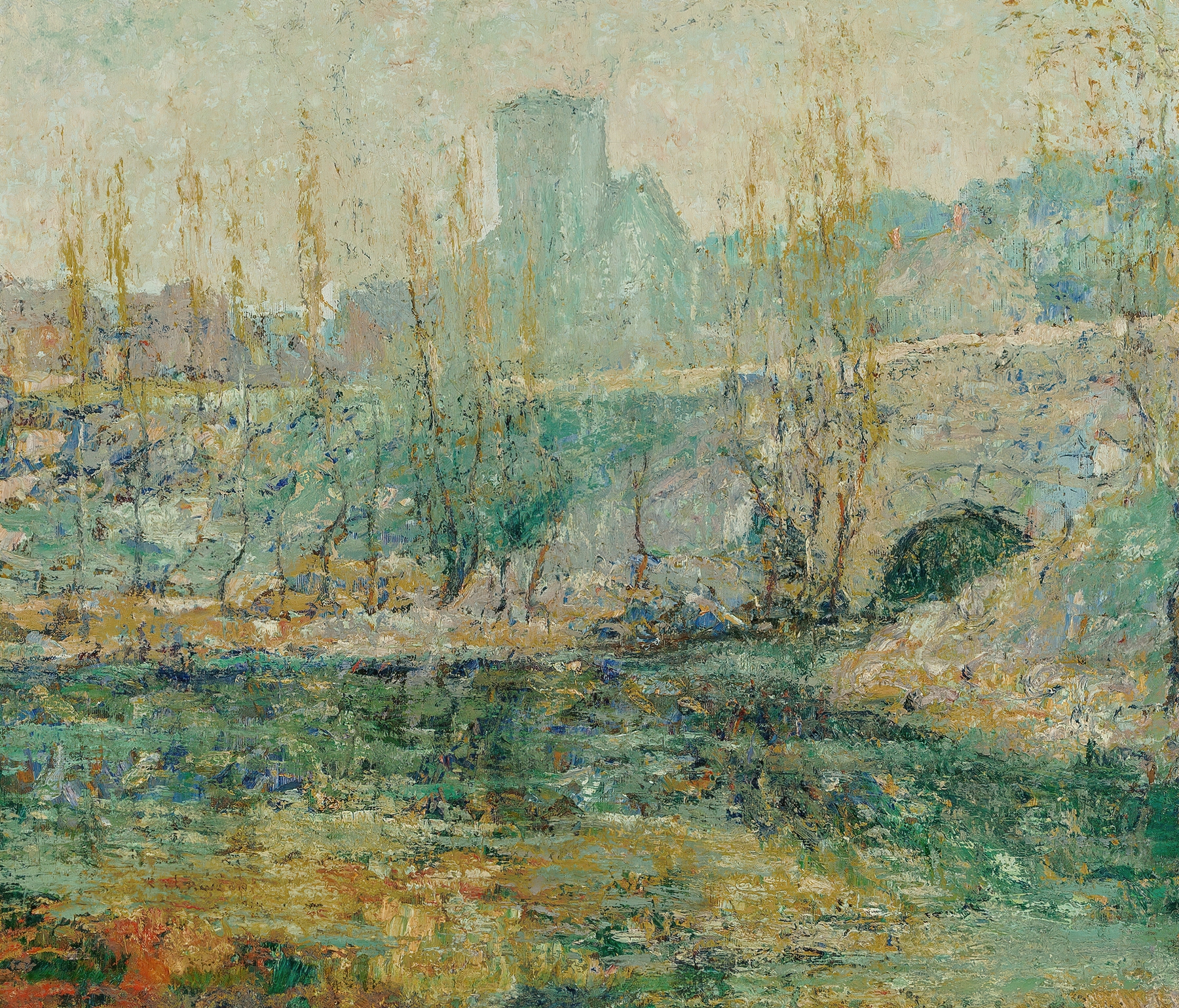
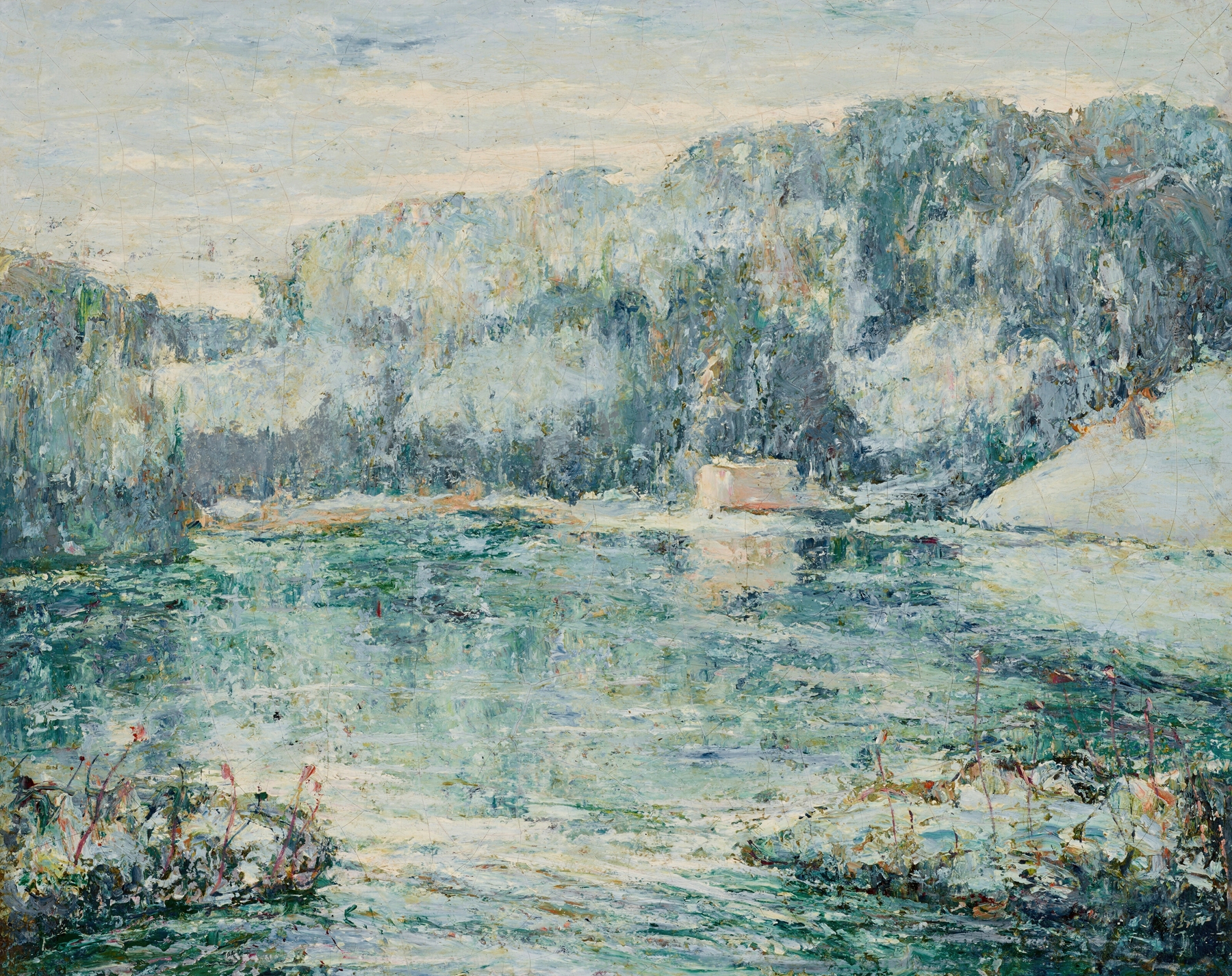
Who listens when art speaks of silence? In the gentle embrace of nature, a river whispers secrets of divinity, inviting contemplative souls to pause and reflect. Look to the center, where the river meanders gracefully, its surface glistening under a soft, diffused light that dances across the water. The artist uses a soothing palette of greens and blues, creating a harmonious blend that draws the eye into the tranquil scene.
Notice how the trees stand sentinel along the banks, their branches arching protectively over the water, guiding our gaze deeper into the landscape's embrace. In the subtle play of shadow and light, we find contrasts that mirror life's dualities: the stillness of the river against the lively brushstrokes of the foliage suggests a divine balance between serenity and chaos. This composition evokes a sense of introspection, inviting viewers to delve into their own emotions and find solace within the natural world. The harmonious interplay of colors also hints at the interconnectedness of all living things, a silent reminder of the divine presence that permeates the landscape.
In the early 20th century, when this piece was created, the artist navigated a burgeoning art world that was beginning to embrace new movements like Impressionism and Post-Impressionism. Lawson painted this work in the context of a rapidly changing society, seeking to capture the beauty of the American landscape that was often overlooked amidst industrialization. Through his brush, he found divinity in nature, asserting its timeless relevance in an era of transformation.