The Pond and Gapstow Bridge, New York City — History & Analysis
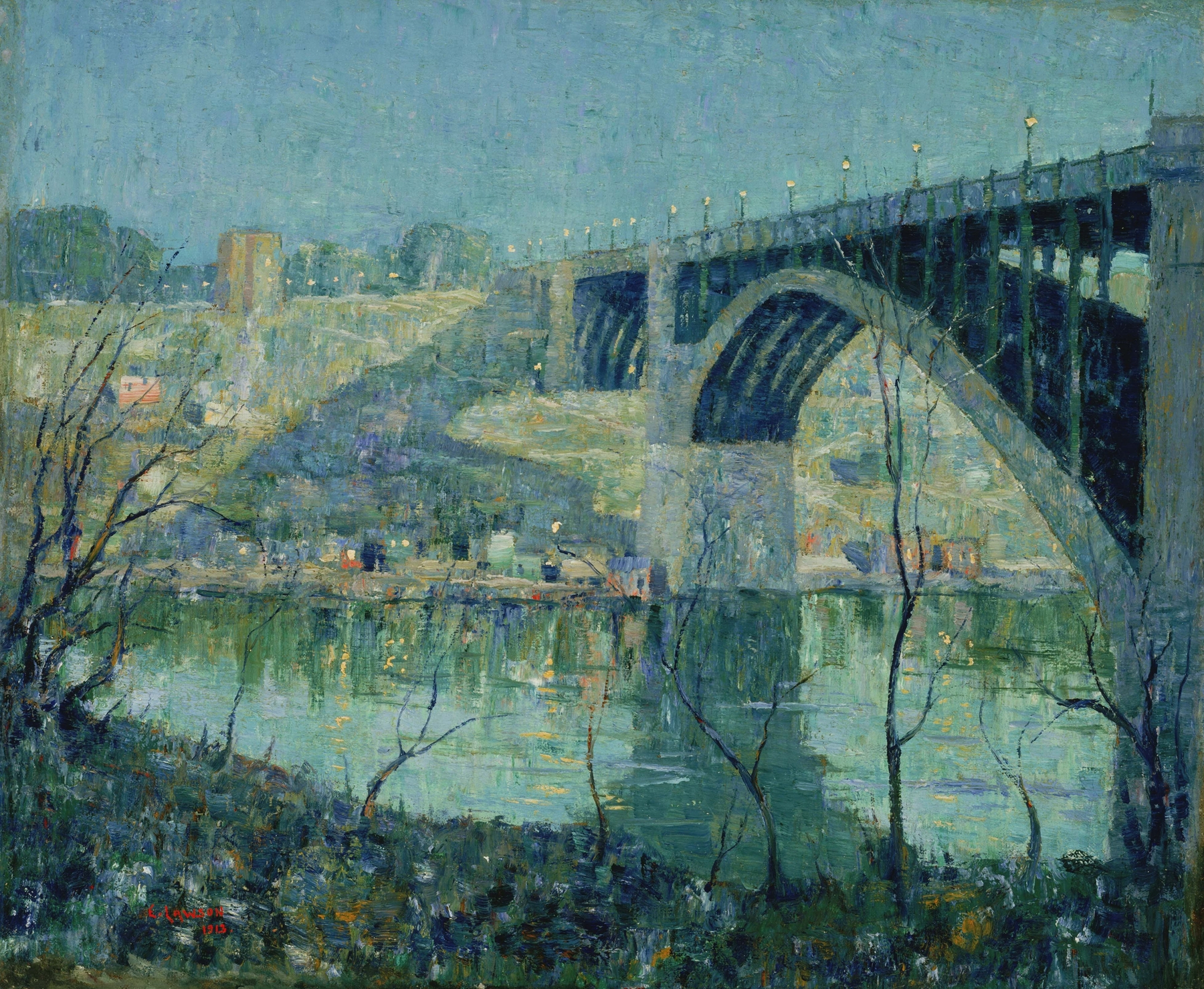
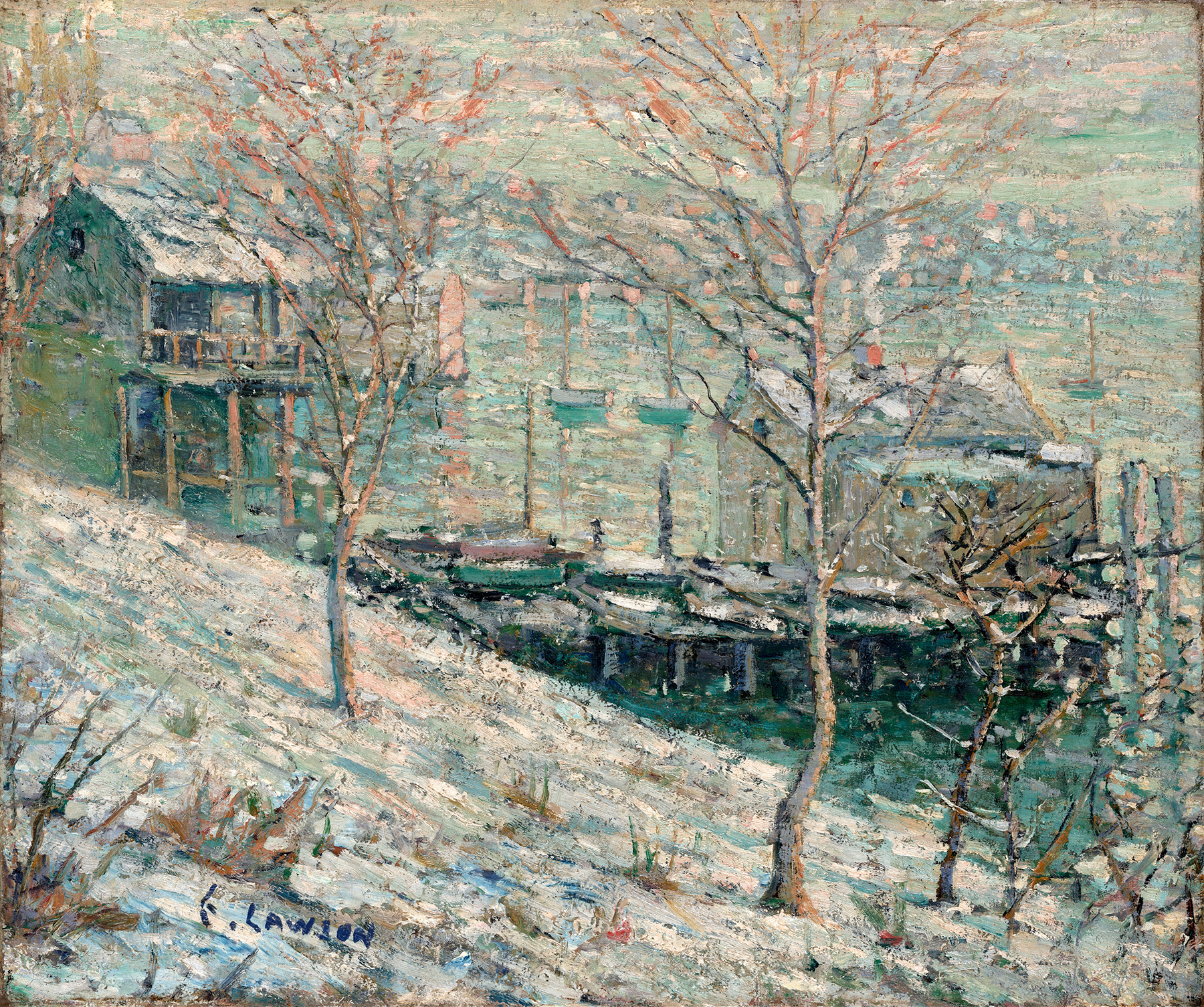
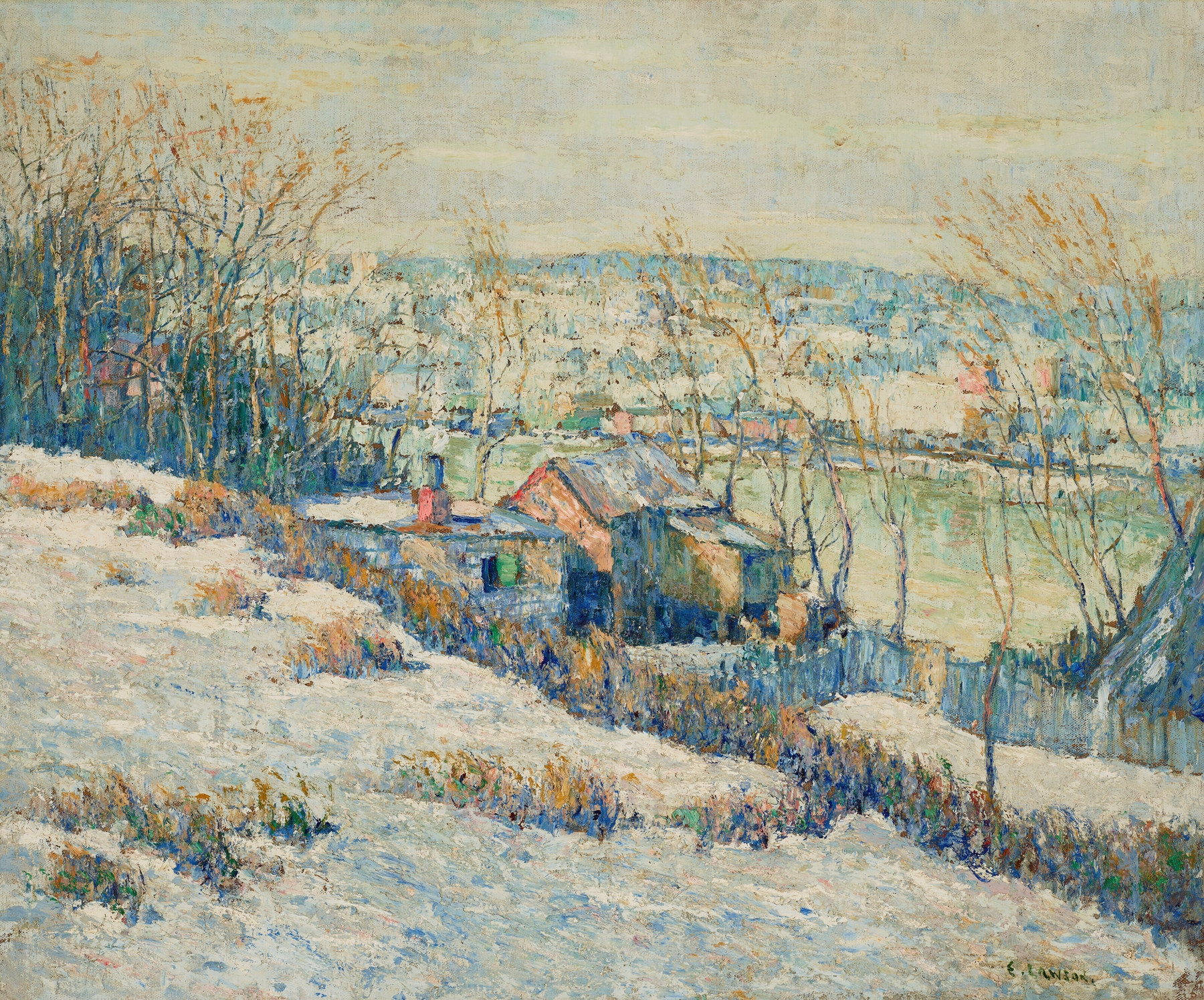
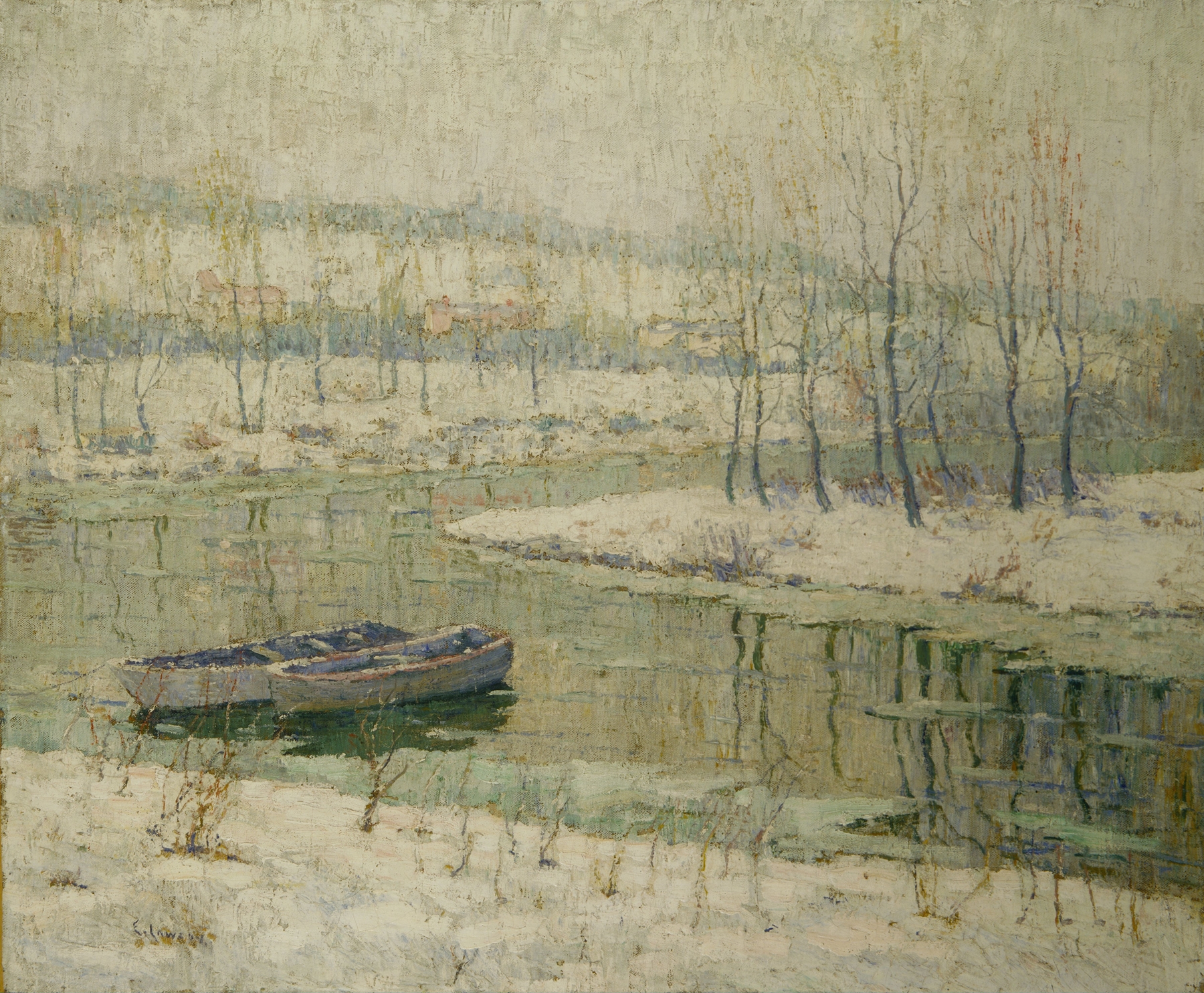
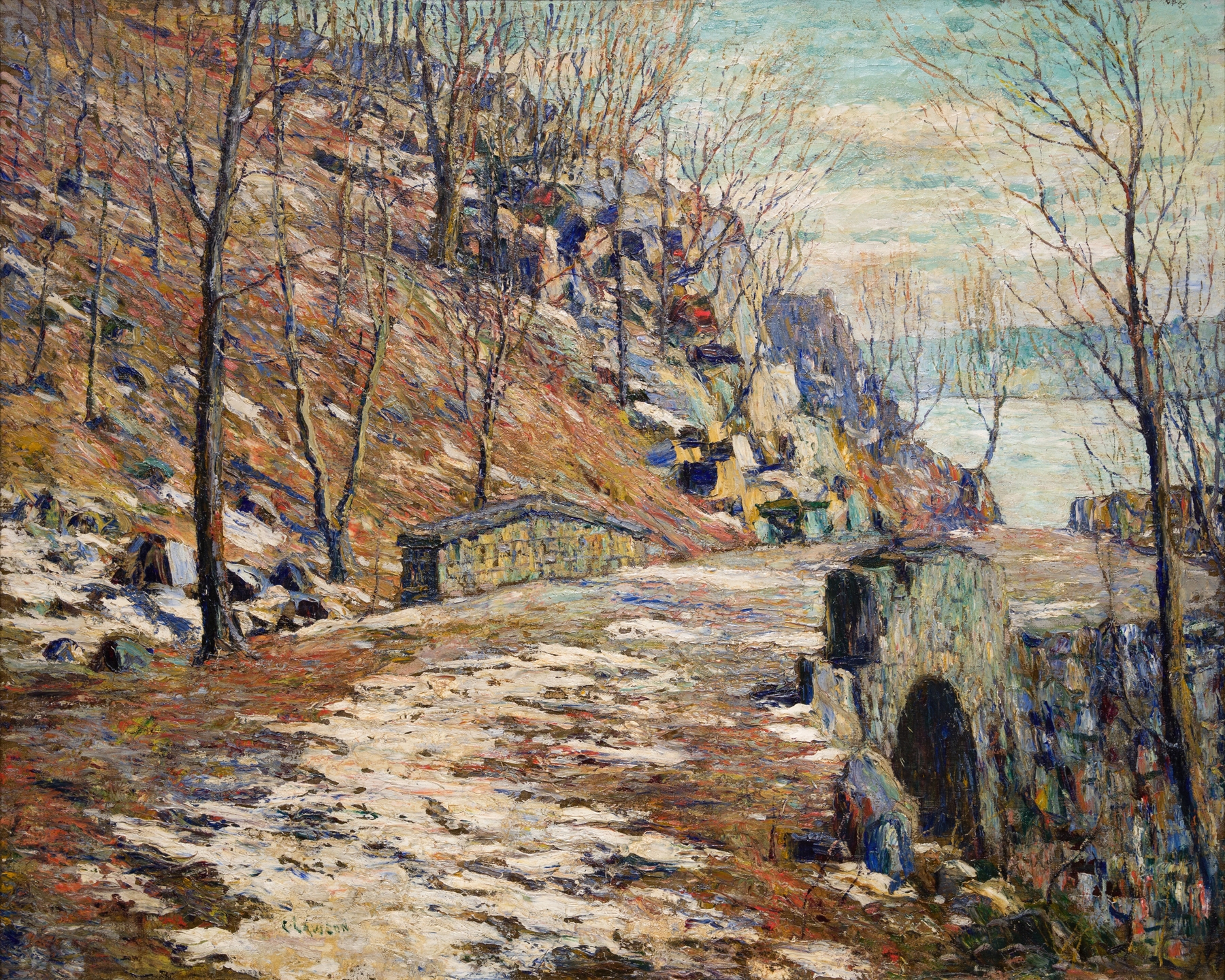
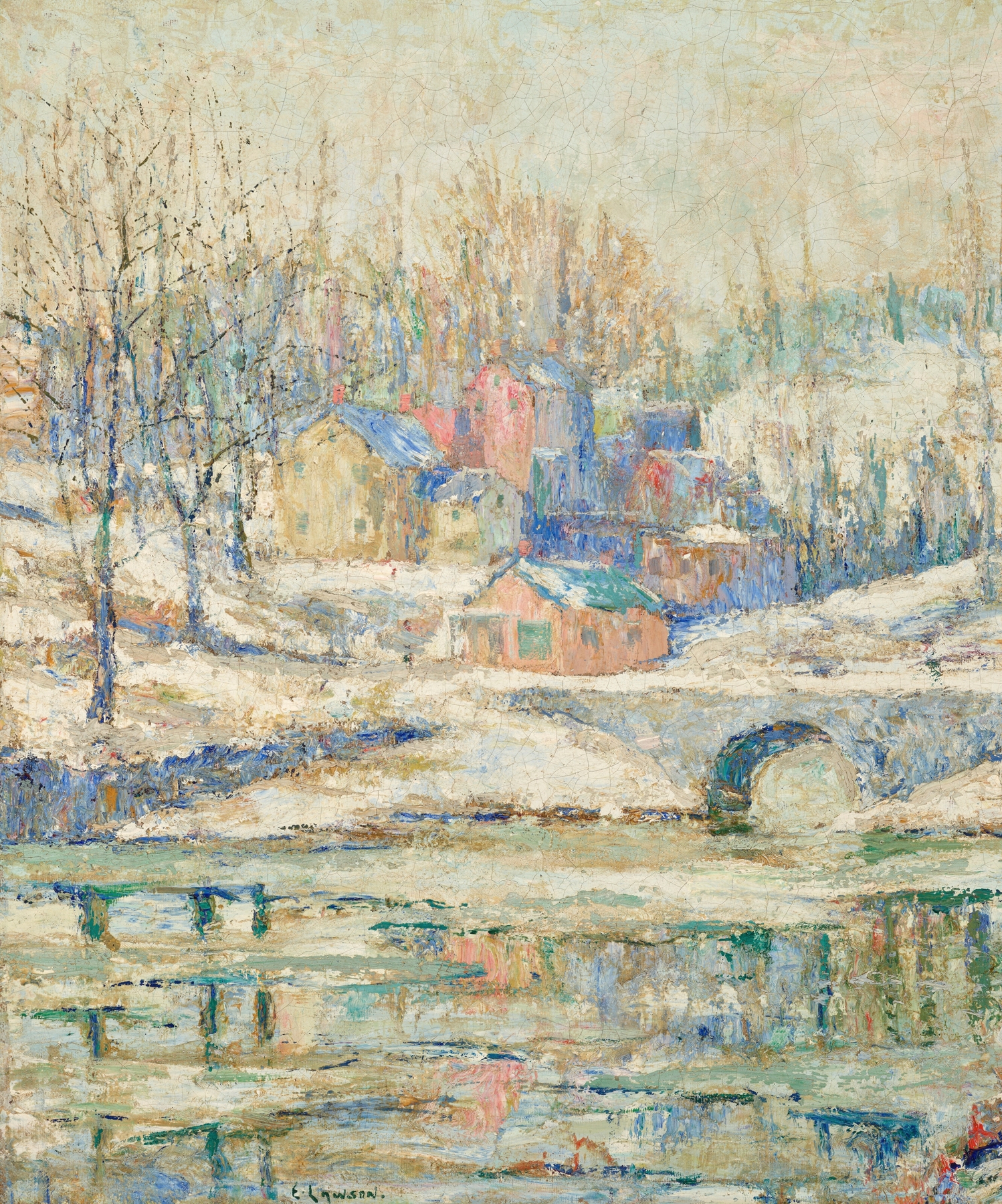
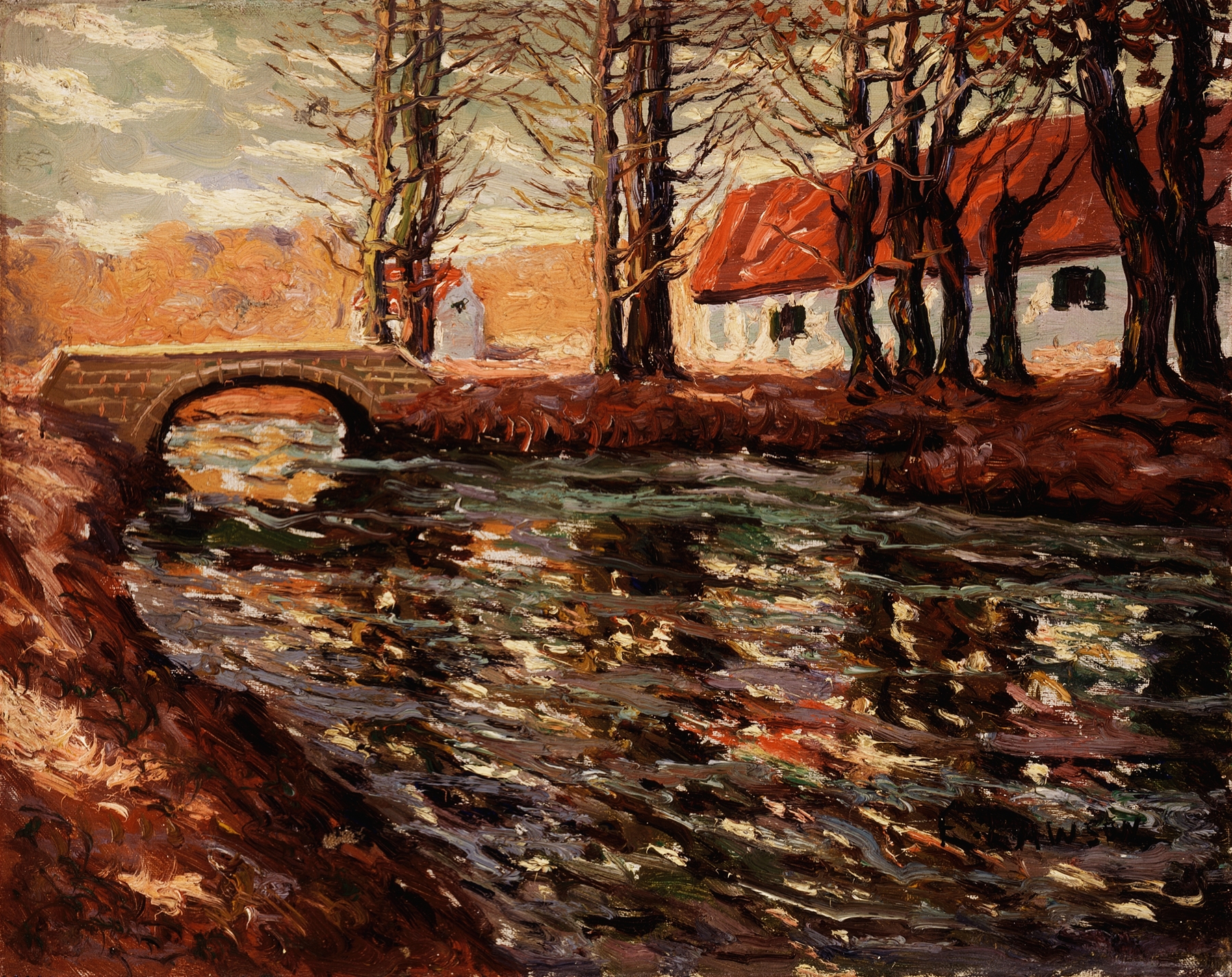
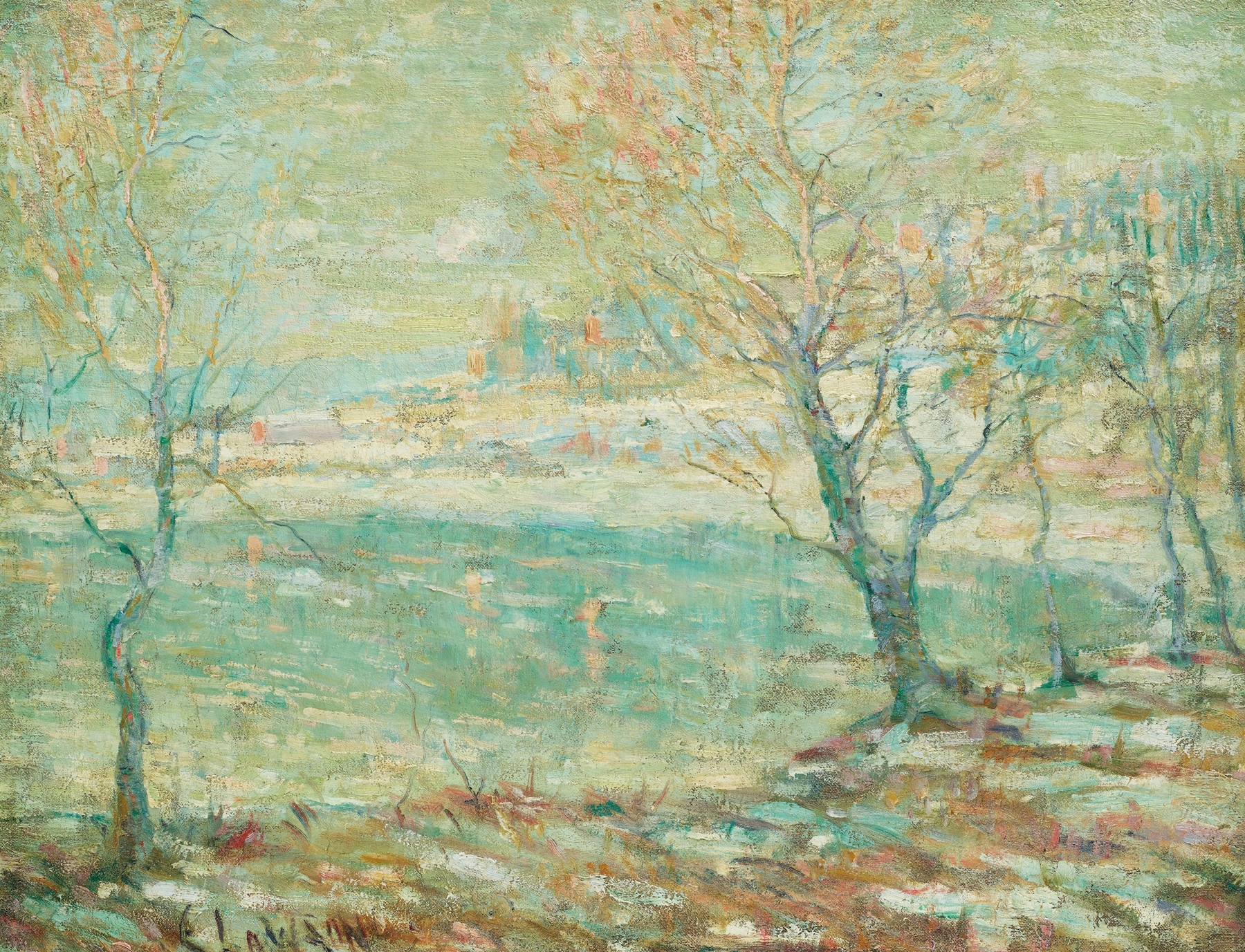
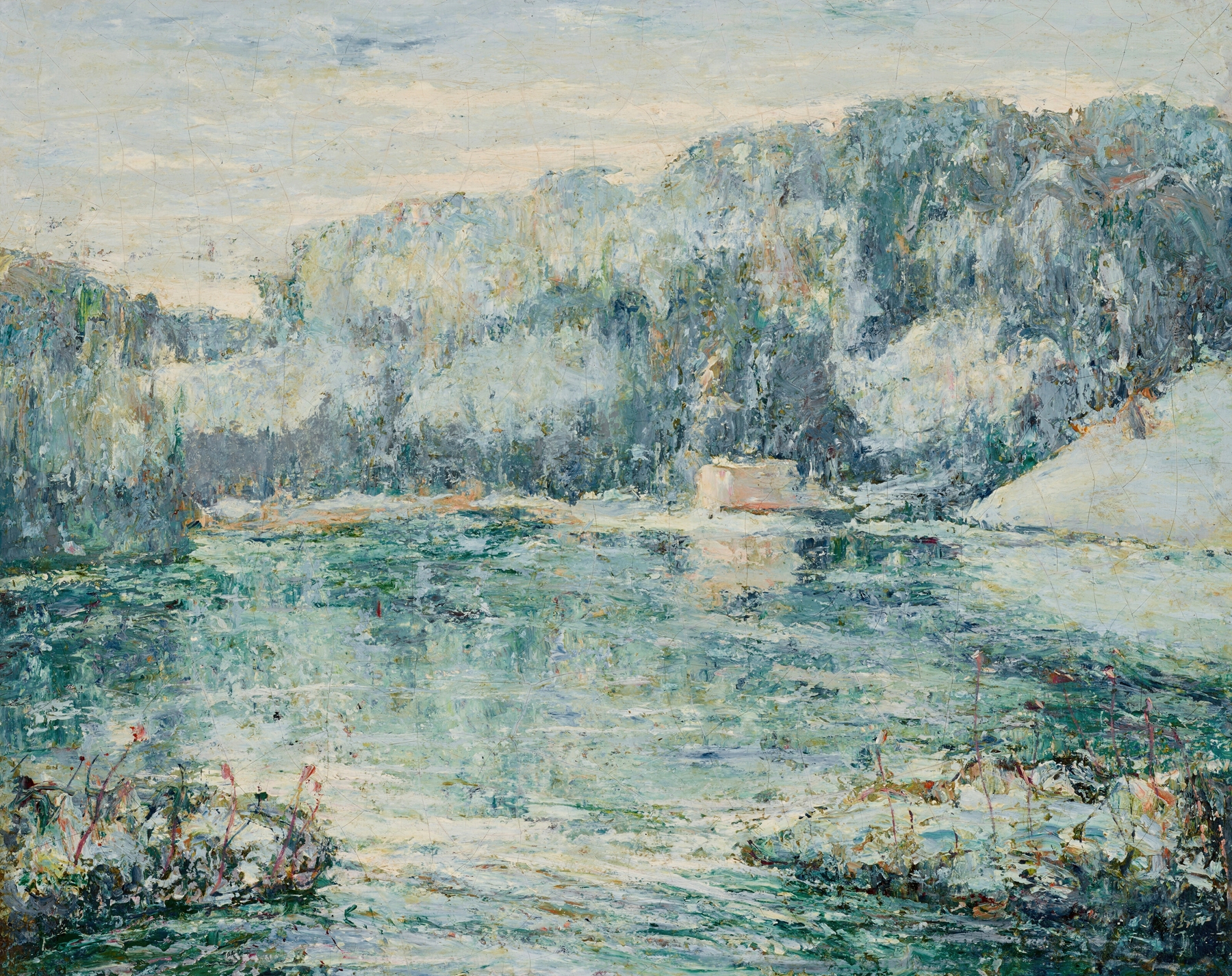
“Every silence here is a confession.” In the delicate interplay of light and shadow, we find ourselves suspended in a moment that whispers of nature's secrets. Look to the foreground, where the pond glimmers under the soft caress of sunlight, its surface a mirror reflecting the dappled hues of autumn. The gentle curve of Gapstow Bridge rises elegantly, bridging the realms of water and land. Notice how the palette shifts from warm golds to deep greens, lending a sense of tranquility to the scene, while the brushstrokes evoke a sense of movement that invites the viewer to wander deeper into this urban oasis.
Yet, beneath this serene surface lies a tension between the natural and the constructed. The bridge, a symbol of human ambition, juxtaposes the wildness of the surrounding flora, suggesting a fragile harmony in a bustling city. The play of light on the water serves not only as a visual delight but as a metaphor for fleeting moments—reminding us of the impermanence of peace amidst the chaos of urban life.
In 1914, the artist worked in New York City, capturing the city's evolving landscape through a lens of impressionism. At this time, Lawson was influenced by the urban environment while still deeply connected to nature. His choice to depict this scene reflects both a personal and cultural yearning for tranquility in an increasingly industrial world, marking a significant moment in the intersection of art and the rapidly modernizing city.