The Mill — History & Analysis
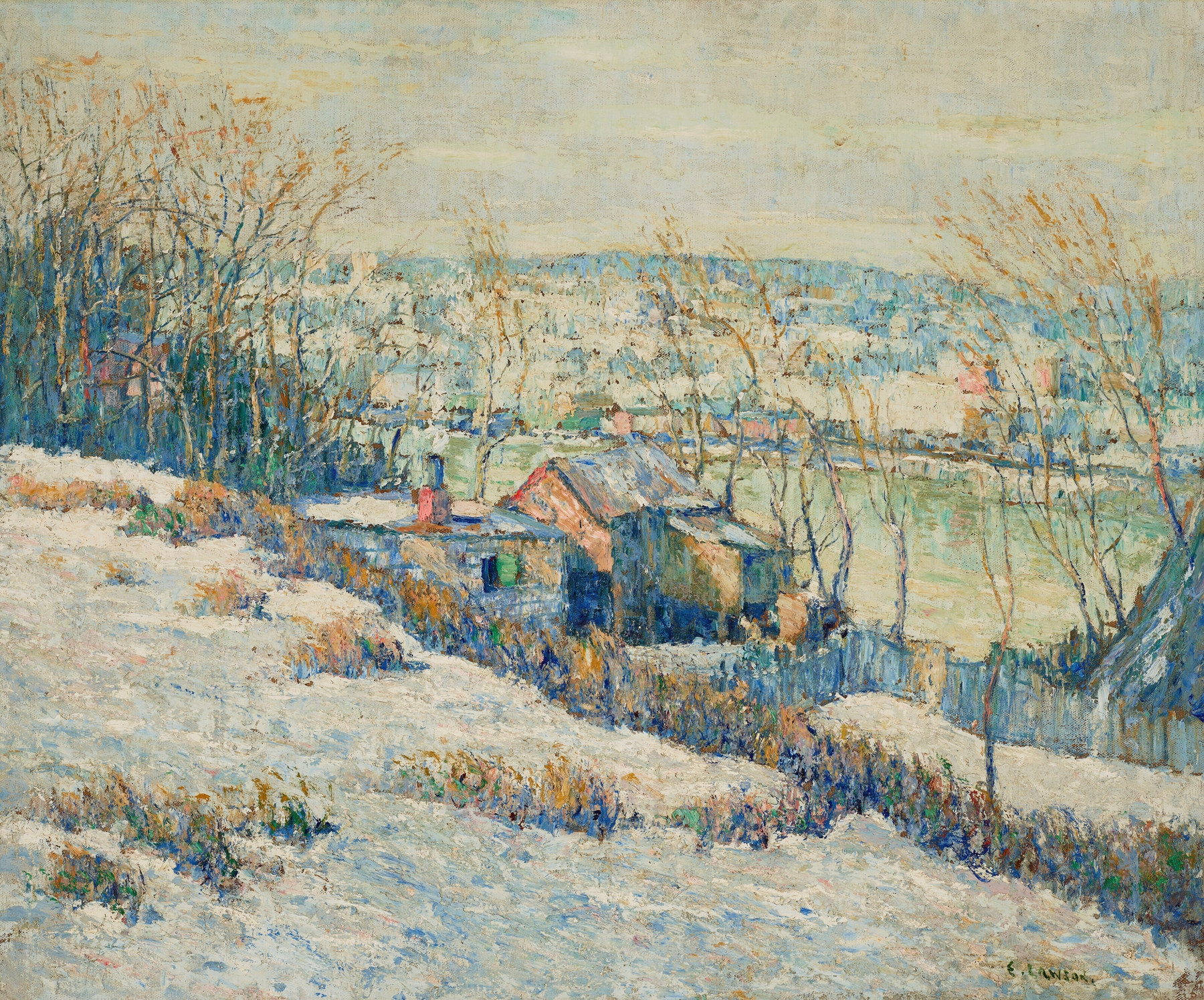
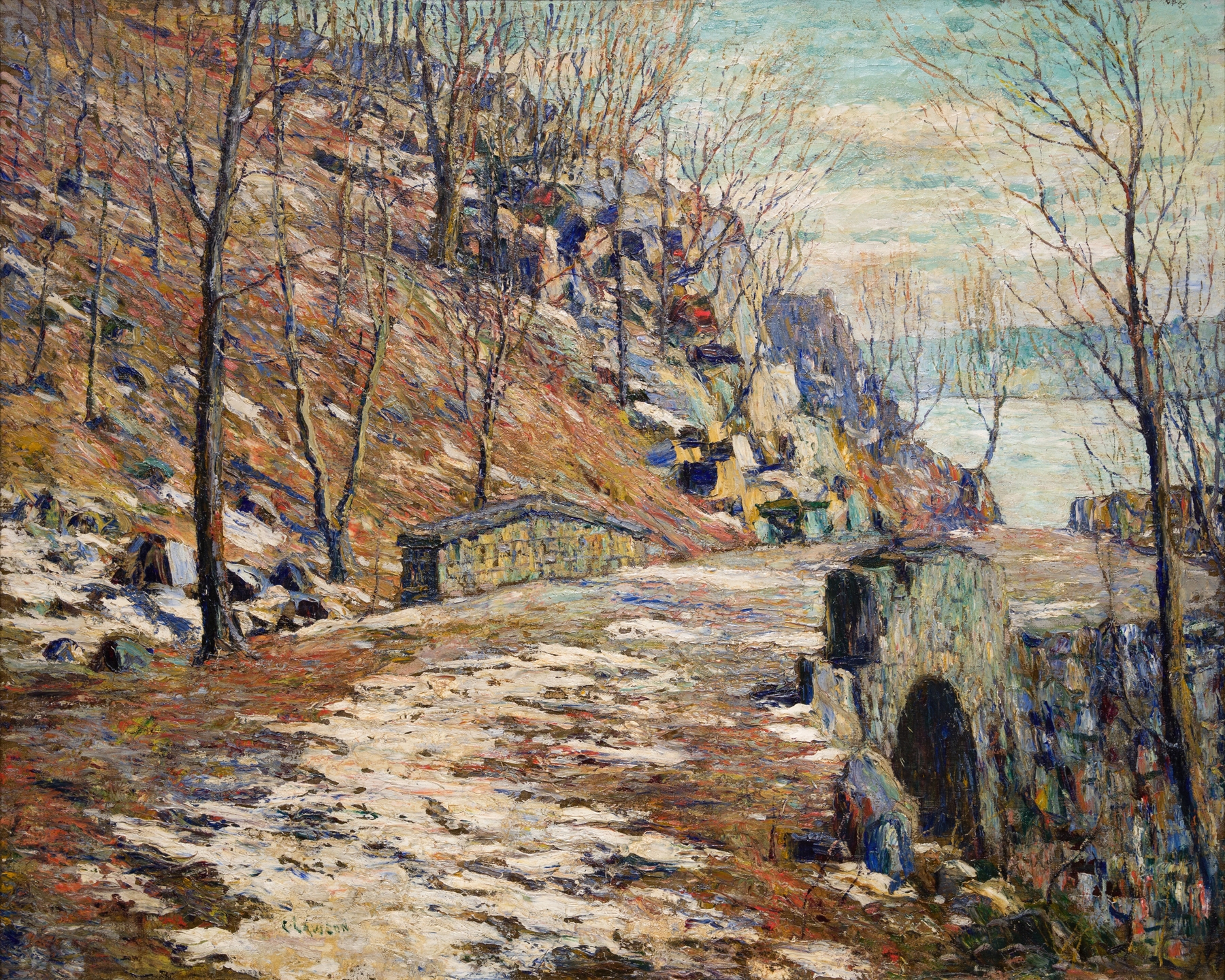
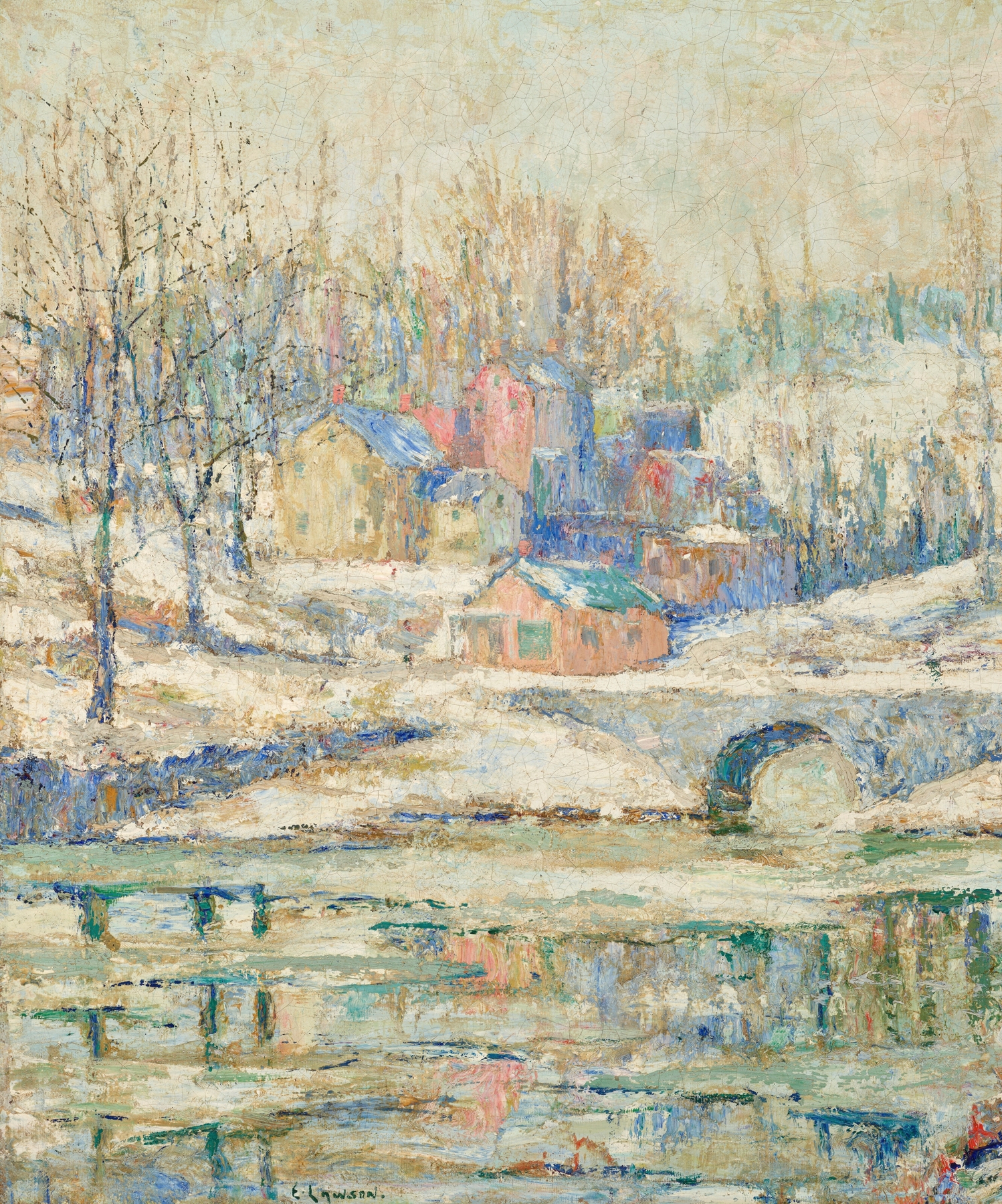
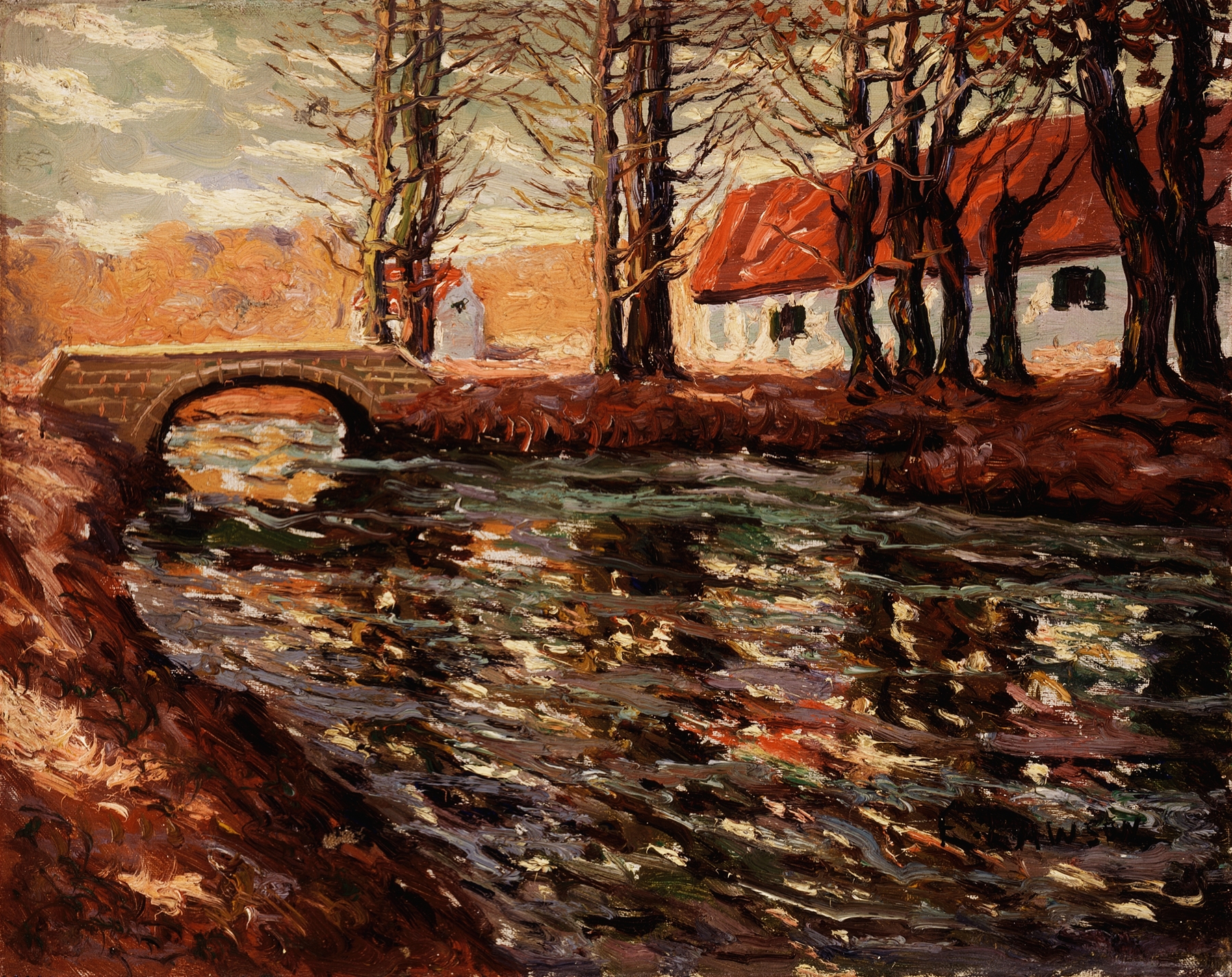
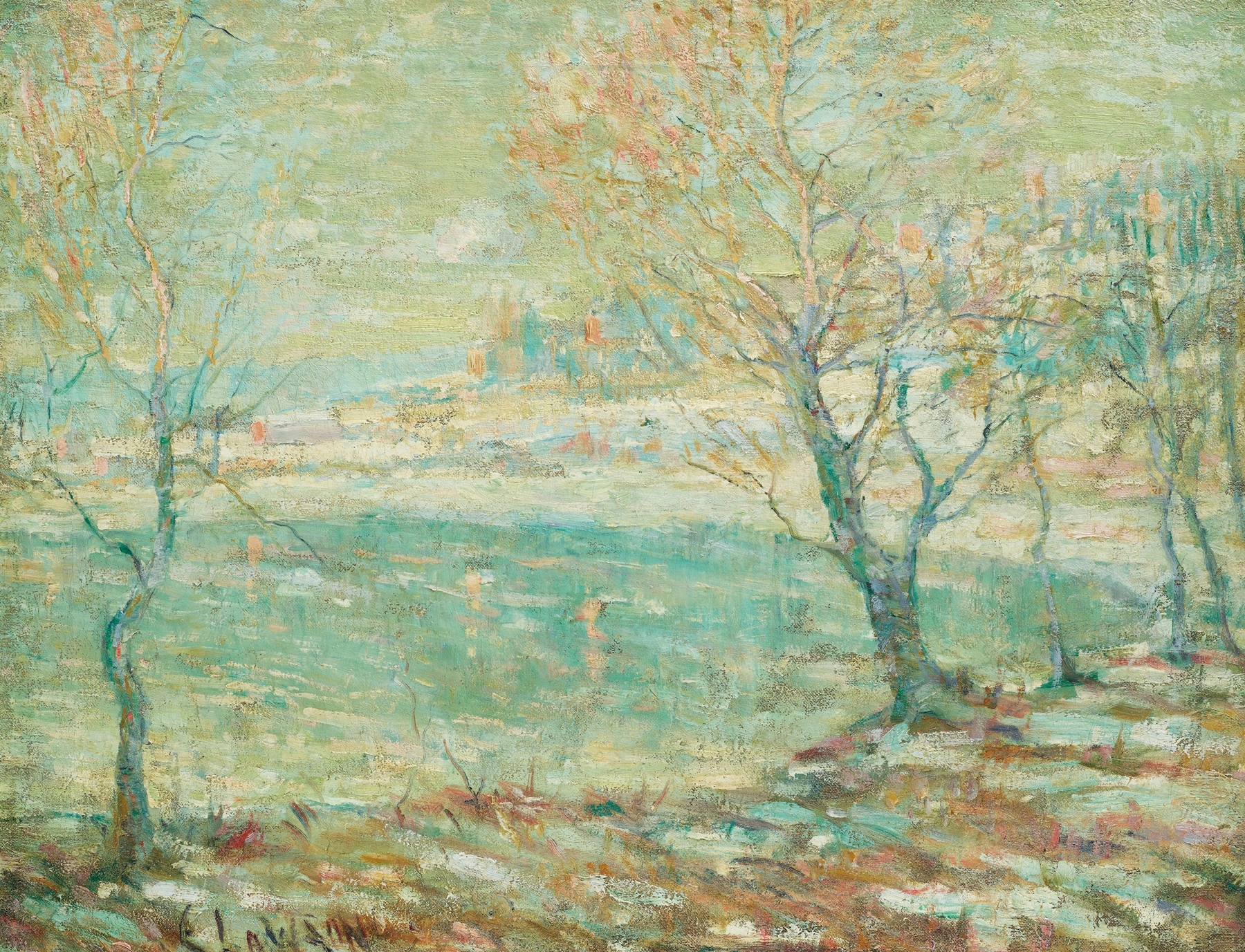
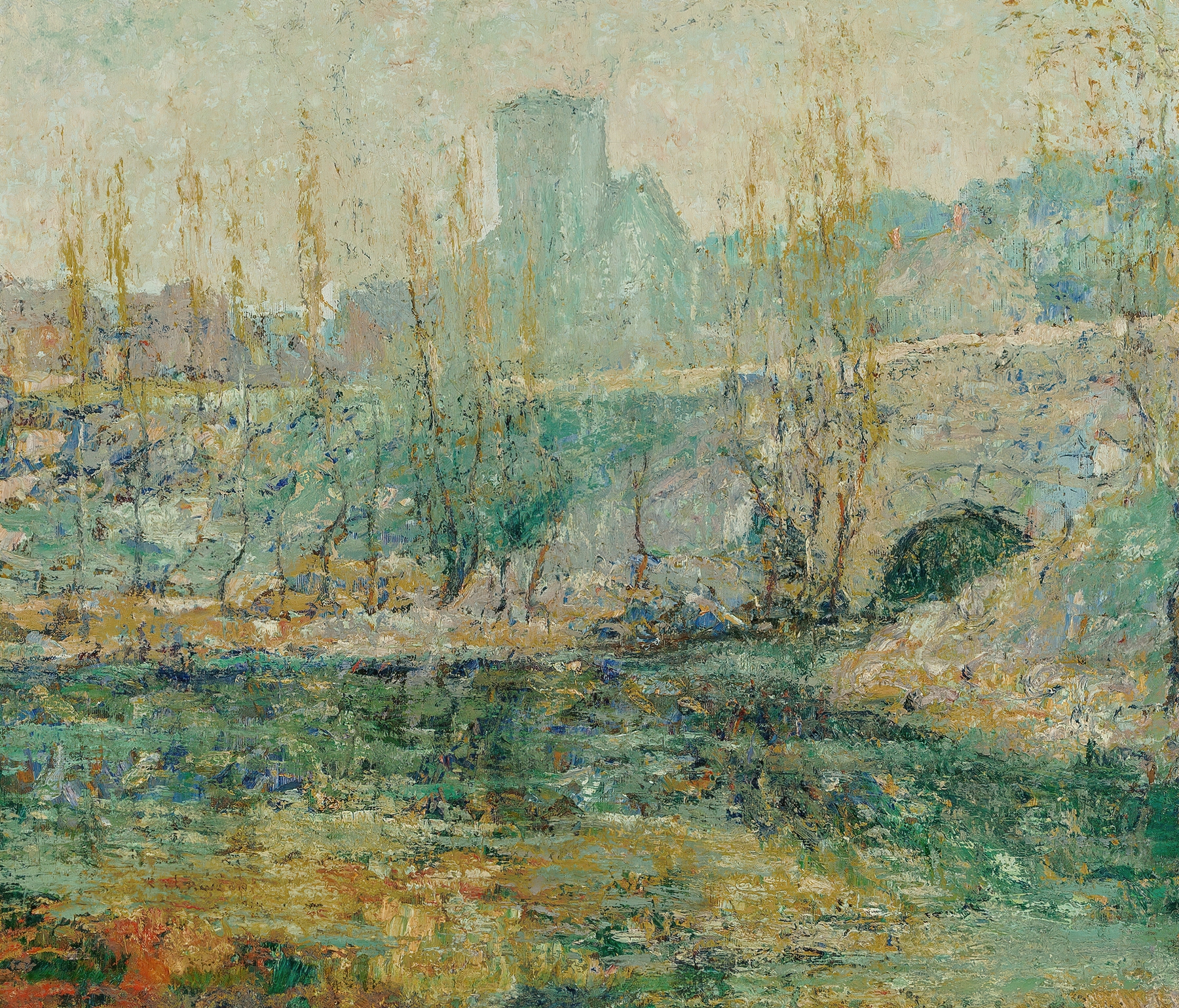
Who listens when art speaks of silence? In The Mill, the quietude of the scene captures a moment suspended in time, inviting contemplation of creation and the labor that underpins it. Look to the left at the mill itself, a sturdy structure nestled against a backdrop of lush greenery. Notice how the natural light filters through the trees, casting dappled shadows upon the building's weathered walls. The soft palette of greens and browns evokes a sense of harmony, while the gentle brushstrokes convey an organic connection between the mill and its surroundings.
The composition draws your eye across the canvas, toward the subtle play of light and texture that suggests a serene but industrious atmosphere. Delve deeper into the contrasts presented in the work. The juxtaposition of the tranquil rural setting against the mechanical presence of the mill reflects the tension between nature and industry. The stillness surrounding the structure hints at the hard work that goes unseen, while the flowing curves of the landscape suggest an ongoing cycle of life and labor.
Each detail—from the swaying grass to the quiet water—holds a story of resilience and continuity, reminding viewers of the silent yet vital processes that sustain creation. In 1920, the artist was immersed in the American scene, painting amid a post-war landscape rife with change. Lawson, part of the Hudson River School revival, sought to reconcile the natural with the industrial in a rapidly modernizing world. His works from this era reflect a deep appreciation for the beauty of the American landscape, capturing not just the physical realm but also an emotional resonance that speaks to the essence of creation itself.