Cliffs by the Sea at Cézembre, Brittany — History & Analysis
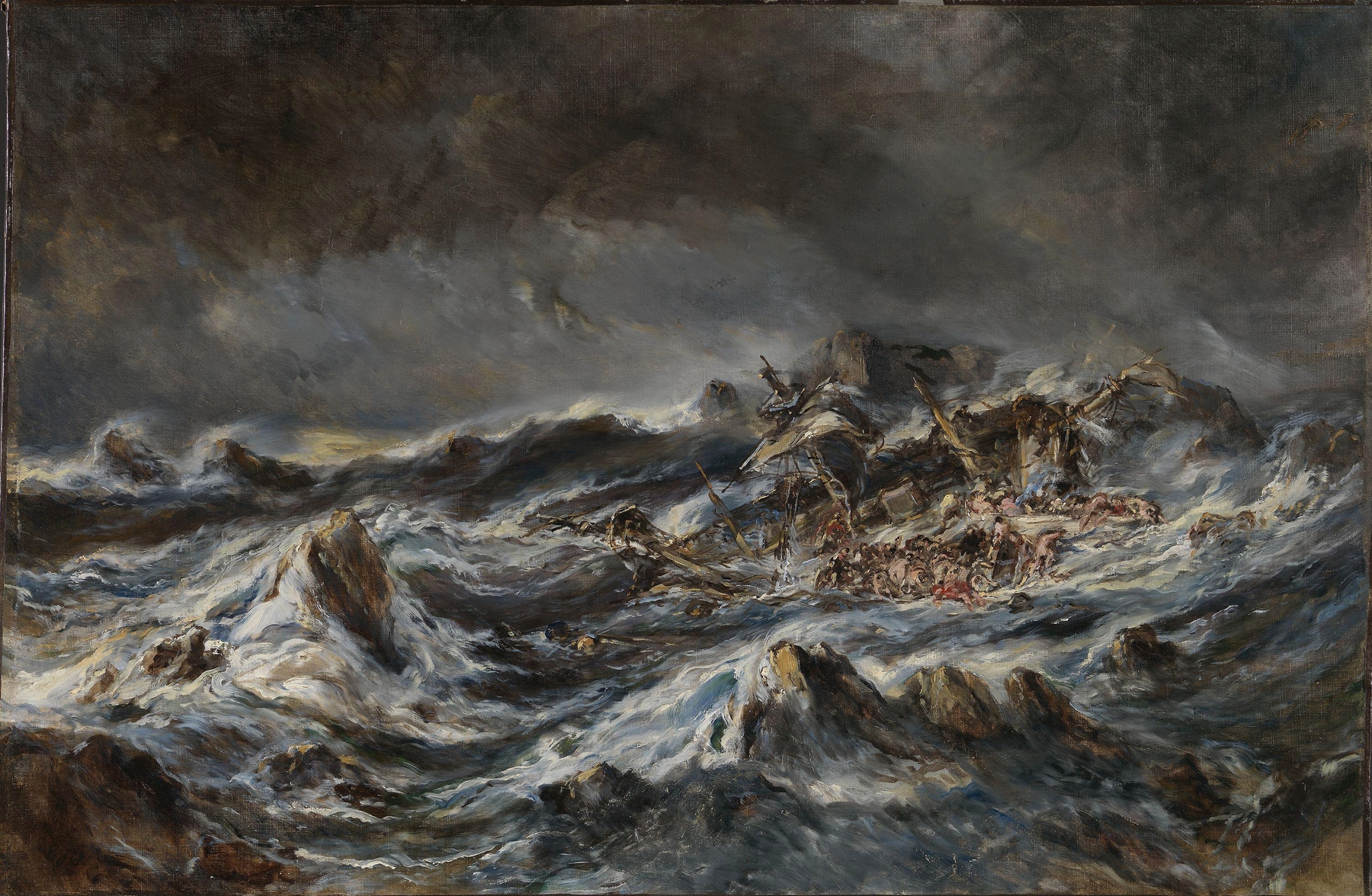
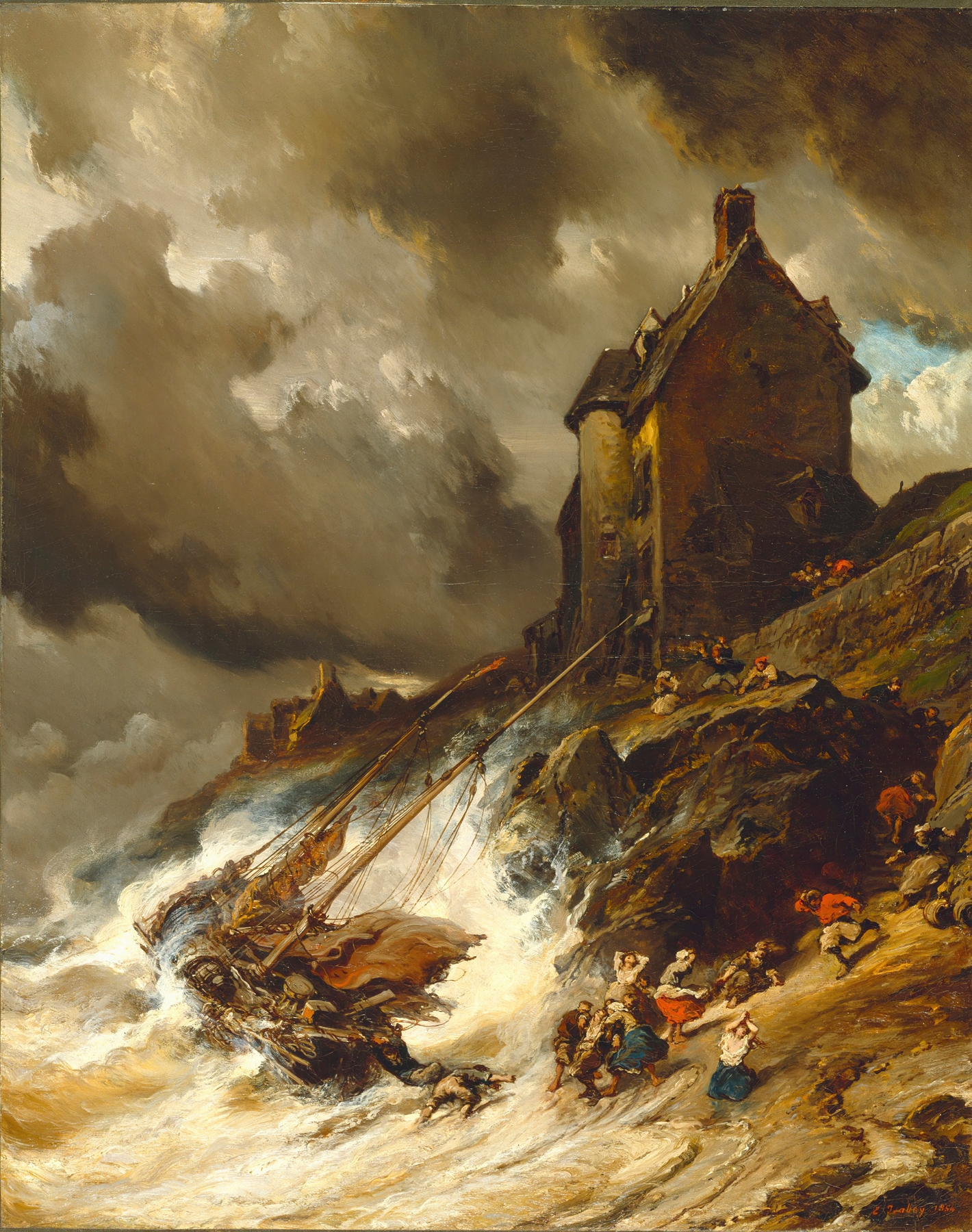
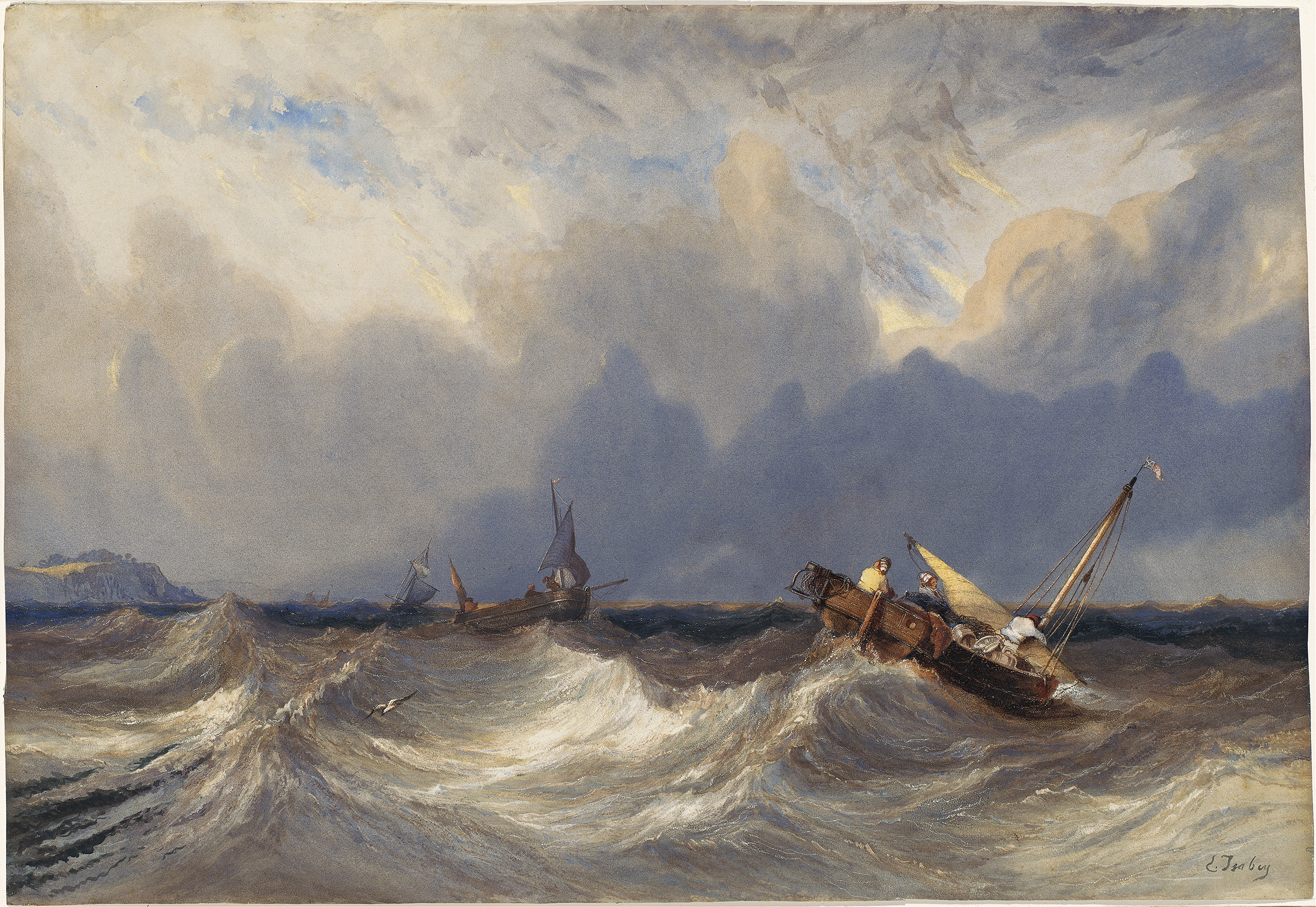
What if silence could speak through light? In Cliffs by the Sea at Cézembre, Brittany, the quietude of the coastline reveals a complex narrative of betrayal and longing, whispering secrets only the waves truly understand. Look to the left at the rugged cliffs striking against the cerulean sea. The artist skillfully captures the interplay of light and shadow that dances across the canvas, illuminating the textures of the rock formations while deepening the shadows that conceal their crevices.
The brushstrokes are both delicate and bold, evoking a sense of movement as if the scene pulses with an untold story, inviting viewers to explore its depths. In the foreground, the crashing waves appear almost violent, contrasting with the serene backdrop of the horizon. This tension between tumult and tranquility mirrors the emotional struggle of betrayal—a fracture between the beauty of nature and the pain of human existence. The subtle variations in color, from the vibrant greens of the cliffs to the muted grays of the sky, suggest a looming storm, both literally and metaphorically, hinting at unresolved conflict.
Eugène Isabey painted this evocative seascape around 1830 while in Brittany, a period marked by his growing fame as a maritime artist. During this time, Isabey was deeply influenced by the Romantic movement, which sought to capture the sublime beauty of nature and human emotion. This work reflects not only his technical prowess but also an introspective exploration of the natural world as a mirror for personal and emotional landscapes.