Coastal Rocks, Nahant; A Sketch — History & Analysis
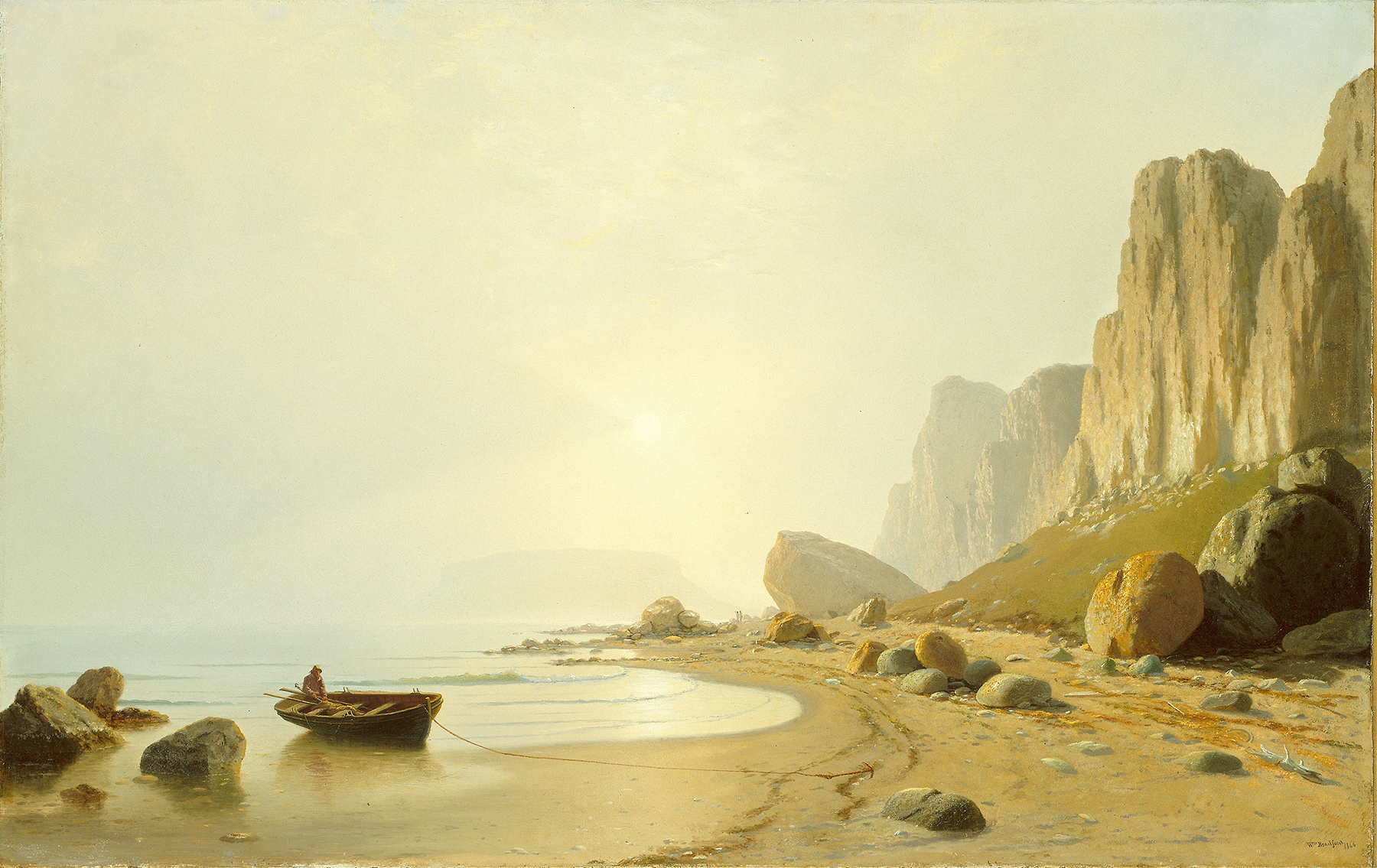
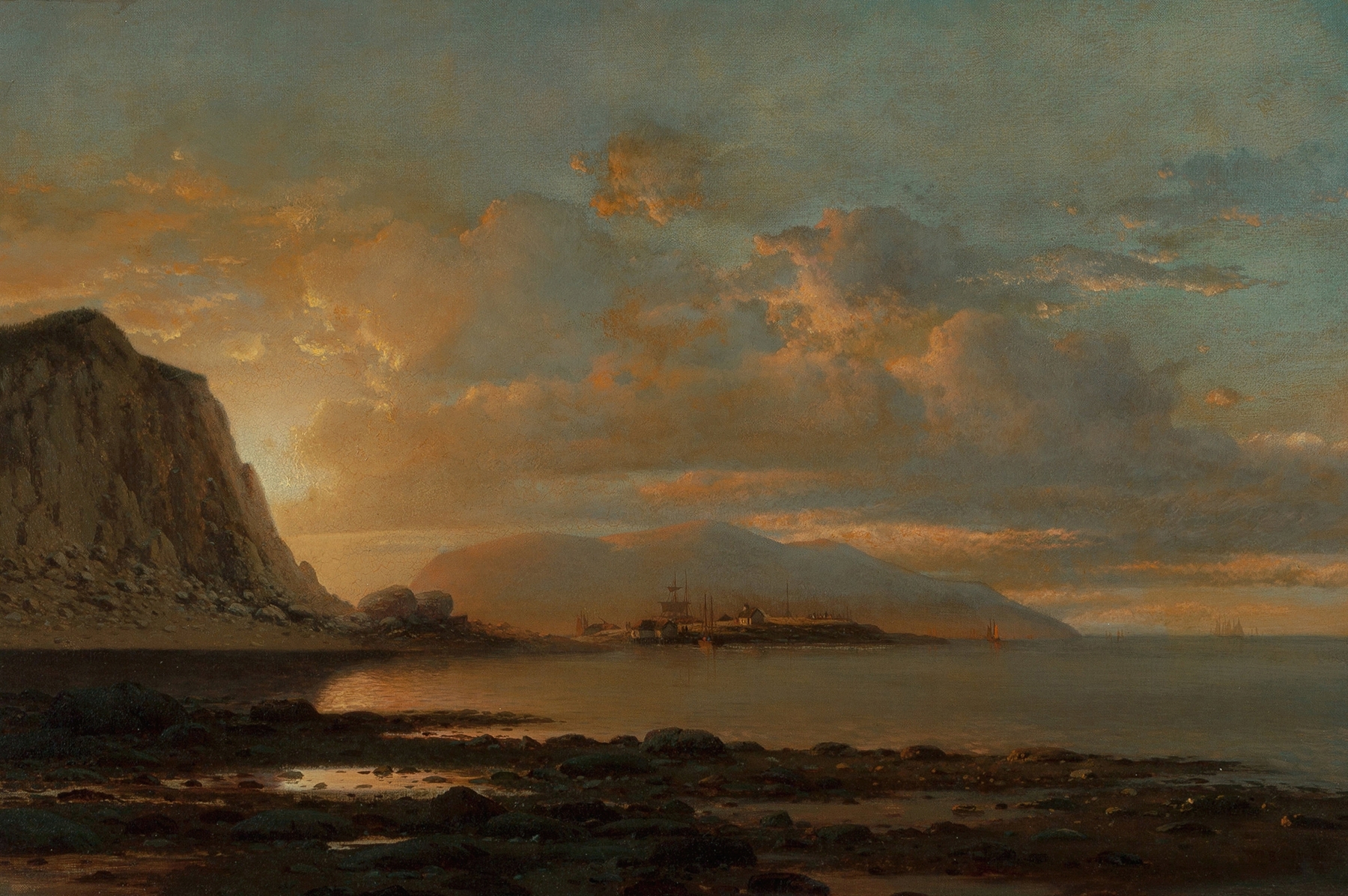
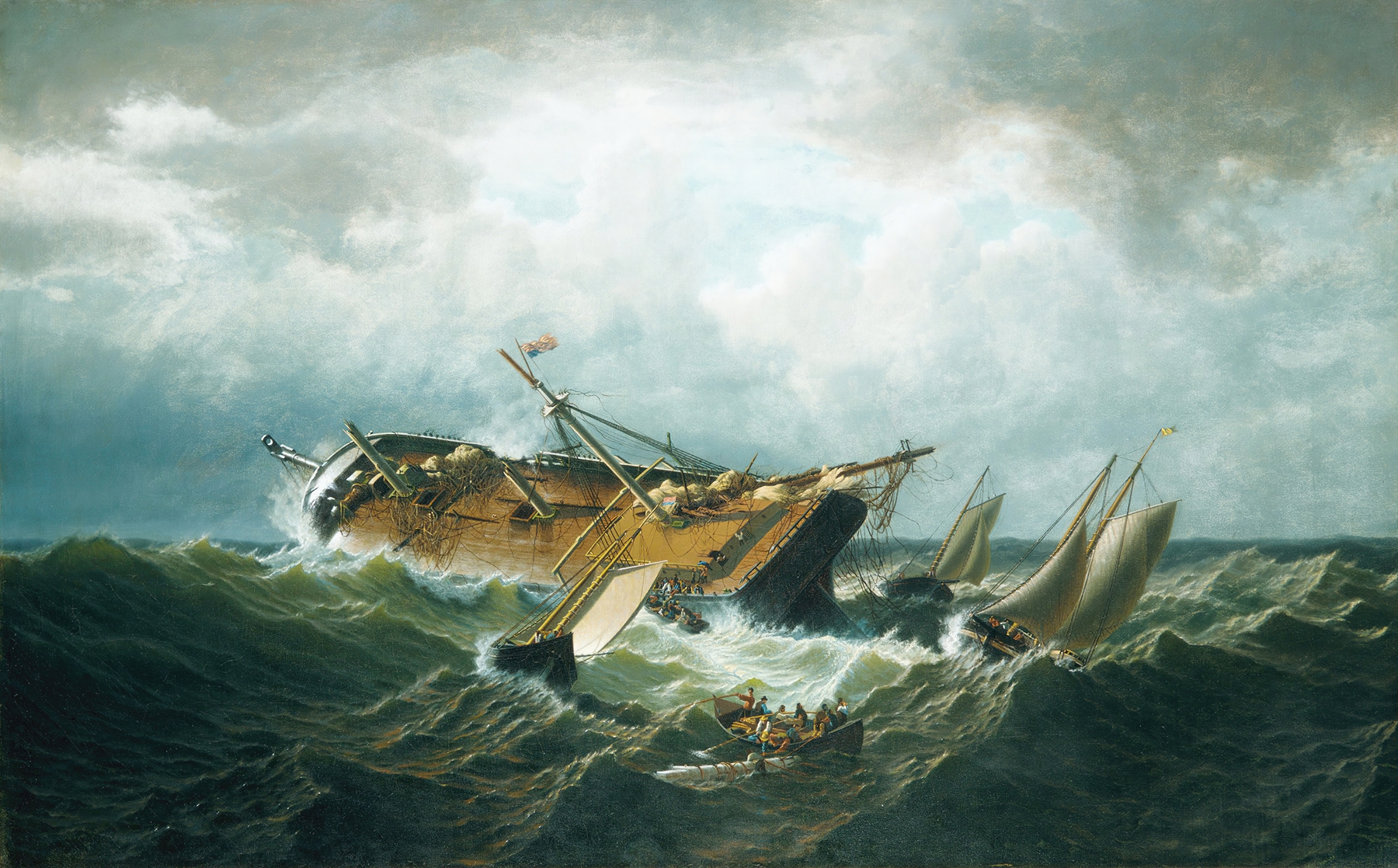
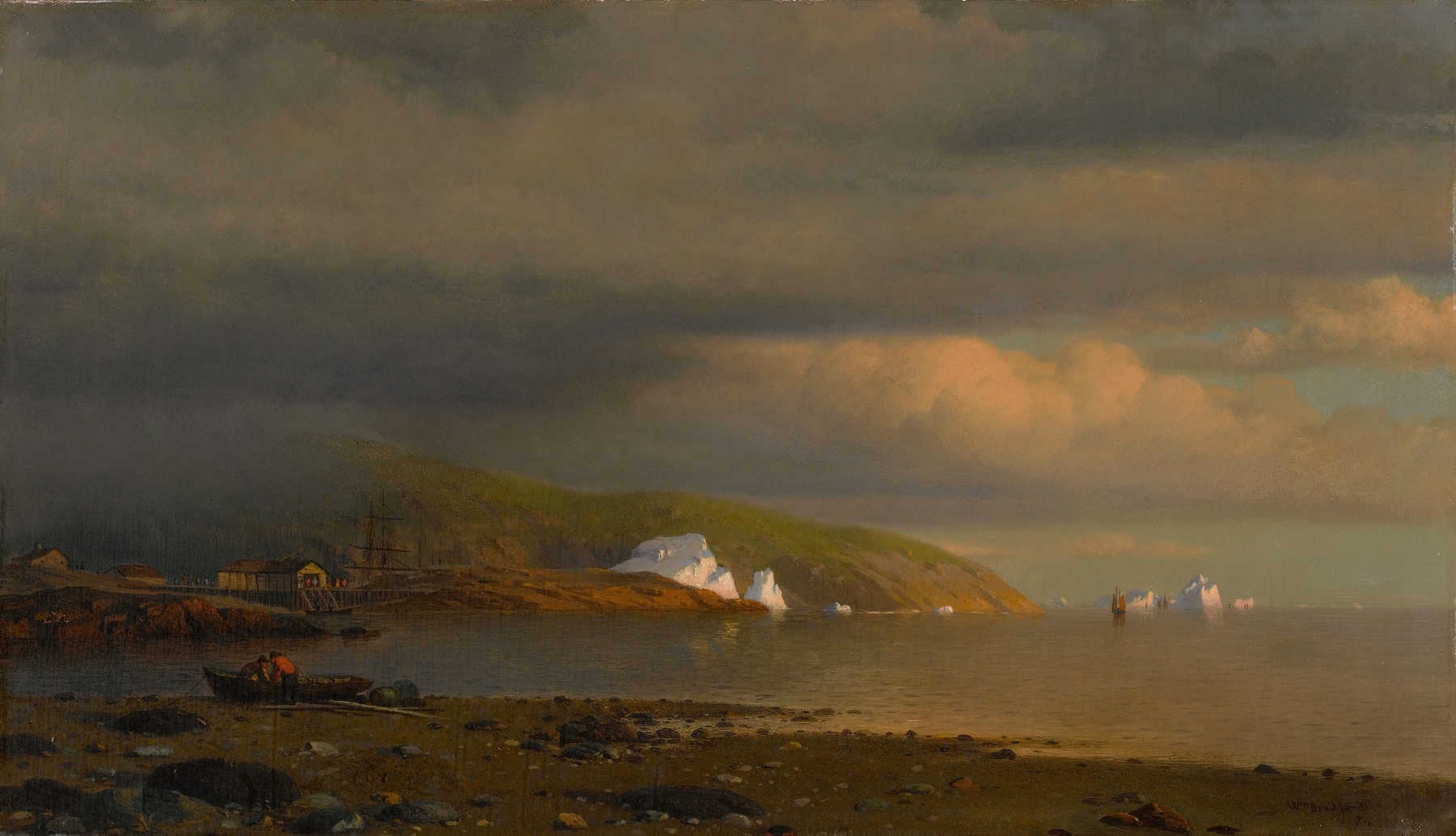
Where does light end, and longing begin? This question echoes through the layers of Coastal Rocks, Nahant; A Sketch, inviting viewers to explore the interplay of nature and emotion in a fleeting moment of time. Look to the left at the jagged rocks, their rough surfaces carved by relentless waves. The gentle wash of azure and white hues meets the earthy browns and grays of the craggy formations, creating a dynamic yet harmonious contrast.
Notice how the sun's soft glow reflects off the water, illuminating the scene with a warm, inviting light that beckons the viewer closer. As you trace the artist's strokes, feel the immediacy of the moment captured — the fluidity of water against the steadfastness of stone. Beneath the surface, this work speaks to a deeper truth about nature's permanence juxtaposed with the transience of human experience. The tumultuous relationship between the rocks and the sea evokes a sense of longing for stability amidst life's constant changes.
Each brushstroke holds a memory of the artist's journey, urging us to confront the realities of our existence against the backdrop of a landscape that endlessly endures. William Bradford created this piece during a time when America was beginning to embrace Romanticism, a movement that celebrated the sublimity of nature. Painted in the late 19th century, he was deeply influenced by his explorations of the American coastline, capturing the essence of maritime life and the awe it inspired. His work reflects a period of personal introspection and artistic evolution, as he sought to convey not just the literal beauty of the landscape, but its emotional resonance as well.