Collioure en août — History & Analysis
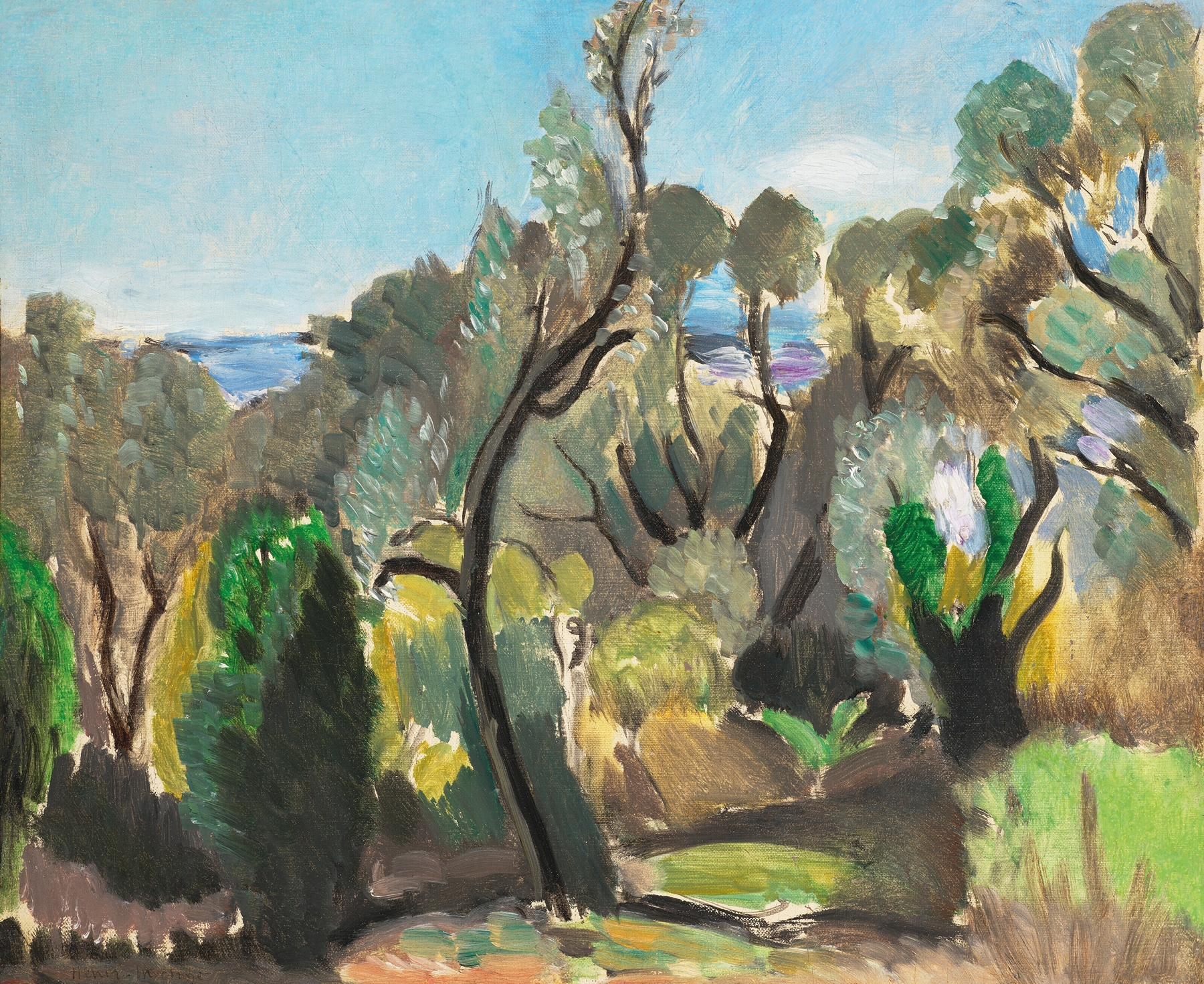
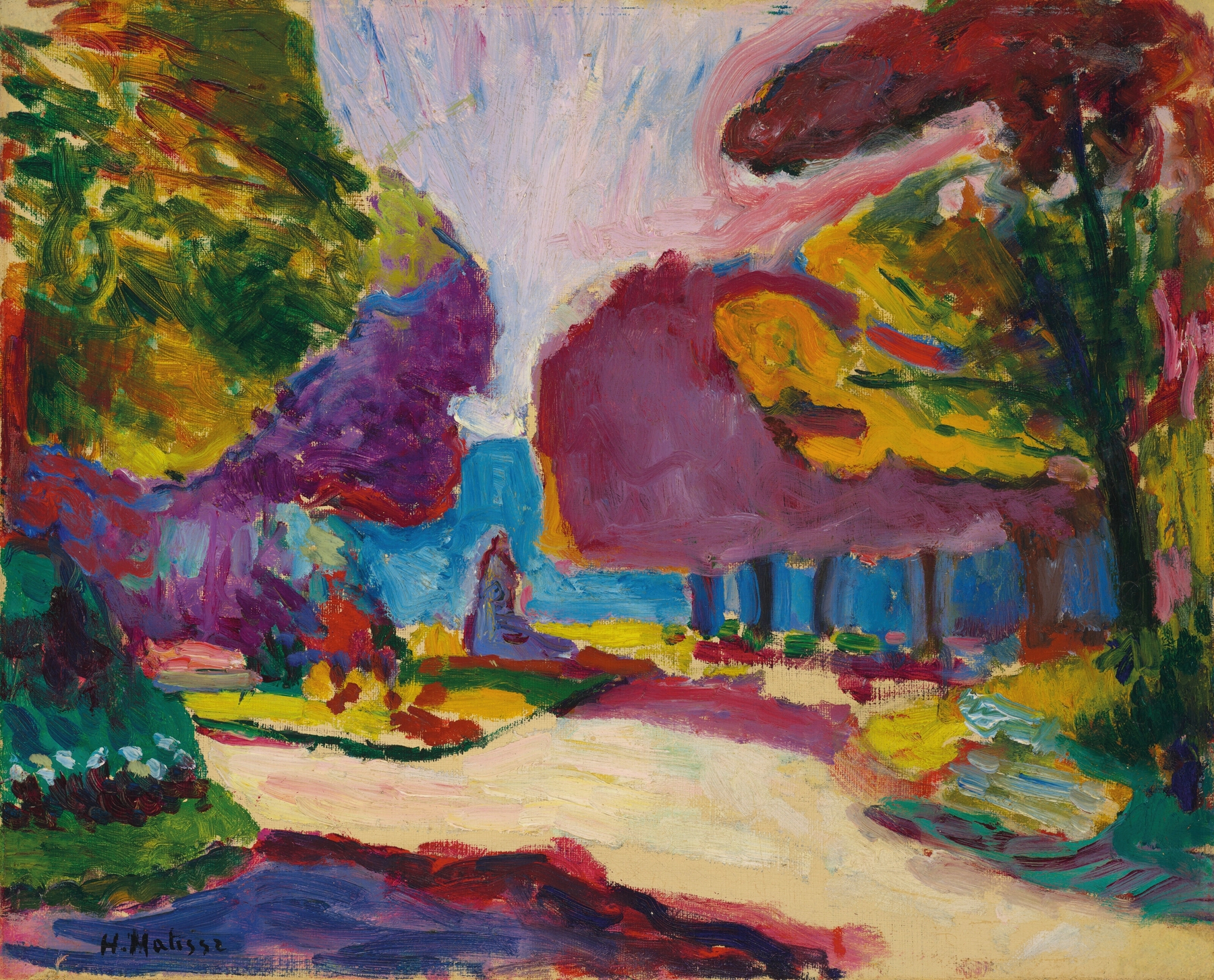
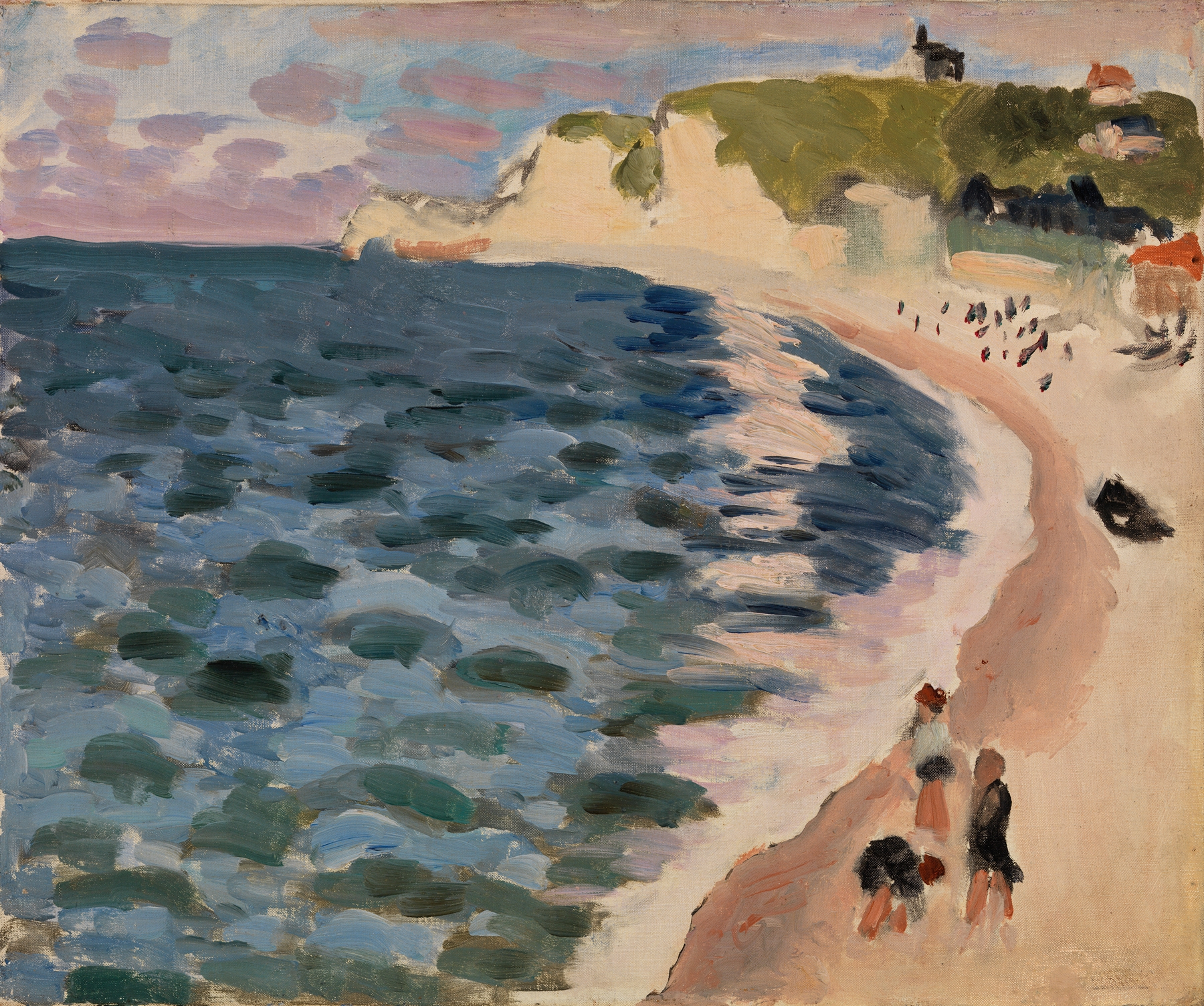
What secret hides in the quiet of the canvas? In Collioure en août, the vibrant hues and rhythmic brushstrokes invite the viewer to explore the awe-inspiring beauty of a coastal landscape that feels both familiar and transcendent. Look to the lower left at the intense blue of the sea; it dances with touches of green and turquoise. The sunlight spills over the water, casting reflections that shimmer like scattered jewels. Notice how the warm yellows and oranges of the buildings in the background clash harmoniously with the cool blues and greens, creating a vibrant contrast that breathes life into the piece.
Matisse's bold, loose brushwork draws the eye across the canvas, creating a sense of motion that captures the essence of summer. The work resonates with a profound tension between the stillness of the landscape and the vibrant energy of the colors. The juxtaposition of the calm sea and the lively hues evokes a sense of serenity interrupted by the pulse of life. The expansive sky, painted in soft pastels, seems to promise endless possibilities, while the looming cliffs remind us of nature's grandeur and permanence.
This duality sparks a sense of awe, as if each viewer is invited to uncover their own interpretation of the tranquility and vitality entwined within the scene. Henri Matisse painted Collioure en août in 1911 during a significant period in his artistic journey. Living in the south of France, he was immersed in the vibrant light and color of the landscape, which influenced his use of bold color palettes. This work emerged at a time when he and his contemporaries were redefining the boundaries of art, moving beyond Impressionism into a more expressive and modern interpretation of visual experience.