Paysage avec cyprès et oliviers aux environs de Nice — History & Analysis
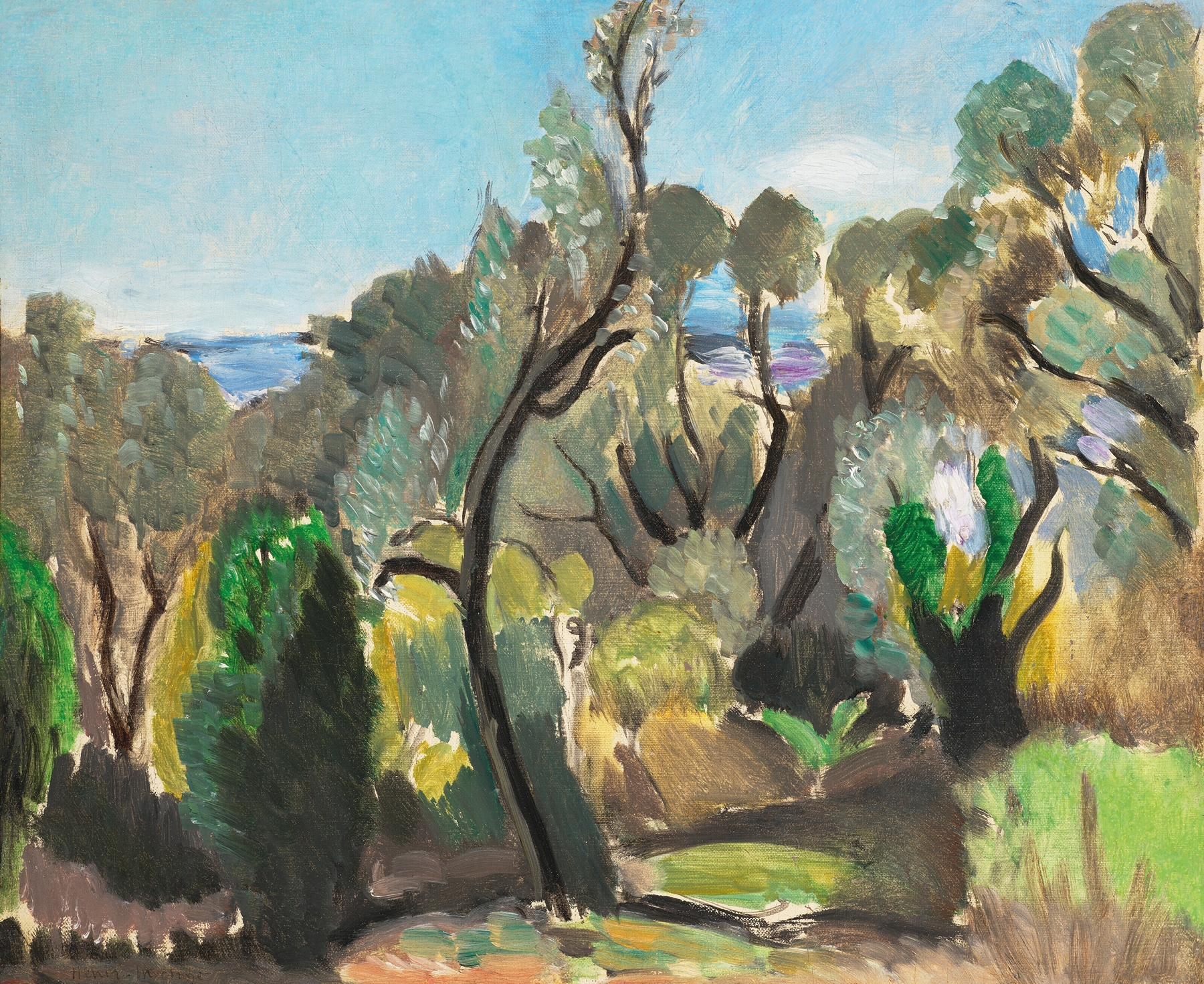
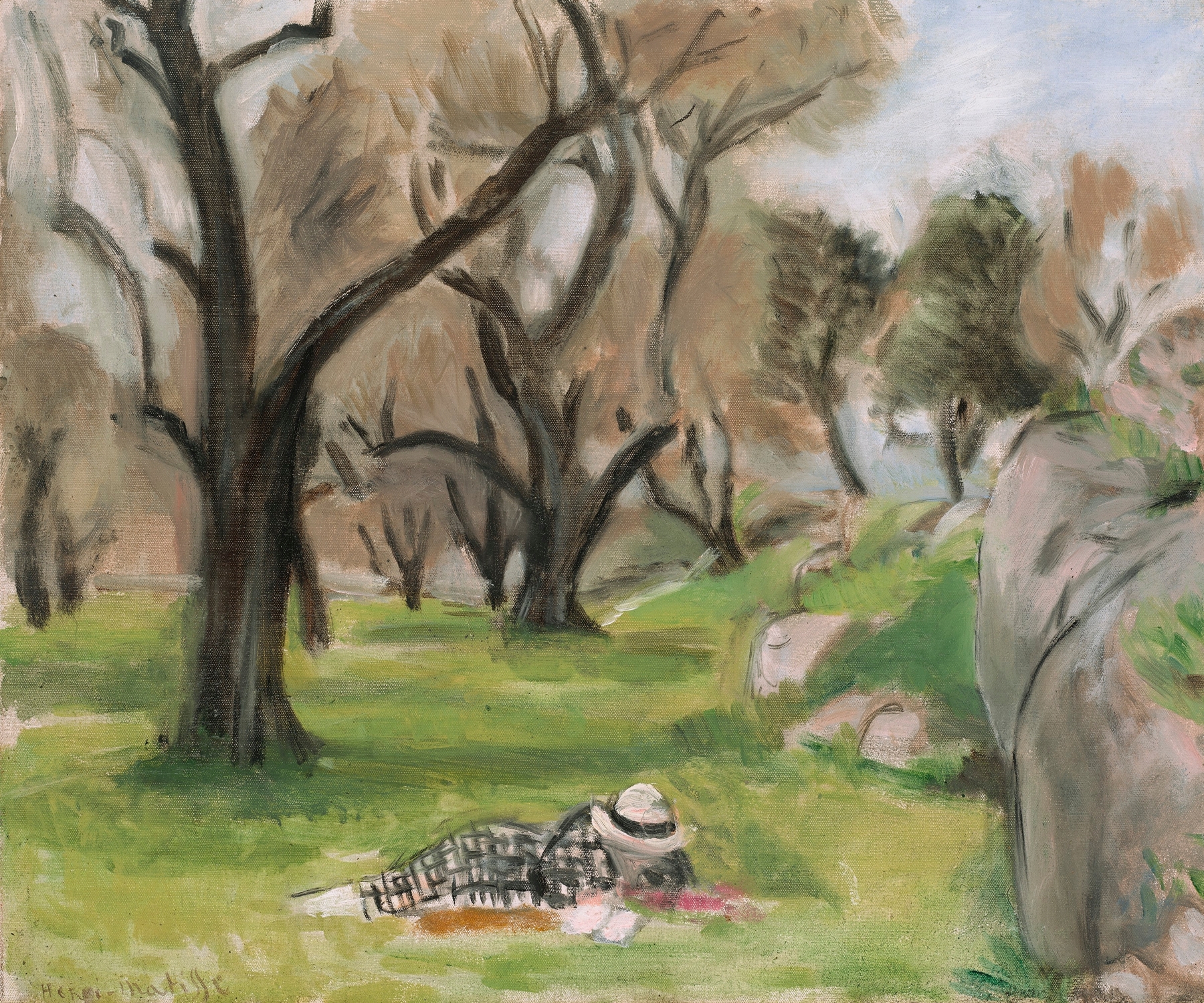
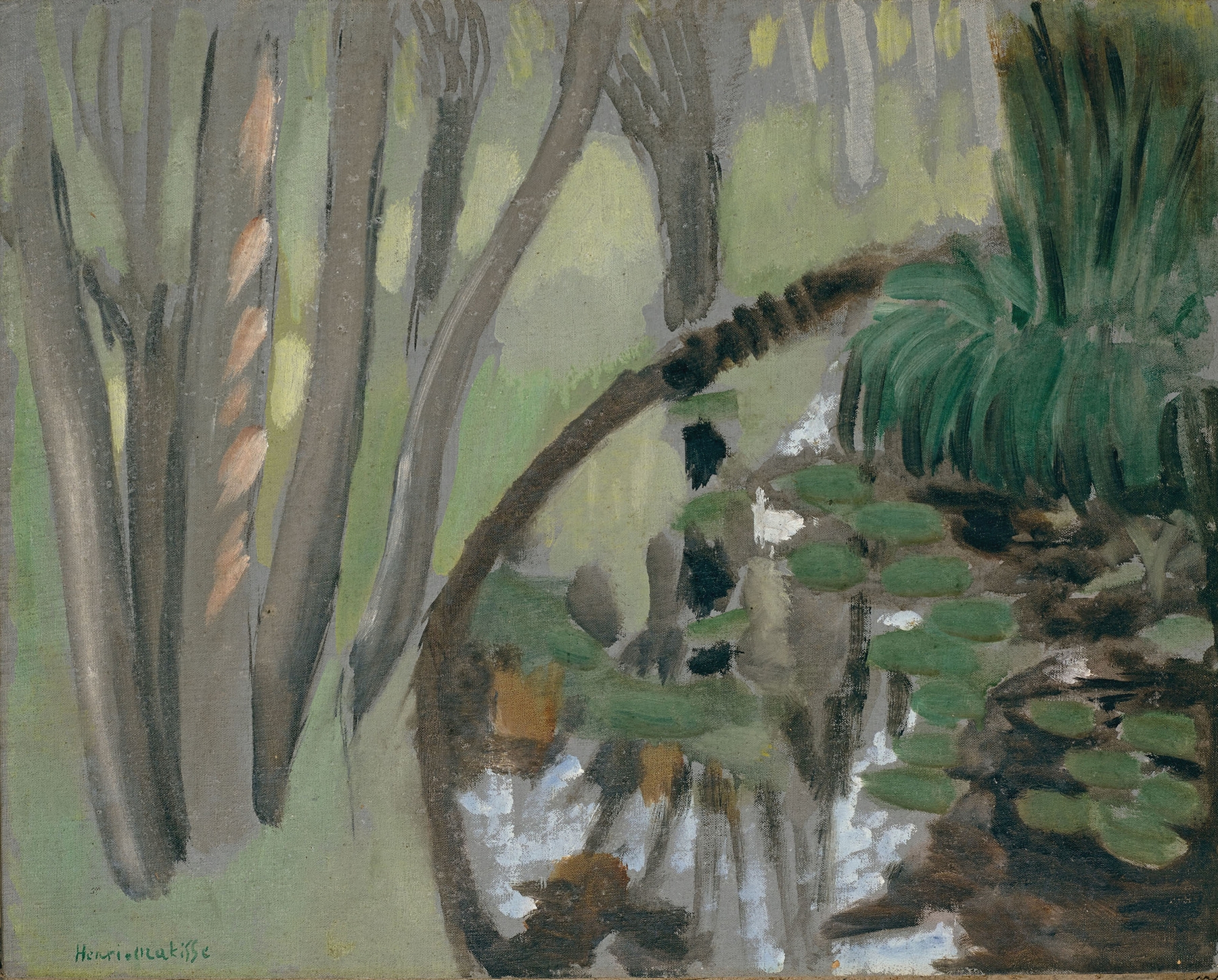
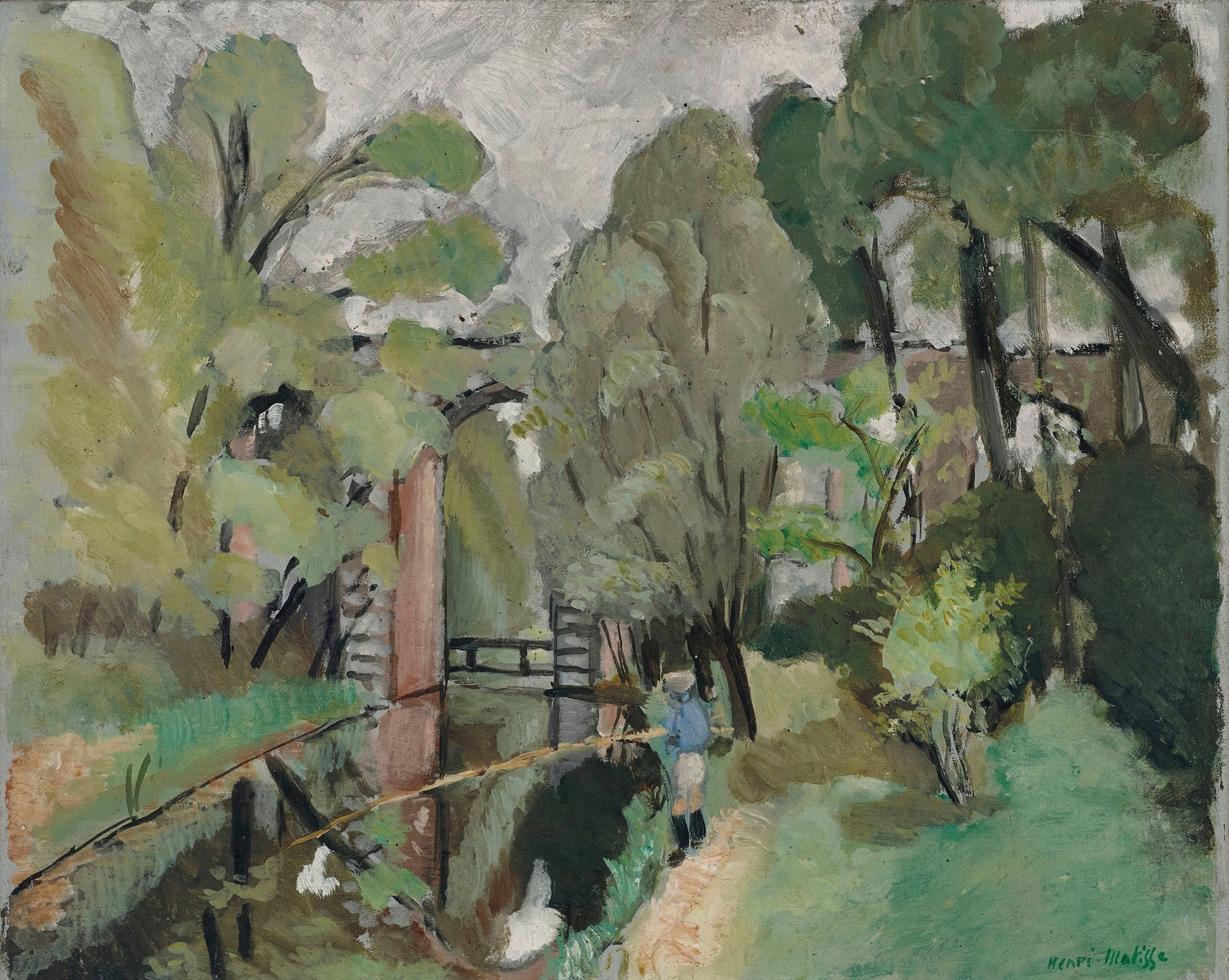
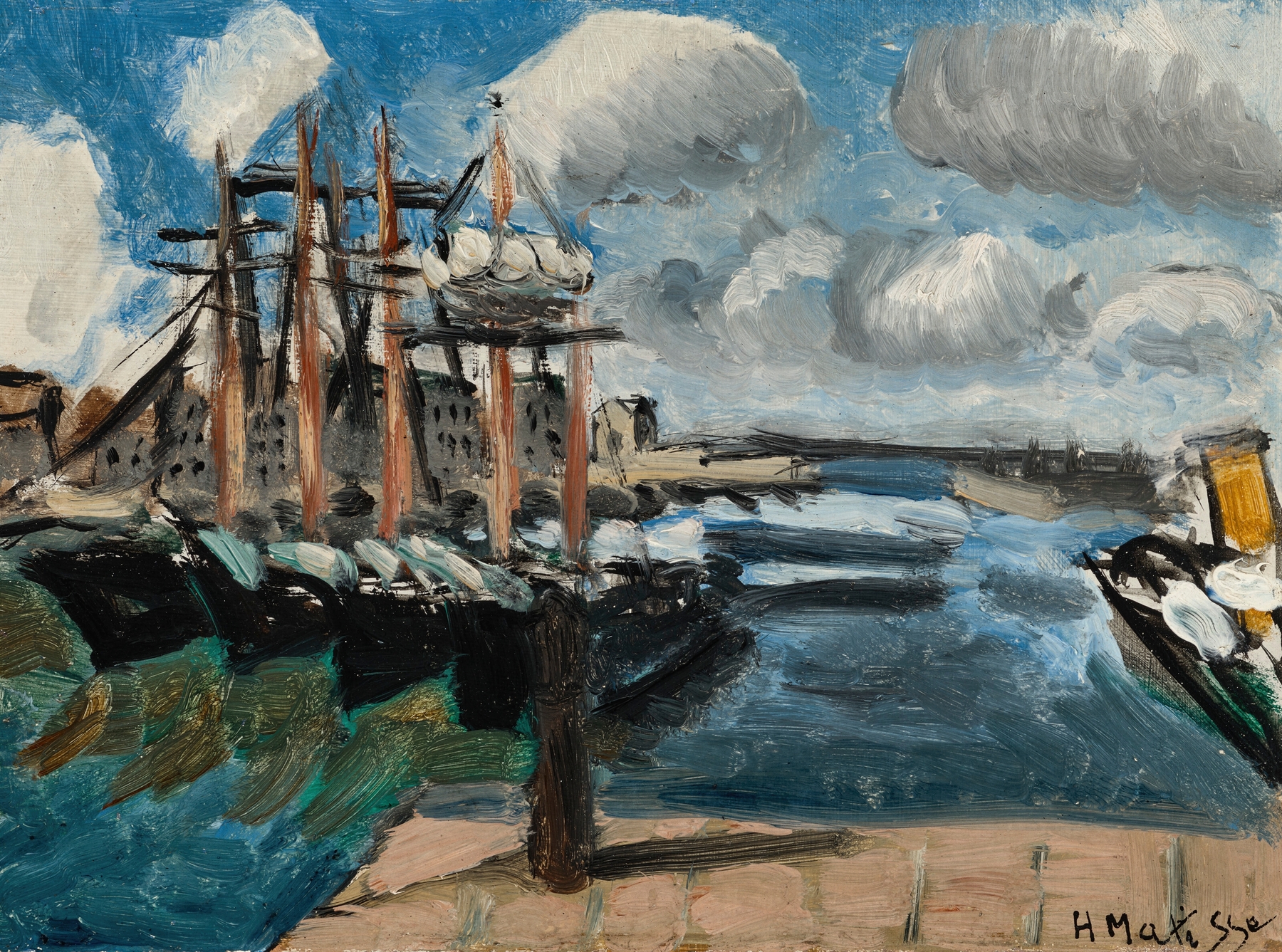
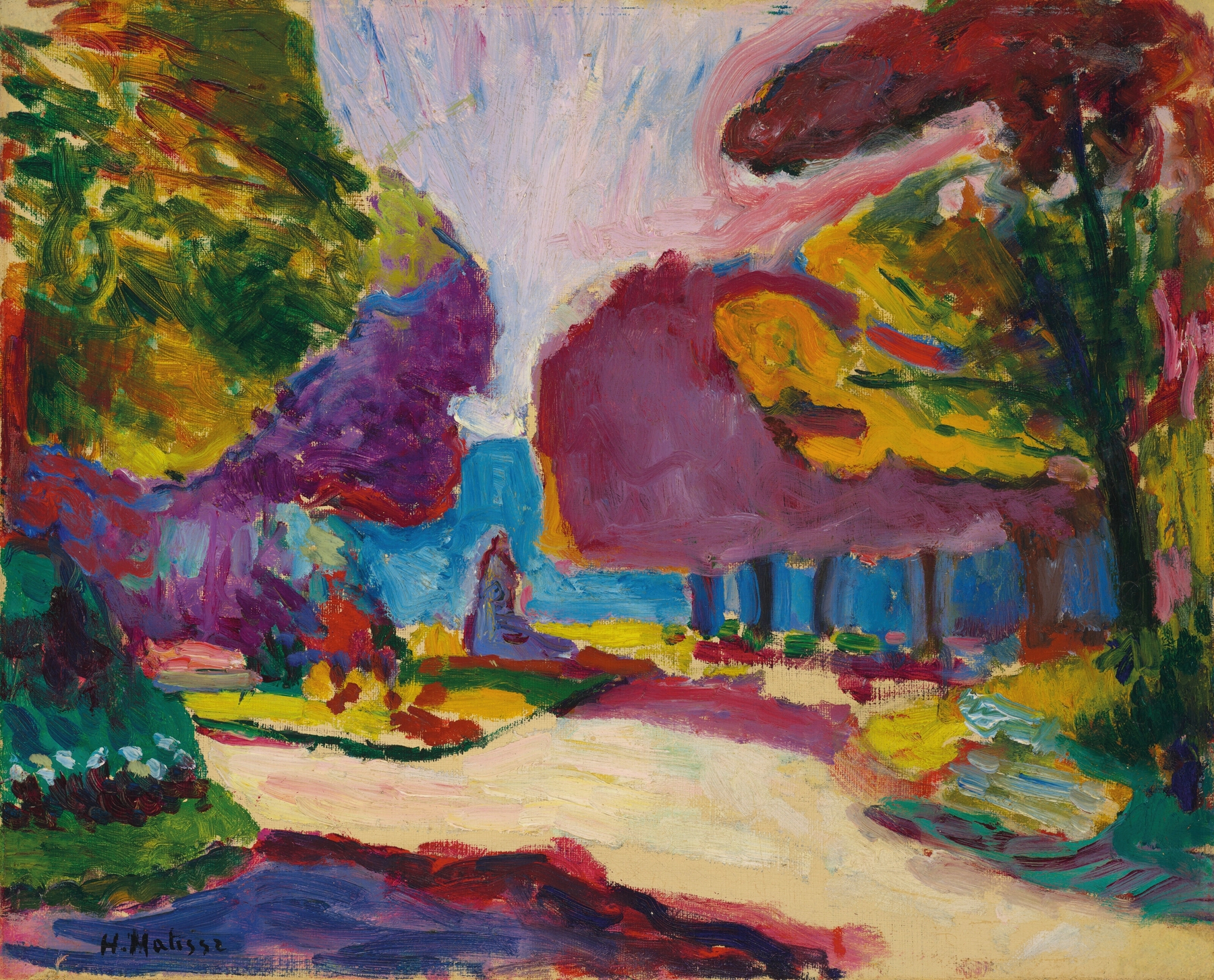
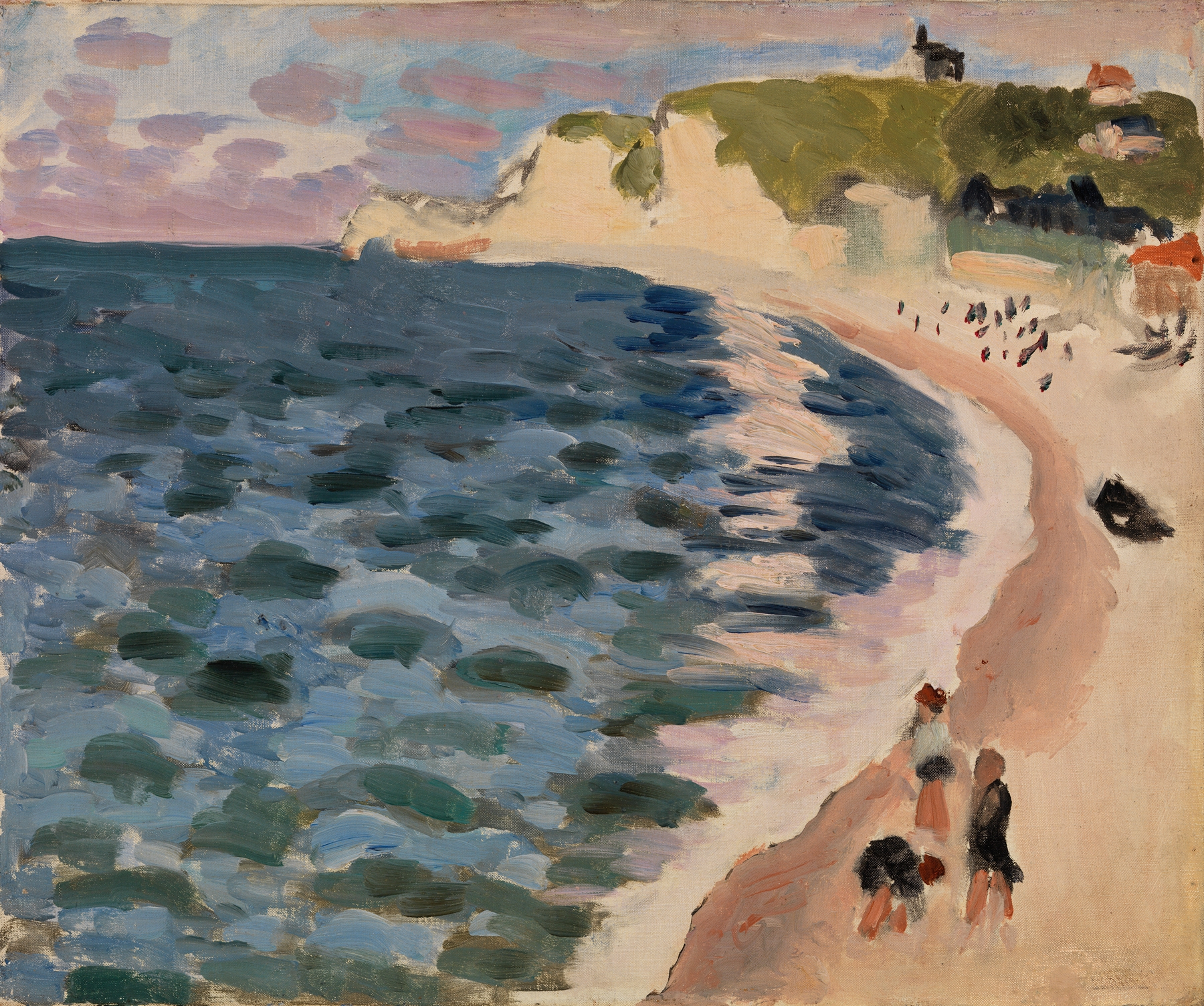
Can beauty exist without sorrow? In Paysage avec cyprès et oliviers aux environs de Nice, Henri Matisse invites us to contemplate this question through the lens of his vibrant palette and emotive forms. Look to the left at the towering cypress trees, their deep greens contrasting with the warm, sunlit yellows and oranges spilling across the landscape. Notice how the olive trees curve gracefully, their silvery leaves shimmering in the radiant light.
The brush strokes are bold and confident, creating a sense of movement as if the scene breathes with life, while the horizon line, gently undulating, pulls you into a world both serene and charged with unspoken tension. Delve deeper into the composition and observe the tension between the vivid colors and the starkness of the forms. The juxtaposition of the joyful landscape against the emotional weight of the cypress, often a symbol of mourning, suggests an intricate dance between life and loss. Matisse captures a fleeting moment of beauty that hints at the violence of the world just beyond the frame, an echo of the upheaval caused by World War I that permeated the environment in which he painted.
In 1918, while residing in Nice, Matisse was immersed in a world grappling with the aftermath of war. His vibrant yet introspective style evolved during this tumultuous period, reflecting a search for peace amid chaos. As Europe began to heal, the artist sought solace in the natural beauty surrounding him, yet his works resonate with the complex emotions of a society in recovery, making this landscape not just a depiction of scenery, but a poignant commentary on the human condition.