Paysage aux environs de Nice ou Les Oliviers ou Coin du Mont-Boron — History & Analysis
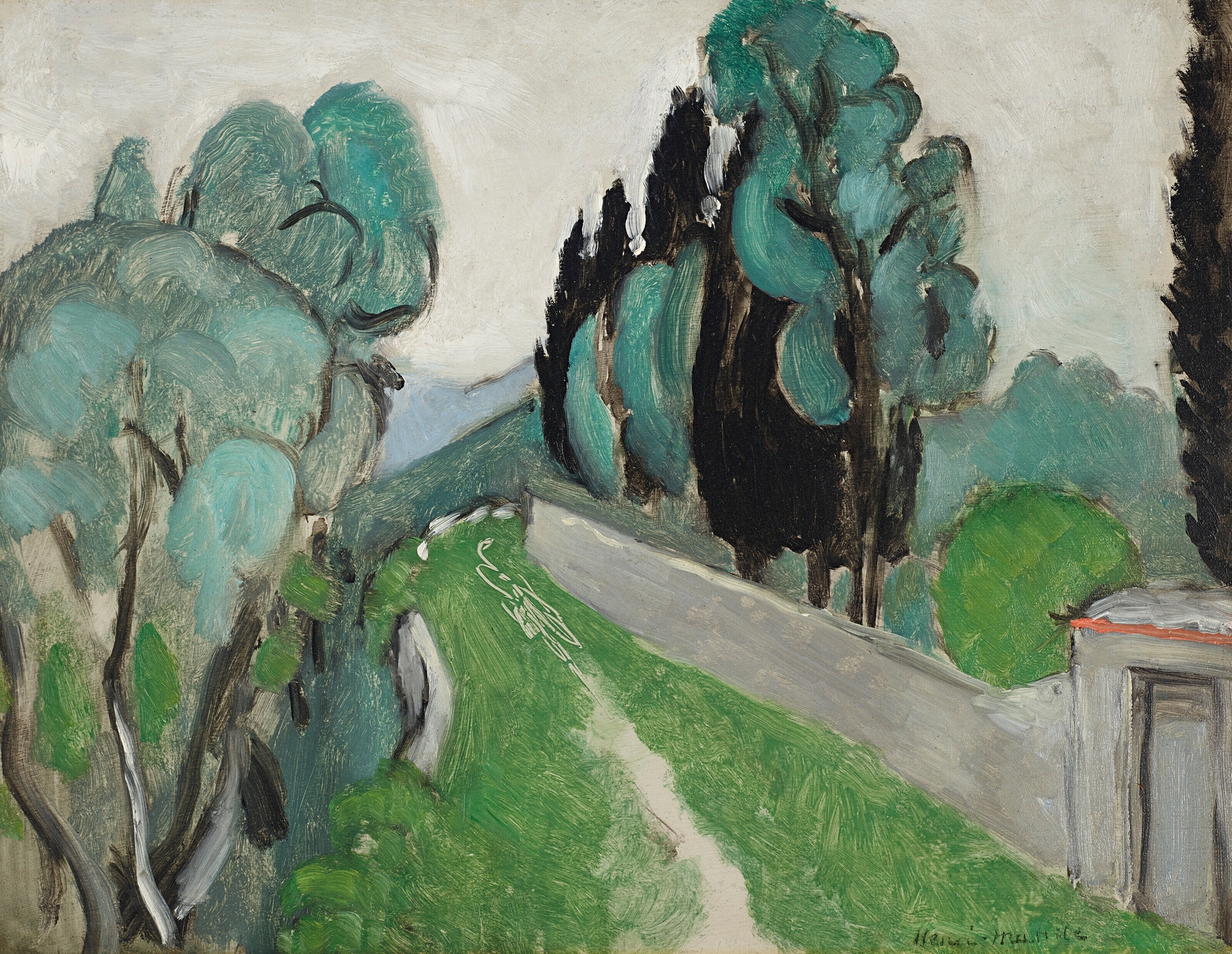
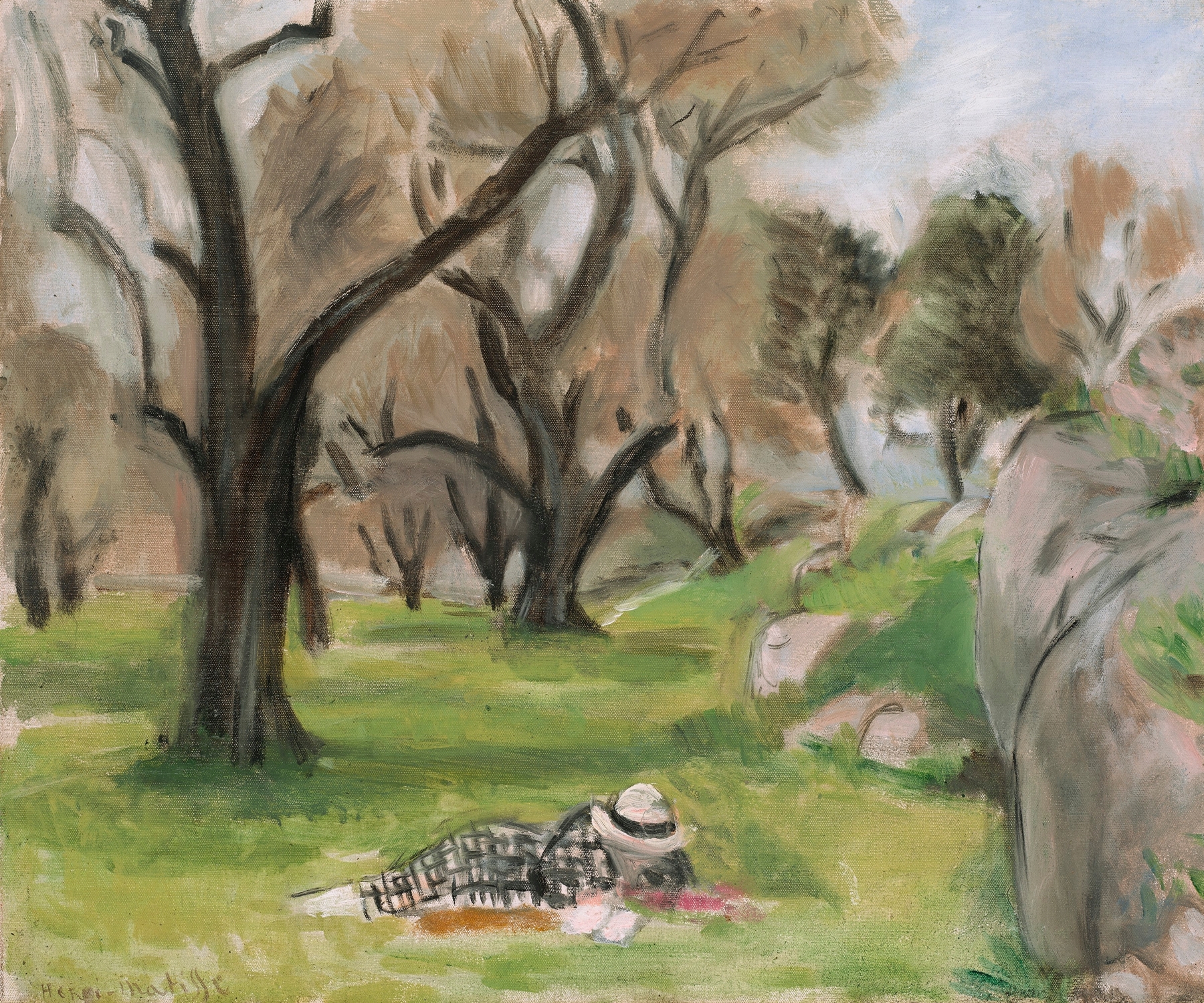
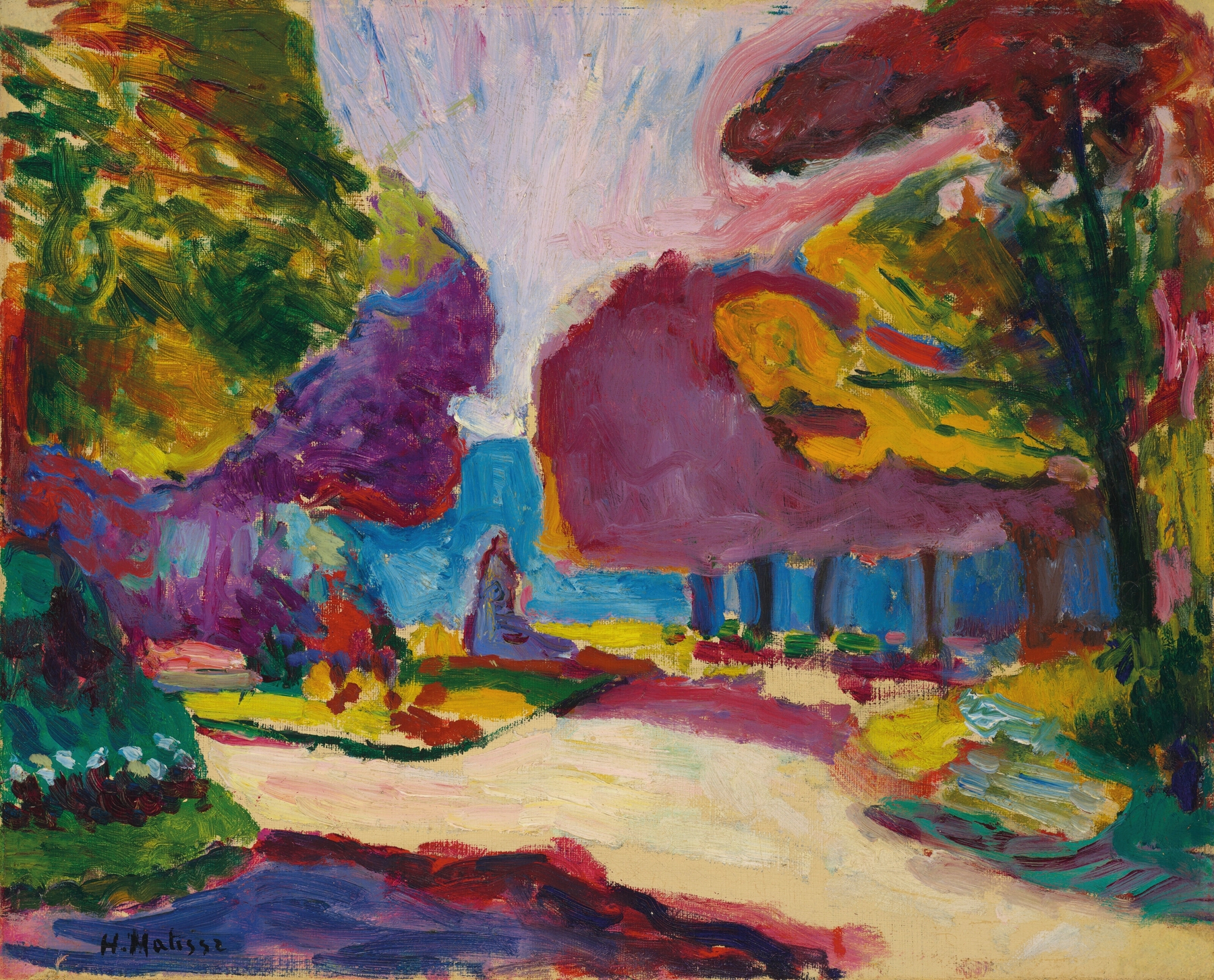
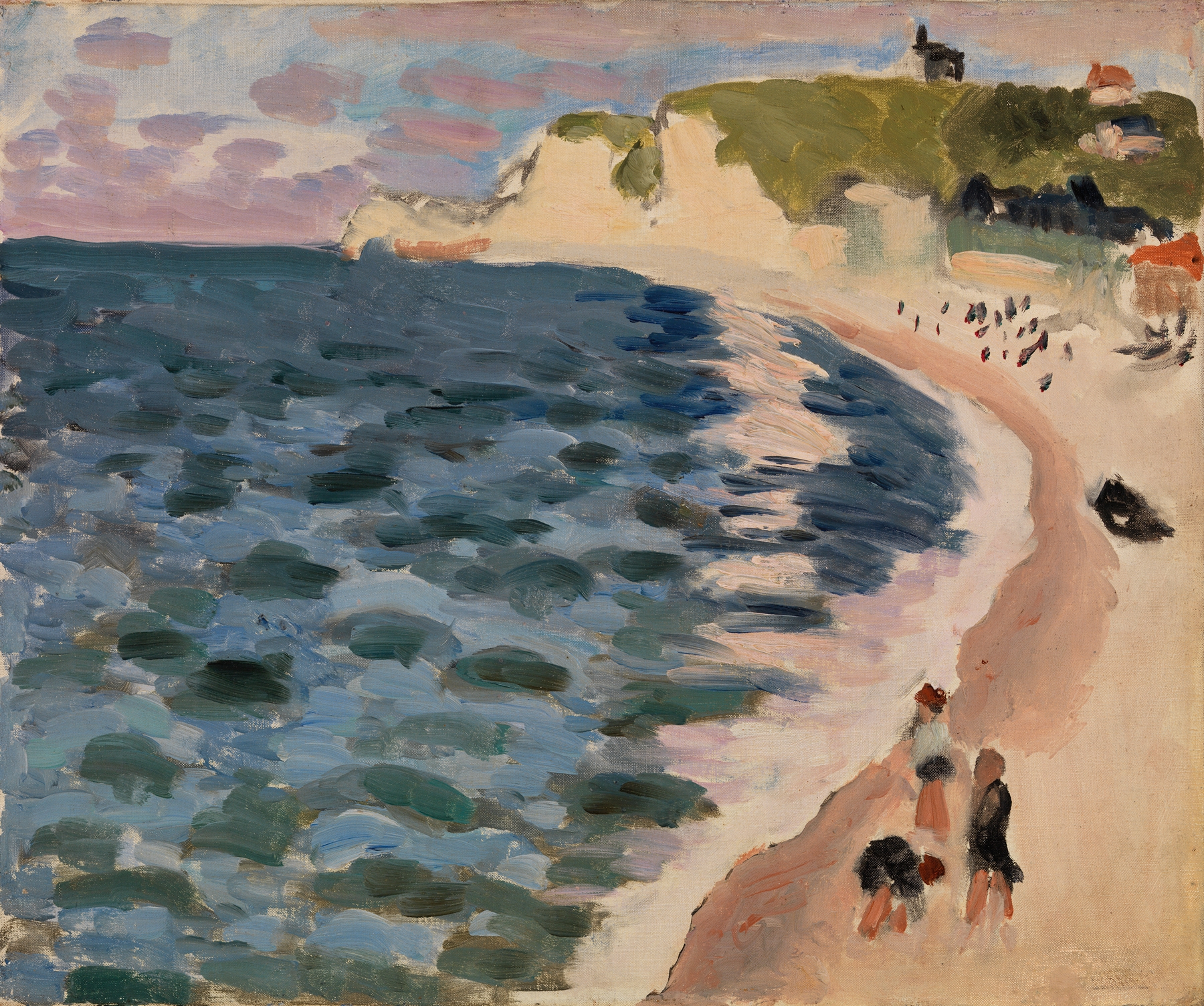
“Art reveals the soul when the world turns away.” In the serene embrace of a sun-drenched landscape, destiny unfolds quietly through the strokes of the brush, revealing the essence of life itself. Look to the left at the sweeping curves of olive trees, their gnarled branches whispering tales of resilience. The vibrant greens and soft blues blend harmoniously, inviting the eye to wander across the canvas. Notice how the light cascades down from the sky, dappling the ground with flickering shadows that dance playfully among the foliage.
Matisse’s bold color palette, infused with a sense of joy, brings forth the tranquility of this idyllic scene, while the brushwork feels both spontaneous and deliberate, as if capturing the very pulse of nature. Amidst the stunning beauty lies a tension between serenity and the ever-present march of time. The olive trees, symbols of peace and endurance, seem to echo the artist’s own quest for solace during a tumultuous era. Each stroke carries an emotional weight, reflecting the complexity of existence—where moments of stillness are peppered with the hum of destiny.
This landscape serves as a reminder that even in the quietness of nature, life’s intricate pathways are woven together, revealing connections unseen. In 1918, Paysage aux environs de Nice ou Les Oliviers emerged from Matisse's brush as he settled in the south of France, seeking refuge from the chaos of the First World War. The painting reflects a period of personal and artistic evolution, as he explored bold colors and forms, distancing himself from traditional representation. It was a time when the world was reawakening, and in this moment, Matisse found both a physical and emotional landscape to express the profound interplay of life and destiny.