Paysage du Midi — History & Analysis
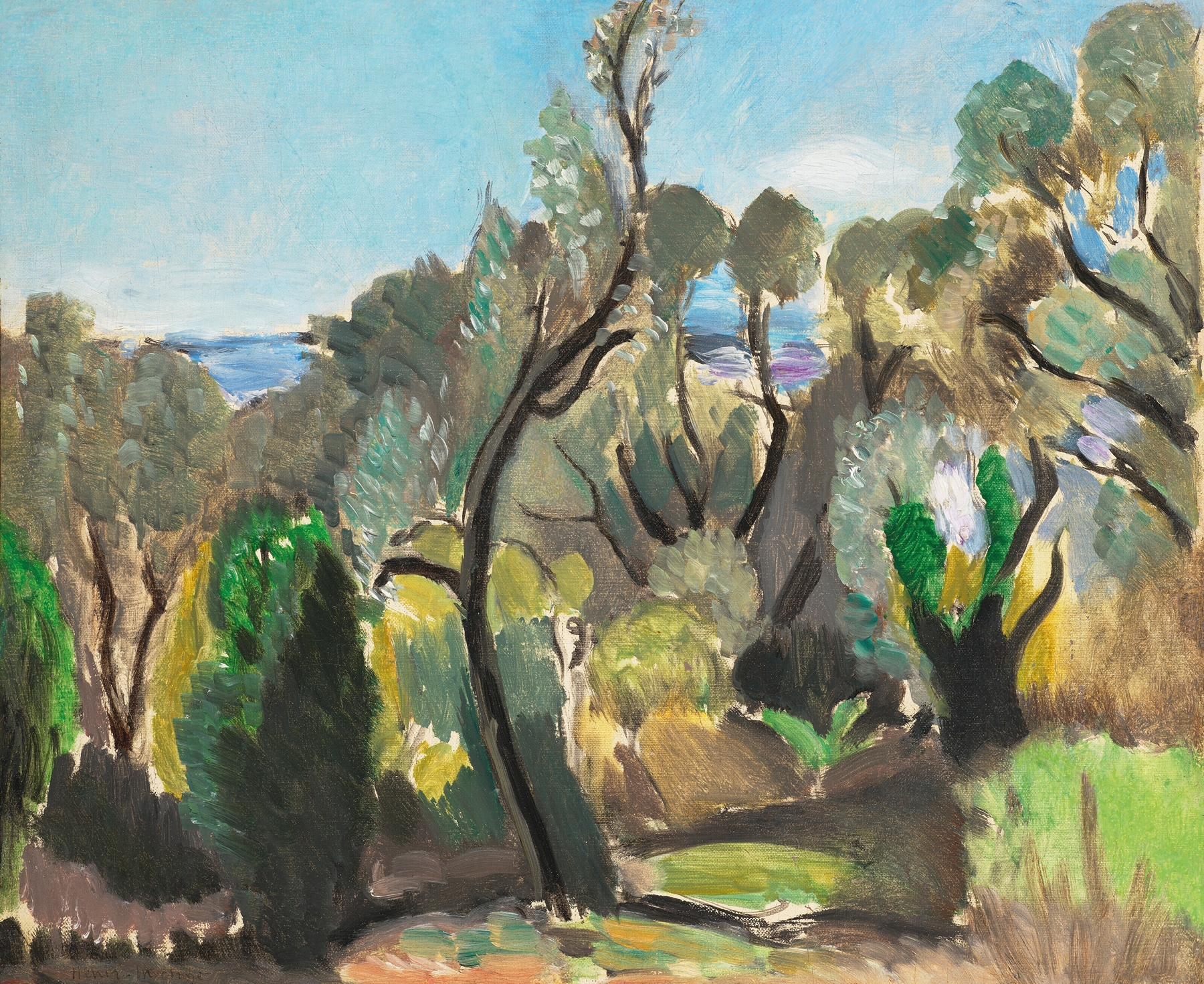
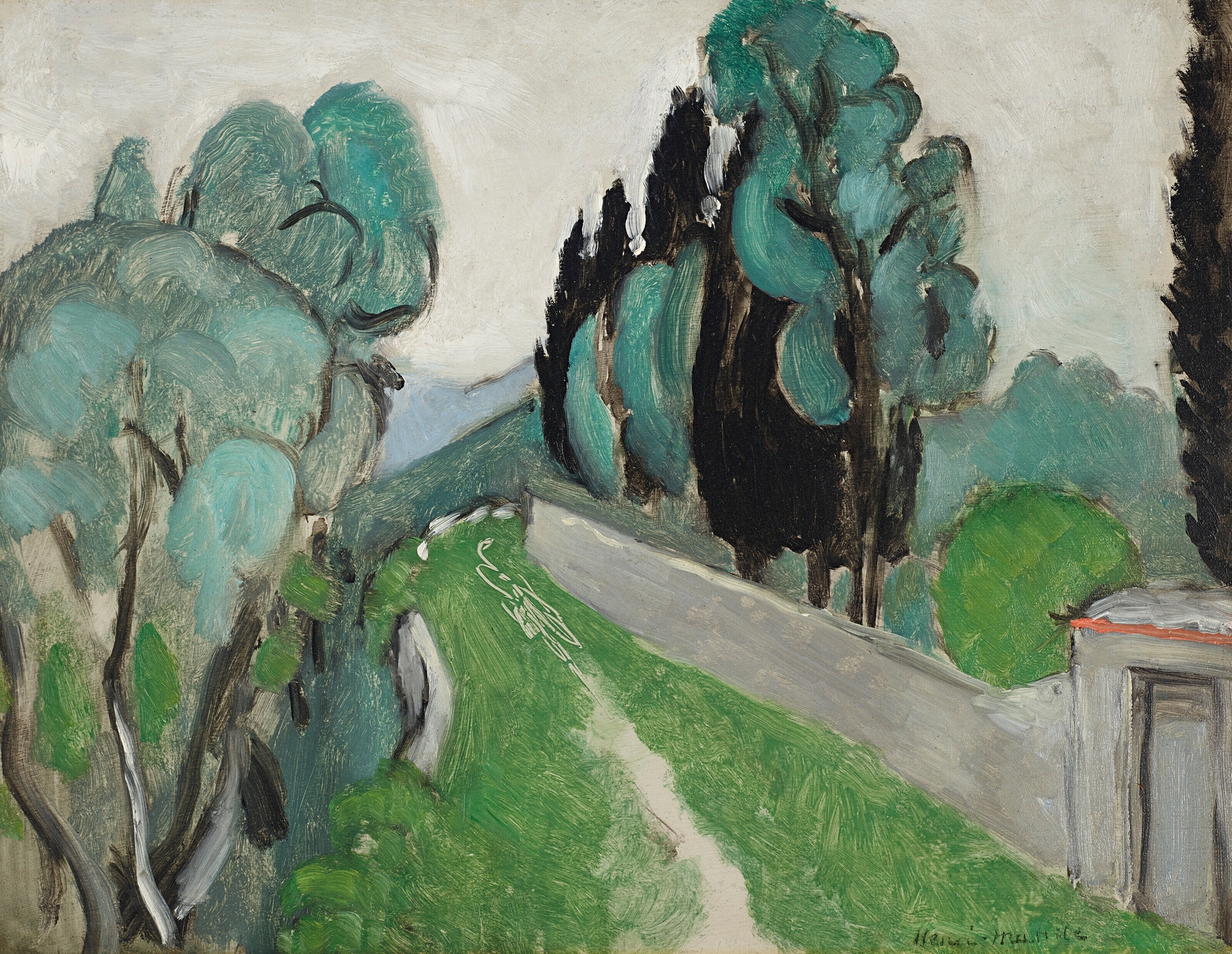
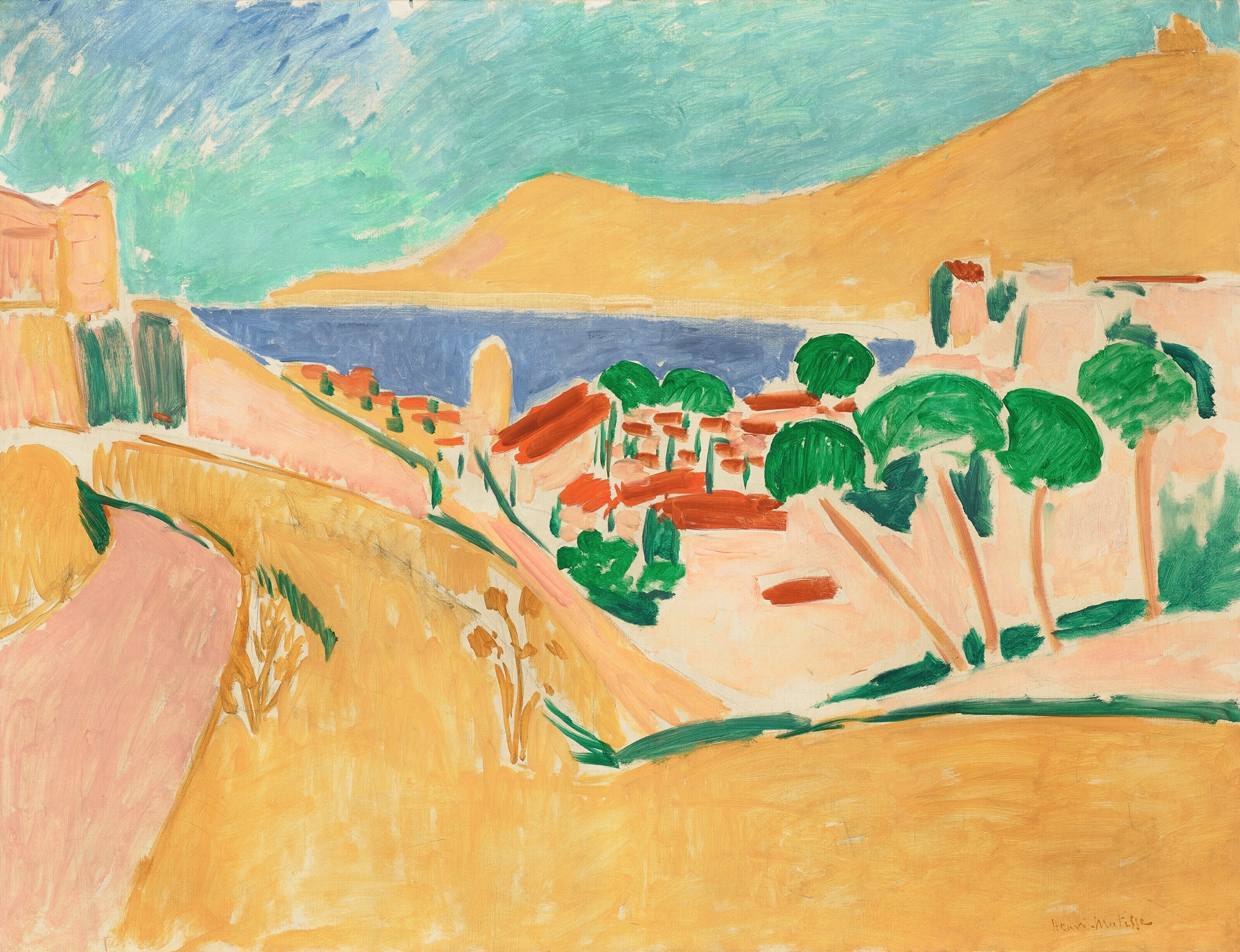
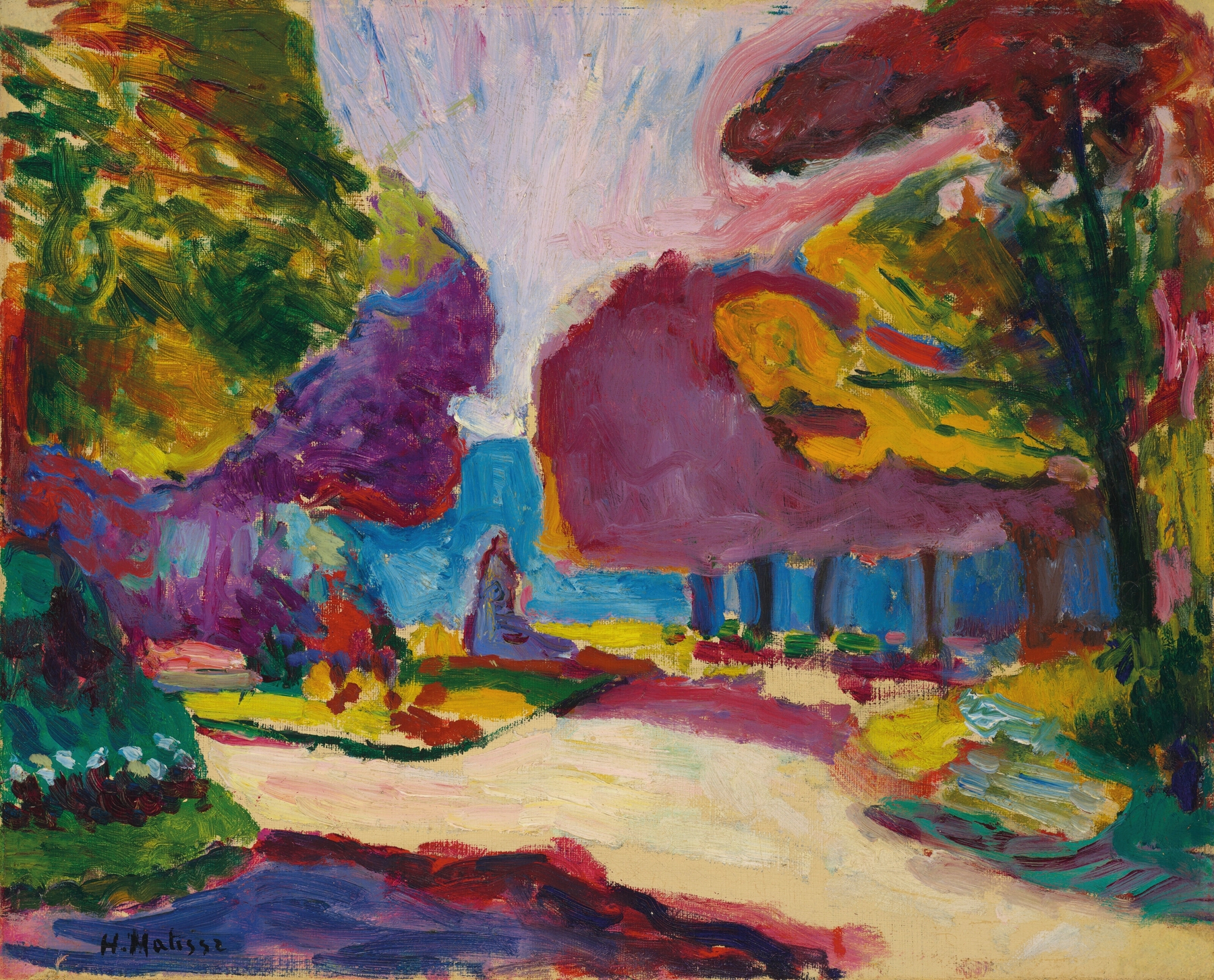
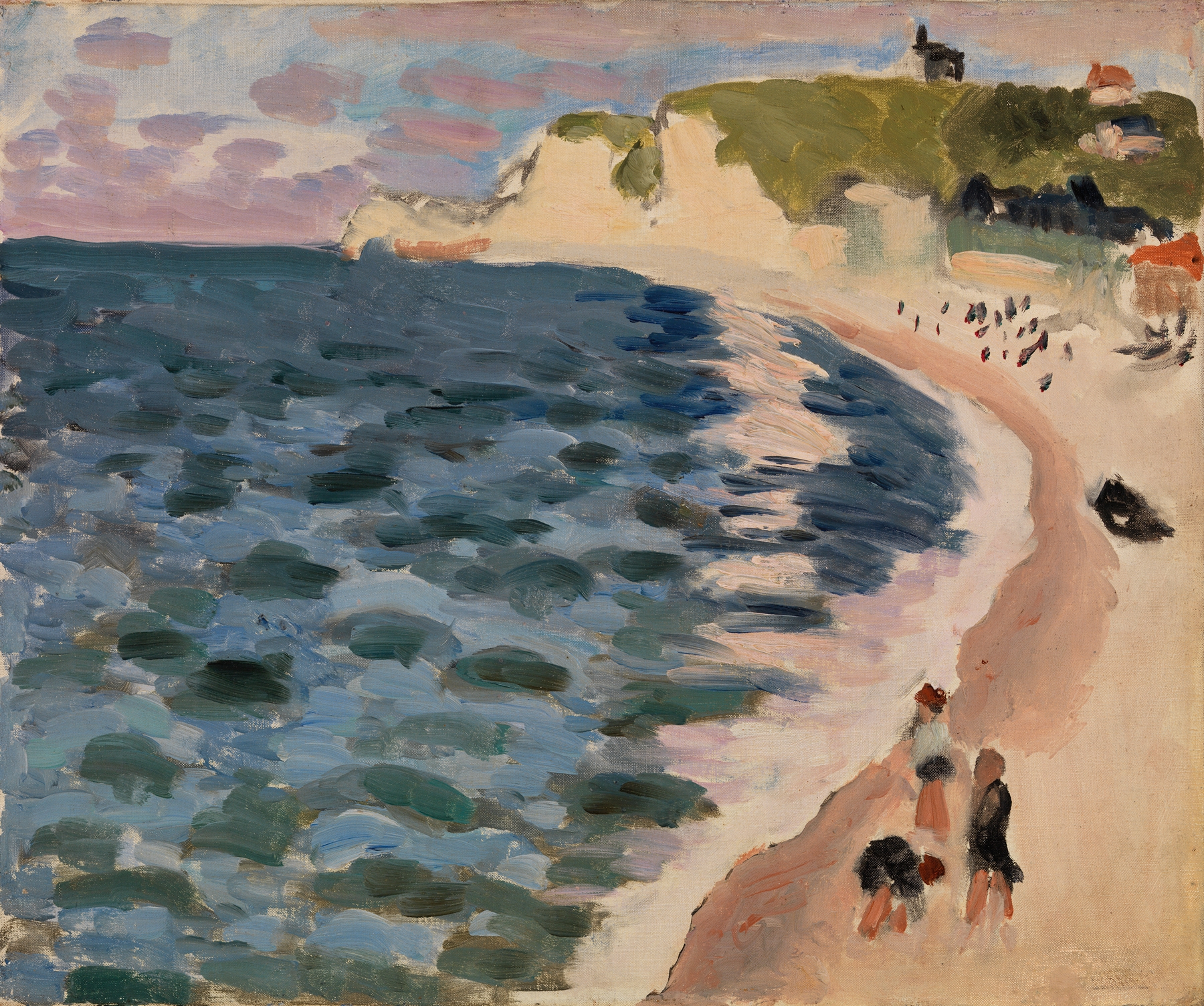
“Sometimes beauty is just pain, disguised in gold.” The vibrant hues of the landscape shimmer with an allure that both captivates and unsettles, inviting us to explore the depths of its emotional resonance. Look to the lower center of the canvas, where rich green fields ripple like a soft wave under a sun-drenched sky. Matisse’s bold brushstrokes create a dynamic interplay between the vivid blues and the warm yellows, drawing your eye toward the horizon where land meets sky. The sun seems to spill golden light across the scene, illuminating the contours of hills that rise and fall in undulating serenity, while shadows flirt playfully at their edges.
Delve deeper into the splashes of color, and you’ll uncover an intricate dialogue between tranquility and tension. The intense palette evokes a sense of joy, yet hints at the fleeting nature of beauty, suggesting a profound transience beneath its surface. The sharp contrast between the serene landscape and the aggressive strokes gives rise to a tension that reflects the complexities of human emotion, revealing how awe can exist alongside unease.
In 1923, Matisse painted this work during a pivotal era of his career, transitioning from Fauvism towards a more mature response to color and composition. Residing in France, he was exploring new methods and ideas, while the world around him was grappling with the aftershocks of the Great War. This period served as a crucible for his art, where he sought to encapsulate beauty and emotion amid the turbulence of modern existence.