Jardin du Luxembourg, Paris — History & Analysis
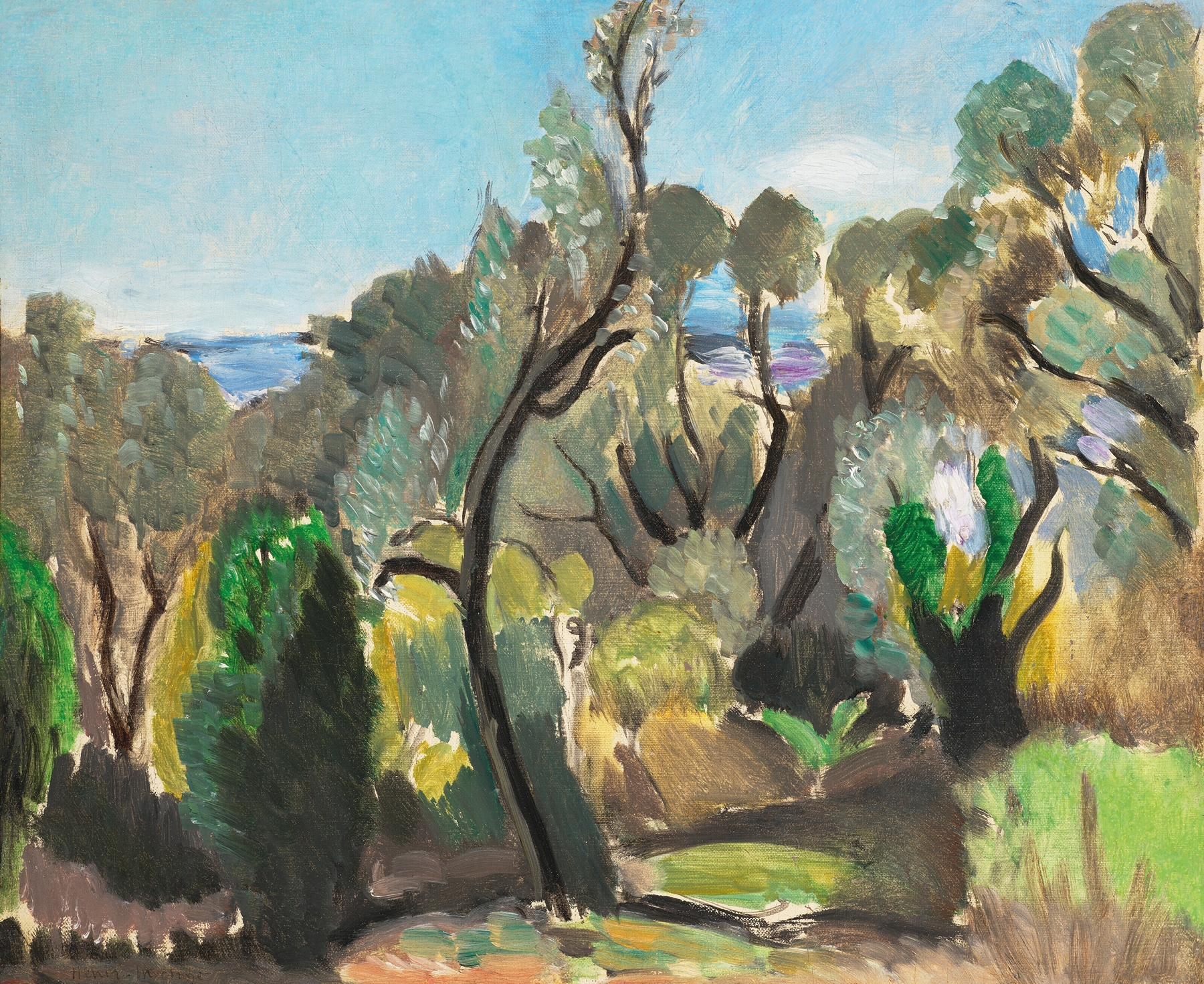
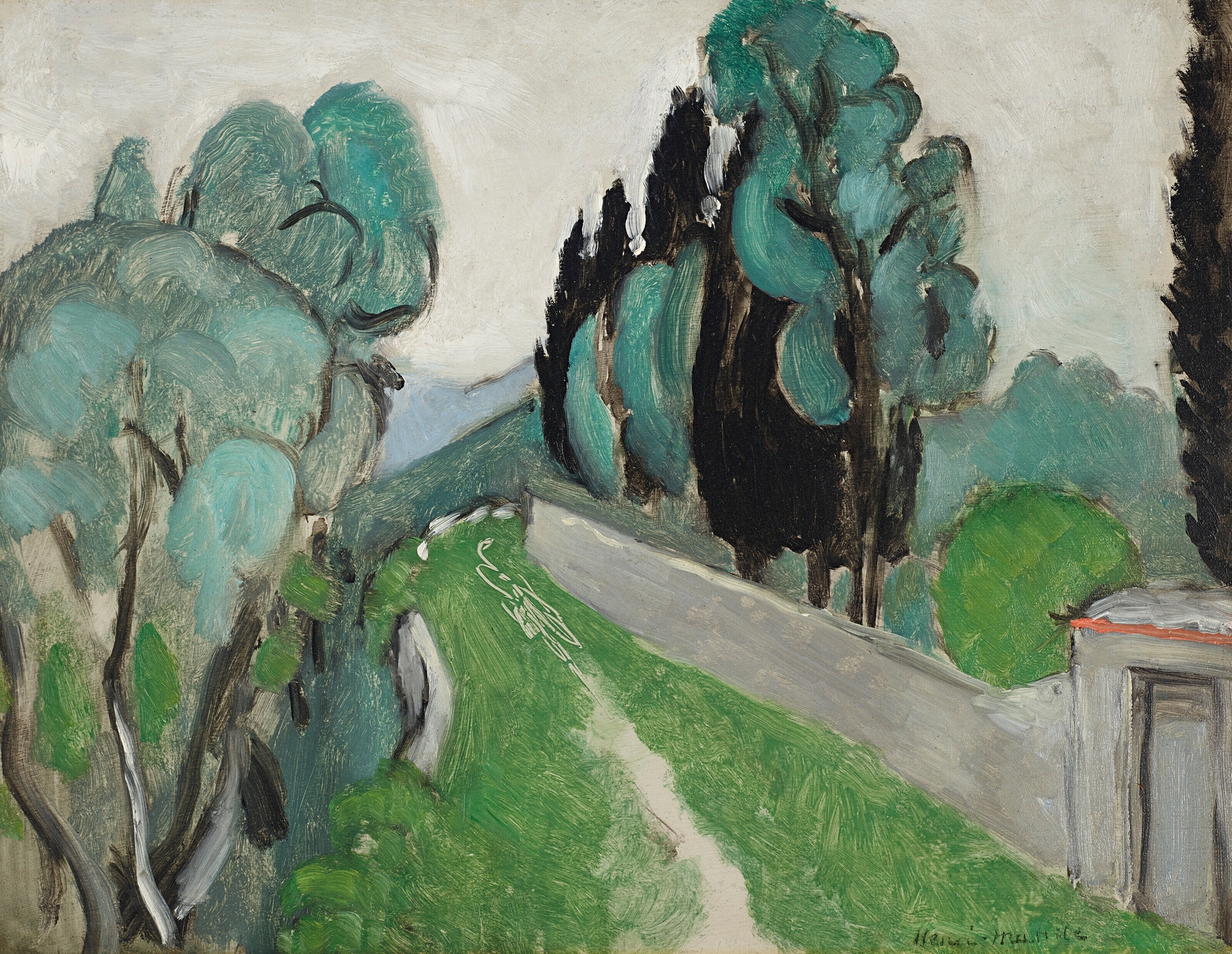
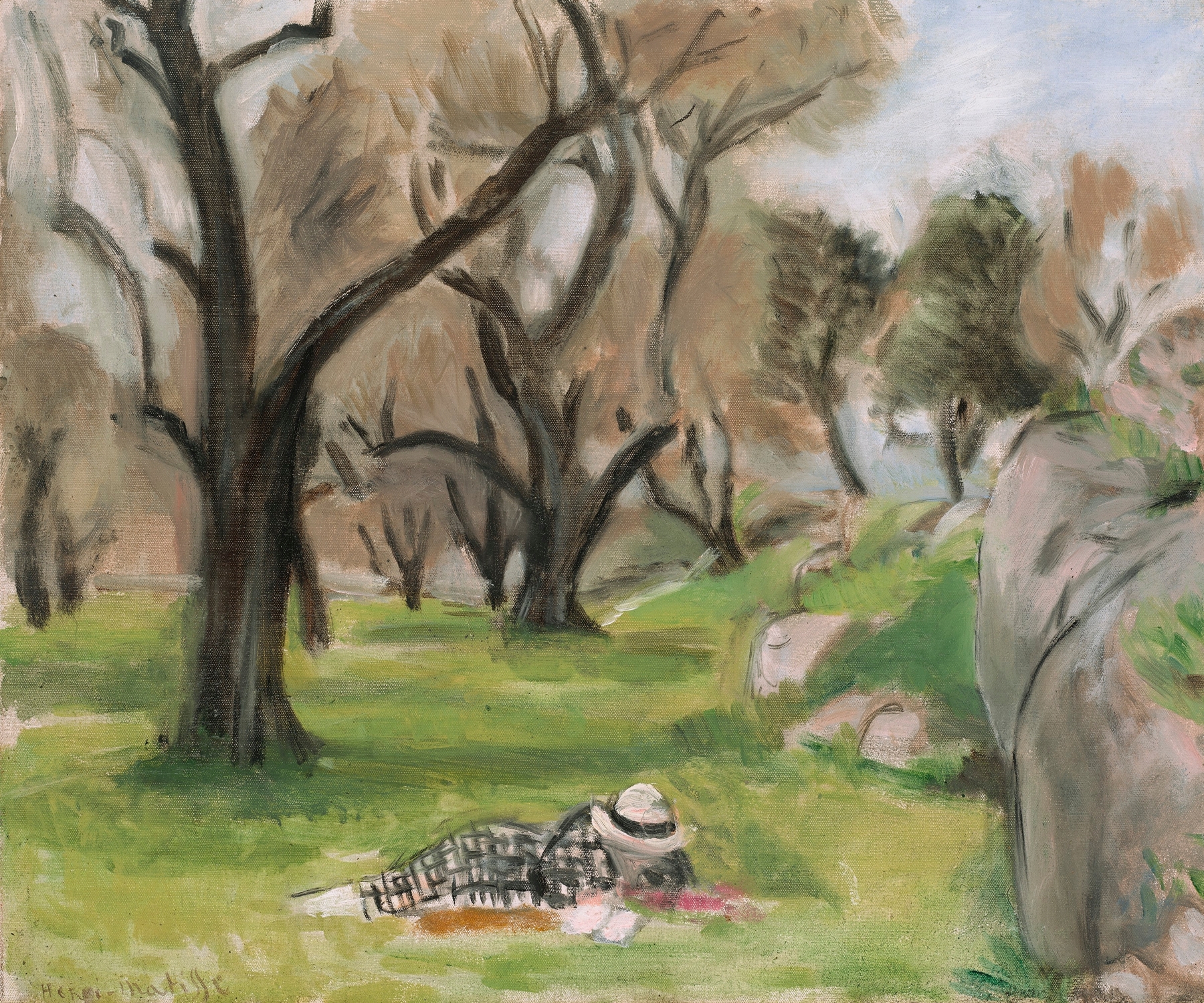
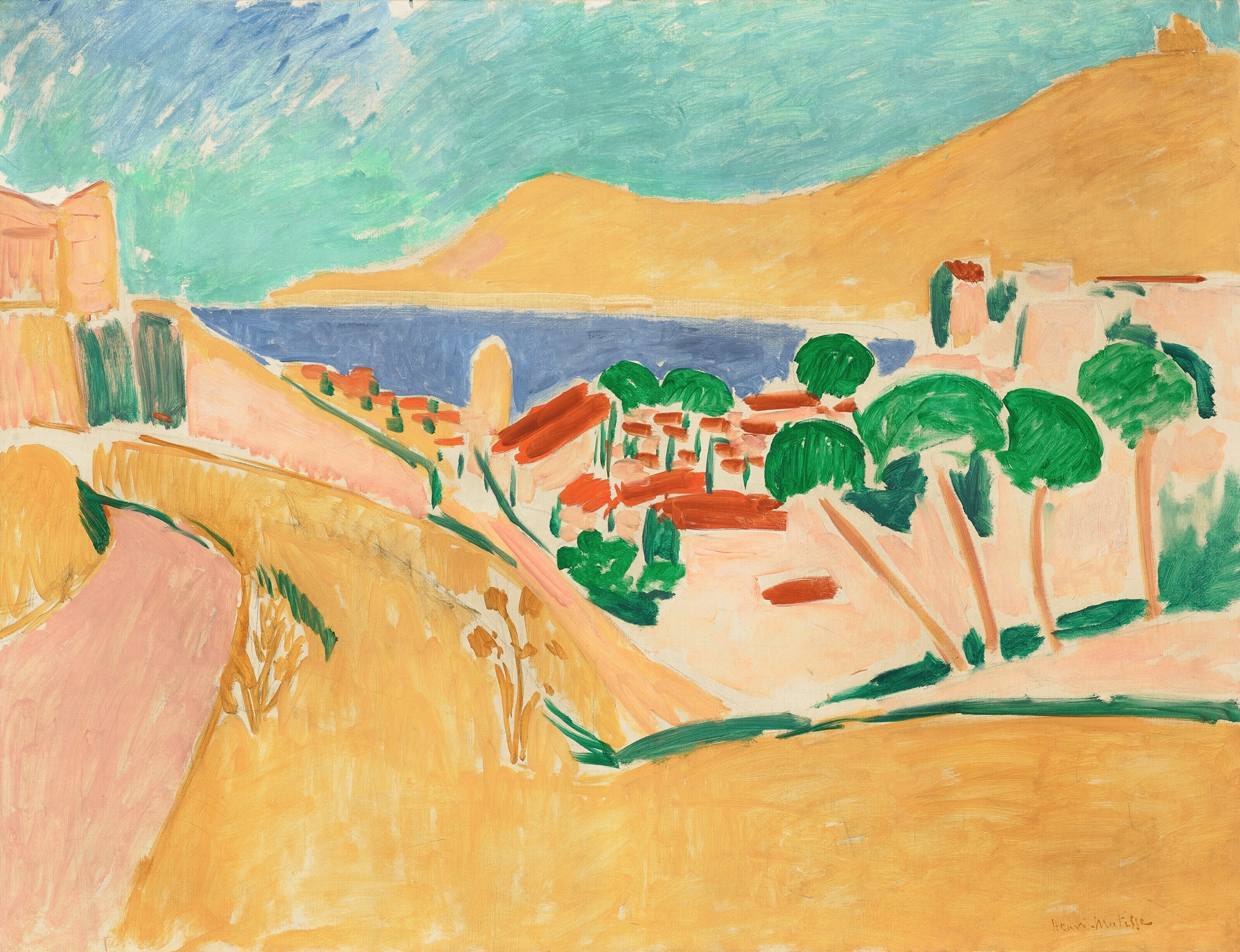
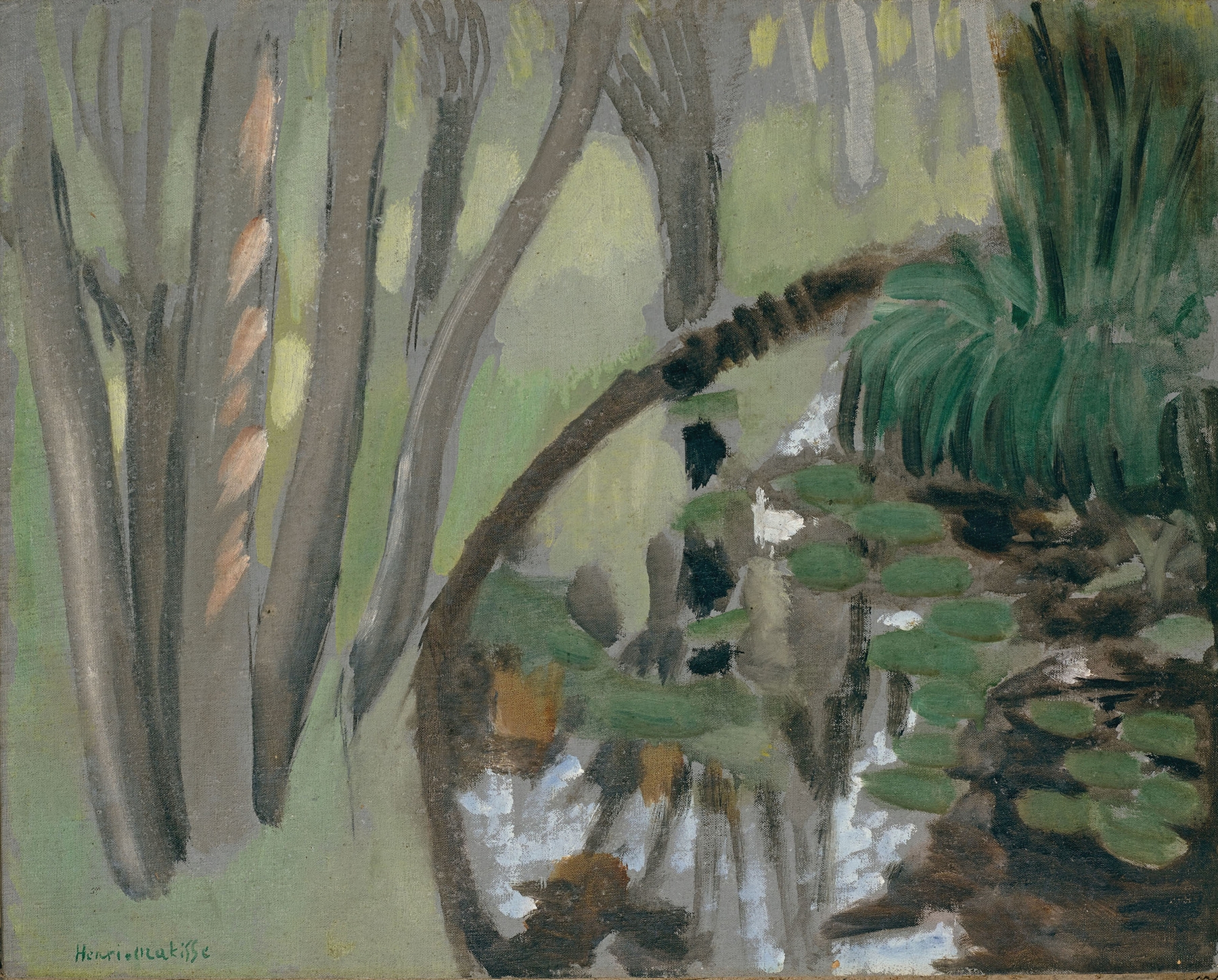
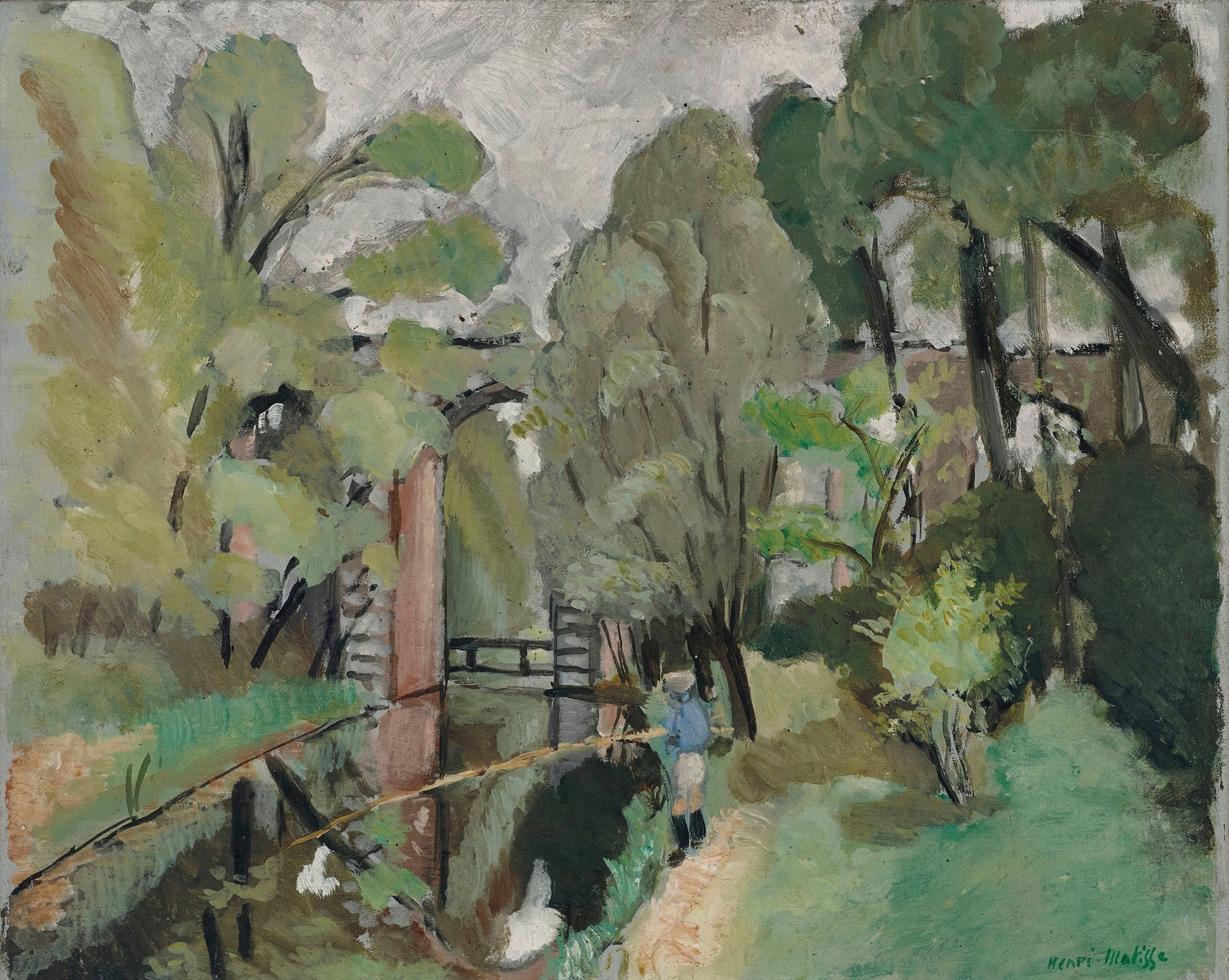
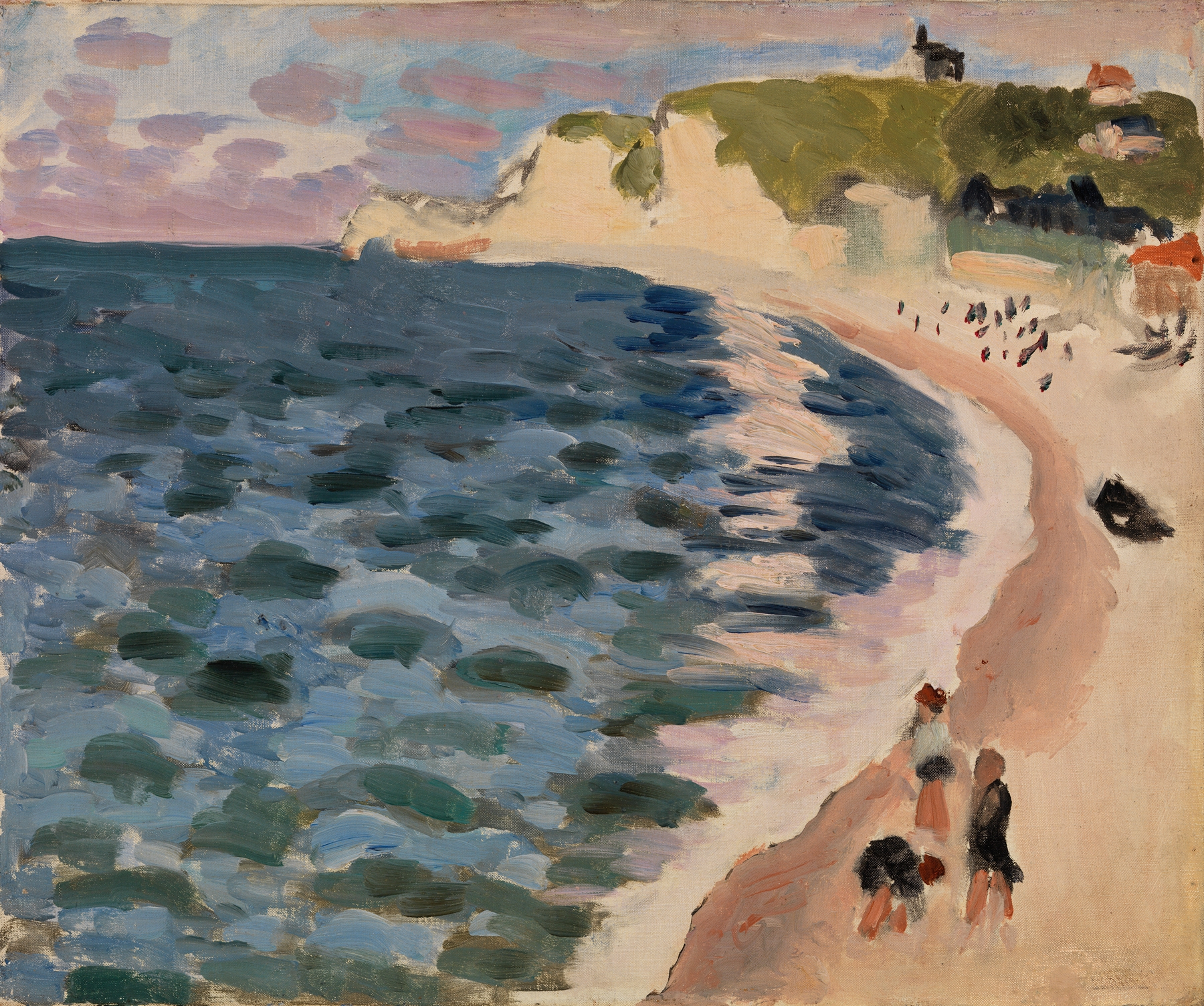
“Every silence here is a confession.” In the lush embrace of a garden, where dreams intertwine with reality, the essence of tranquility permeates the air. This moment, captured on canvas, invites contemplation and sparks the imagination, beckoning viewers to escape into its serene depths. Look to the soft dabs of color that evoke the warmth of sunlight filtering through the trees. The vibrant greens of the foliage juxtapose with the delicate pastels of flowers, guiding the eye towards the pathways that meander through this idyllic space.
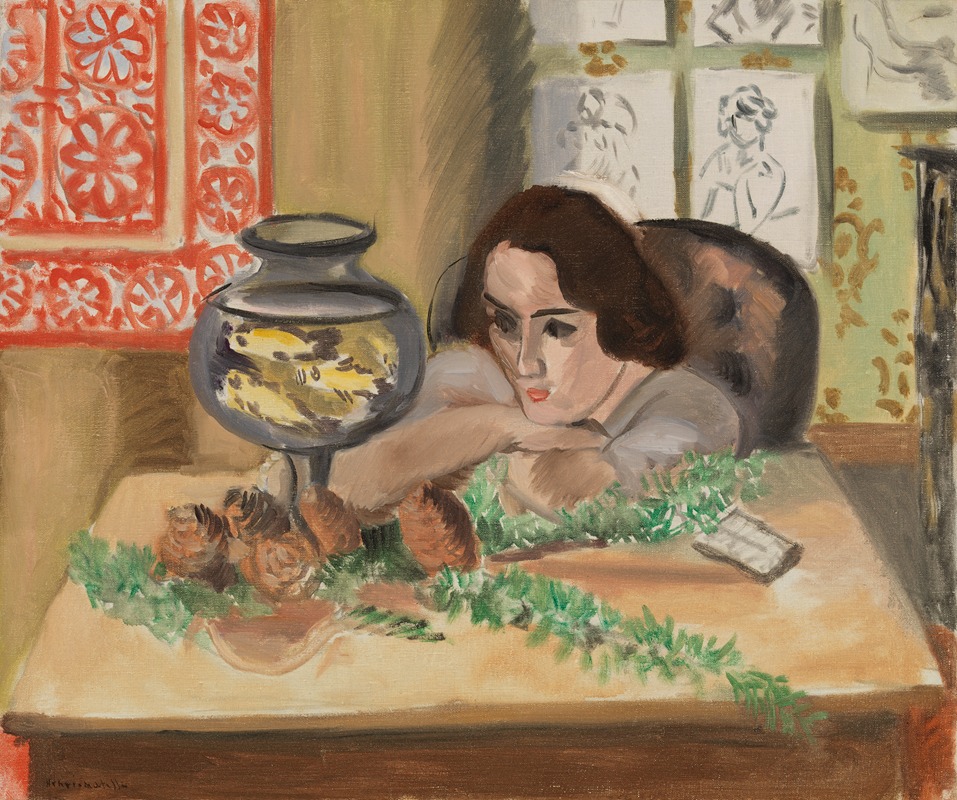
Matisse’s brushwork is both spontaneous and deliberate, infusing life into the scene while allowing a sense of peaceful abandon. The way the light dances across the surface invites us to linger, painting each detail as if it were a fleeting thought caught between waking and dreaming. Delve deeper into the composition, and you’ll find whispers of longing and the quiet search for beauty. Notice the figures that punctuate the landscape, their stillness hinting at stories untold, lives intertwined yet separate.
Each stroke reveals the tension between the vibrant chaos of nature and the introspective calm of the human spirit, suggesting that within this garden, one can both lose themselves and find solace. In 1902, Matisse was living in Paris, actively engaging with the vibrant art scene of the time. He was exploring color and form, marking a pivotal moment in his career as he pushed beyond Impressionism towards a more expressive style. During this period, he intersected with radical ideas in art that would shape the trajectory of modernism, and Jardin du Luxembourg stands as a testament to his evolving vision and the beauty he found amidst the busy rhythms of the city.