High Tide (Pleine mer) — History & Analysis
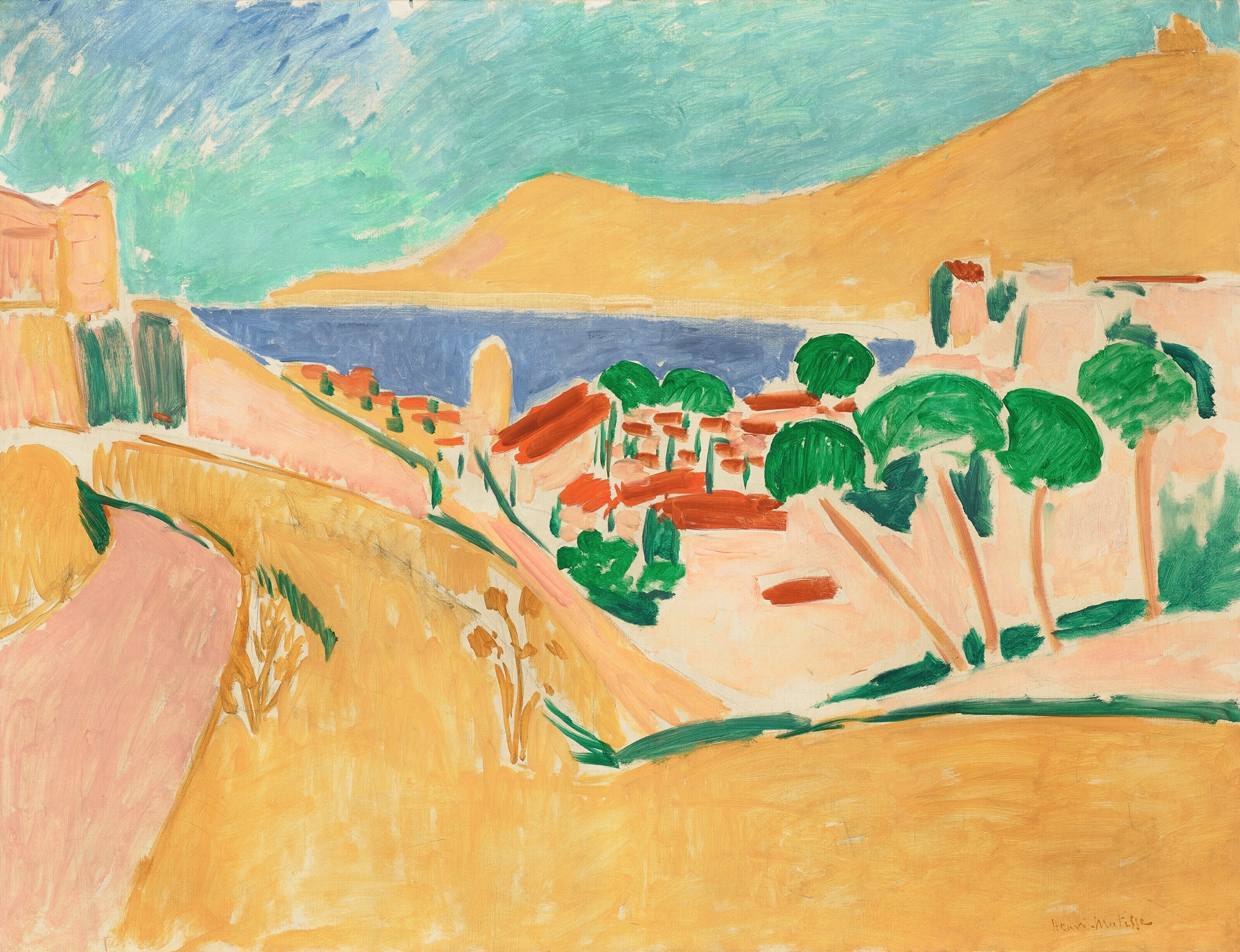
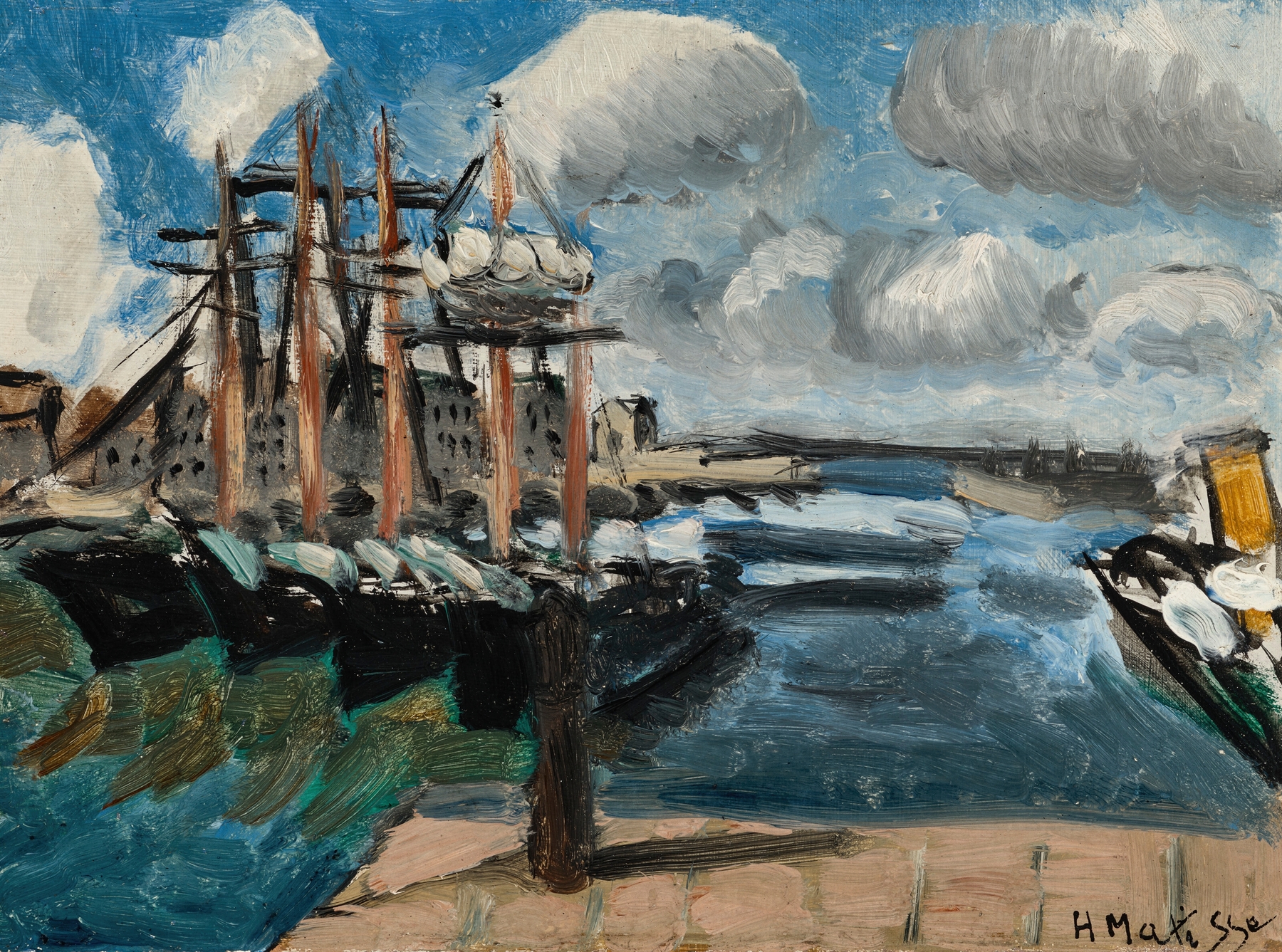
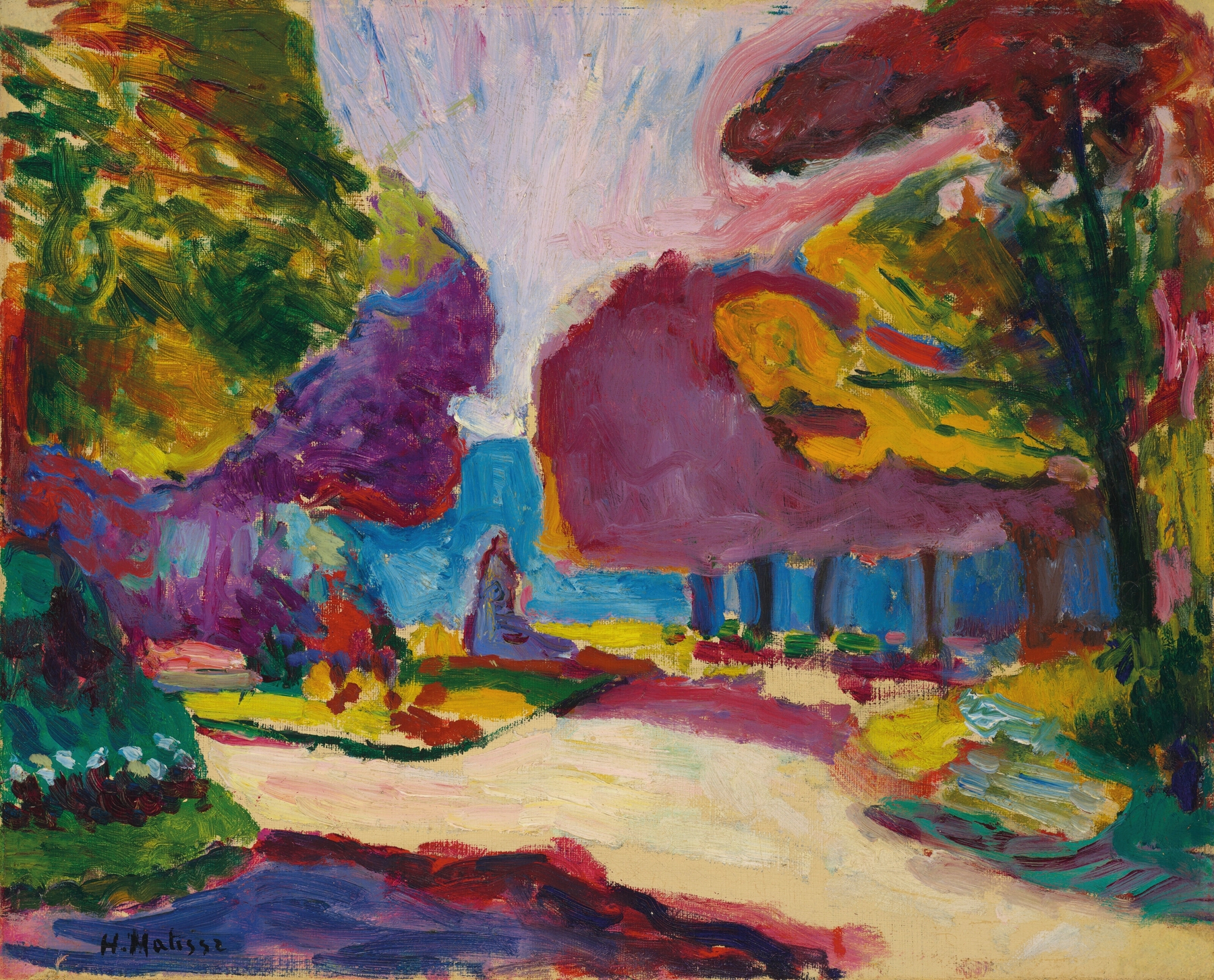
“Art reveals the soul when the world turns away.” In a universe of shifting tides and transient moments, a steadfast truth emerges through brushstrokes and color. Look to the left at the bold, swirling waves that seem to pulsate with energy, a dance of cerulean and turquoise that captures the roaring sea’s vitality. Notice how Matisse employs contrasting hues, the light reflecting off the water, evoking a sense of depth and movement that draws you in. The horizon line, met by the vibrant sky, creates a feeling of infinity, inviting the viewer to contemplate the boundless connection between water and air.
Beneath the surface of this seemingly joyful scene lies a profound tension between nature's beauty and its ferocity. The contrasting colors not only depict the physical world but also suggest emotional states—tranquility battling chaos, a fleeting embrace of serenity. The absence of figures amplifies this isolation, allowing us to confront our own internal storms in the face of nature's overwhelming grandeur.
Each wave embodies a truth of existence—beautiful yet unpredictable, constant yet ever-changing. Created in 1920 during a period of post-World War I reflection, Matisse painted High Tide (Pleine mer) while living in France, where he had begun to explore a bold use of color as an emotional language. This was a time when the art world was shifting towards modernism, breaking traditional boundaries, and Matisse’s work was pivotal in defining that movement.