Port de Cherbourg — History & Analysis
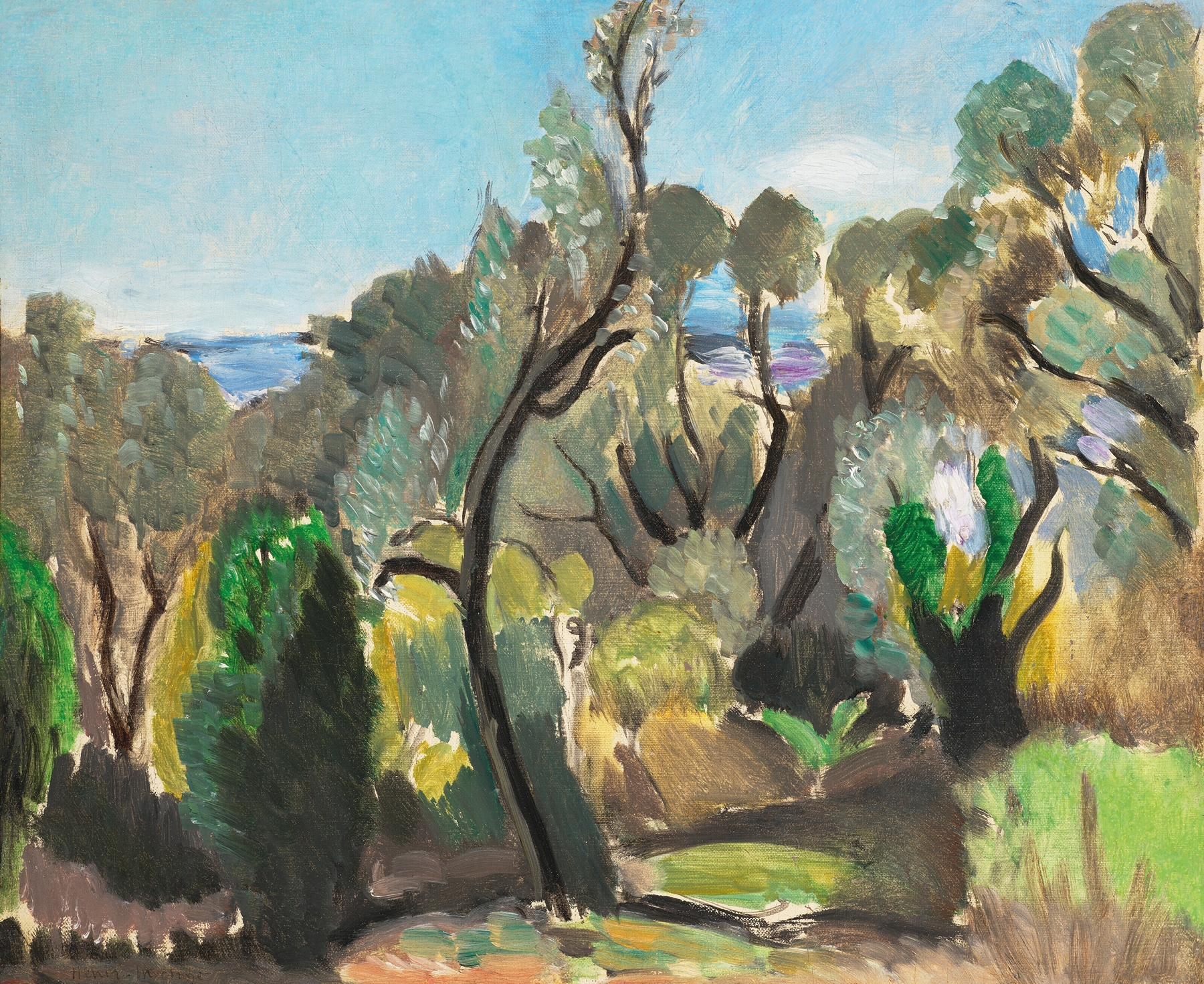
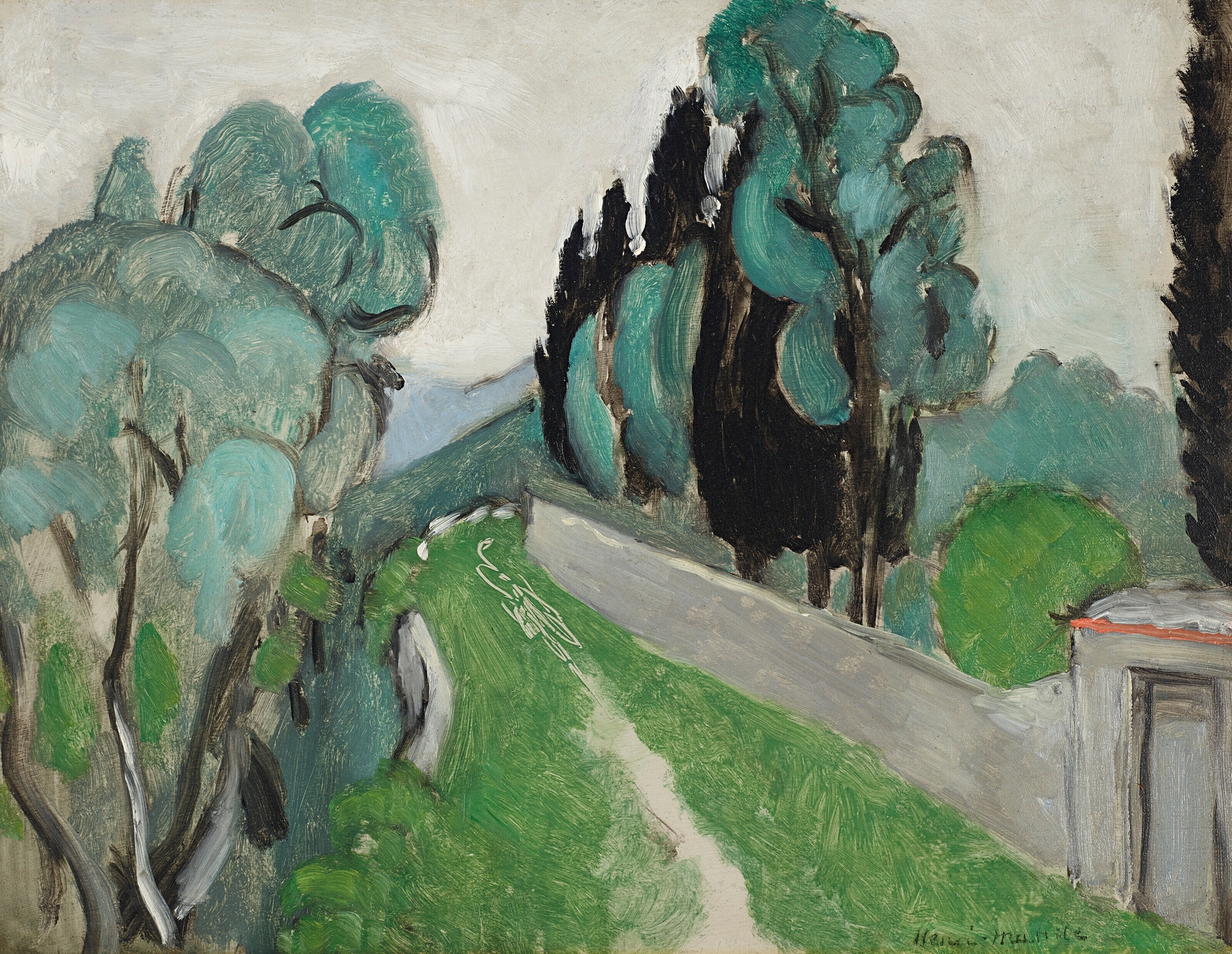
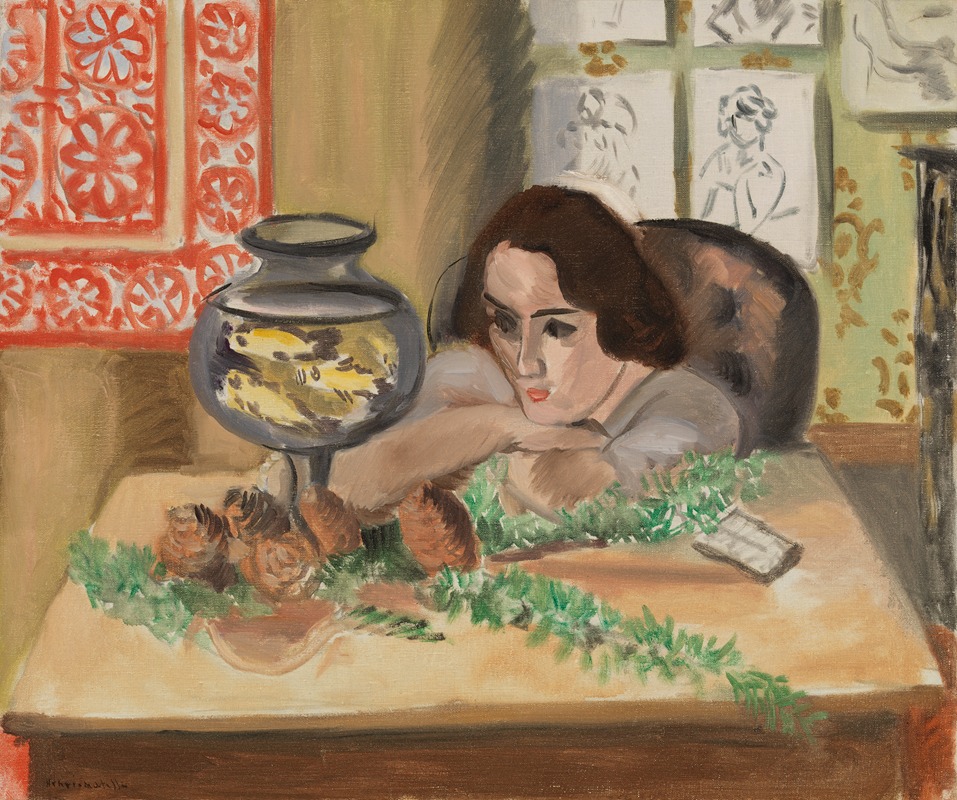
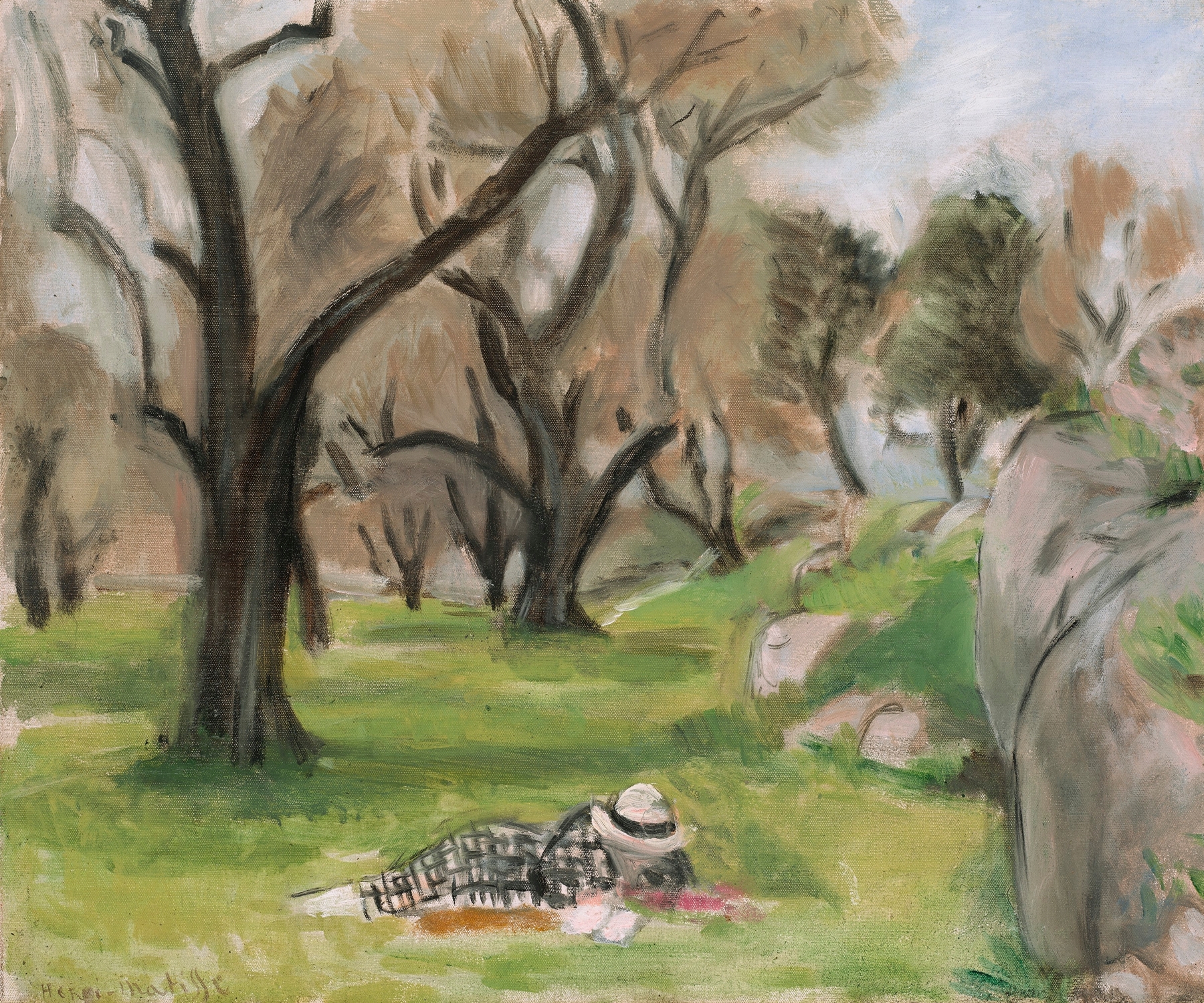
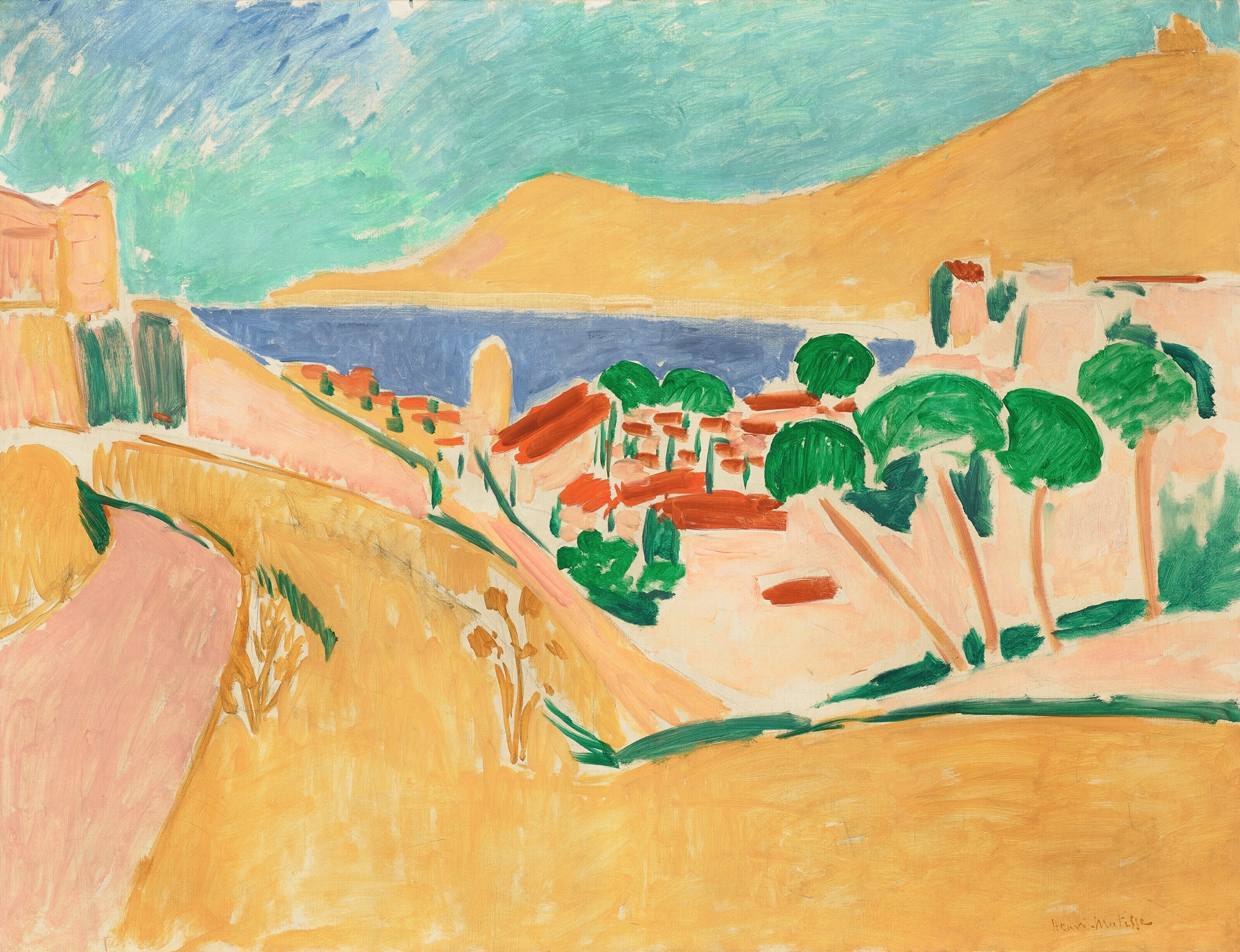
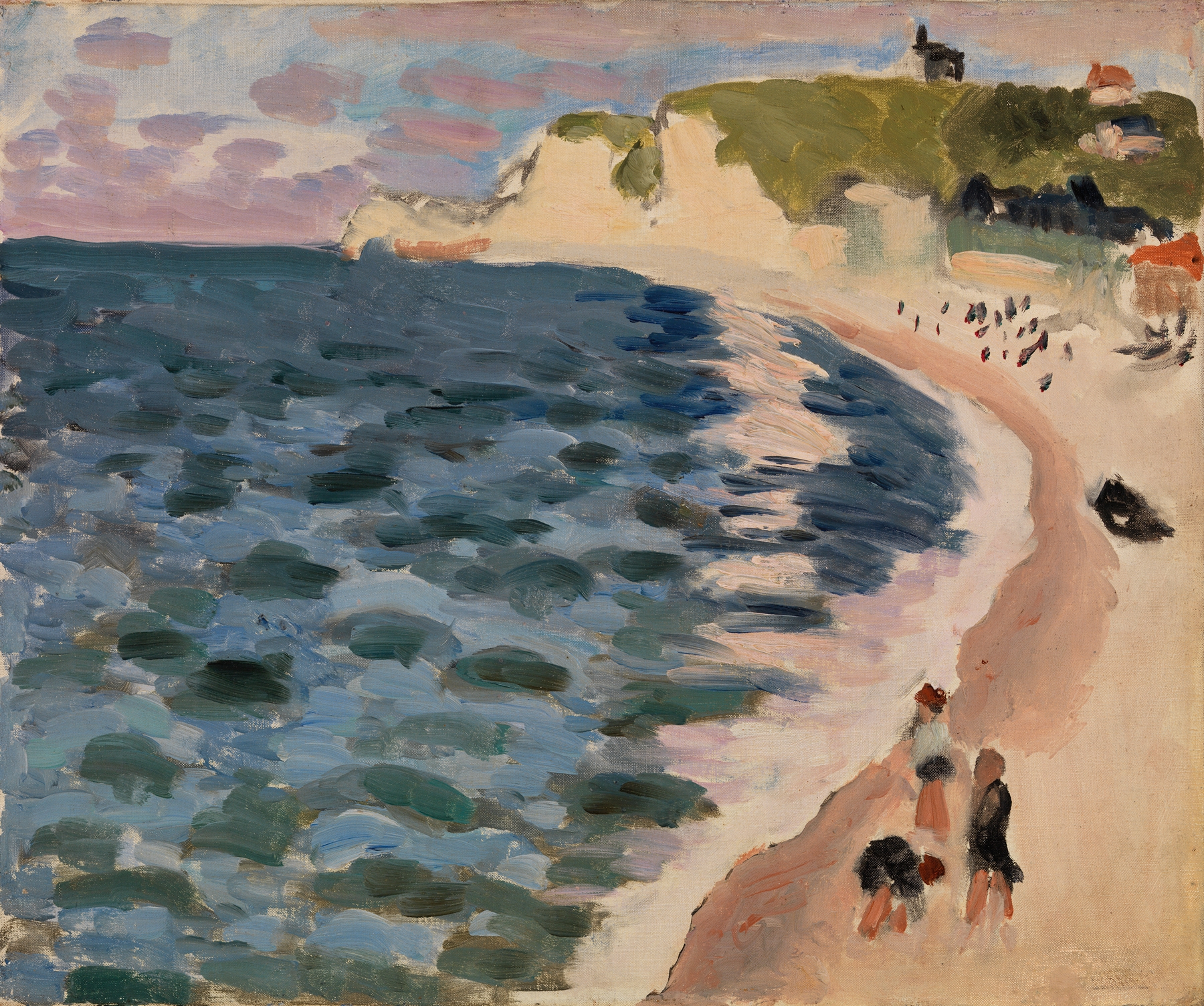
Where does light end, and longing begin? In the vibrant expanse of color and form, we find ourselves pondering the transient nature of time and memory. Look to the left at the striking azure of the water, shimmering like a jewel under the delicate embrace of sunlight. The bold brushstrokes capture the movement of waves, while the boats, painted in lively hues, dance along the harbor.
Notice how Matisse employs a palette of contrasting colors, from the warm, sunlit yellows to the cool, tranquil blues, creating an atmosphere that breathes life into the scene. The composition draws your eye to the horizon, where sea meets sky, inviting contemplation of the endless journeys taken across these waters. Yet, there’s an underlying tension between the carefree vibrancy of the harbor and the stillness that surrounds it. Each boat, though depicted with joy, carries with it a sense of solitude, a reminder of the lives intertwined with the ebb and flow of the sea.
The interplay between light and shadow evokes a sense of nostalgia, as if the painting captures a fleeting moment that teeters on the brink of memory, a visual metaphor for the passage of time and its inherent longing. Created in 1918, this piece reflects Matisse's life during a tumultuous period marked by the First World War's aftermath. Working in a post-war France, he sought to convey a sense of peace and beauty through vivid color and fluid forms. This work emerged as a testament to resilience and the yearning for connection amid the chaos of the world, encapsulating a moment where art offered solace and reflection.