Le ruisseau, Maintenon — History & Analysis
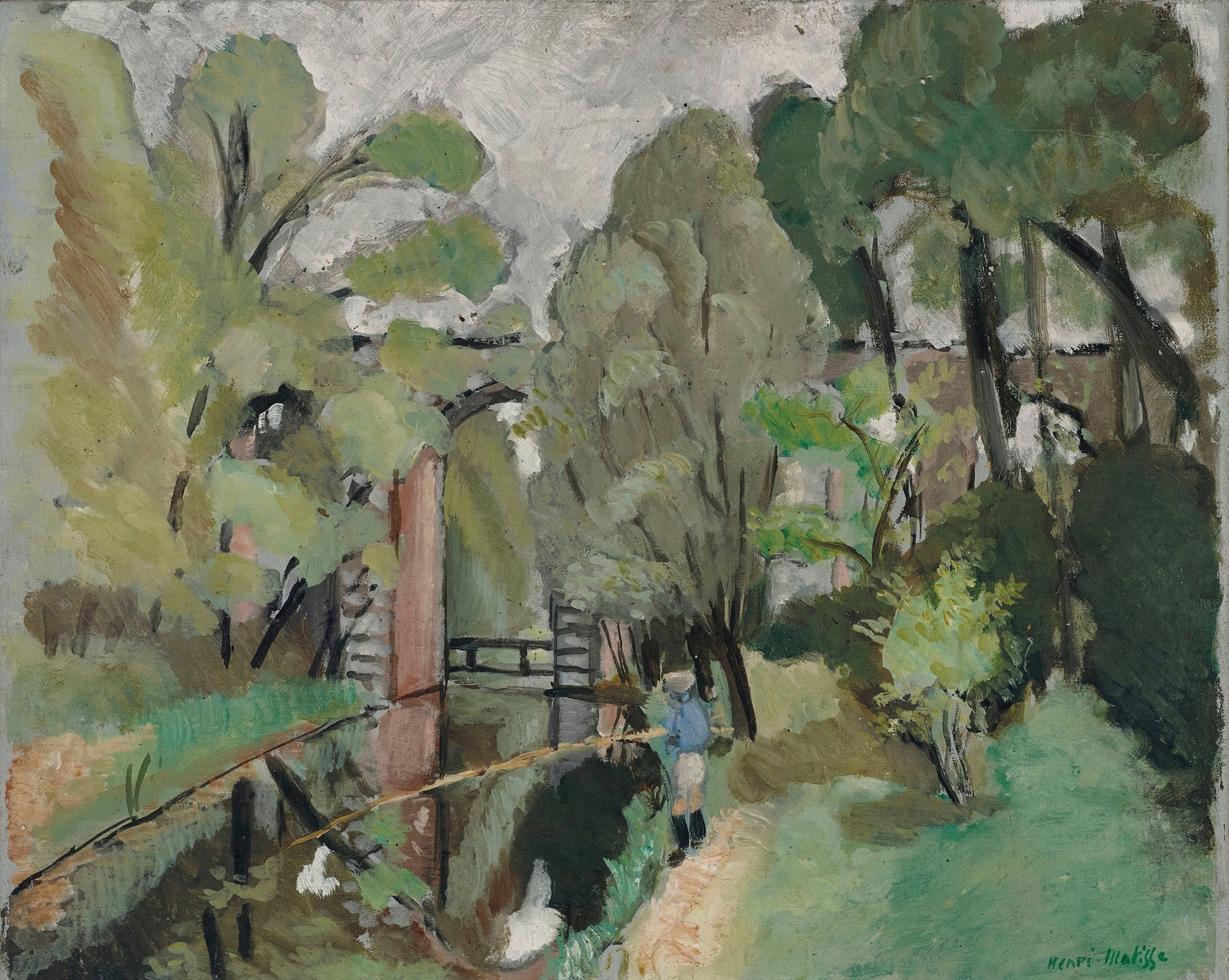
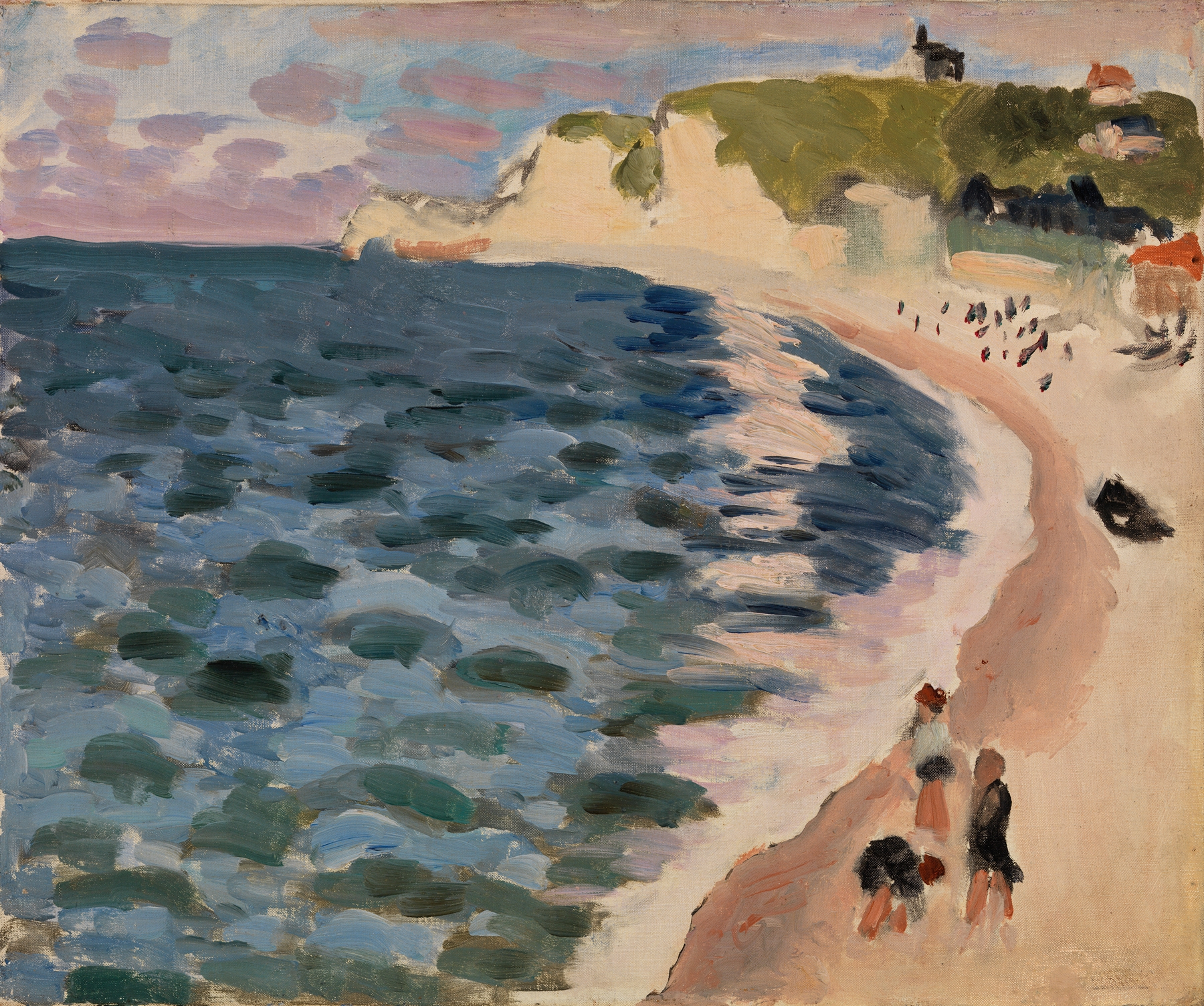
“Under the brush, chaos becomes grace.” In moments of uncertainty, can beauty arise from fear? Look to the center of Le ruisseau, Maintenon, where vibrant strokes of green and blue swirl together to depict a flowing stream. Notice how the composition guides your eye along the water’s surface, inviting you to trace its gentle movement. The soft, almost translucent interplay of colors suggests both tranquility and turmoil, as if the river holds secrets beneath its shimmering surface.
Delve deeper into the contrasts presented in the piece; while the lush foliage may evoke serenity, the chaotic strokes hint at an underlying anxiety that disrupts the idyllic scene. The bold application of paint captures the fleeting nature of life, where beauty coexists with the shadows of fear. This duality evokes a poignant tension—every serene moment is underscored by the possibility of unpredictability, offering a reflection on the fragility of tranquility.
In 1918, Matisse was in a period of artistic exploration, having recently returned to Paris after World War I. The war had significantly impacted artists throughout Europe, prompting a move toward abstraction and emotional expression. The artist sought to express not only the physical landscape of Maintenon but also the emotional landscape of a world grappling with its own chaos and desire for peace.