Le Petit pêcheur, Maintenon — History & Analysis
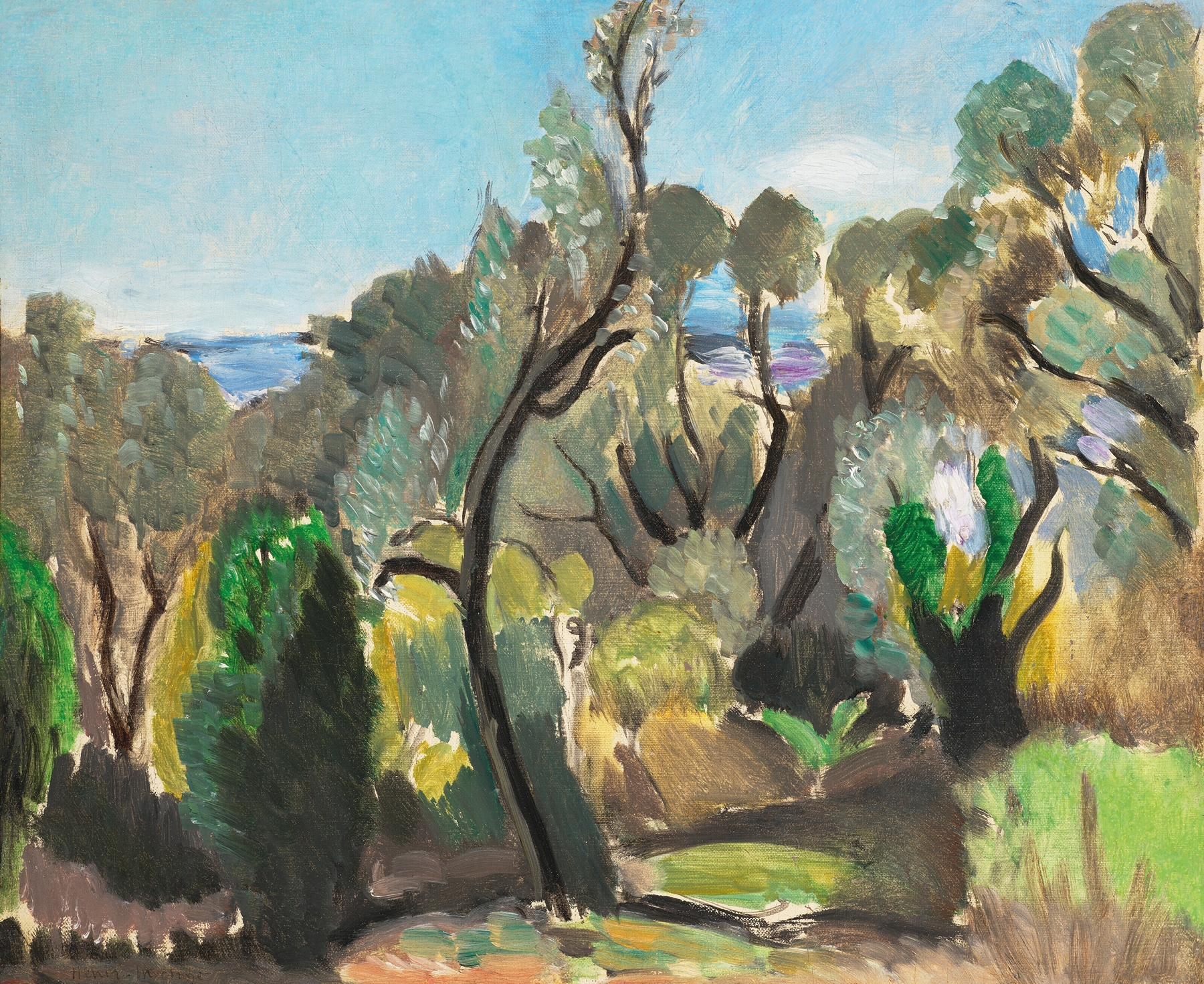
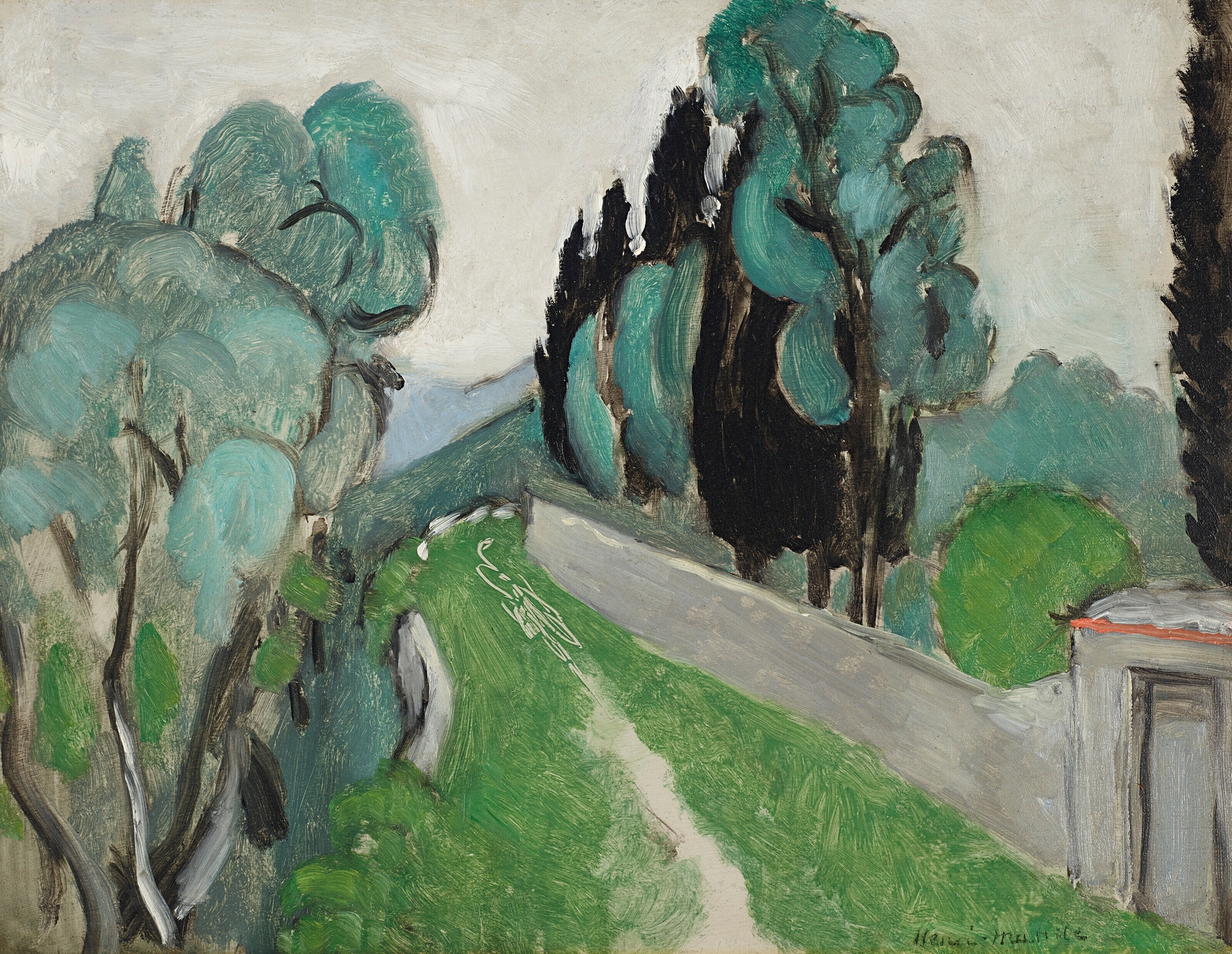
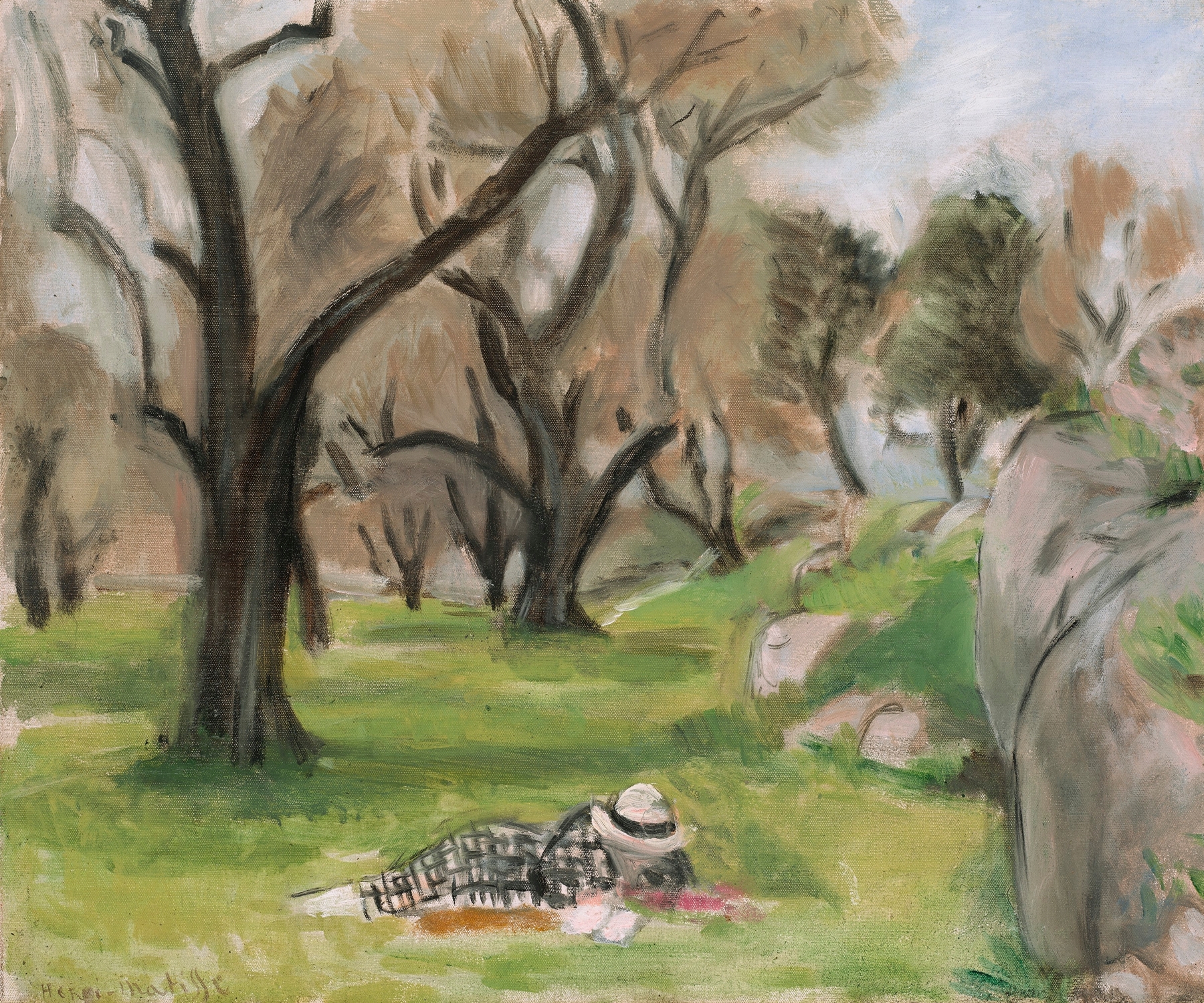
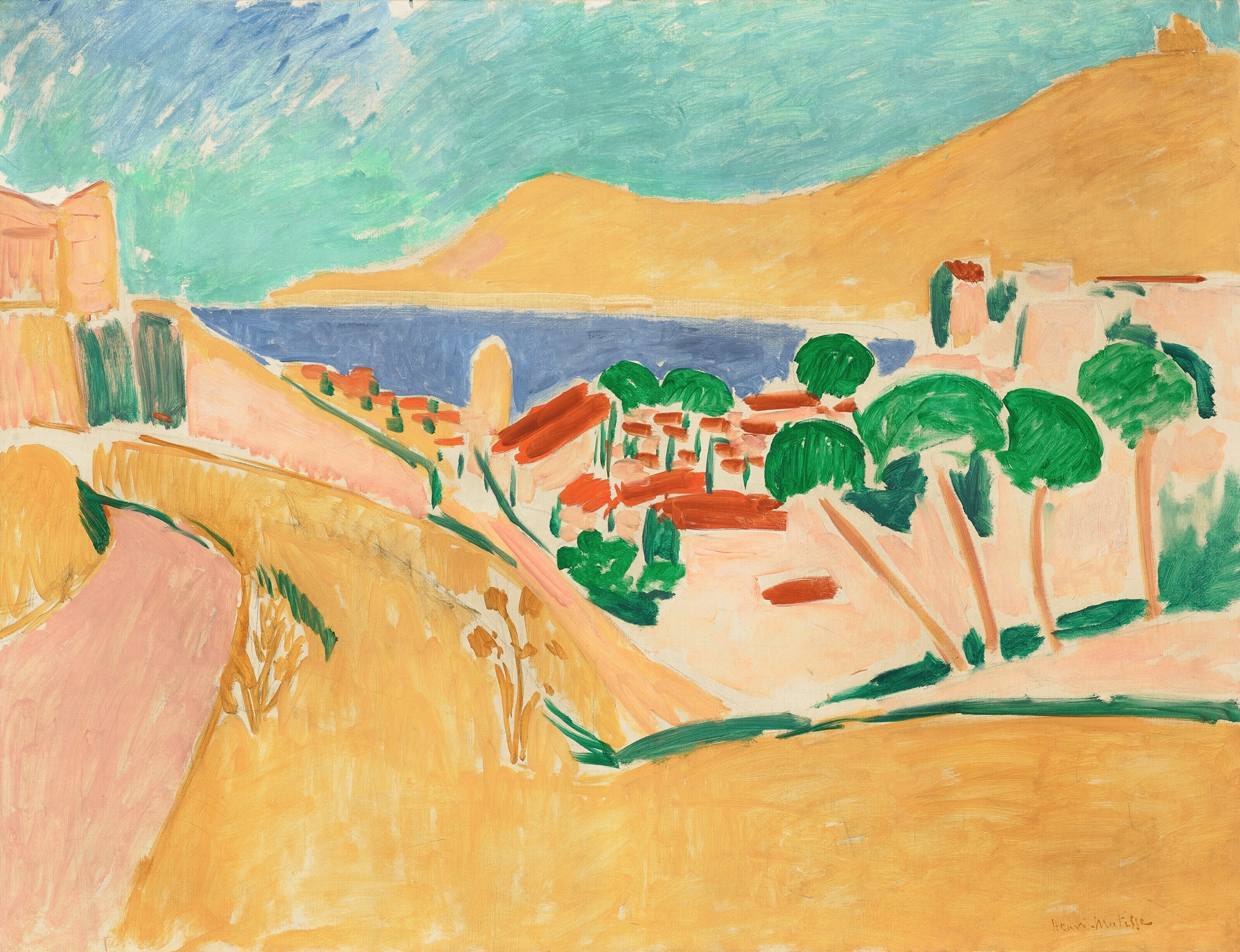
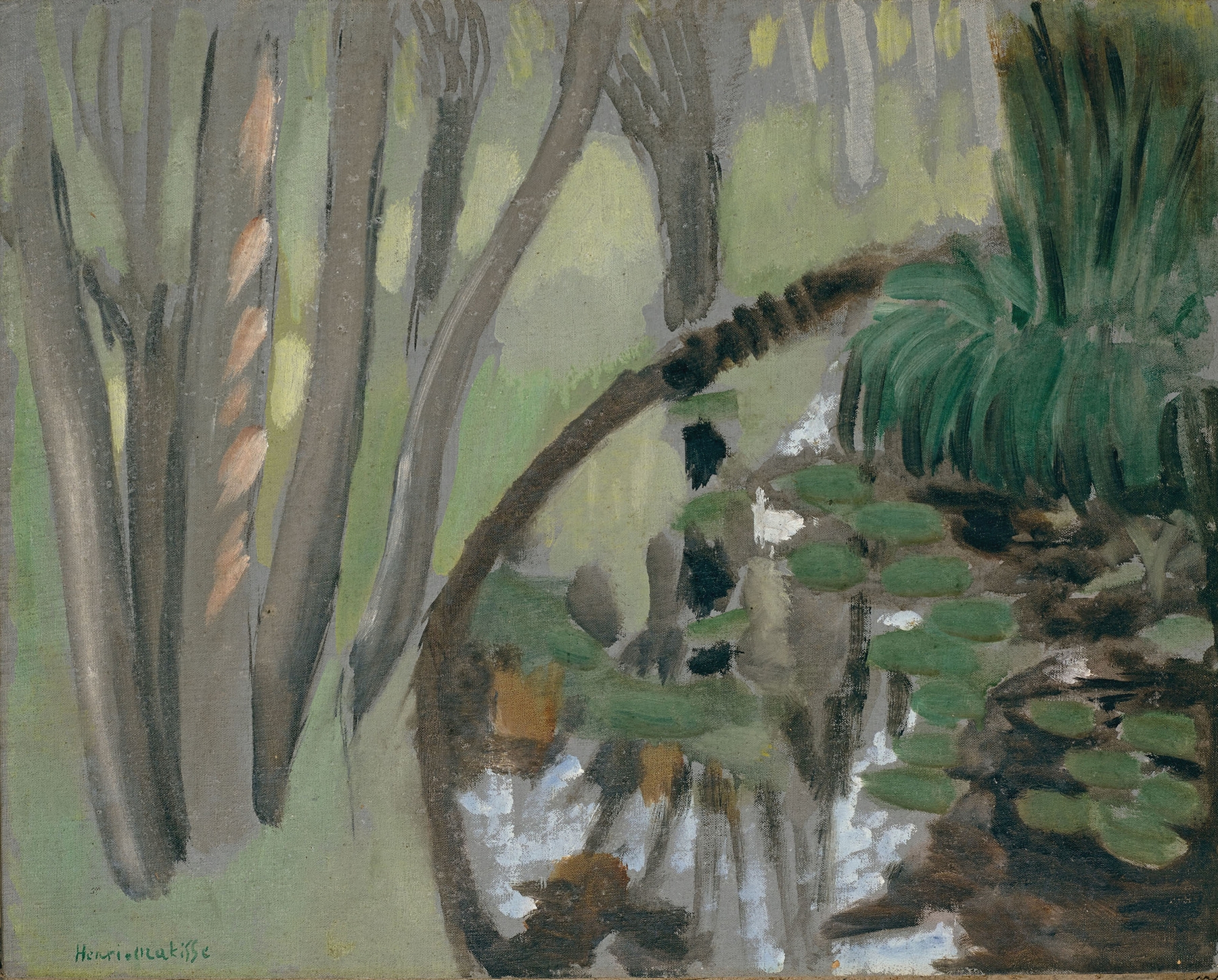
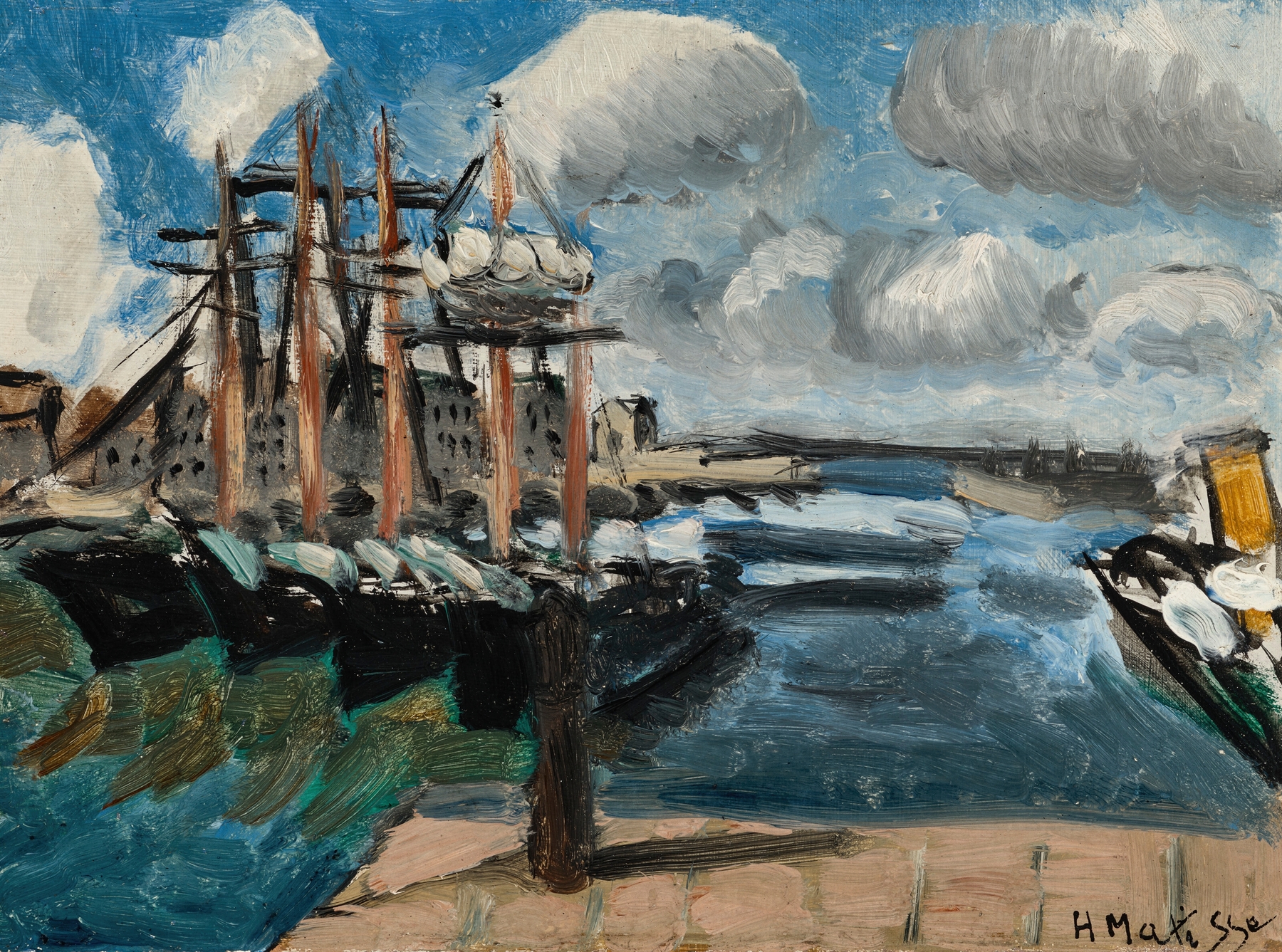
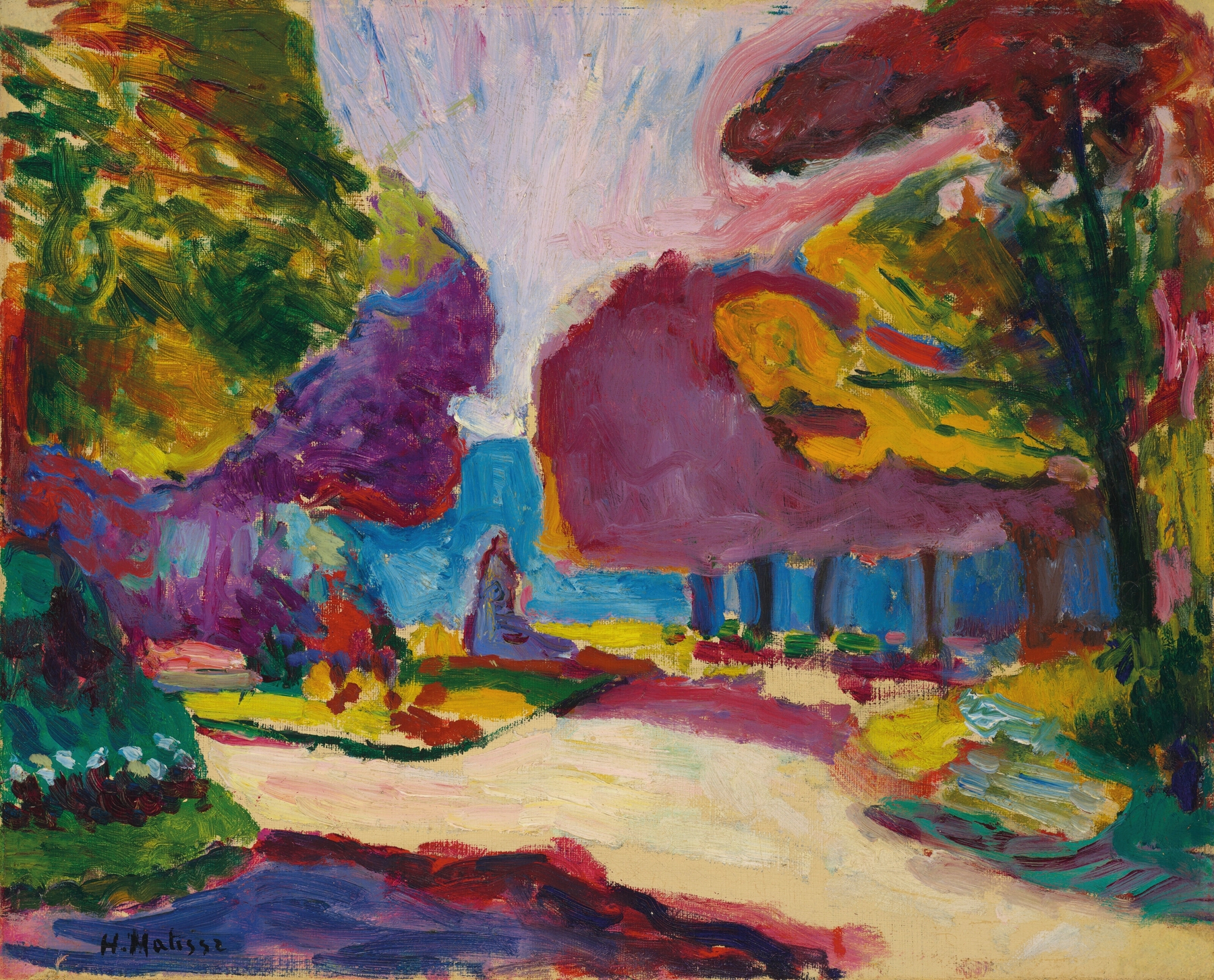
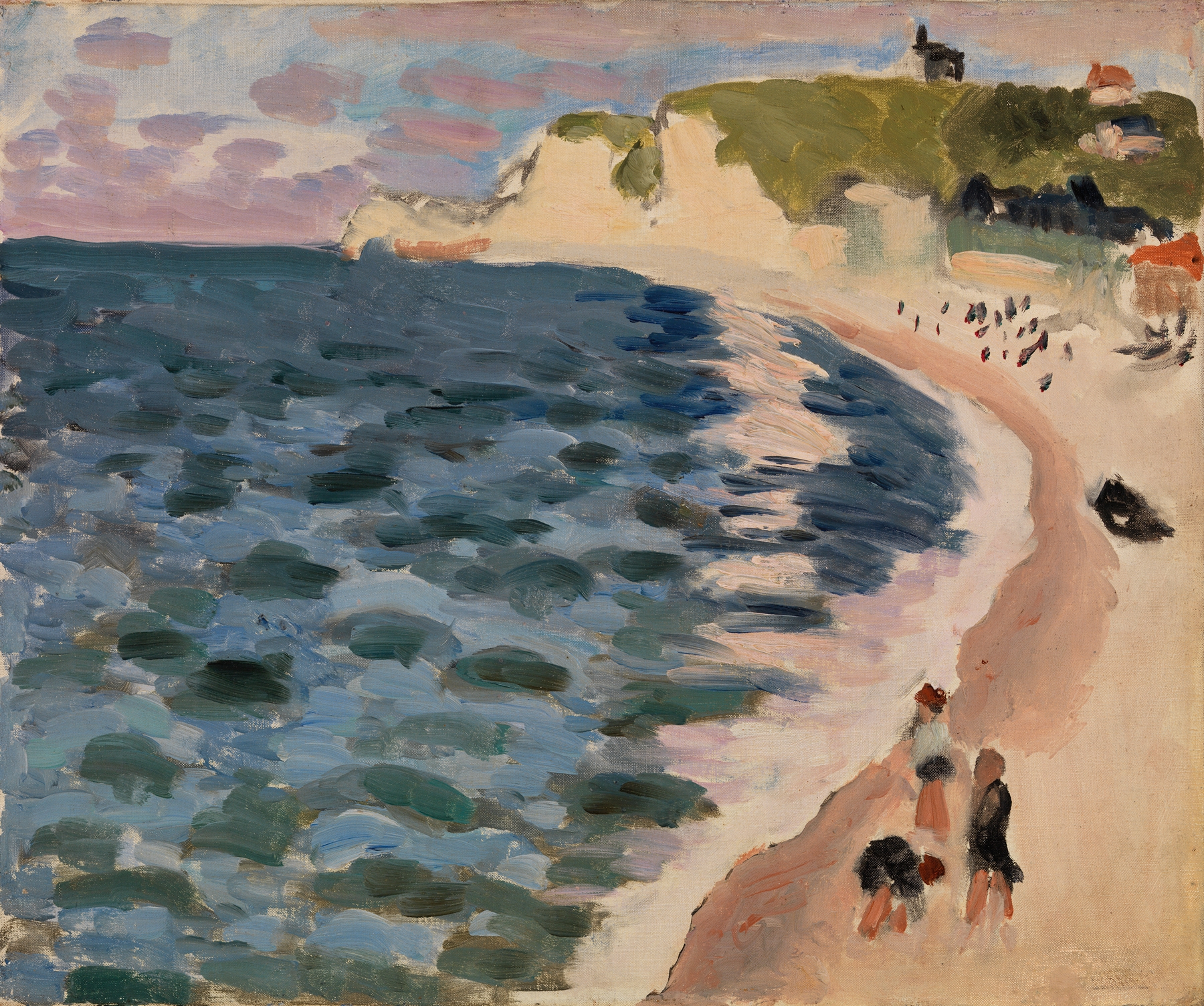
“To paint is to remember what time wants us to forget.” In the world of art, desire often dances between the ephemeral and the eternal, mirroring our most intimate longings and regrets. Look to the canvas, where the vibrant blues of the water beckon you first. The gentle curves of the boy’s silhouette stand in stark contrast against the active ripples, emphasizing his stillness amid movement. Rich greens flank the scene, lush and inviting, while dappled sunlight filters through, casting playful shadows that hint at warmth and longing.
Matisse’s brushwork breathes life into every stroke, creating a harmony that effortlessly captures a moment suspended in time. Within this serene composition lies a deeper tension between innocence and yearning. The small figure of the boy, poised with a fishing line yet seemingly lost in thought, embodies a struggle between external activity and internal reflection. Each brushstroke enhances the emotional weight—his gaze fixed beyond the water, revealing a desire that transcends the simple act of fishing.
The composition becomes a metaphor for the universal search for fulfillment, a poignant commentary on the human condition wrapped in the guise of a tranquil scene. In 1918, Matisse was residing in the South of France, a period marked by a shift in artistic direction and personal introspection following the tumult of World War I. The world of art was grappling with new ideas and forms, and Matisse sought to convey complex emotions through simplicity and color. Le Petit pêcheur emerged as both a reflection of his inner landscape and a response to the world around him, capturing fleeting desires and memories that linger like the soft hues of twilight.