Colonel Ernst August von Hugo and Lt. Colonel von Schlepegrell — History & Analysis
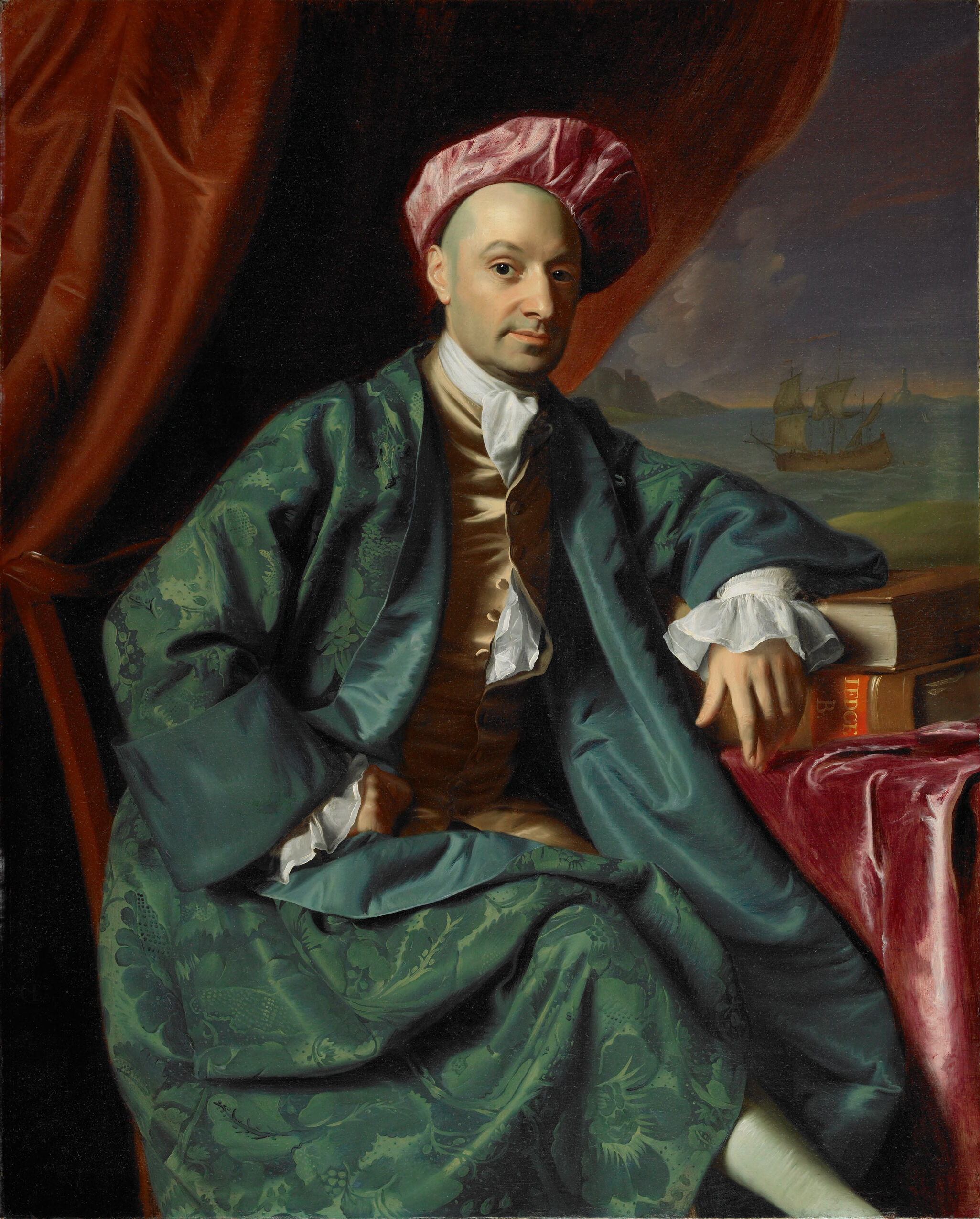
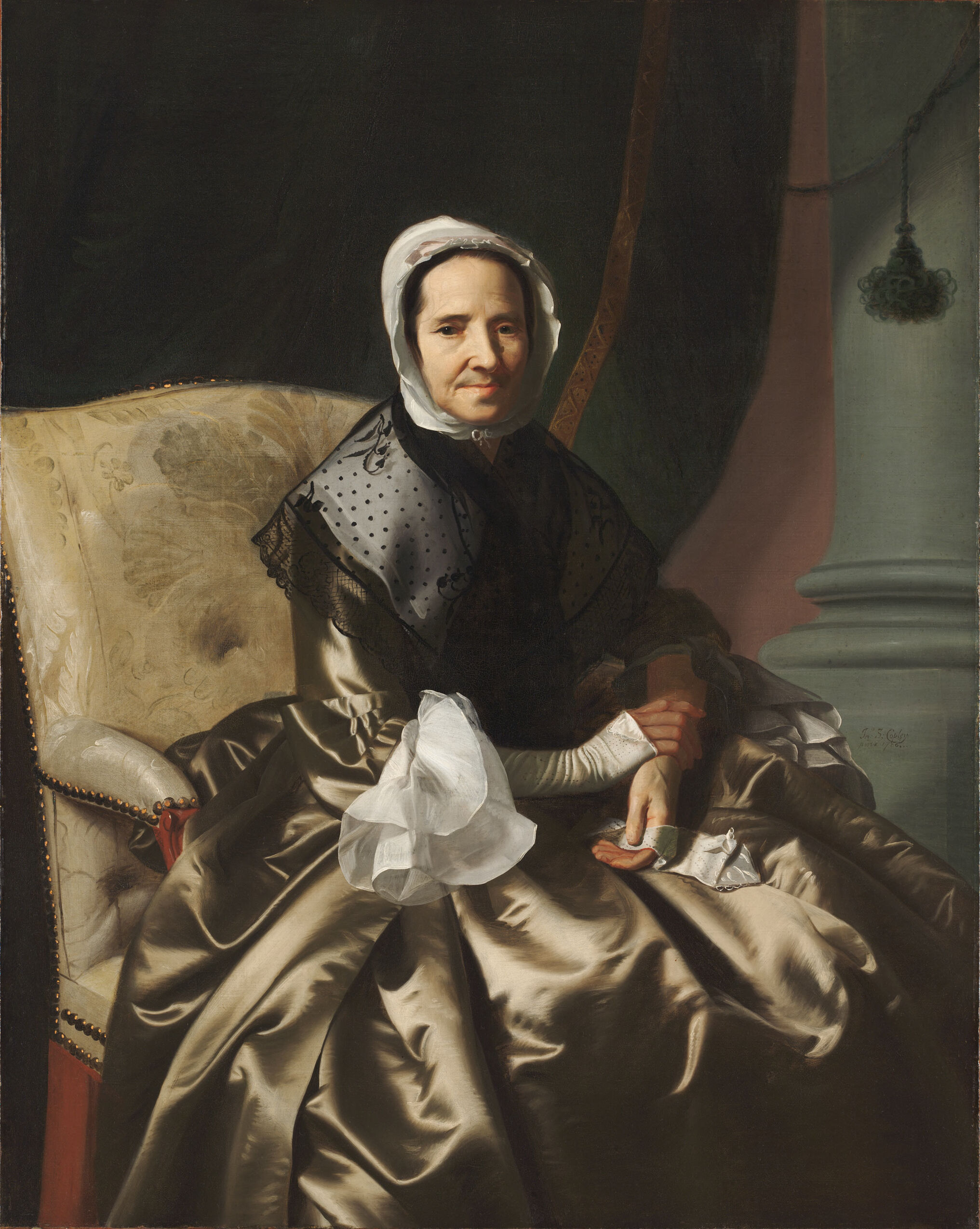
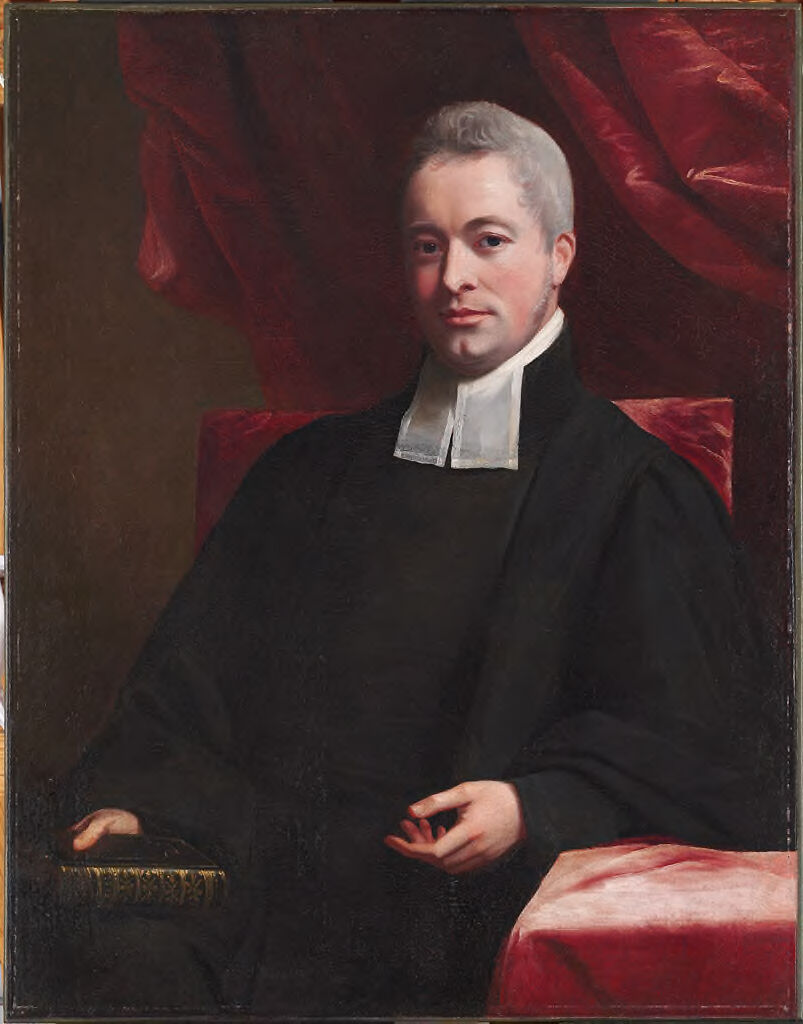
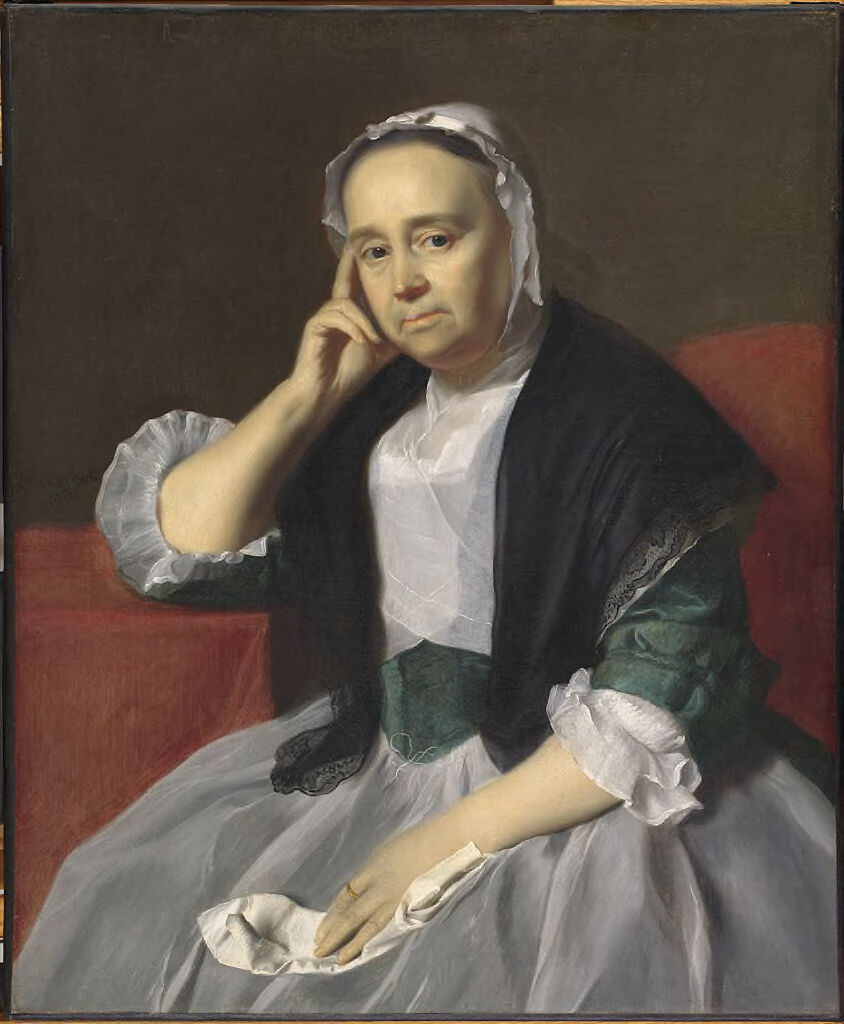
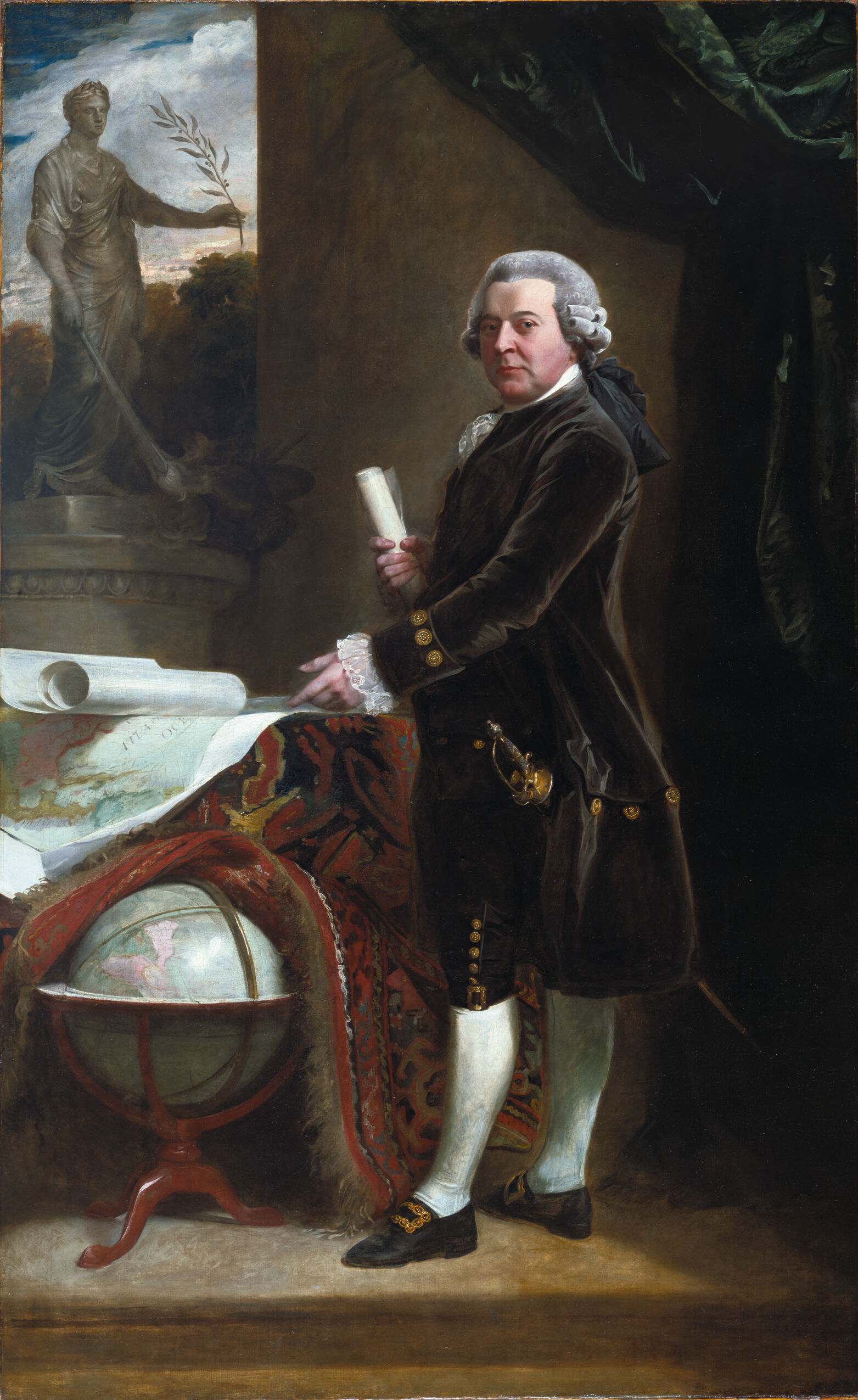
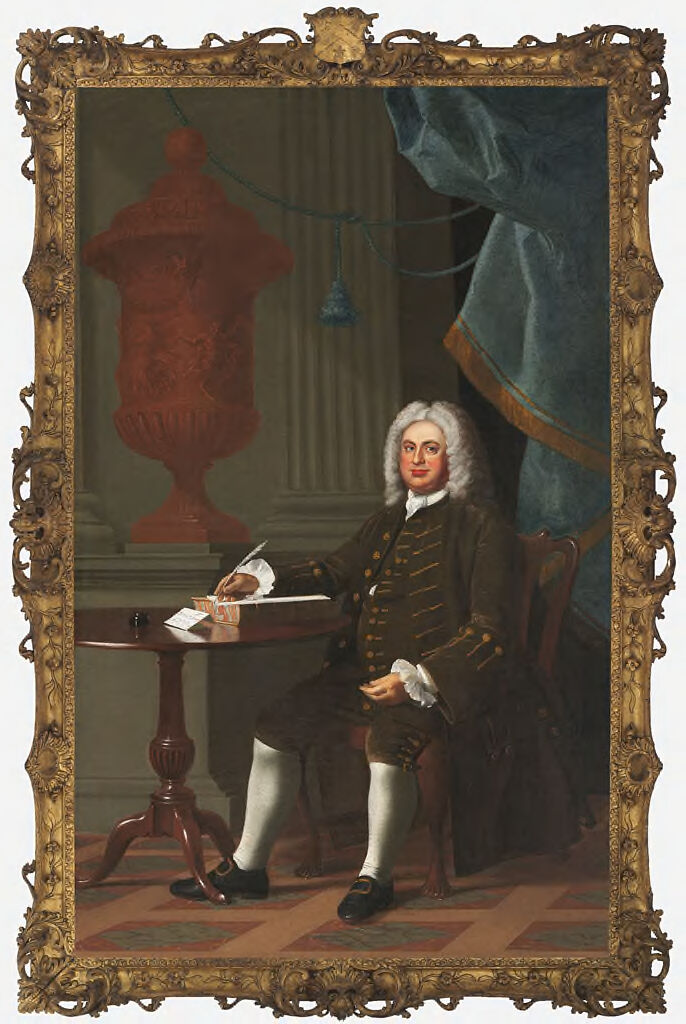
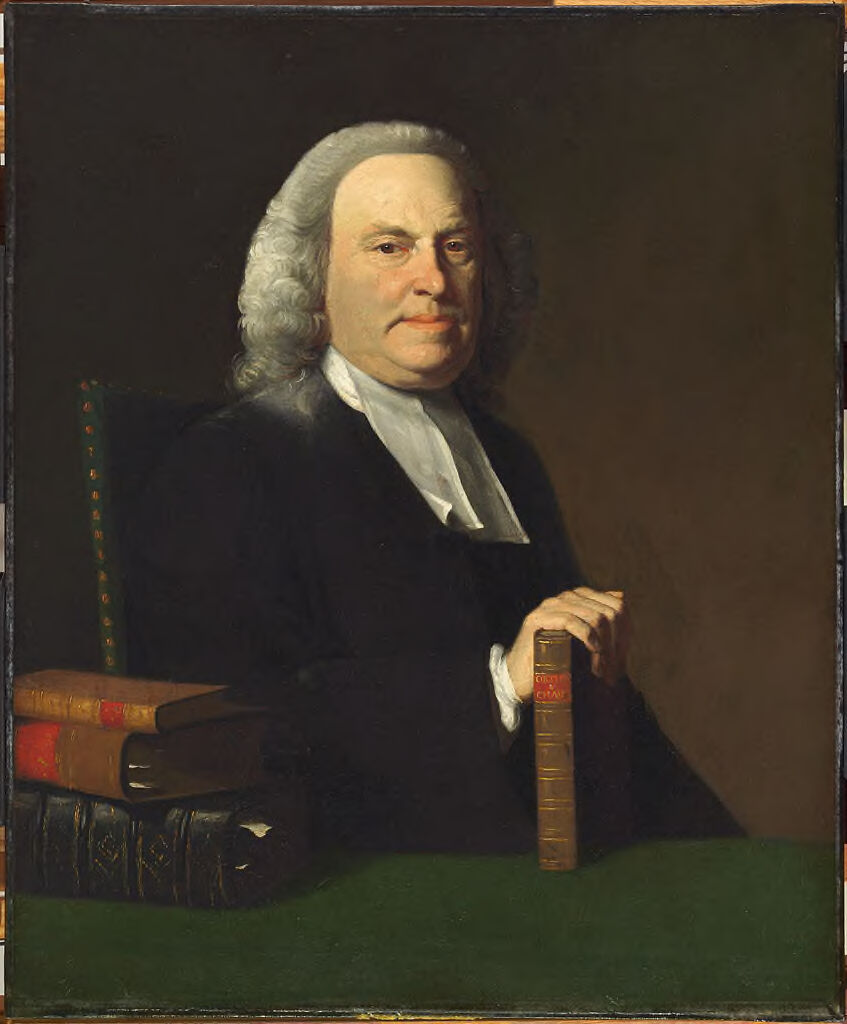
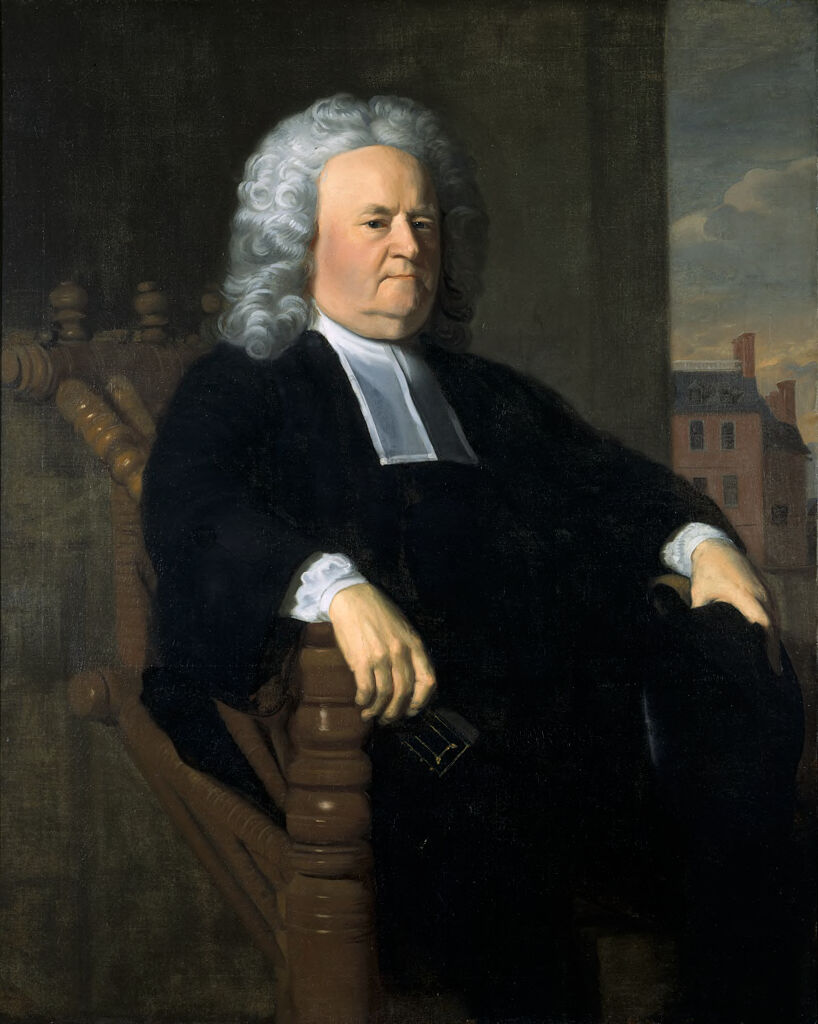
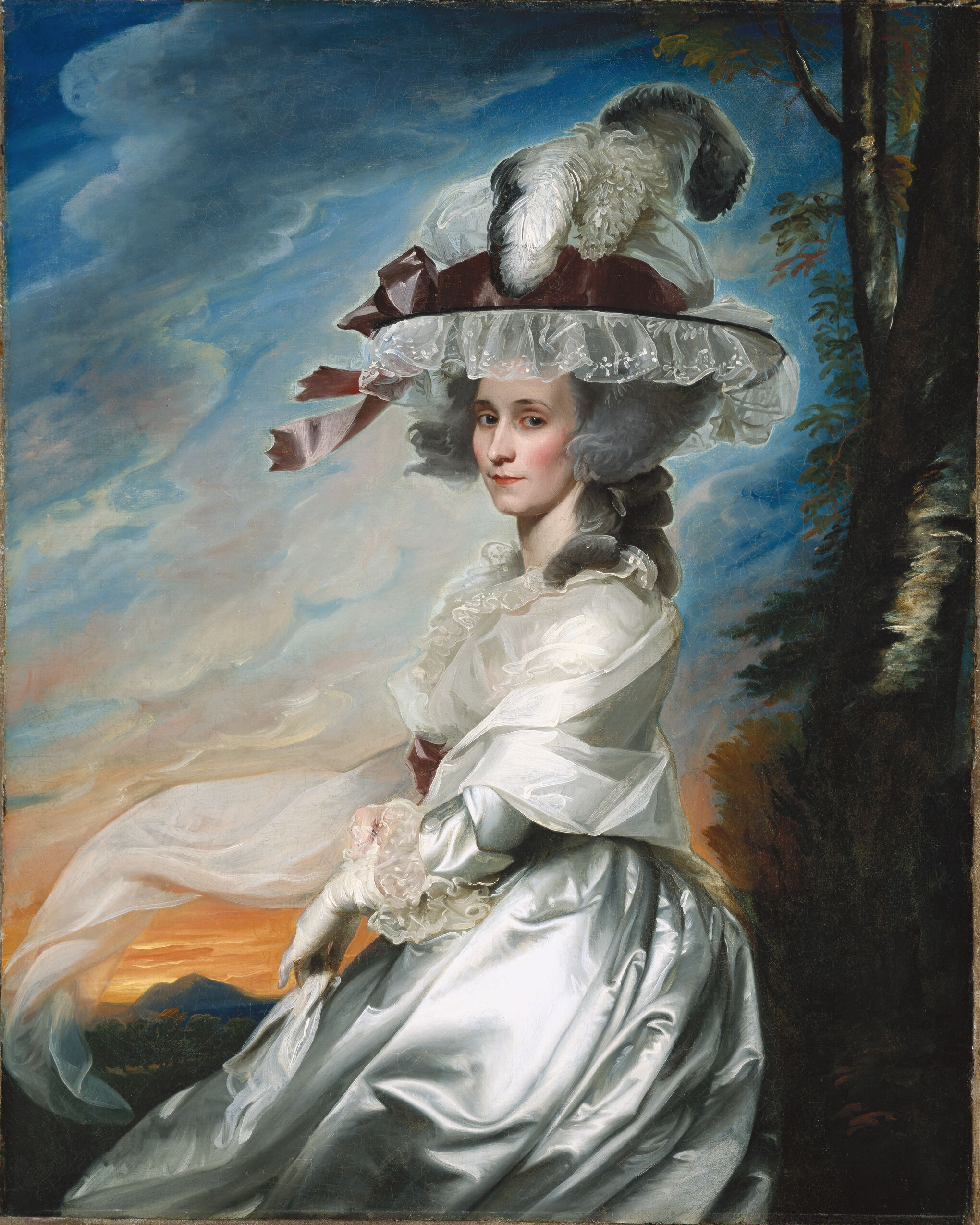
What secret hides in the quiet of the canvas? In this still moment, two figures stand as silent sentinels of a past laden with unspoken sorrow and honor. Their stoic expressions and formal attire invite us to ponder the weight of their thoughts and the lives they've led, creating an intimate connection that transcends time. Focus on the deep, velvety shadows that cradle the figures, subtly highlighting the contours of their faces and the intricate details of their uniforms. Look to the left, where vibrant reds and rich blues contrast sharply against the muted background, drawing your eye to their proud postures.
Notice how the light plays delicately upon the lace adorning their collars, while the textured brushstrokes give life to the fabric, suggesting a narrative of duty intertwined with individual identity. Yet, amid this grandeur, a palpable sense of grief lingers. The restrained expressions of the men hint at the weight of loss and sacrifice, possibly alluding to the tumult of their military experiences. Each subtle glance exchanged between them speaks volumes, revealing camaraderie forged in hardship but also a lingering ache for the fallen — a reminder that valor often carries the burden of mourning.
The contrast between their regal presentation and the shadows of their somber emotions creates a haunting tension that resonates deeply. In 1787, the artist crafted this poignant tribute during a transformative period in both his life and the art world. Living in England, Copley was navigating his identity as an American artist in a European context. This work reflects the era's growing fascination with realism and portraiture, capturing not only the physical likeness of his subjects but also the emotional depth that defines their shared experience.