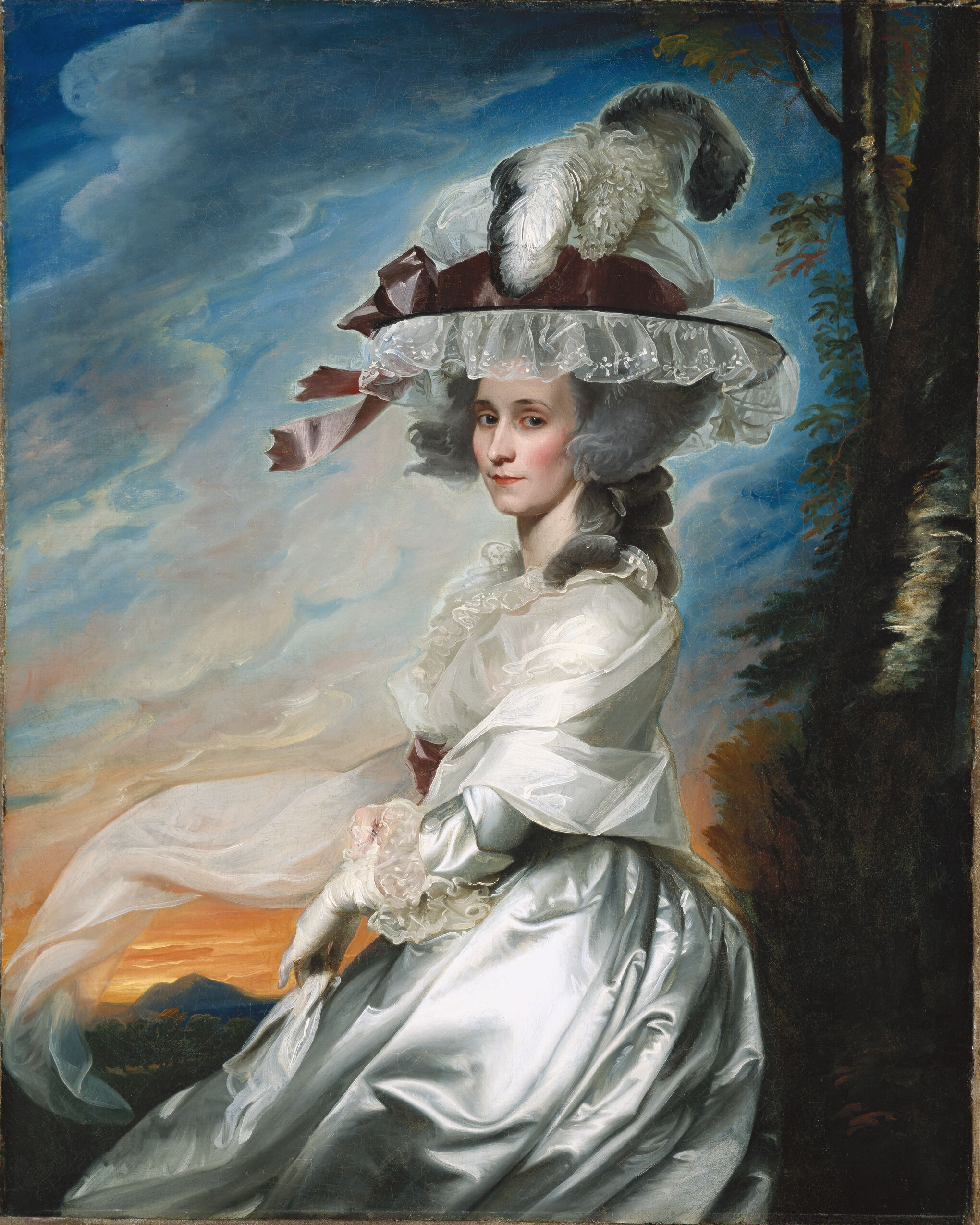
Colonel Gustav Friedrich von Dachenhausen — History & Analysis
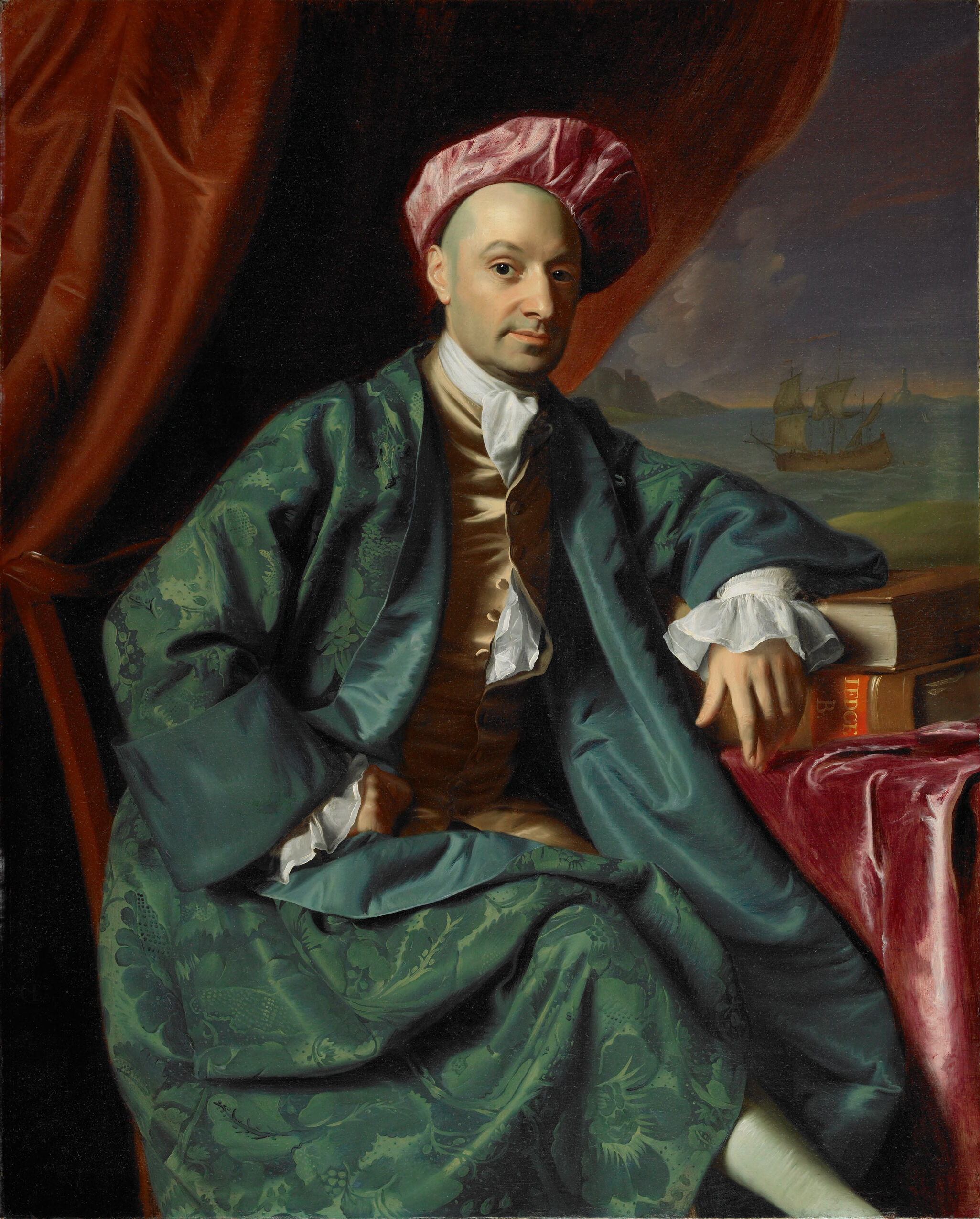
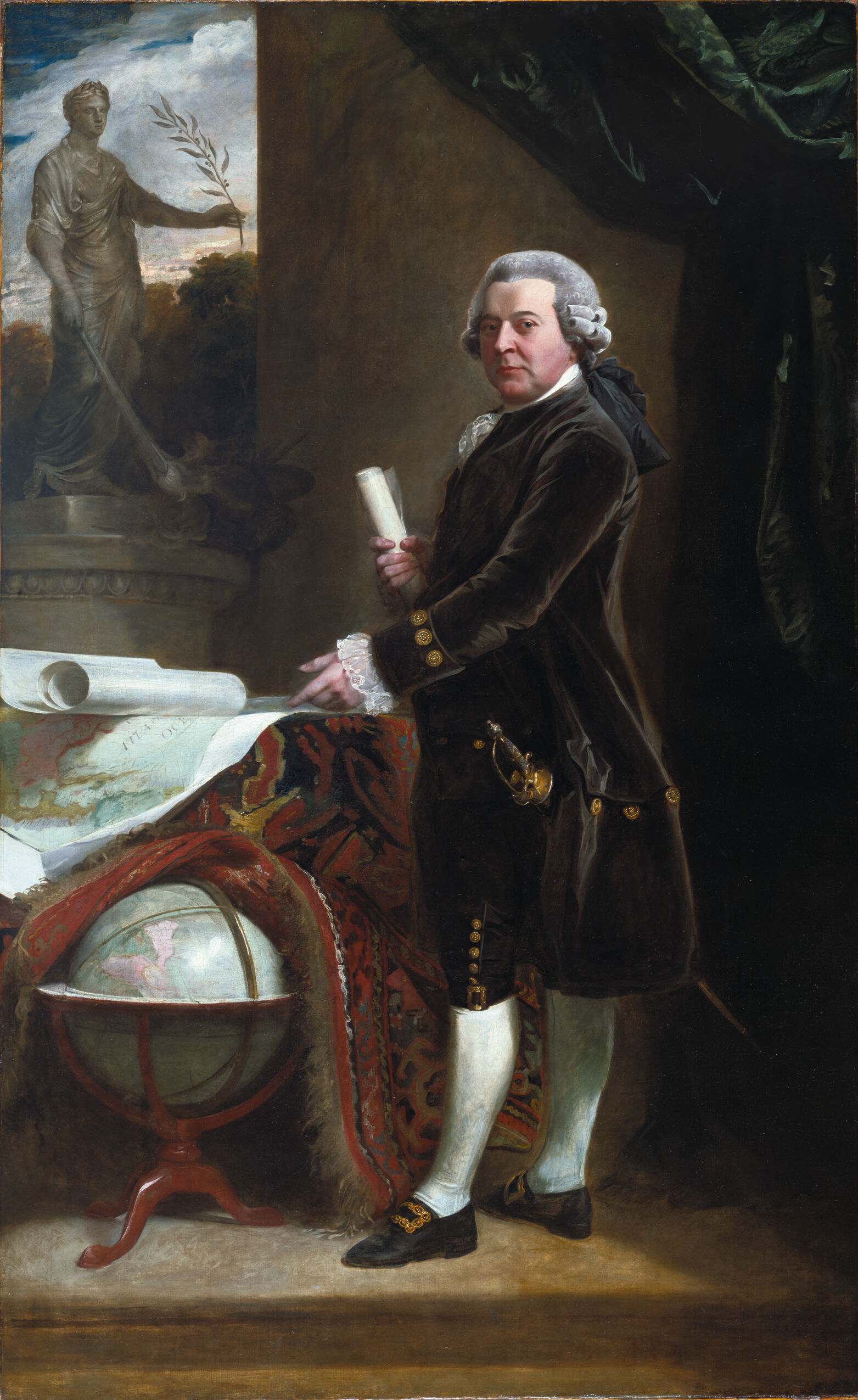
“Every brushstroke is a heartbeat remembered.” In the realm of portraiture, how do we capture the essence of a dream? Focus on the commanding presence of the figure at the canvas's center; Colonel Gustav Friedrich von Dachenhausen stands tall and resolute, his posture exuding authority and confidence. The rich colors of his uniform, deep blues and vibrant reds, contrast starkly with the muted, earthy tones of the background, drawing our eyes directly to him. Notice how the intricate detailing of the lace at his cuffs and the gleam of the gold epaulettes reflect the meticulous craftsmanship and Copley's unwavering attention to texture.
The soft light enveloping the colonel creates a halo effect, highlighting his dignified expression and inviting us to ponder his thoughts. Hidden beneath this surface of military bravado lie layers of emotional complexity. The colonel's gaze, piercing yet contemplative, hints at the weight of his responsibilities and the tumultuous world outside the frame. The interplay of light and shadow across his face evokes not just strength, but vulnerability, suggesting a man caught between duty and personal longing.
The slight tilt of his head implies an unshakable resolve, yet the way his hands rest gently on the sword offers a glimpse of introspection — a moment suspended in time. Copley painted this portrait in 1787, during a period of significant change in both his life and the art world. Having solidified his reputation in America, he was then transitioning to London, where he encountered the evolving trends of European art. The rise of Neoclassicism was reshaping the landscape, yet Copley remained steadfast in his dedication to realism and emotional depth, as evidenced in this striking portrayal of the colonel.