Cottage and Trees — History & Analysis
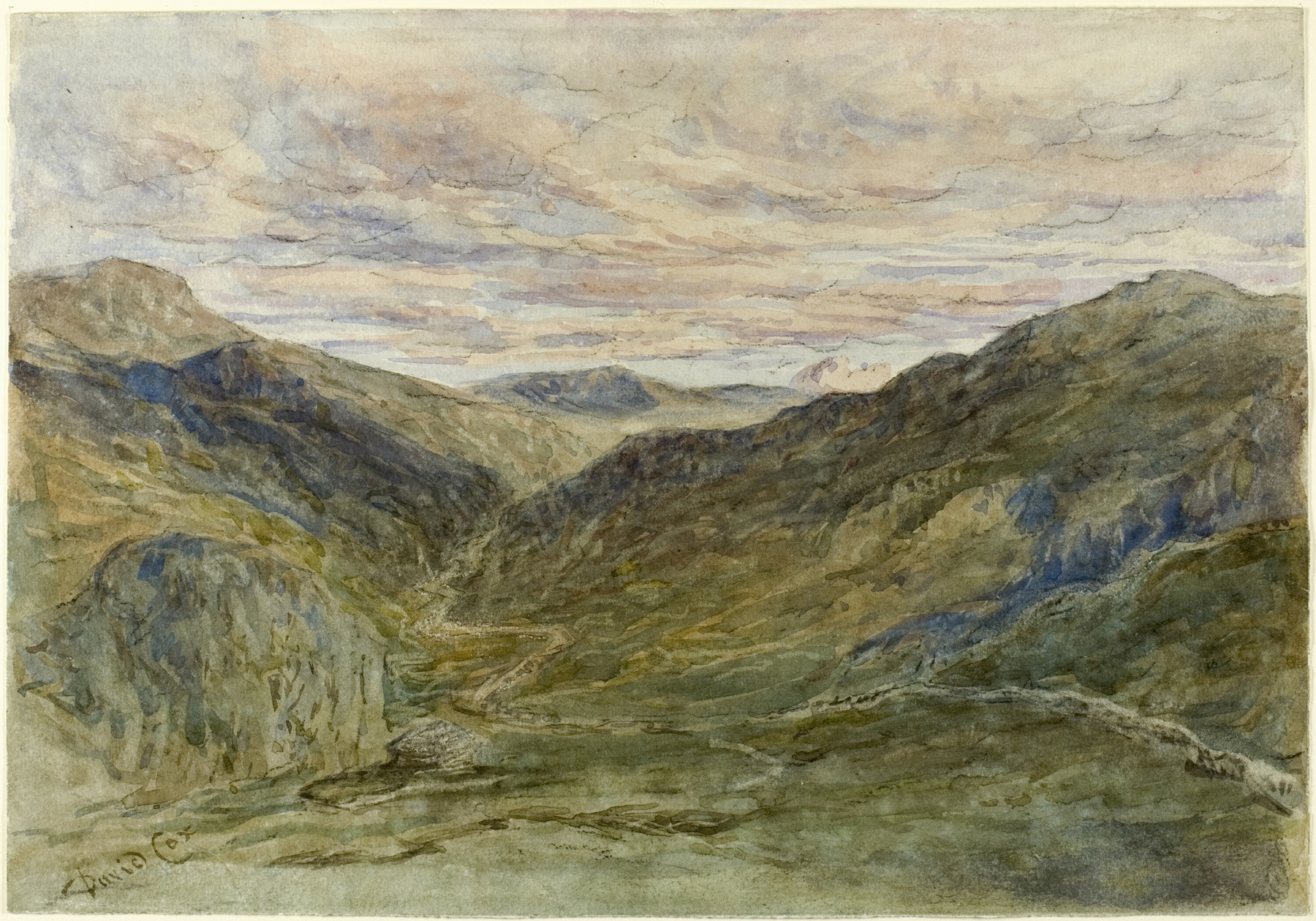
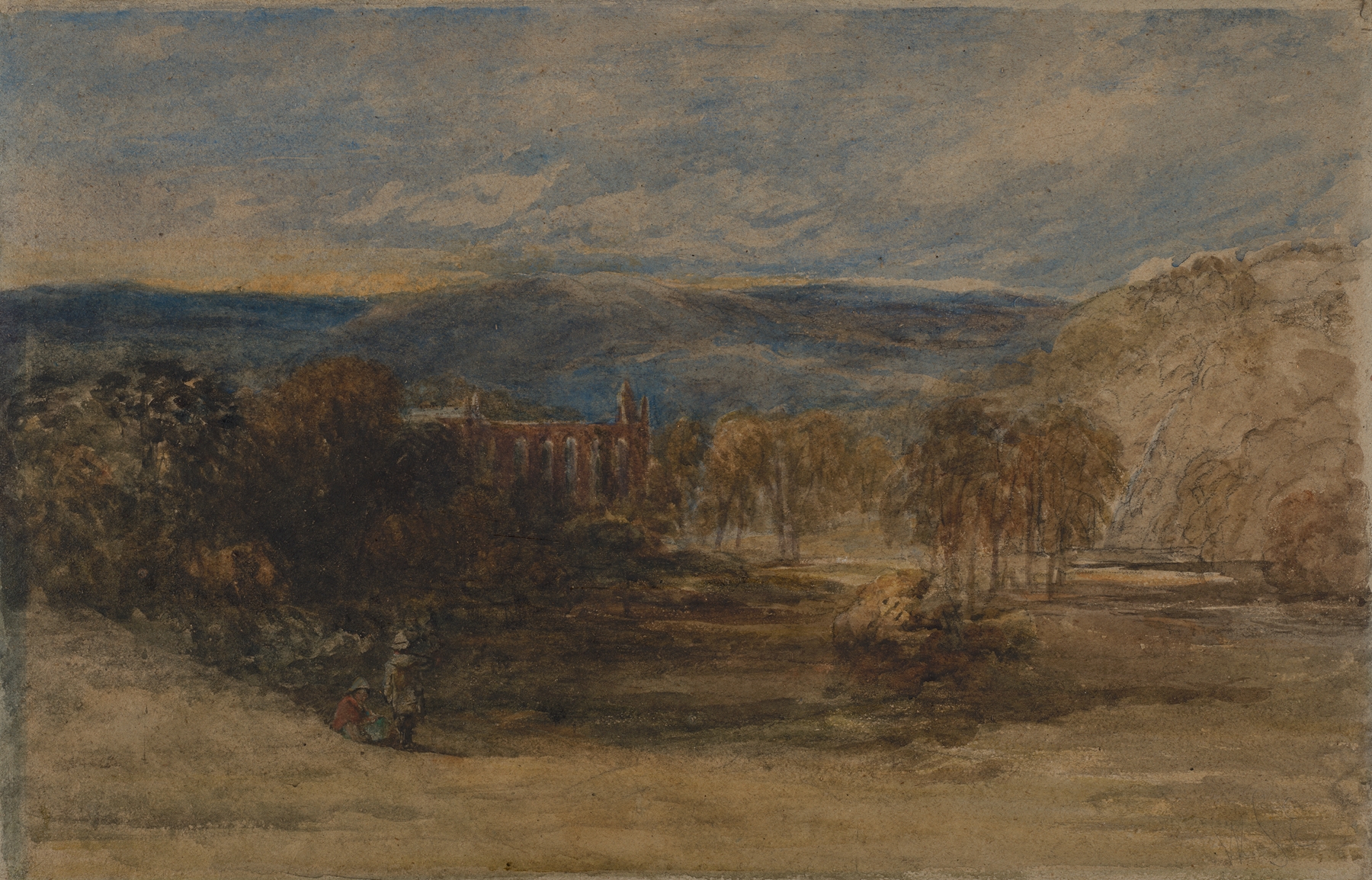
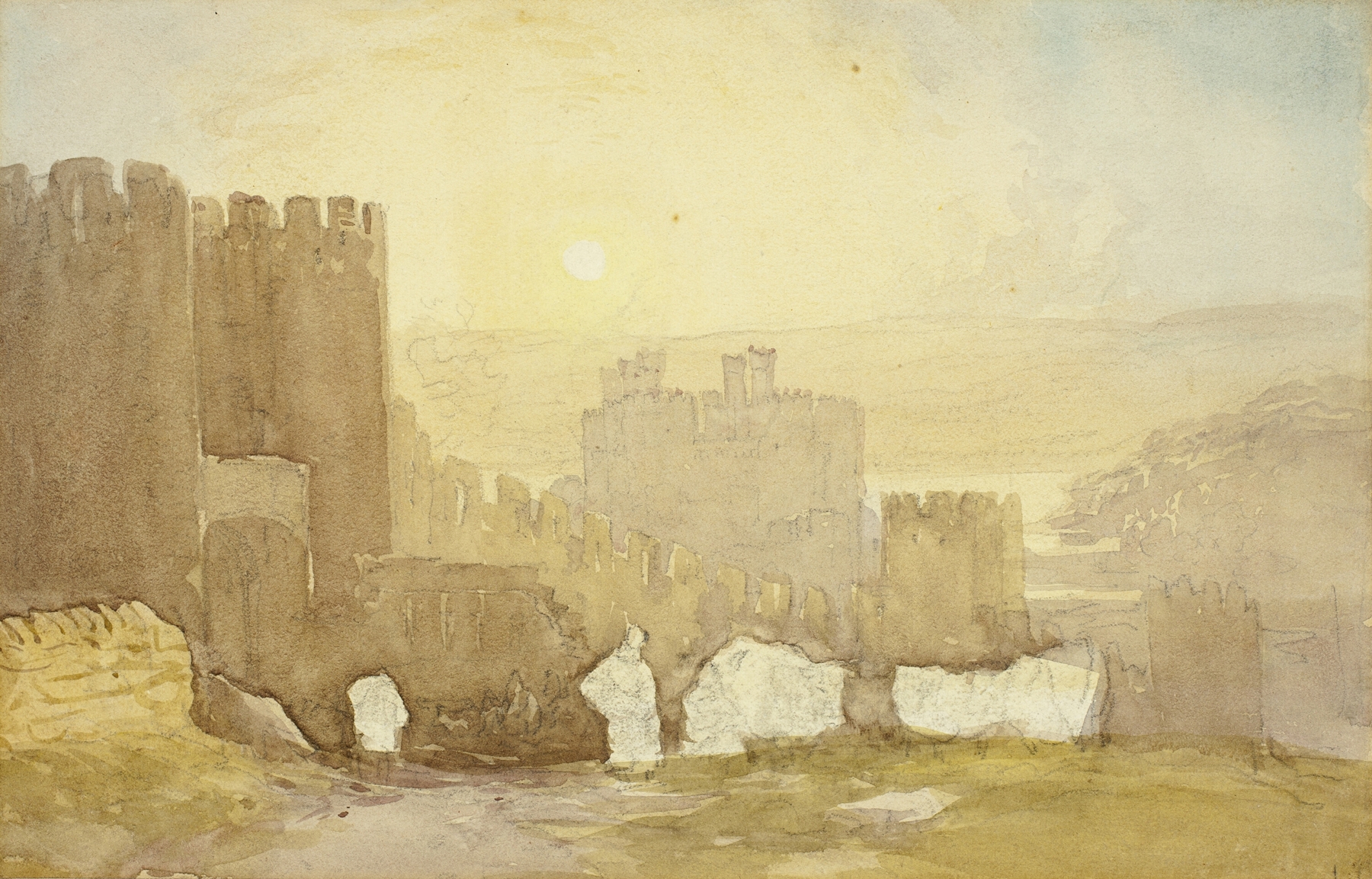
“To paint is to remember what time wants us to forget.” In Cottage and Trees, a whisper of longing imbues the landscape, inviting viewers to pause and reflect on the passage of time and its inherent beauty. Look to the left at the quaint cottage nestled among the verdant foliage, its weathered structure suggesting a story untold. Notice the gentle strokes that create a harmonious blend of greens and browns, where the soft sunlight filters through the leaves, illuminating the scene with a warm, golden glow. The interplay of light and shadow evokes an atmosphere of tranquility, while the rolling hills in the background draw the eye further into the depth of the painting.
As you delve deeper, consider the contrasts within this idyllic landscape. The vibrant life of the trees juxtaposes the stillness of the cottage, embodying a tension between permanence and the fleeting nature of existence. The subtle brushwork captures the essence of nostalgia, suggesting that the moment, though serene, is imbued with a sense of yearning for what once was. Each detail, from the overhanging branches to the serene sky, reinforces this complex relationship between memory and time.
David Cox painted this work in the 1830s while living in England, a period marked by a burgeoning interest in landscape as a subject. The Romantic movement was shifting perceptions of nature, and Cox was deeply influenced by this, exploring emotional responses to the environment around him. This artwork reflects both a personal journey and the broader artistic trends of the time, showcasing his mastery of light and atmosphere.