Country Farmhouse — History & Analysis
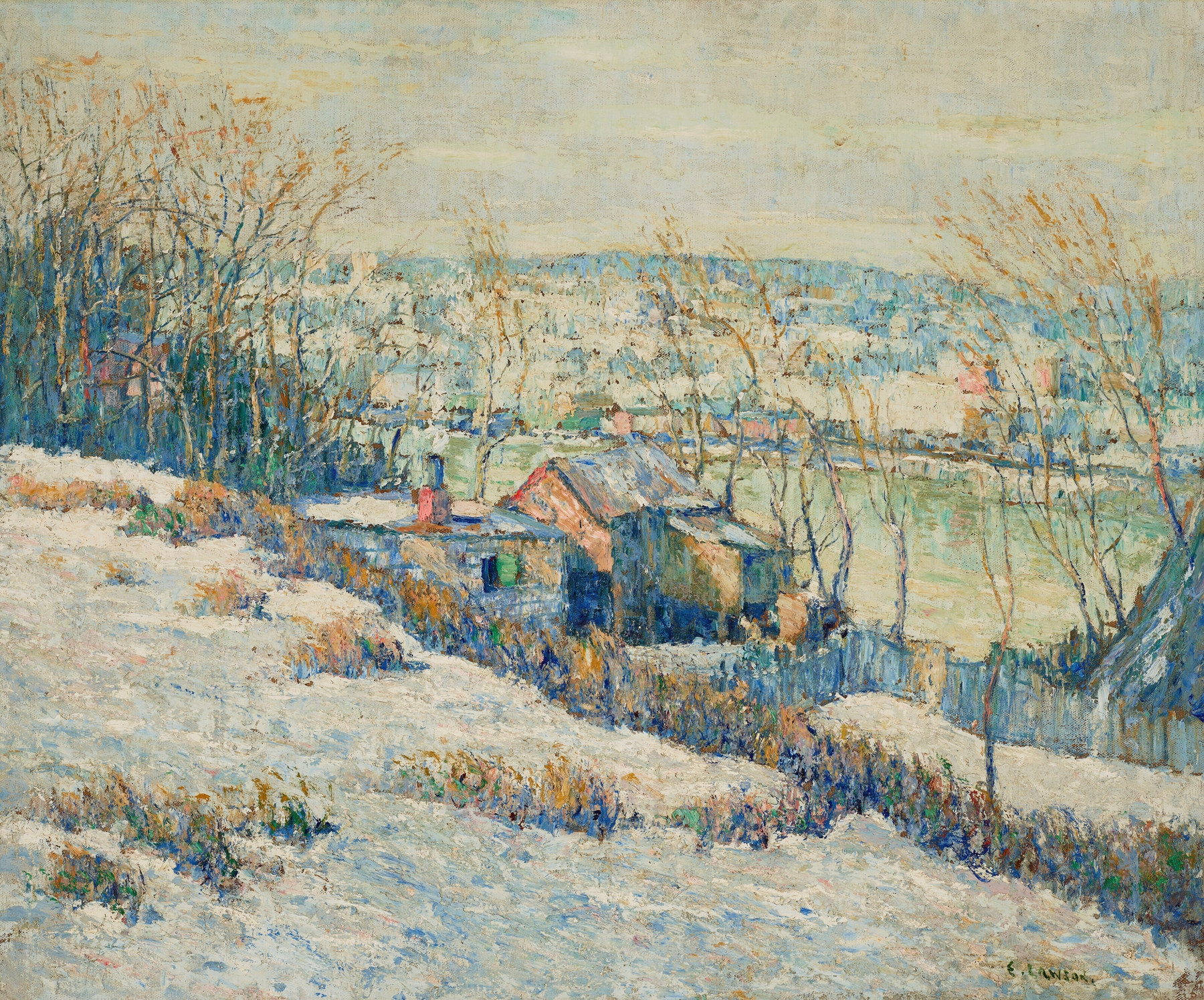
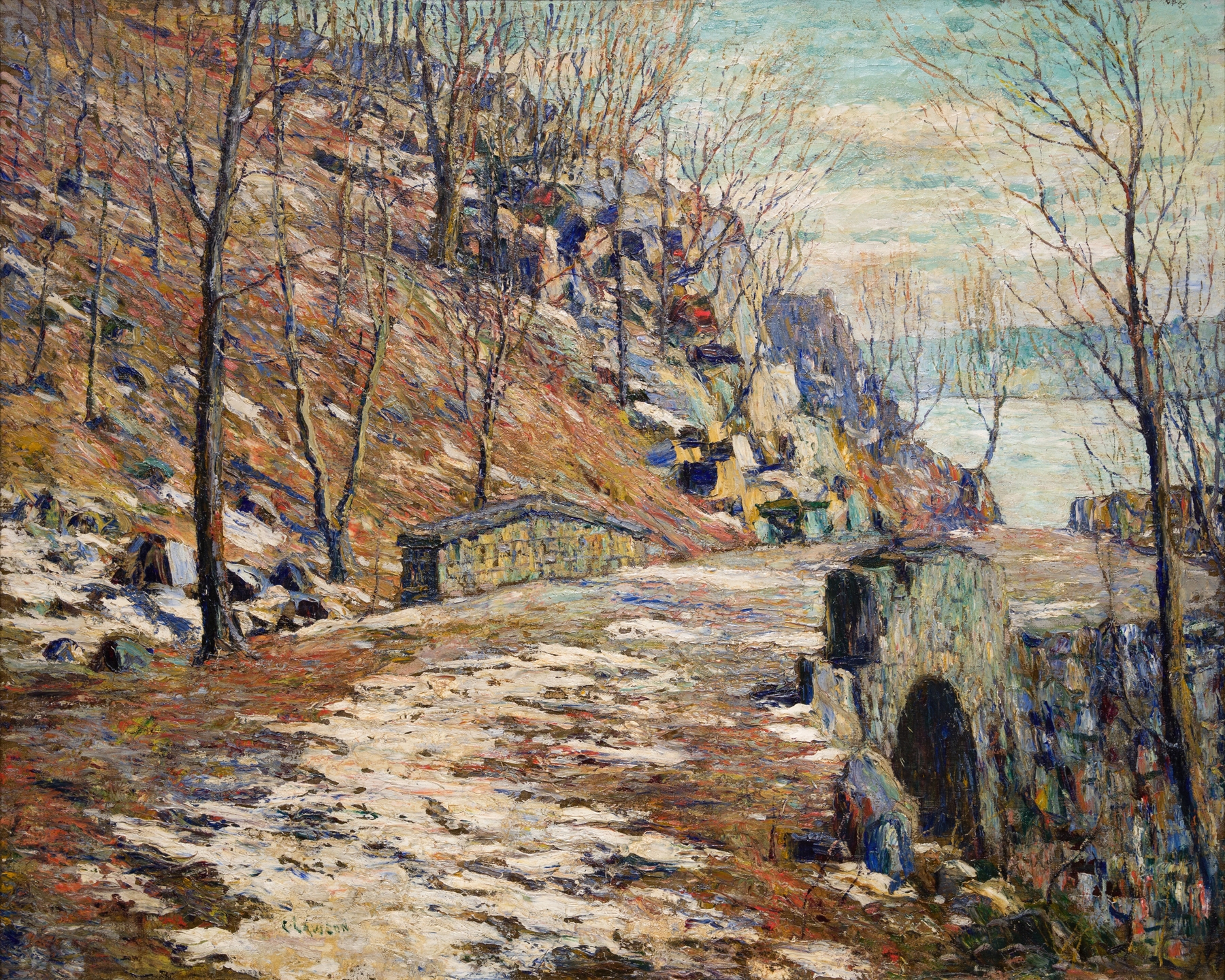
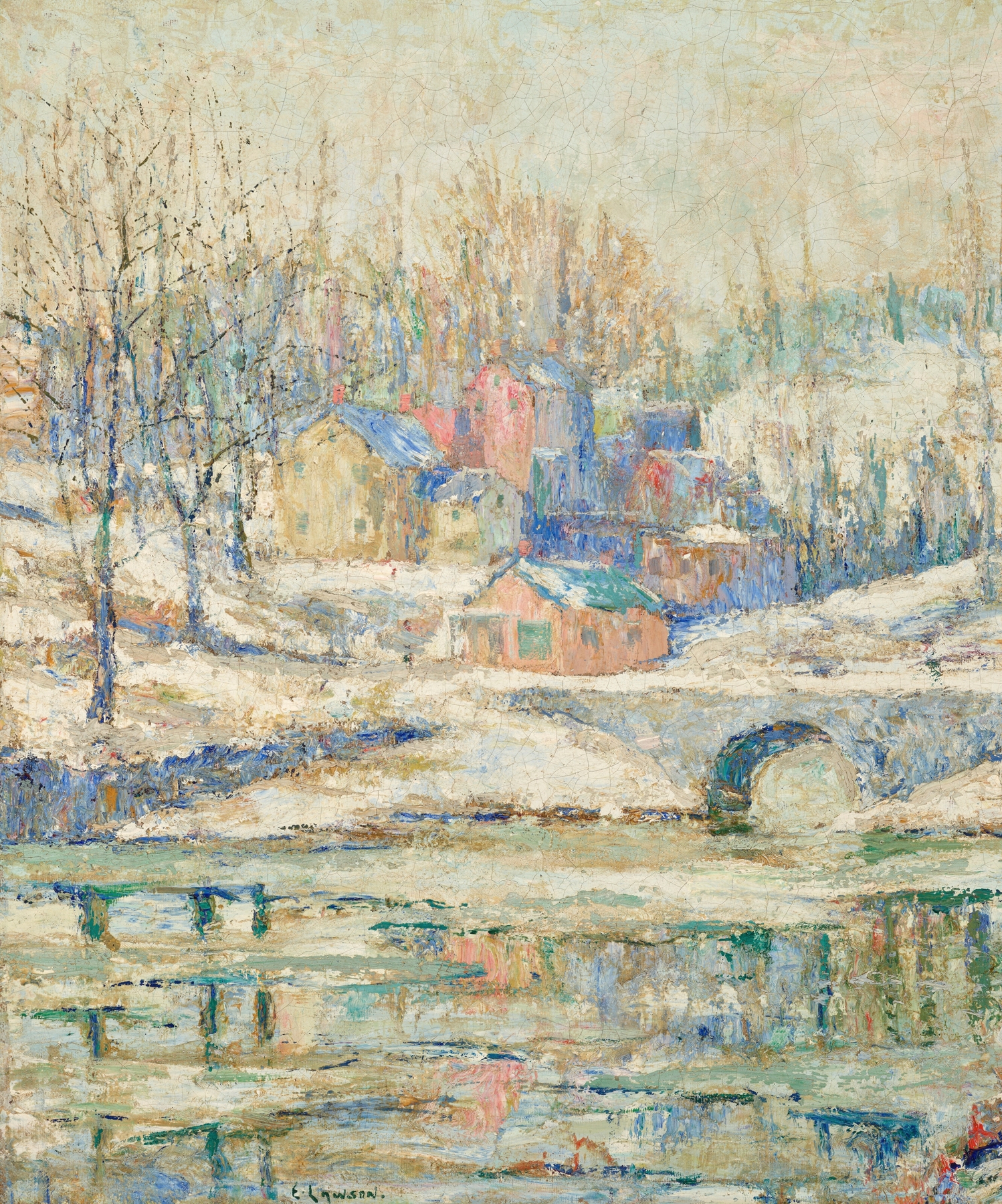
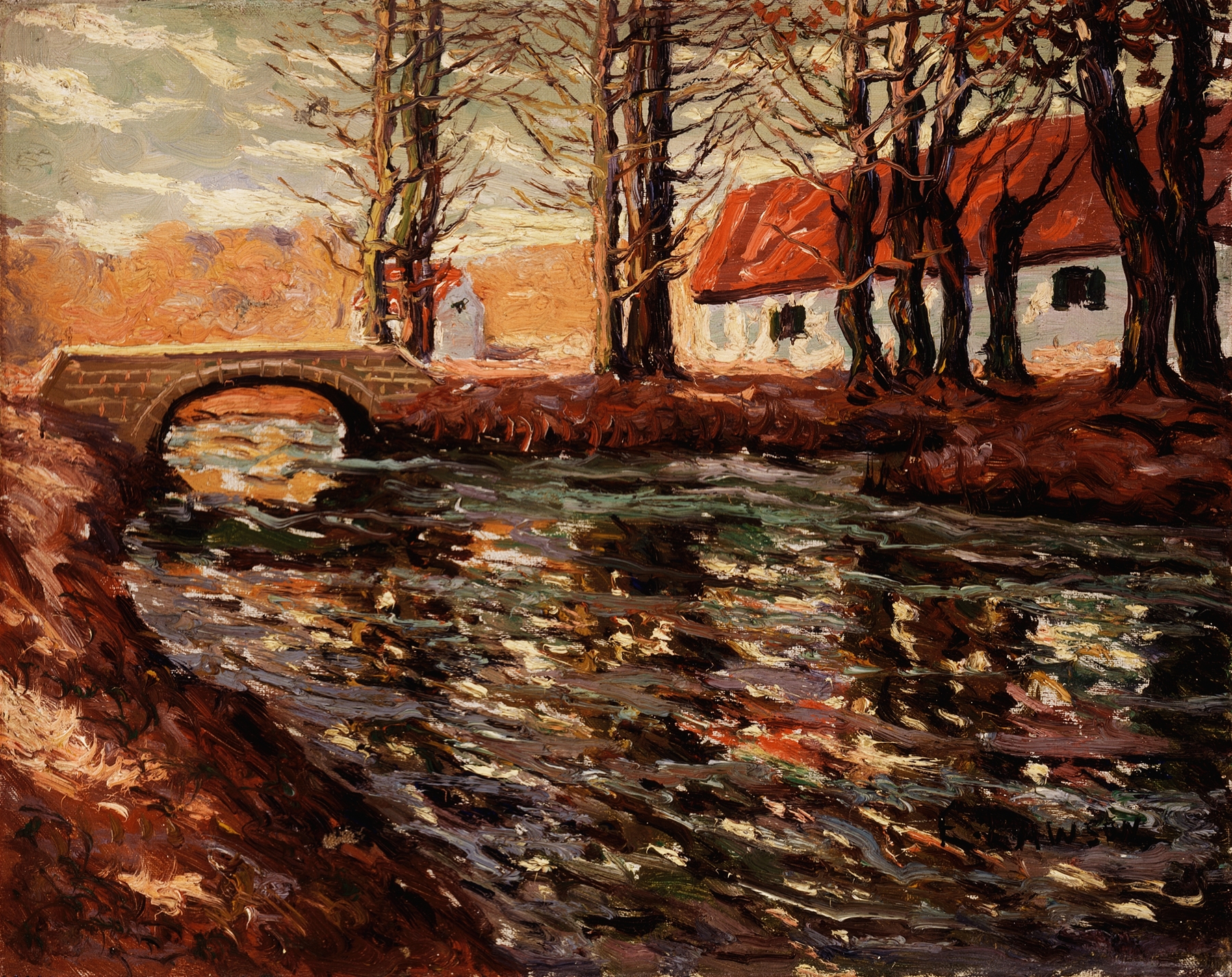
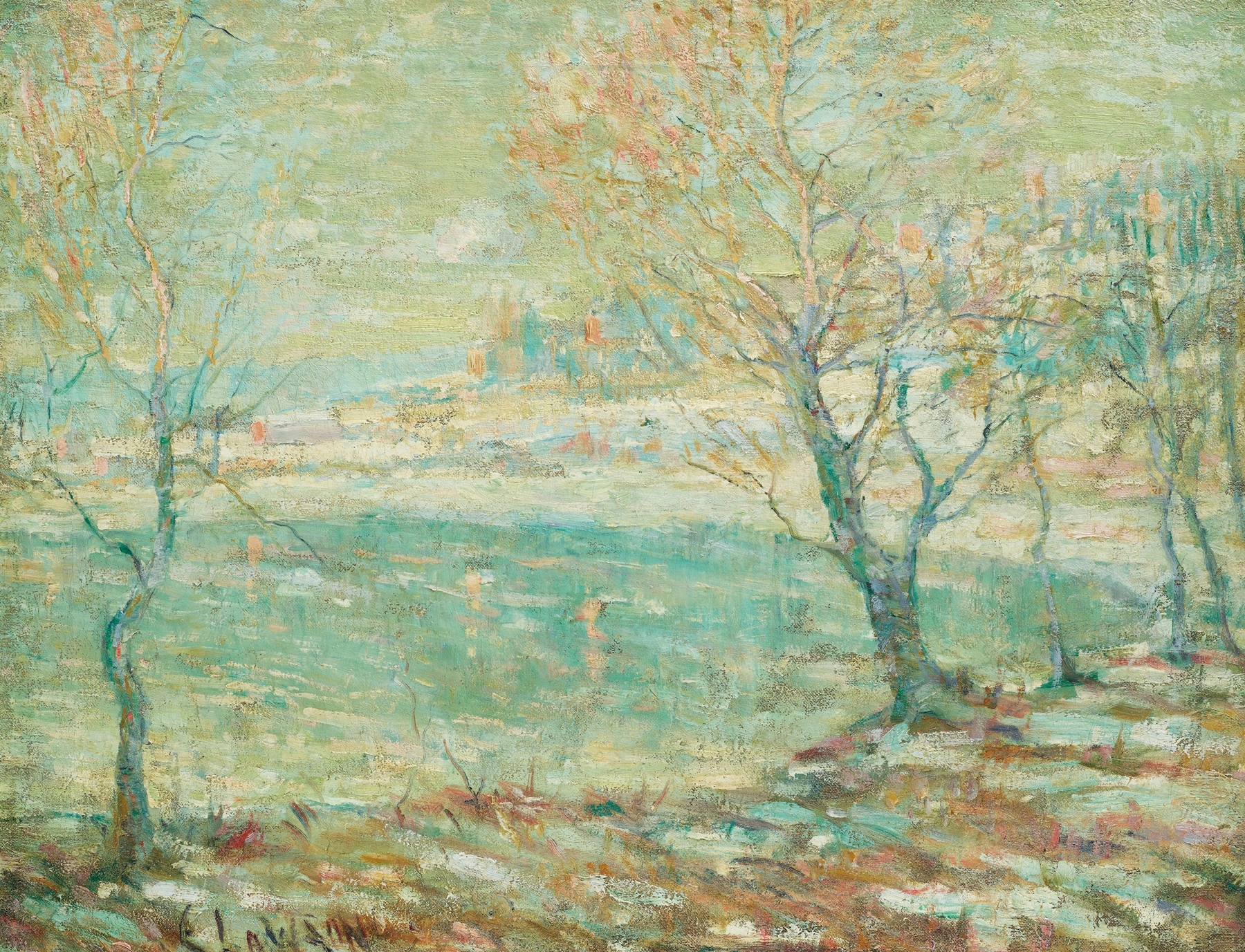
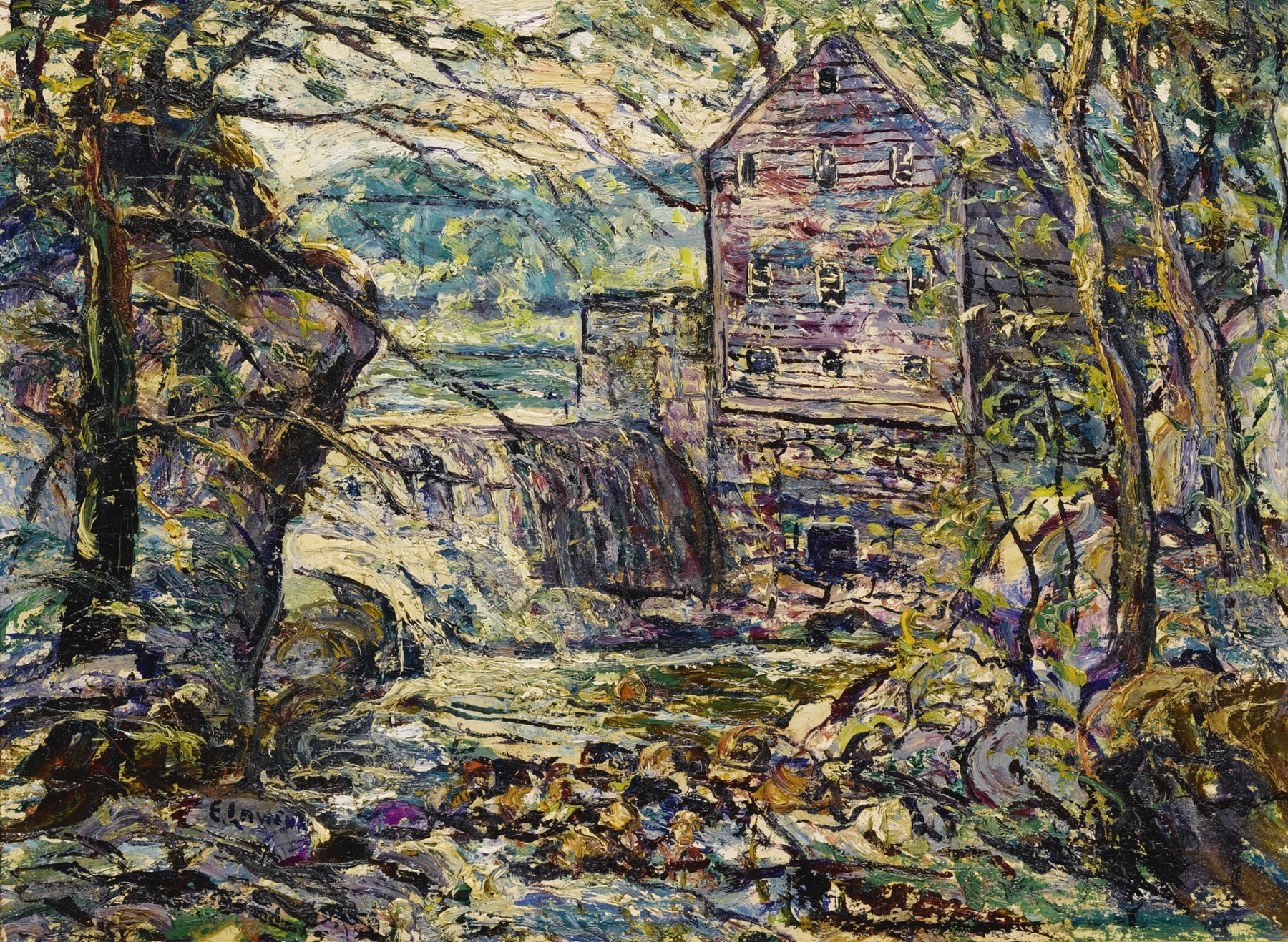
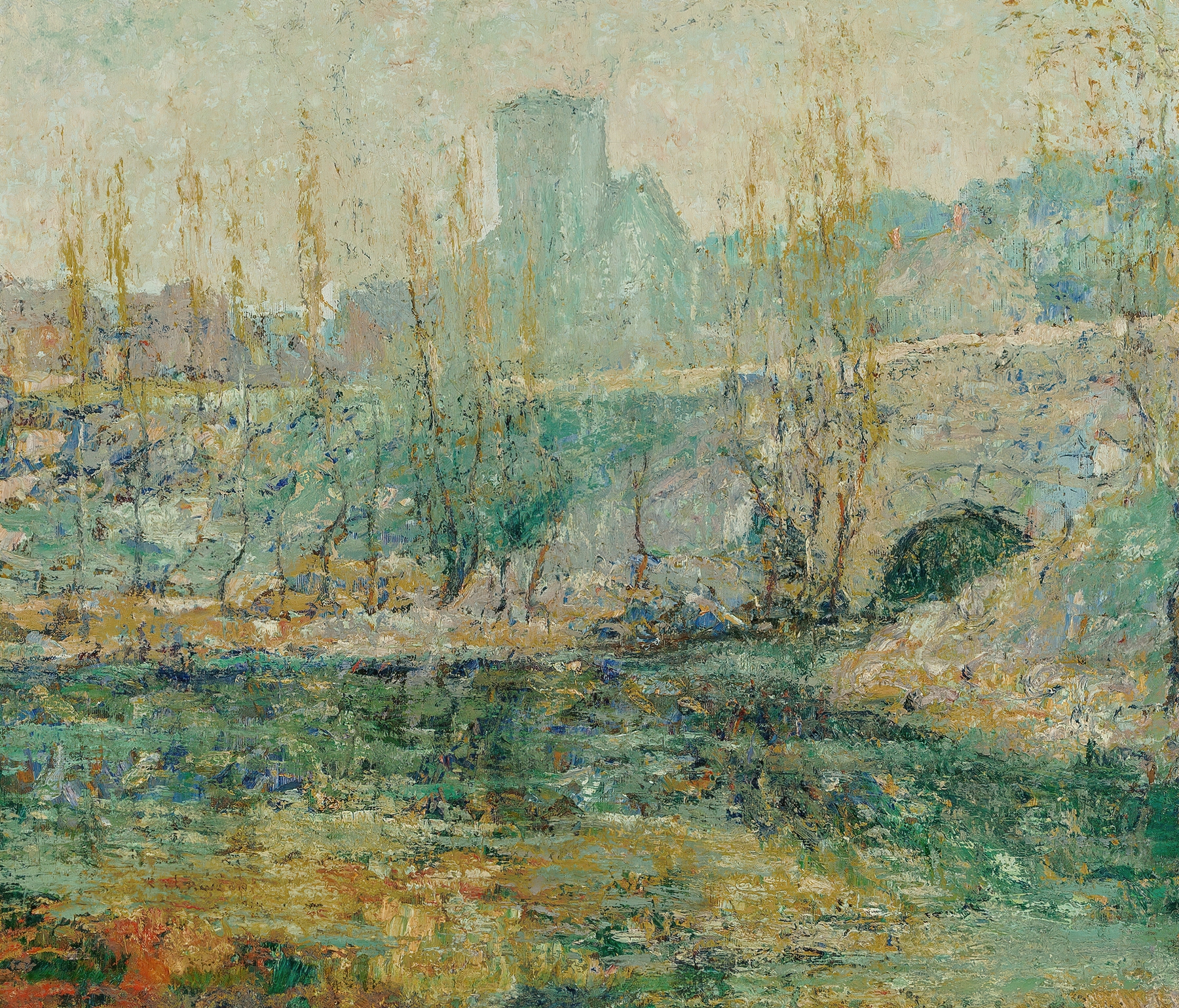
“Sometimes beauty is just pain, disguised in gold.” The vibrant hues of a landscape can often mask the deeper truths that lie beneath the surface, inviting us to explore complexities hidden within their allure. Look to the left at the rich greens and browns that define the sprawling fields, leading the eye towards the homely structure nestled amidst the foliage. Notice how the sunlight dances upon the farmhouse’s weathered facade, illuminating the textures of the wood and casting deep shadows that seem to whisper stories of labor and endurance. There is a warmth in the palette, yet hints of an underlying chill suggest the struggles of rural life, creating a delicate balance that draws us in.
The juxtaposition of light and darkness plays a crucial role, revealing a subtle tension between tranquility and toil. The radiant sky, painted in soft pastels, contrasts with the sturdy, earth-toned farmhouse, symbolizing hope amidst hardship. The absence of human figures heightens the sense of solitude, suggesting that beauty often thrives in isolation—a reminder of the quiet battles fought in rural existence, where joy and sorrow coexist harmoniously.
In the years between 1915 and 1920, while creating this piece, the artist was deeply influenced by the American landscape and the burgeoning art movements of the time. Working in New York, he sought to capture the essence of rural life against the backdrop of an industrializing nation, reflecting both the serenity of the countryside and the complications of modernity. Lawson’s commitment to depicting the American experience through vivid color and texture marked a significant chapter in his artistic journey.