Cypress and Poppies — History & Analysis
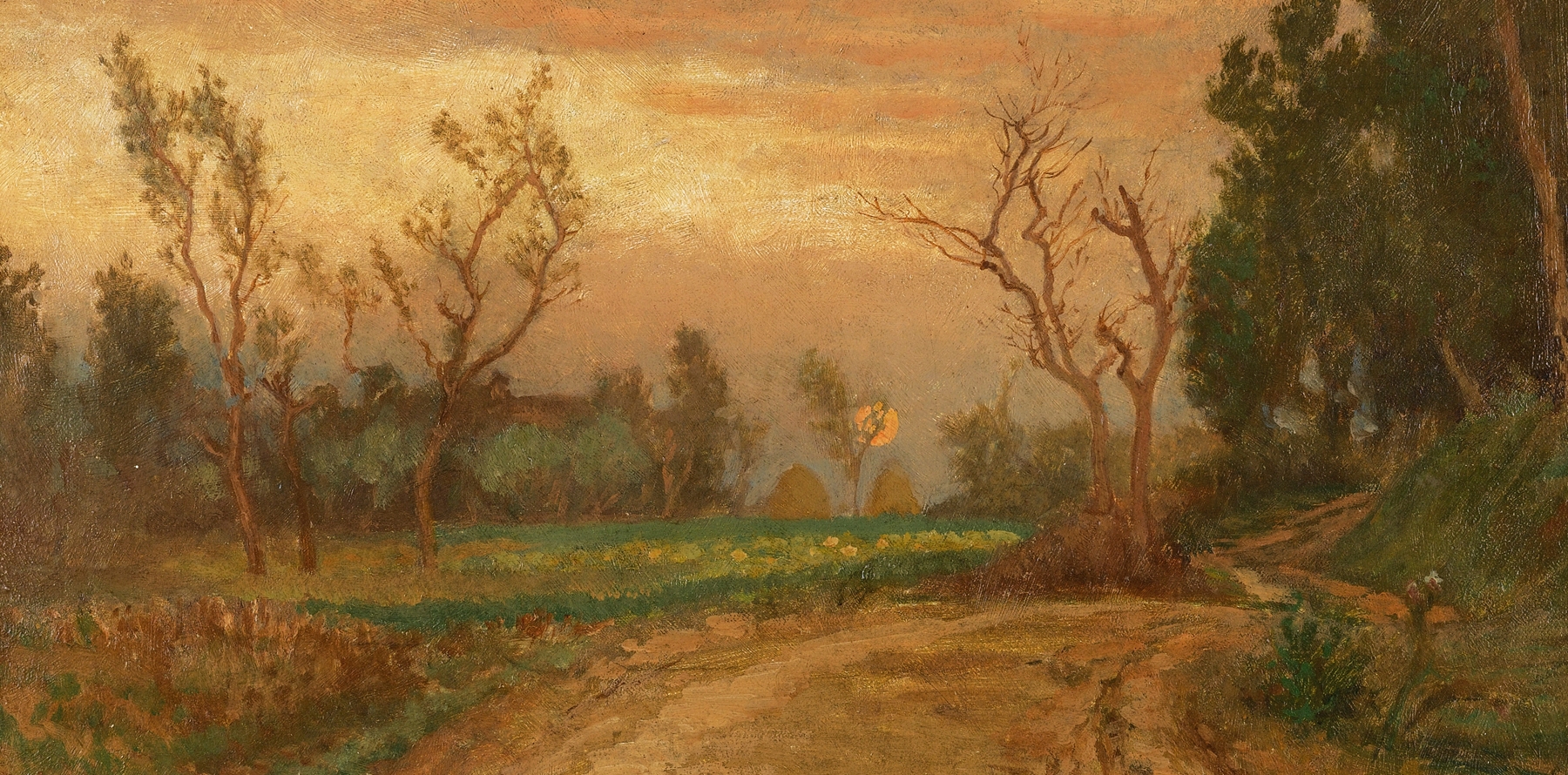
“Every brushstroke is a heartbeat remembered.” In the realm of dreams, art becomes the vessel for our deepest yearnings and memories. Cypress and Poppies transcends mere depiction; it beckons us into a world where nature whispers secrets and emotions flow like rivers. Look closely at the striking contrast between the dark, regal cypress tree on the left and the vibrant poppies that dance at its feet. Notice how the rich reds of the flowers pulse with life against the cool greens and browns of the surrounding landscape. The delicate brushwork creates a texture that invites the viewer’s eye to wander, conveying a sense of both serenity and quiet turmoil.
The dynamic interplay of light and shadow engulfs the scene, exposing the tension between the cyclical nature of life and the inevitability of decay. Hidden within this serene tableau lies a profound exploration of transience and remembrance. The towering cypress, a symbol of mourning in many cultures, stands sentinel over the fleeting beauty of the poppies, which bloom vibrantly for only a short time. This juxtaposition serves as a poignant reminder of our own ephemeral existence, as well as the dreams we strive to preserve against the relentless passage of time.
Each detail, from the gentle sway of the blossoms to the stoic strength of the tree, encapsulates a narrative of hope intertwined with loss. In the late 19th century, Vedder was immersed in a world marked by artistic exploration and the quest for identity. Creating Cypress and Poppies between 1880 and 1890, he drew inspiration from the Symbolist movement, which sought to convey deeper truths through allegory and metaphor. This period in his life was marked by a search for meaning amid the rapid changes of modernity, reflecting broader themes within art that grappled with the transient nature of beauty and existence.