Das Herzogenhorn im Neuschnee — History & Analysis
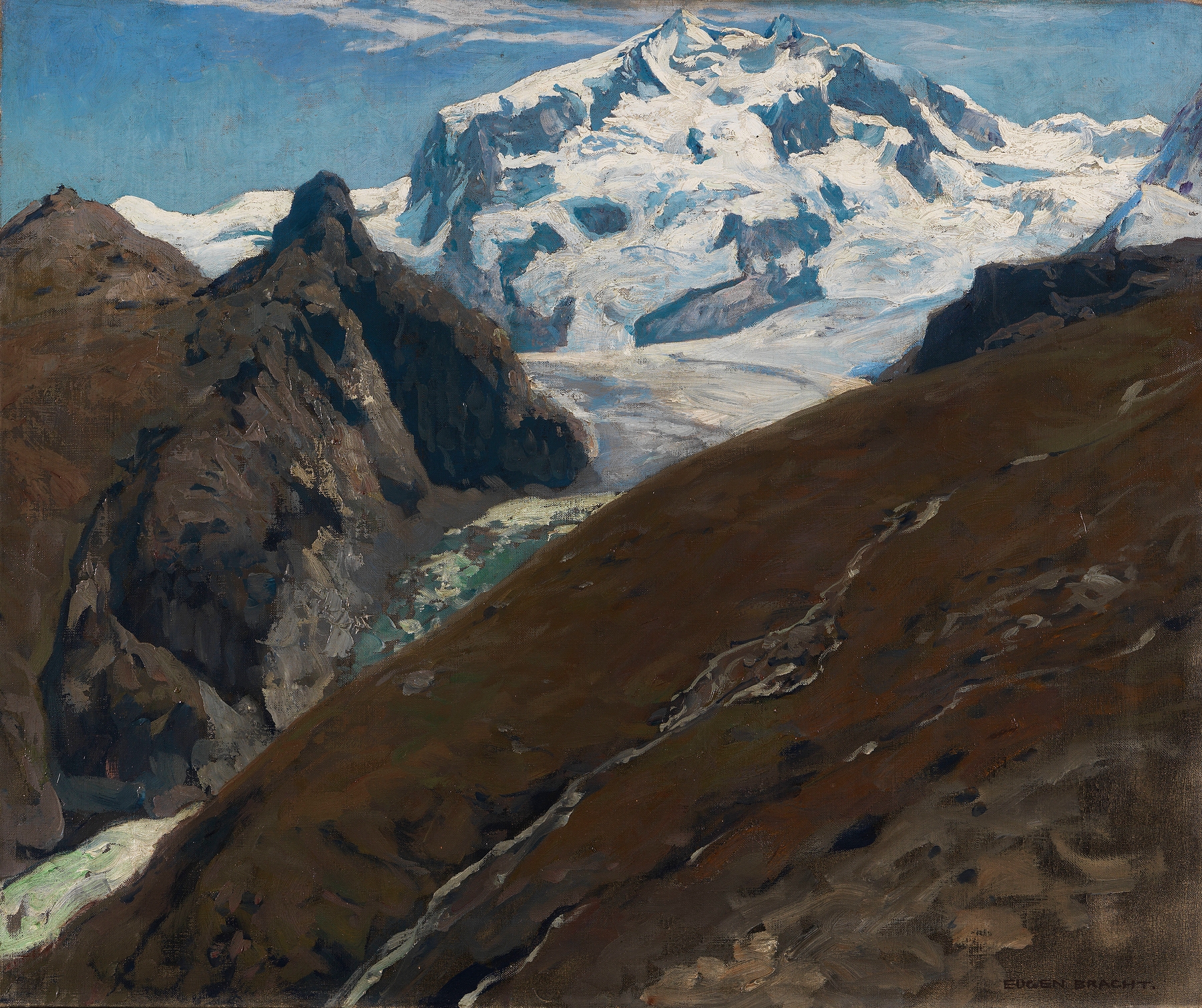
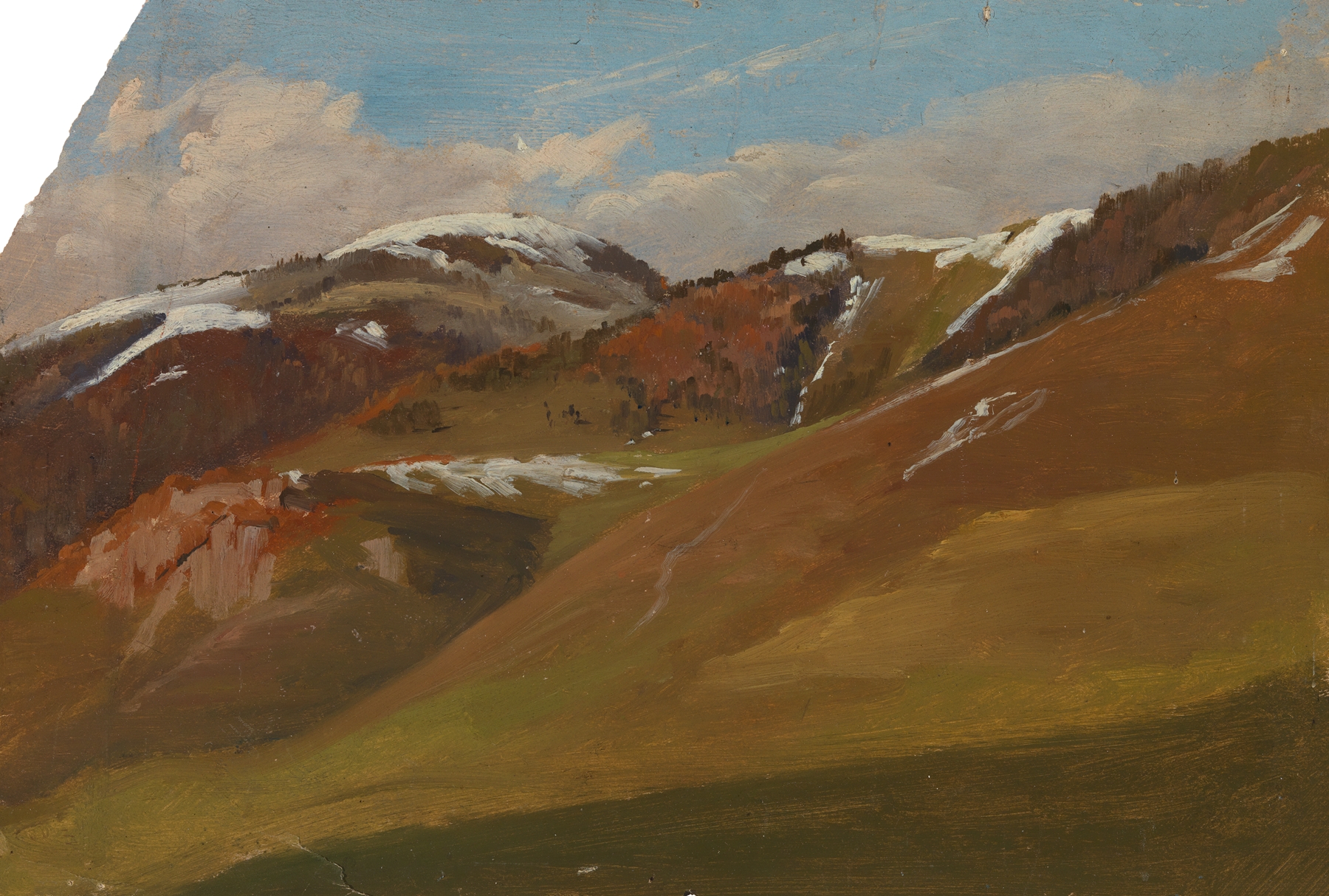
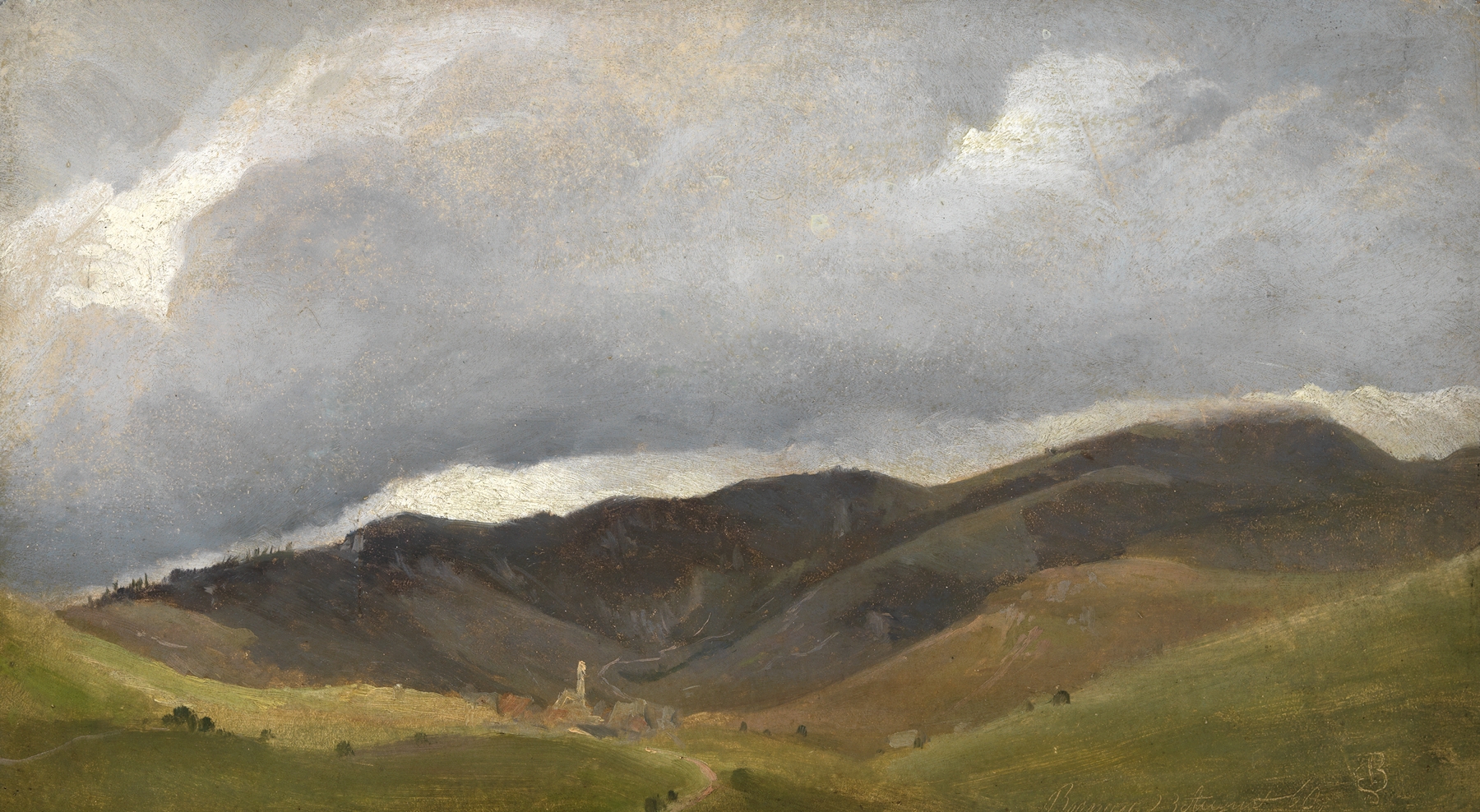
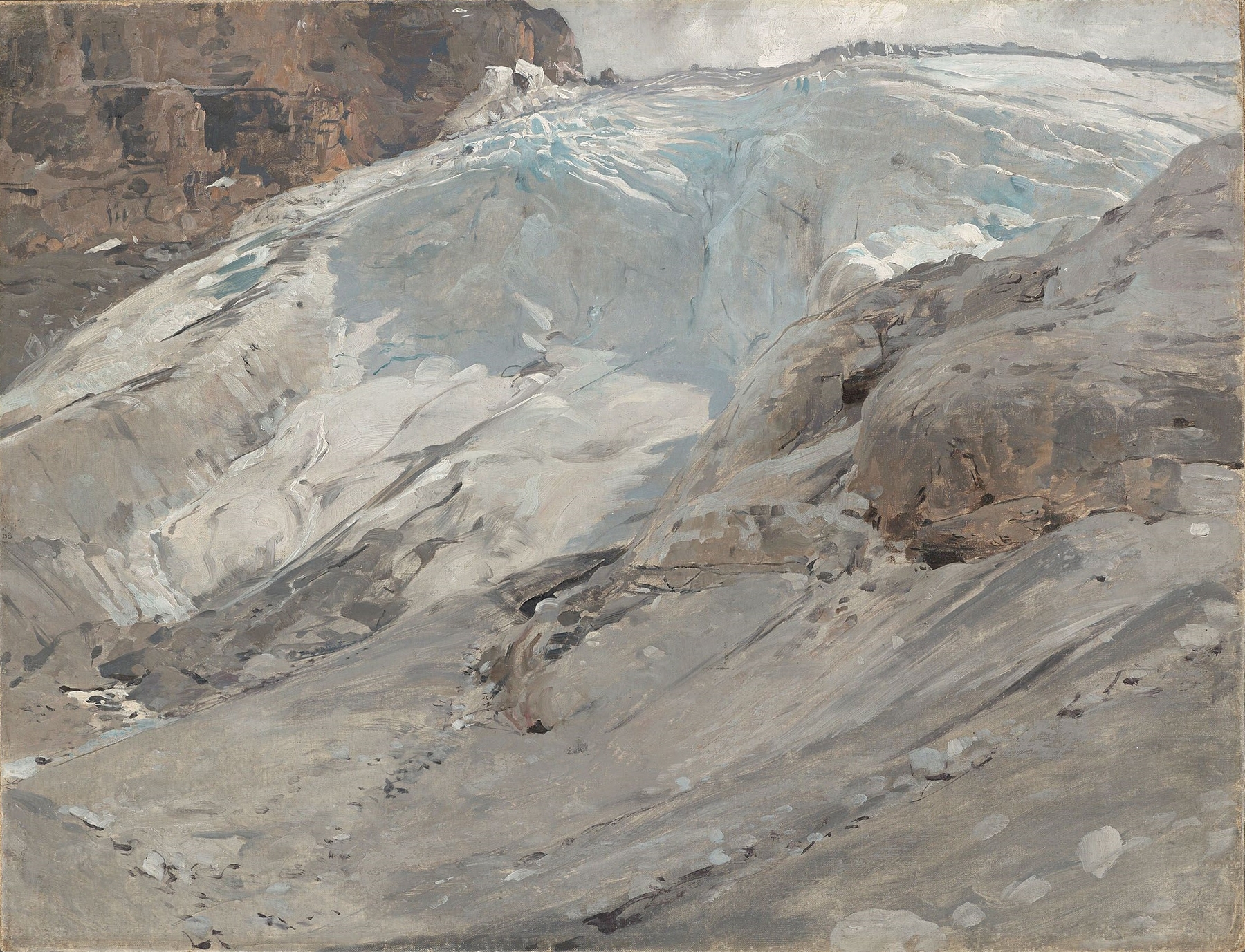
Can paint confess what words never could? In Das Herzogenhorn im Neuschnee, the canvas pulses with a deep, almost haunting obsession — a love letter to the sublime beauty of nature. Look to the left at the towering peaks, their jagged silhouettes cutting sharply against the soft, white expanse of snow. The crispness of the blues and whites creates a serene yet cold atmosphere, while the warm tones on the horizon hint at an impending sunset, casting a golden glow.
The foreground reveals intricate details of the snowy landscape, where each brushstroke mimics the soft texture of fresh snow, inviting a sense of tactile wonder. This meticulous attention to the interplay of light and shadow draws the viewer into a tranquil yet isolated space. As you delve deeper, subtle contrasts emerge within the painting. The gentle light glinting off the icy surface symbolizes purity and stillness, while the ominous shadows lurking in the recesses suggest an underlying tension — a struggle between beauty and desolation.
Bracht’s use of color not only captures the serene moment but also reflects an intense yearning, an obsessive gaze at nature’s grandeur that hints at the artist's desire to freeze this transient beauty forever. In 1860, Eugen Bracht created this piece during a time of personal upheaval, living in Germany amidst shifting artistic movements. The Romanticism that permeated the era influenced his depiction of nature’s dramatic landscapes, as he sought to convey the emotional weight of the natural world. This painting stands as a testament to his exploration of obsession — a longing for connection with the sublime, a theme that resonates deeply in the context of his life and the broader artistic landscape of the time.