De bespotting van Christus — History & Analysis
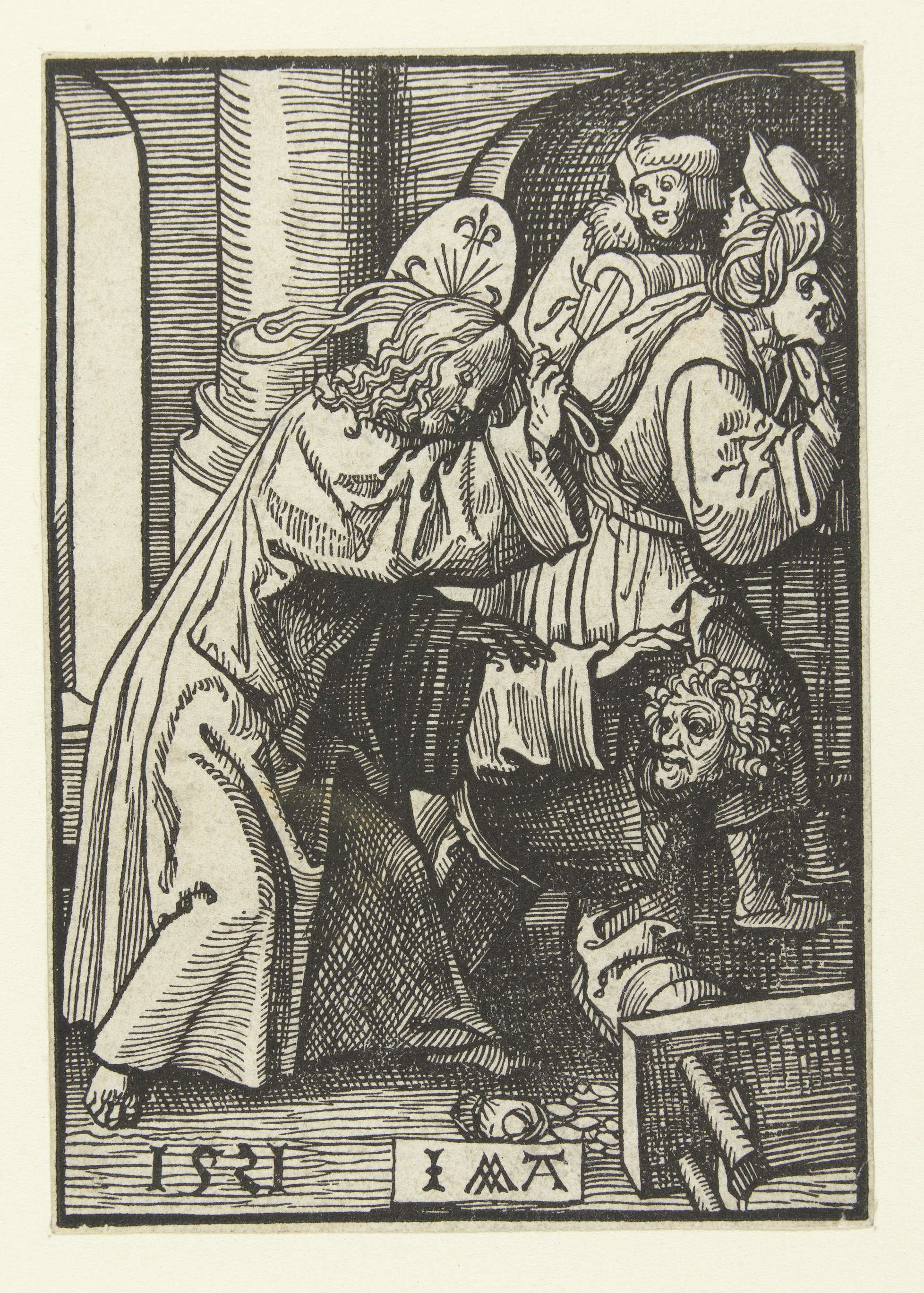
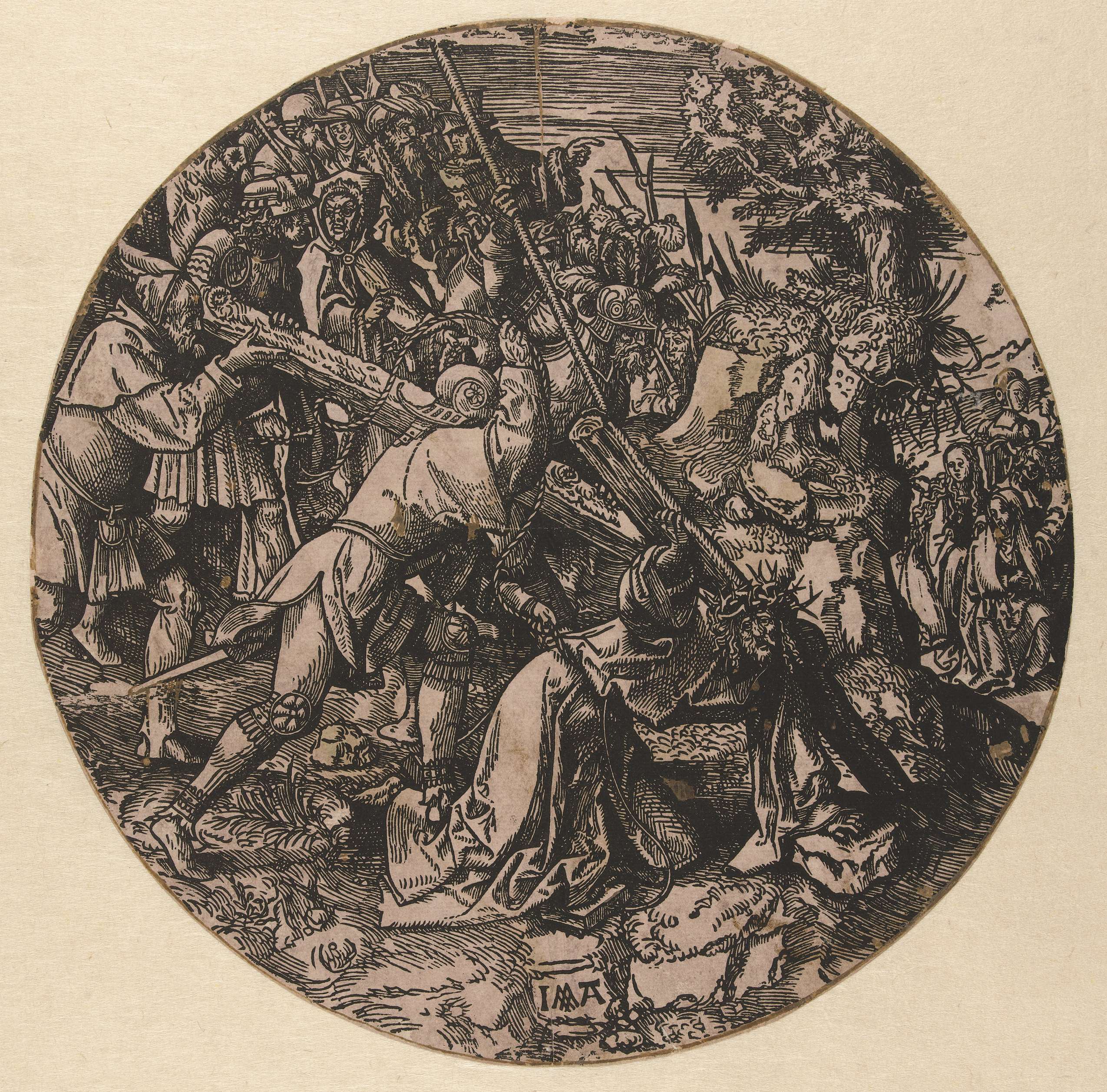
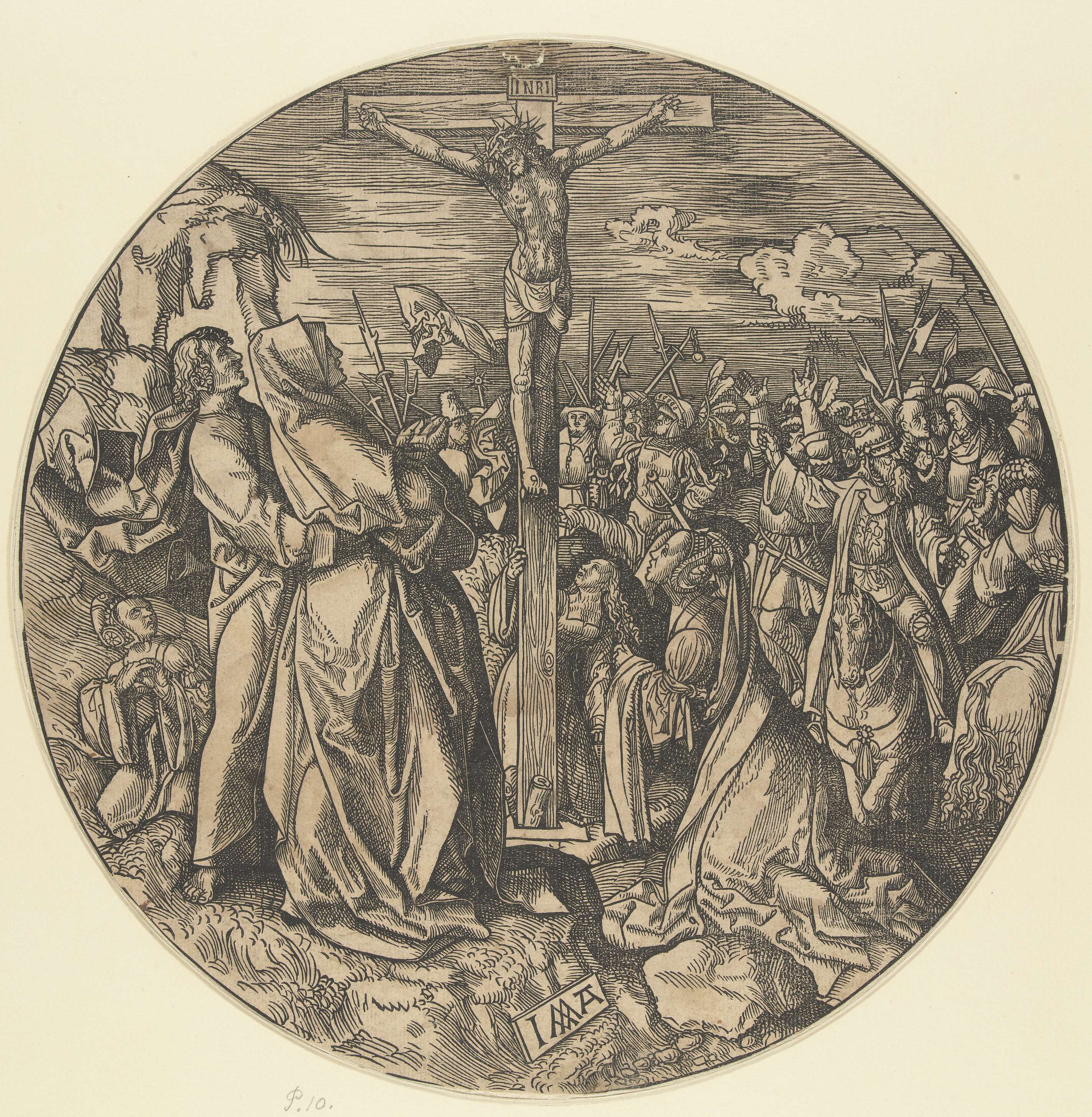
“Every silence here is a confession.” In a world filled with noise, the void can speak louder than words, inviting us to confront the emptiness that often defines our existence. Look to the left at the figure of Christ, bound and ridiculed, his head bowed in an expression that captures both vulnerability and isolation. The muted palette—earthy tones of browns and grays punctuated by the stark white of his garments—creates a somber atmosphere, drawing our focus toward the suffering before us.
Notice how the light falls unevenly across the figures, emphasizing the emotional weight of the scene, while the contrasting shadows envelop the onlookers, suggesting a collective complicity in the act of derision. Delve deeper into the composition and you’ll find a symphony of emotions playing out in the gestures and expressions of the crowd. The sneering faces convey disdain, yet there’s a haunting emptiness in their eyes, hinting at their own internal battles.
This contrast serves to elevate the narrative—while Christ bears the brunt of public scorn, the onlookers are equally trapped in their own moral void, complicit in a tragedy that transcends the physical act of mockery. Created between 1517 and 1533, this work emerged during a time of significant religious upheaval in Europe, as the Reformation challenged established norms and beliefs. Van Oostsanen, a prominent figure in the Northern Renaissance, captured the tension of his era, reflecting not only the spiritual conflicts of his time but also the human condition—one marked by vulnerability, judgment, and the haunting silence of complicity.