De bomvrije kazerne te Vlissingen — History & Analysis
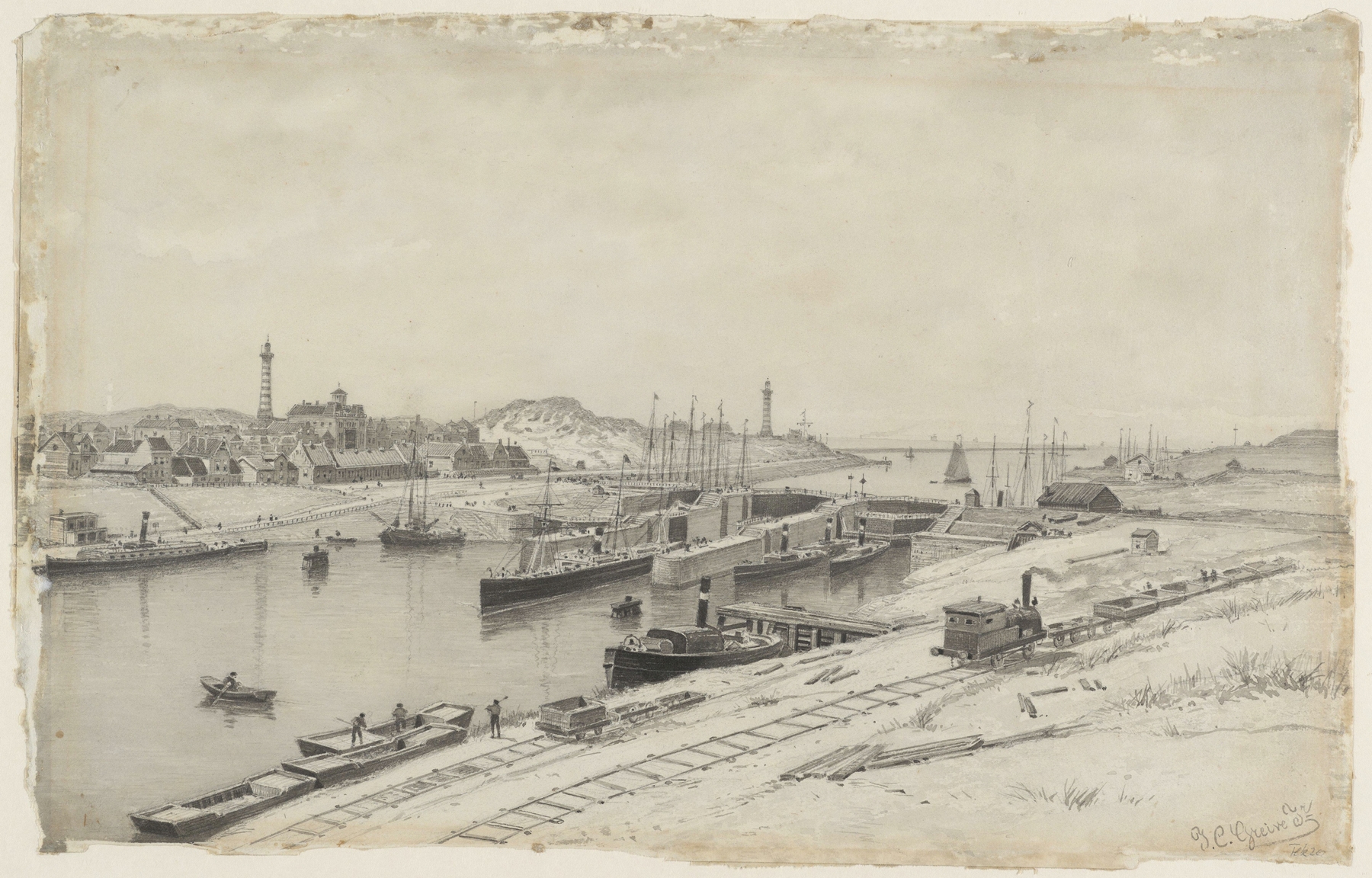
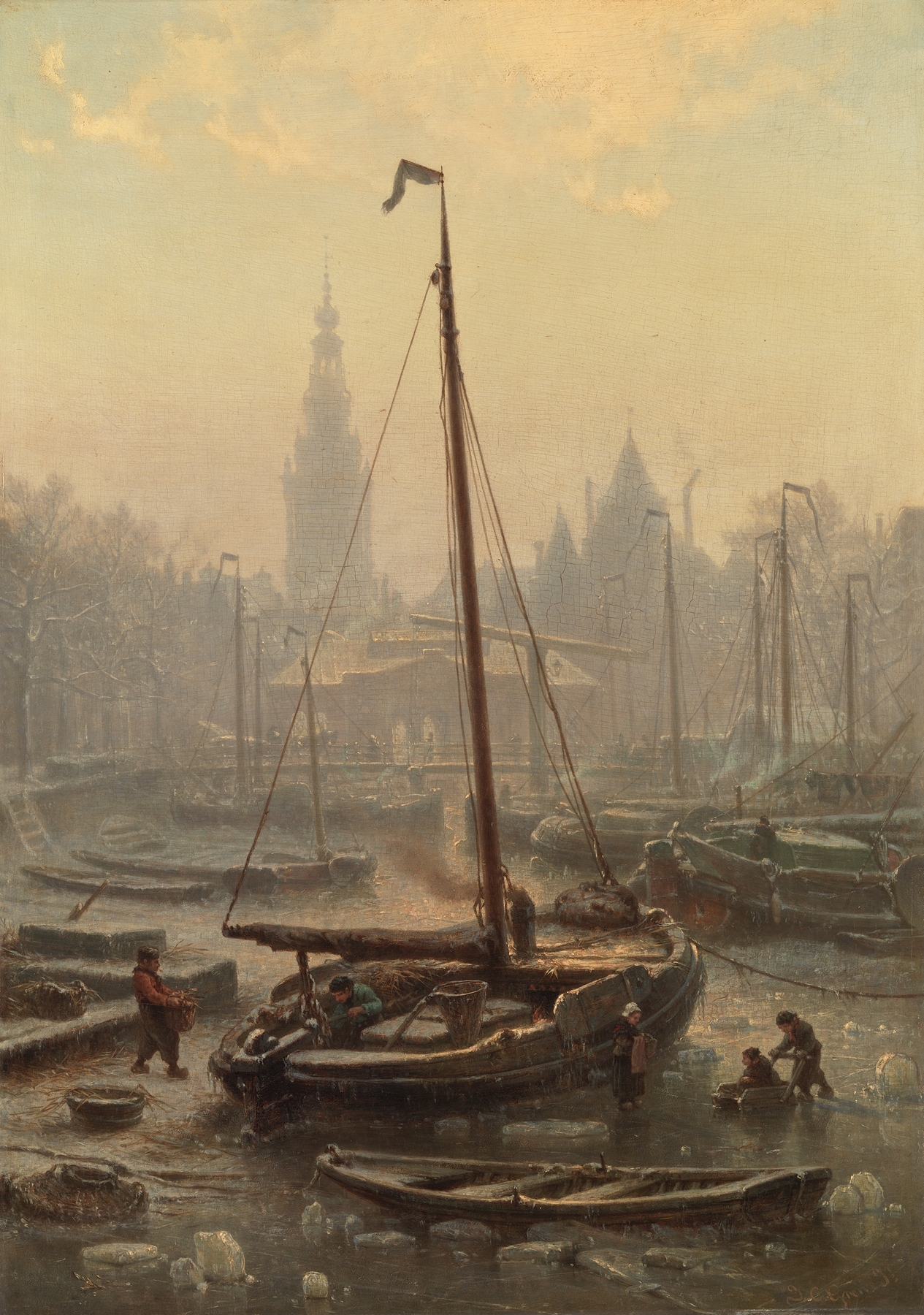
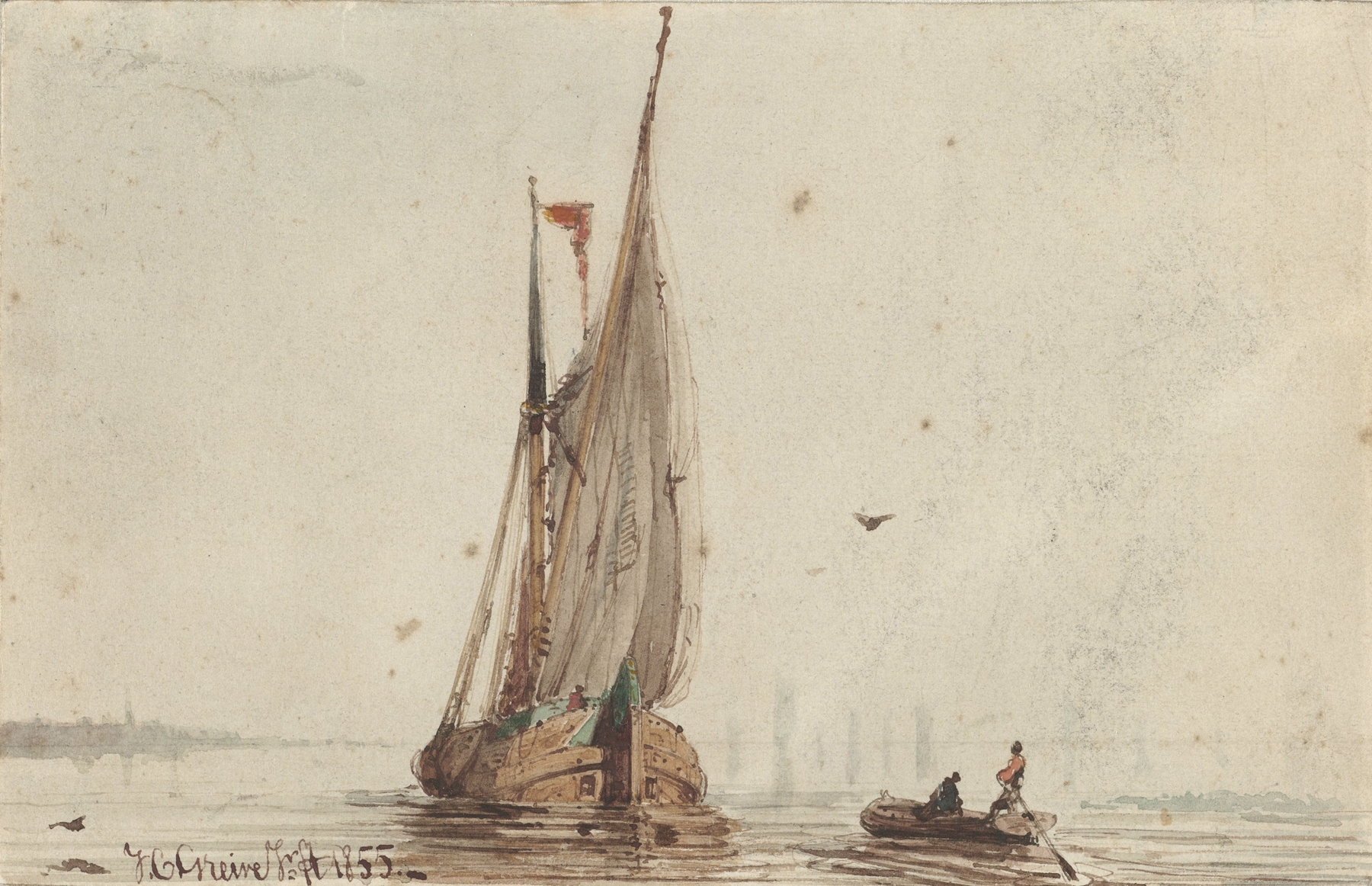
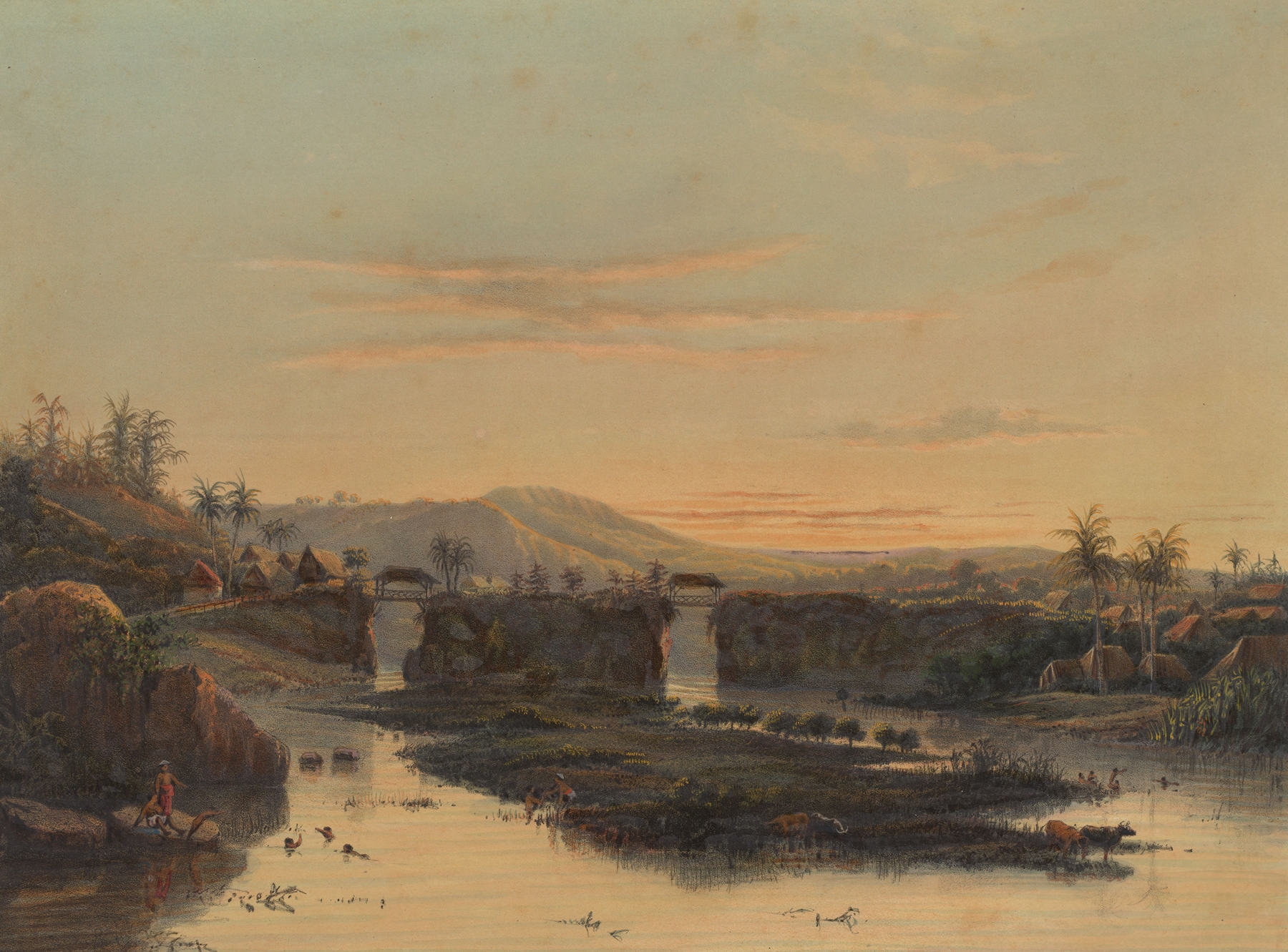
Is this a mirror — or a memory? The colors of the canvas pull you into a world suspended between reality and nostalgia, inviting you to ponder the layers of time etched within its strokes. Focus on the vivid greens and deep blues that create a striking contrast against the muted earth tones of the structures. Notice how the light dances across the buildings, casting shadows that whisper of a warm afternoon.
The meticulous detail in the architecture speaks to a bygone era, while the gentle brushwork gives life to the scene, allowing it to breathe amid the stillness. Hidden beneath the surface are layers of meaning, as the vibrant palette evokes both a sense of freedom and confinement. The choice of colors reflects not just the physical landscape of Vlissingen but also the emotional landscape of an emerging identity, suggesting a duality between the comfort of home and the yearning for exploration. The calmness of the water, juxtaposed with the formidable presence of the barracks, highlights a moment of tension between safety and the unknown.
During the period he painted this work, Greive was navigating a transformative time in European art, specifically in the Netherlands, where Romanticism was giving way to Realism. Between 1850 and 1870, the artist developed a unique style, reflecting a growing interest in local subjects while capturing the spirit of an age marked by societal shifts and the evolving notion of place. This piece serves as both a testament to his skill and an intimate glimpse into a world on the cusp of change.