De aanleg van het Noordzeekanaal te IJmuiden — History & Analysis
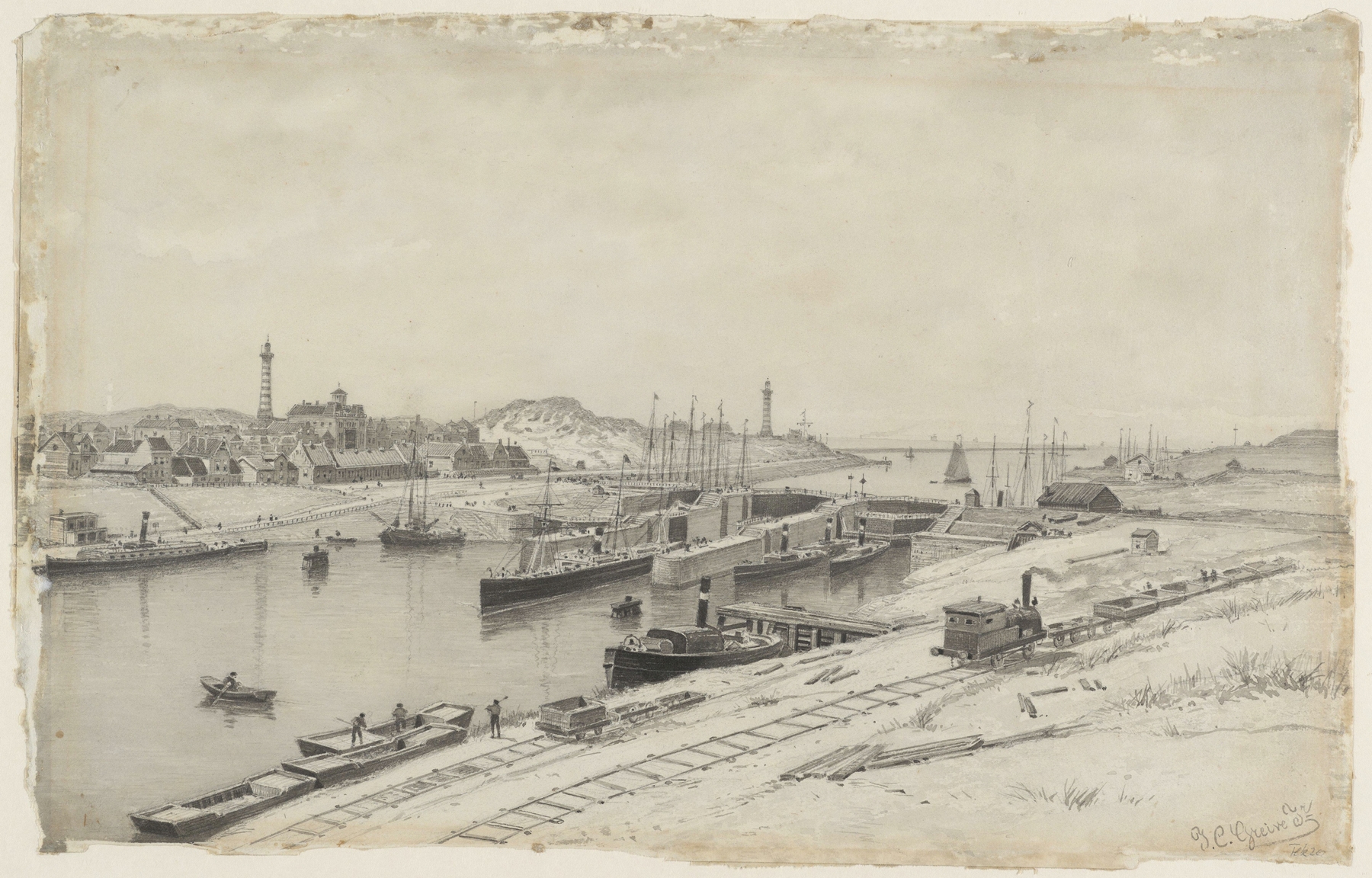
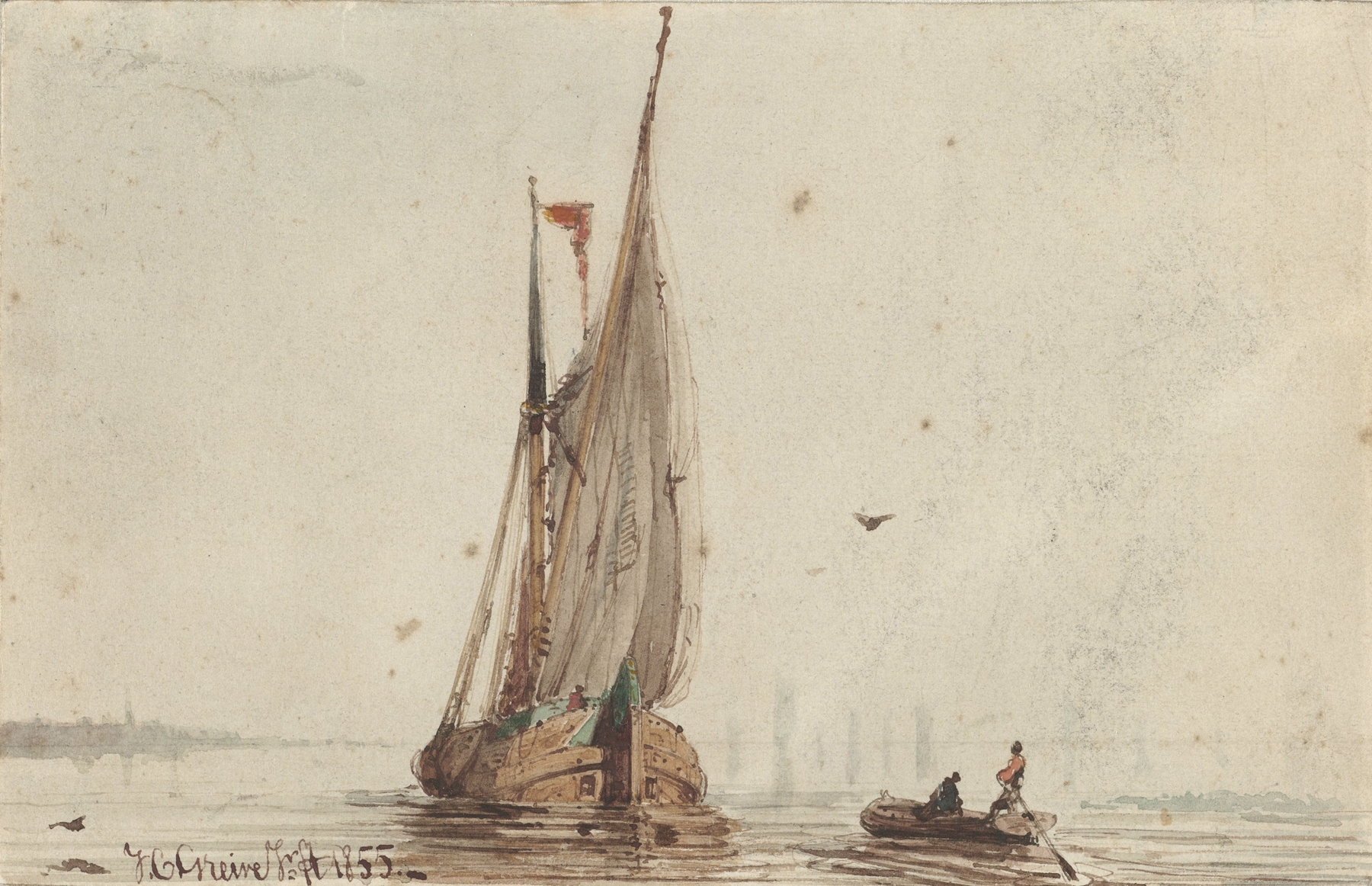
“Every silence here is a confession.” In the stark landscape of the North Sea Canal, innocence stands juxtaposed against the labor of human hands, evoking the fragility of progress amidst nature’s vastness. Begin your exploration on the left side of the painting, where the cool, muted tones of the water mirror the overcast sky. Notice how the figures, clad in work attire, engage in the task of digging and moving earth, their actions almost reverential against the backdrop of a grand, unfolding landscape. The artist's meticulous brushwork captures the texture of the soil and the subtle play of light, drawing your eye to the horizon where the canal stretches into infinity.
As you delve deeper, consider the contrasts within the composition: the raw strength of the laborers versus the serene beauty of the untouched nature around them. Each shovel of dirt represents not just toil, but a conflict between man’s ambition and the untouched innocence of the land. The muted colors lend a somber tone, suggesting a melancholic reflection on the environmental cost of progress, while the figures, though industrious, remain dwarfed by the immensity of their surroundings.
In 1875, Greive painted this piece during a period of significant industrial growth in the Netherlands, particularly in the realm of infrastructure. The creation of the North Sea Canal symbolized both economic advancement and a profound transformation of the landscape. At that time, Greive was capturing the evolving relationship between humanity and nature, seeking to reflect the beauty and struggles of an era defined by change and innovation.