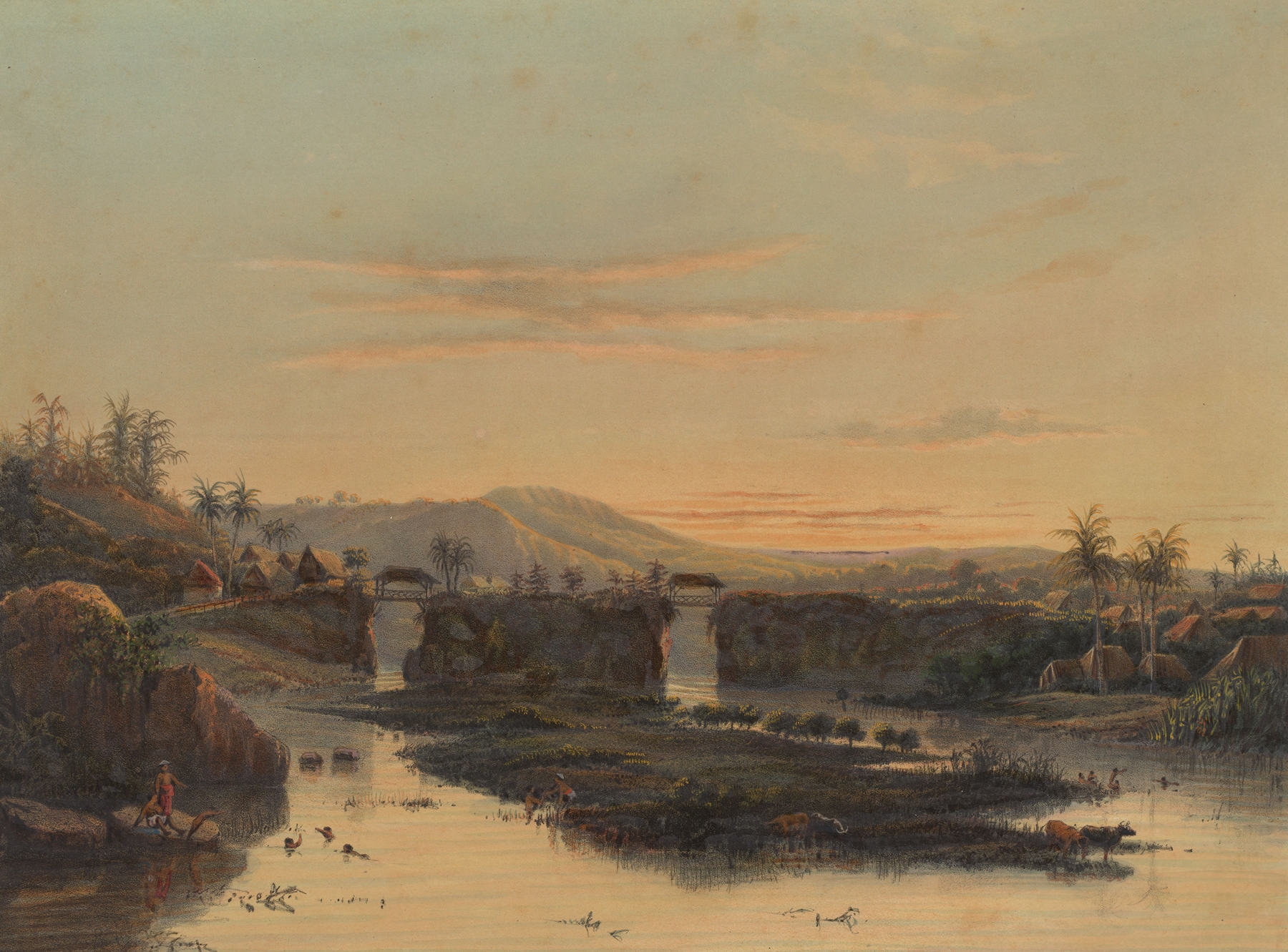
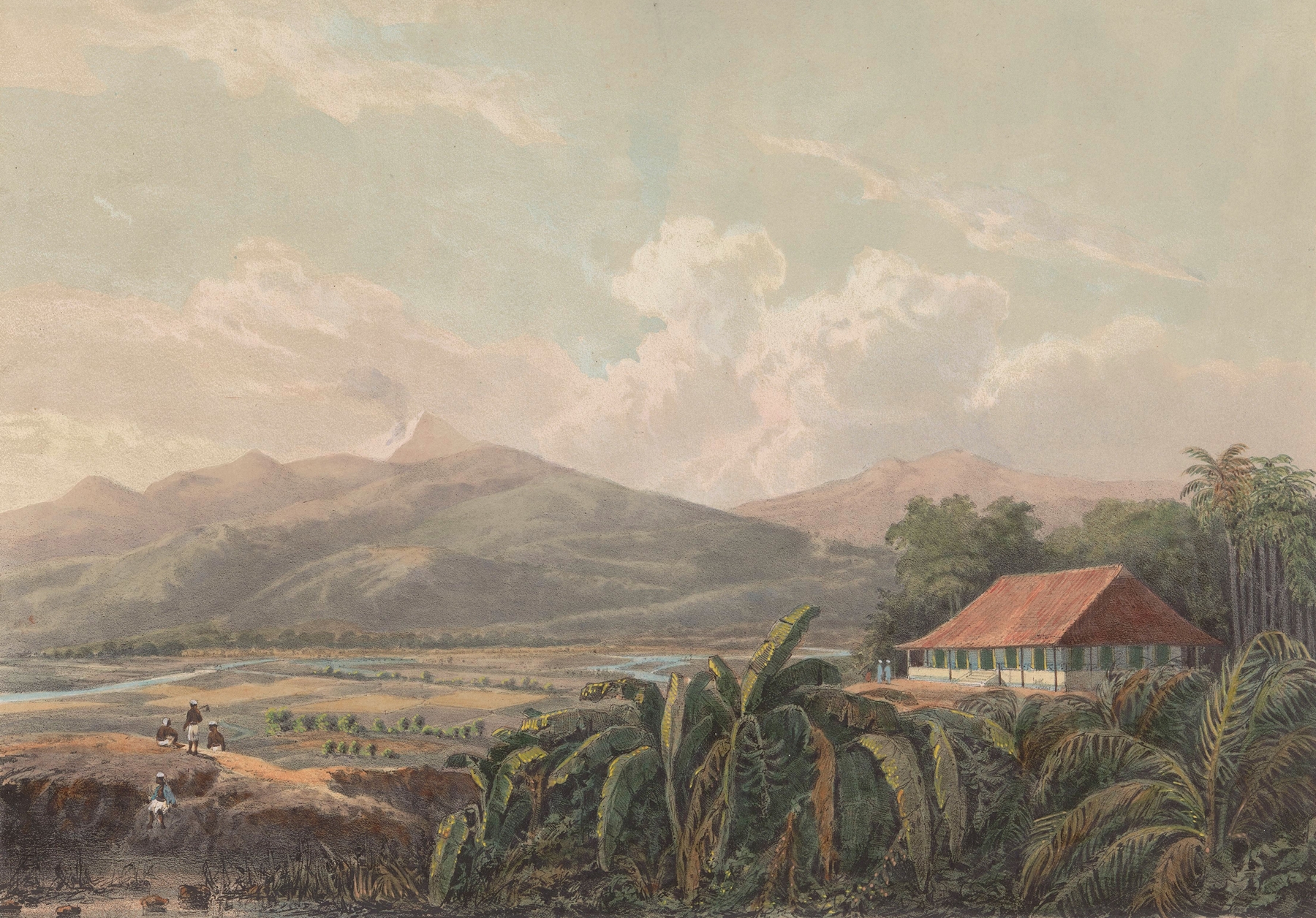
Gezicht op de rivier Brandas op Java De rivier Brandas als bergstroom — History & Analysis
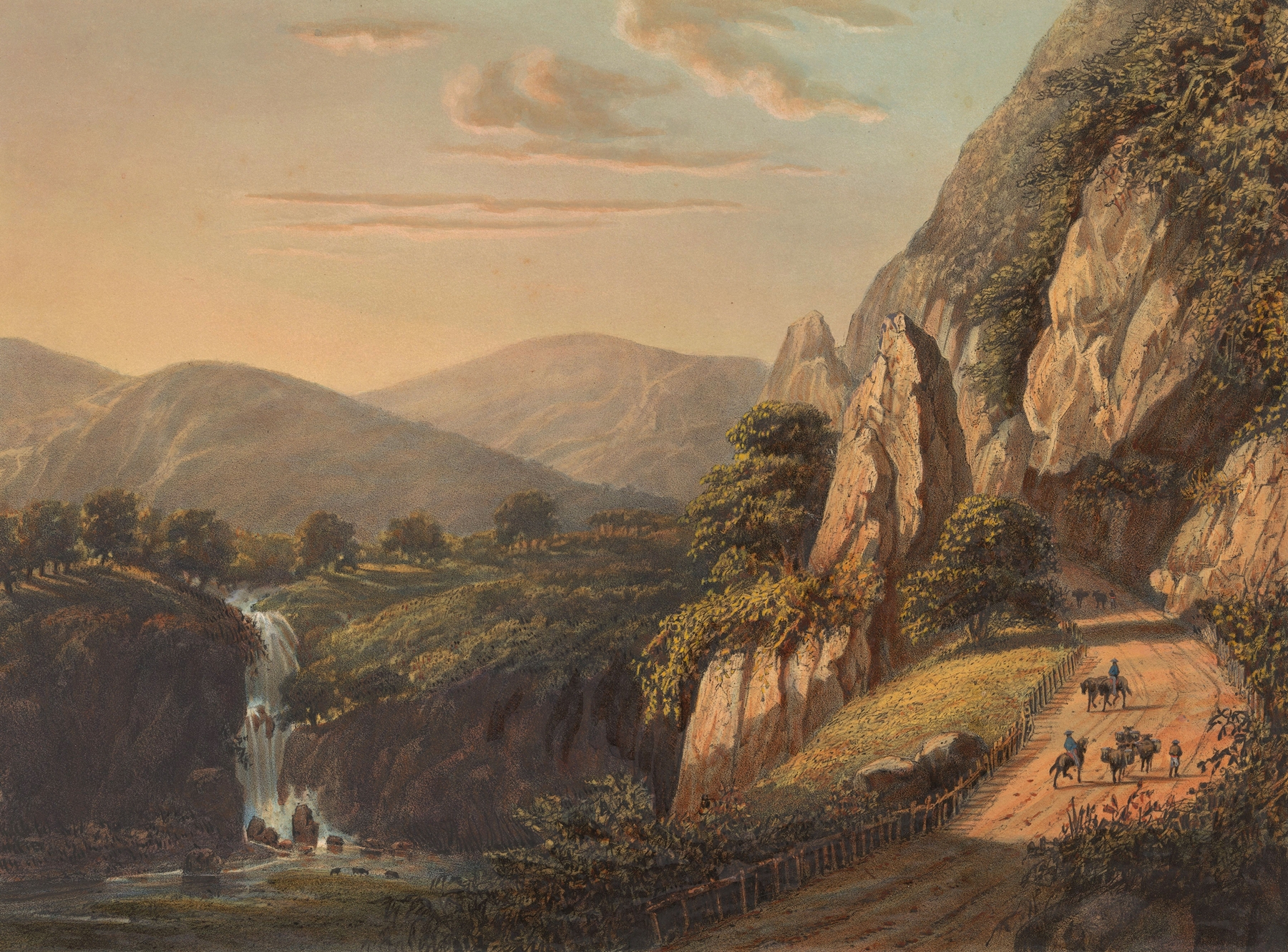
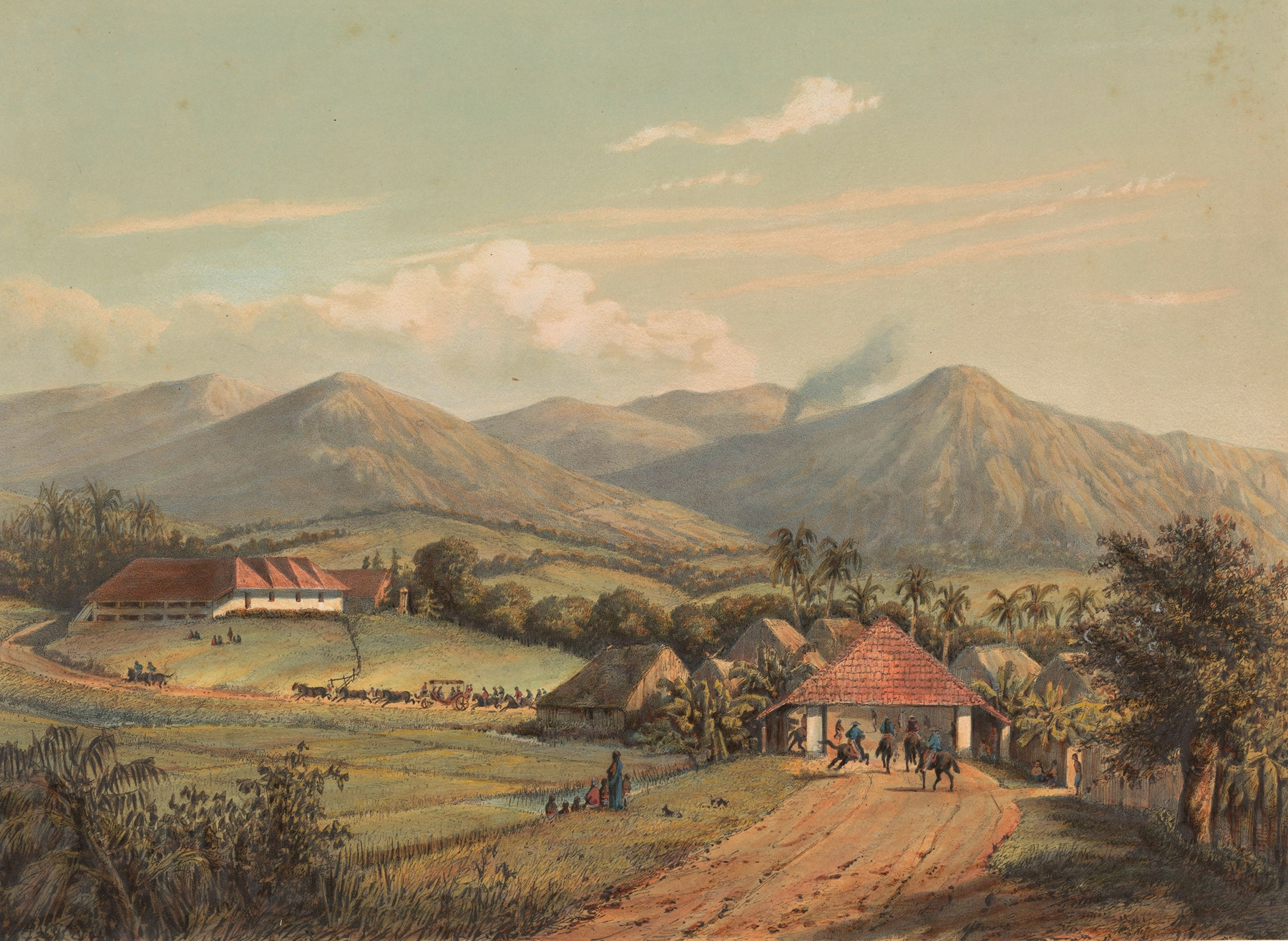
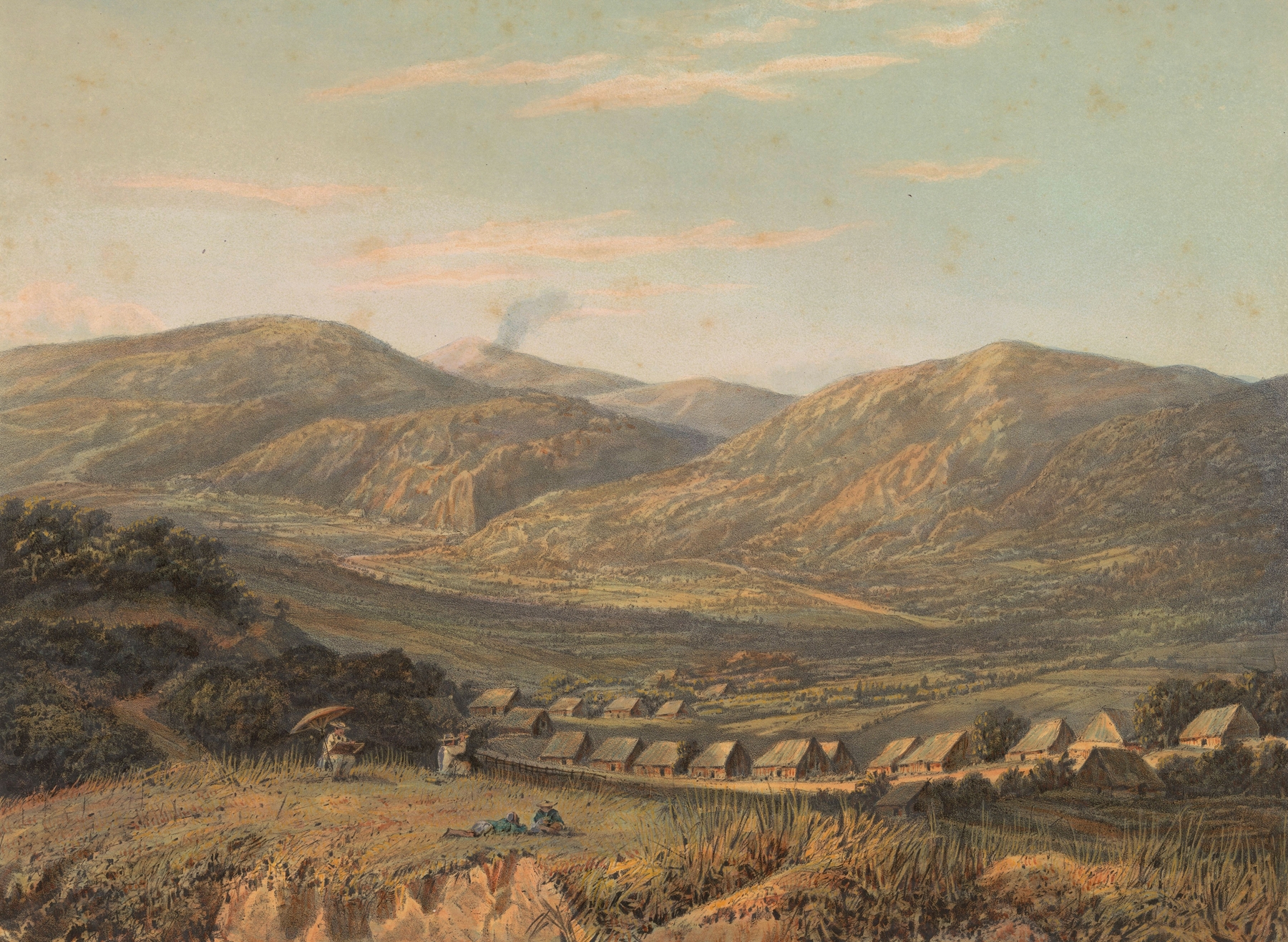
Could a single brushstroke hold eternity? In Gezicht op de rivier Brandas op Java De rivier Brandas als bergstroom, the longing for connection echoes through the vibrant landscape, capturing a fleeting moment in time that speaks to the depths of our souls. Look to the left at the rushing water, where thick strokes of blue and white merge to create a sense of movement and life. The artist’s keen attention to the interplay of light and shadow breathes dynamism into the scene, while dappled reflections shimmer on the river's surface, inviting viewers to trace the flow of the current with their eyes.
Notice how the lush greens of the surrounding foliage contrast with the soft blues of the sky, embodying both harmony and tension amid the cascading waters. Delve deeper and you will find contrasts that reveal a complex emotional landscape. The serene beauty of nature stands in stark juxtaposition to the untamed rush of the water, suggesting a yearning for peace amidst chaos. Hidden details, such as the delicate ripples in the river reflecting the calmness above, encapsulate the duality of existence — a longing for tranquility that often eludes us.
This tension resonates deeply, as the viewer may feel a sense of introspection about their own life journey. Johan Conrad Greive painted this work in 1869 while residing in Java, where he was captivated by the island's lush landscapes. At this time, Dutch painters were increasingly inspired by their colonial surroundings, seeking to document the exotic beauty of the East. Greive's brush captured not only the physical attributes of the river but also the emotional undercurrents present in a rapidly changing world, revealing a deep connection to both nature and human experience.