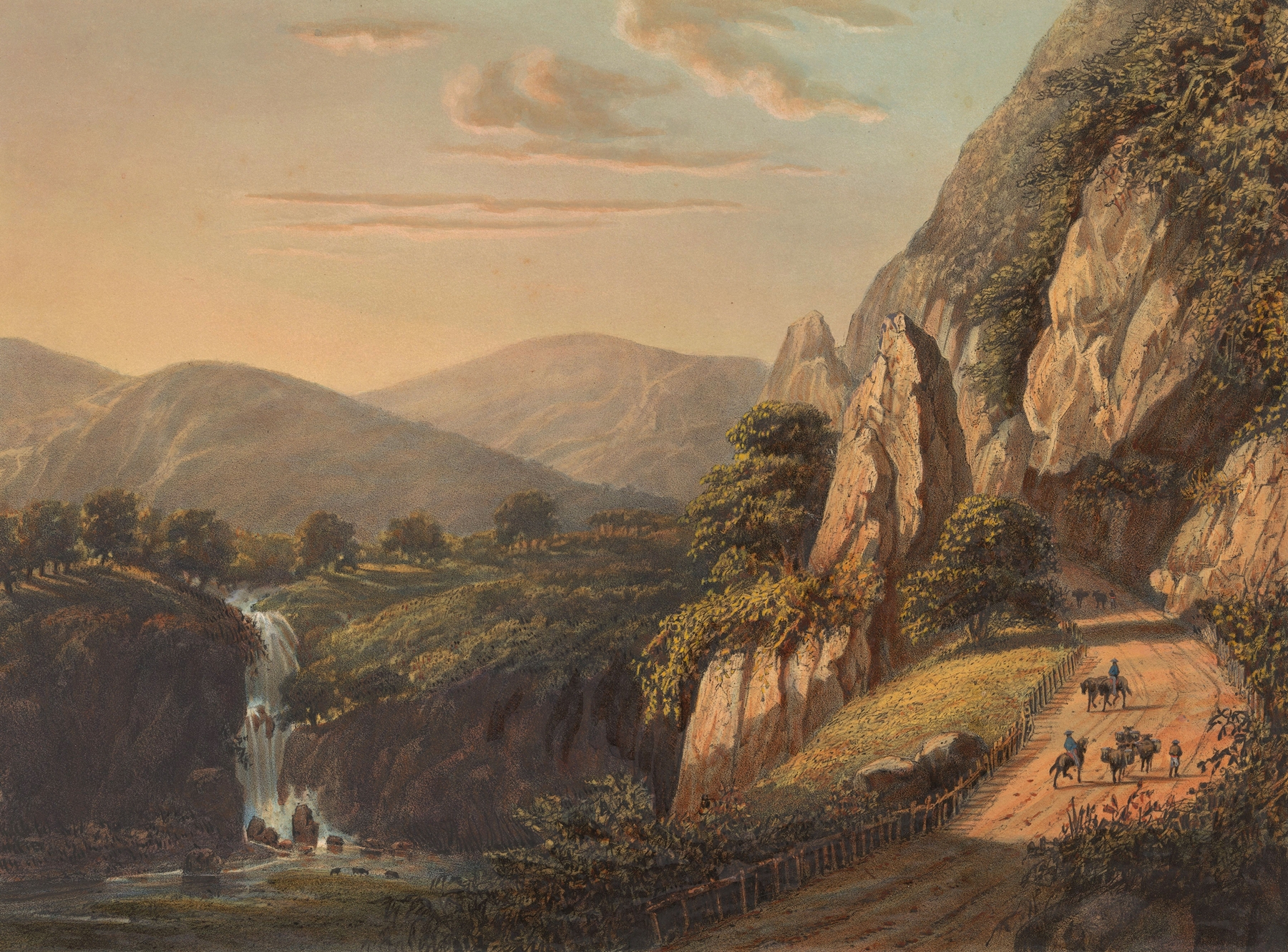
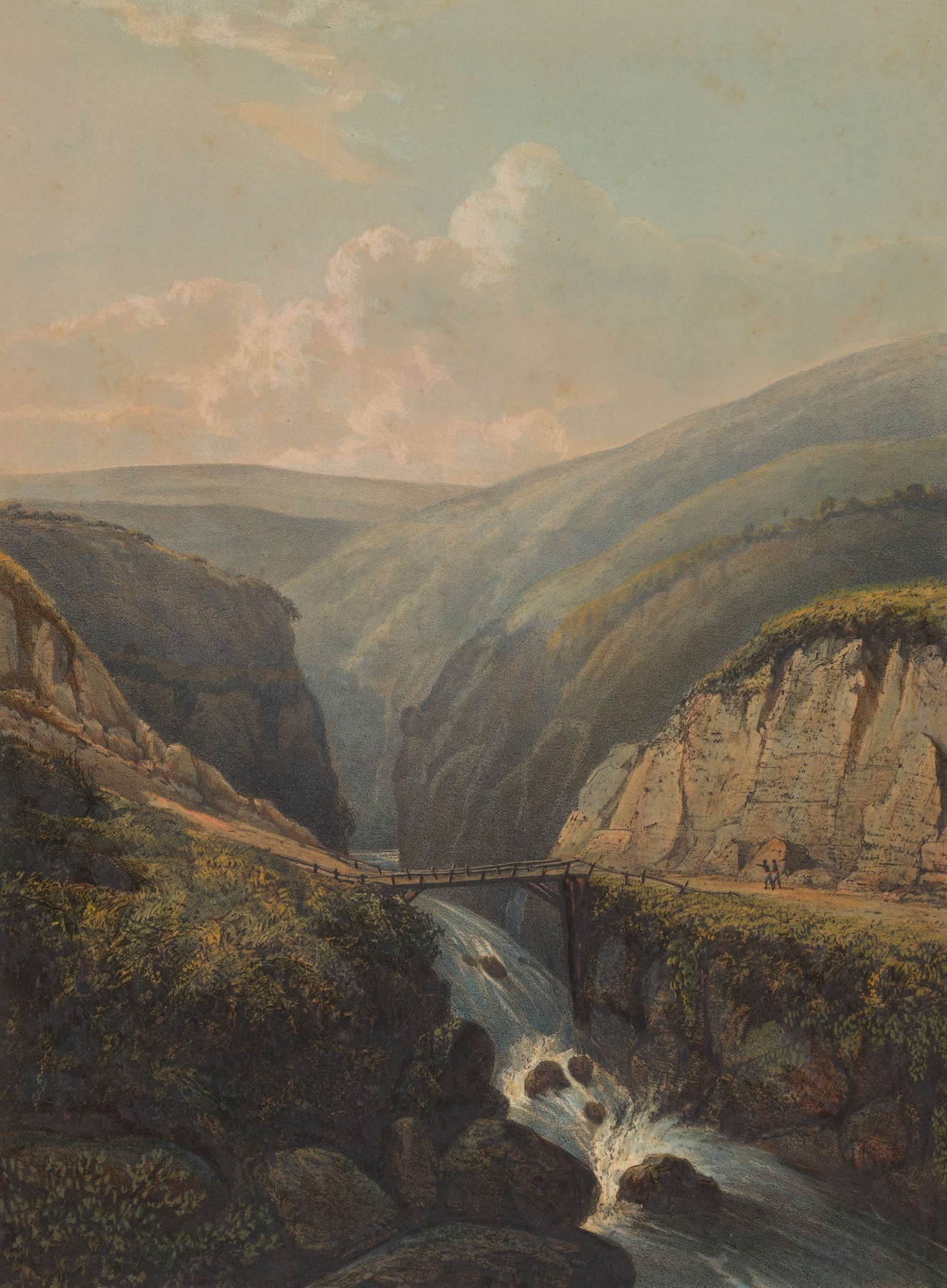
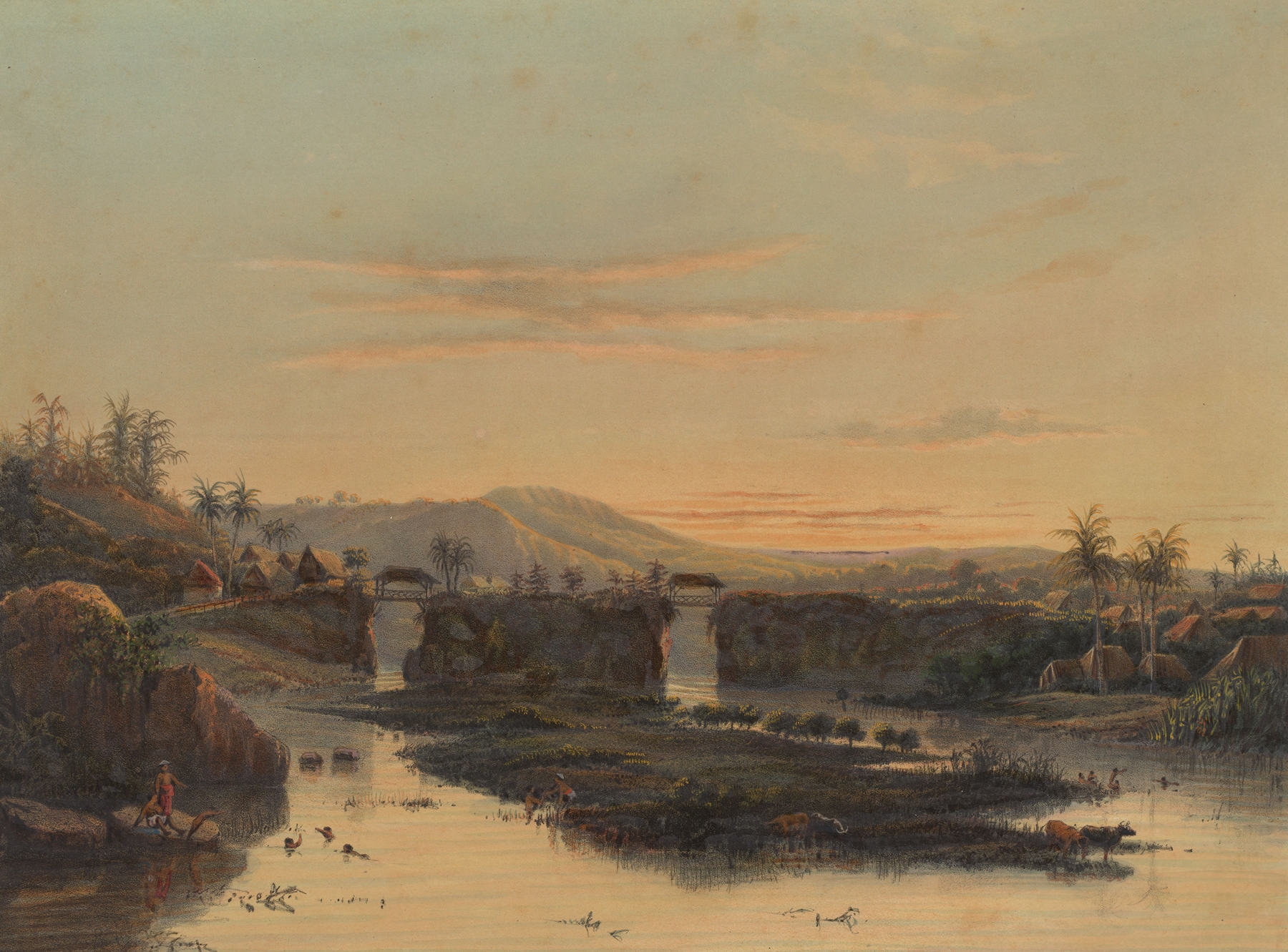
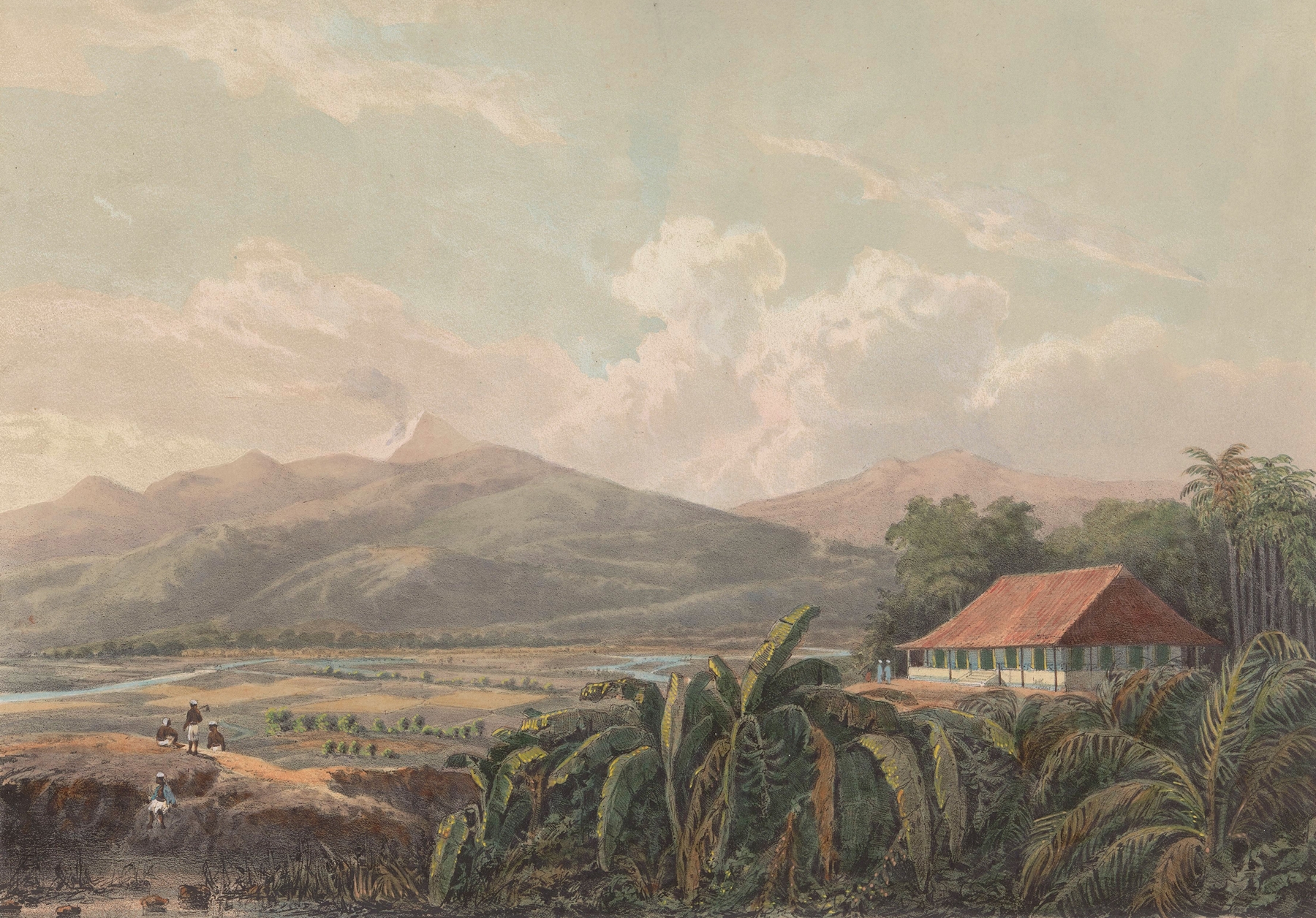
Gezicht op de weg tussen Buitenzorg en Preanger. De groote weg van Buitenzorg naar de Preanger regentschappen — History & Analysis
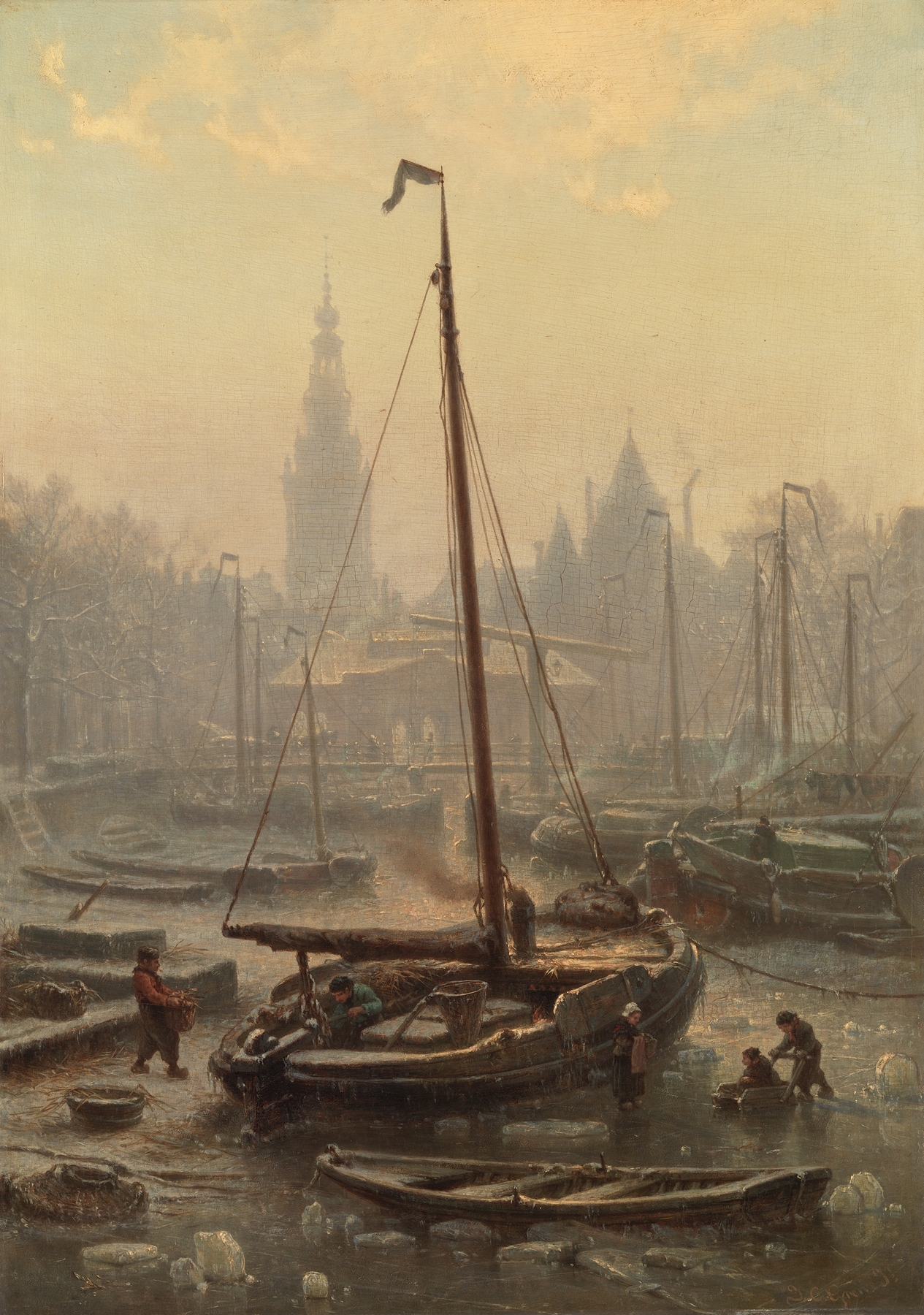
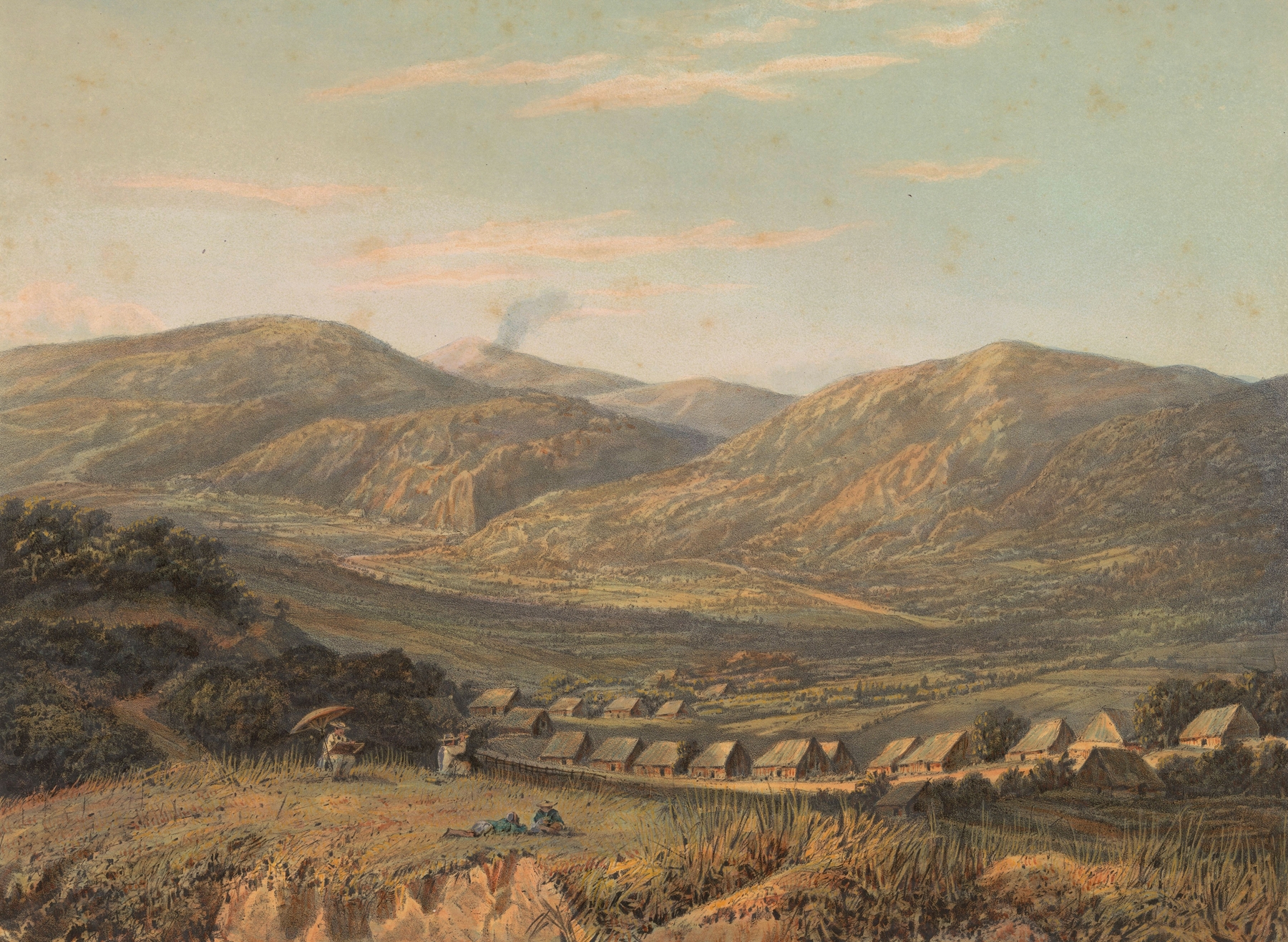
Who listens when art speaks of silence? In a world filled with noise, the stillness captured in the brushstrokes of a distant path can evoke a profound sense of awe. Begin your exploration by directing your gaze to the expansive landscape. Observe how the pathway meanders through the undulating hills, drawing your eye along its gentle curve. Notice the luminous greens and browns that contrast with the soft blues of the sky, creating a serene yet vibrant atmosphere.
The meticulous details in the foliage and the subtle play of light lend a tactile quality to the work, inviting the viewer to step into this tranquil scene. As you delve deeper, reflect on the juxtaposition of the innate beauty of nature and the hand of humanity in the pathway’s construction. The road, a symbol of progress and connection, coexists with the untouched wilderness that surrounds it. This tension between man-made and natural evokes questions about our relationship with the environment and the choices we make in shaping it.
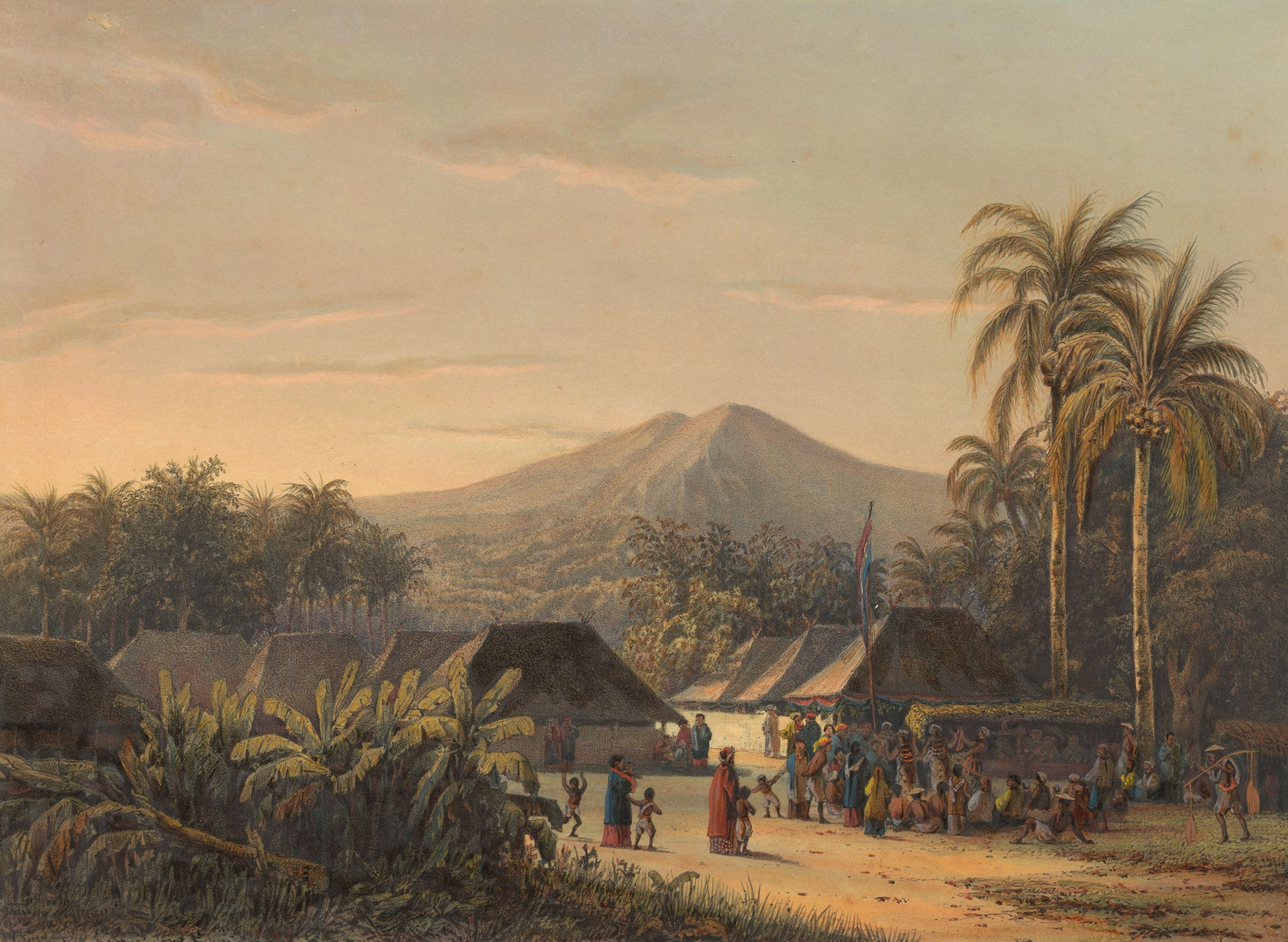
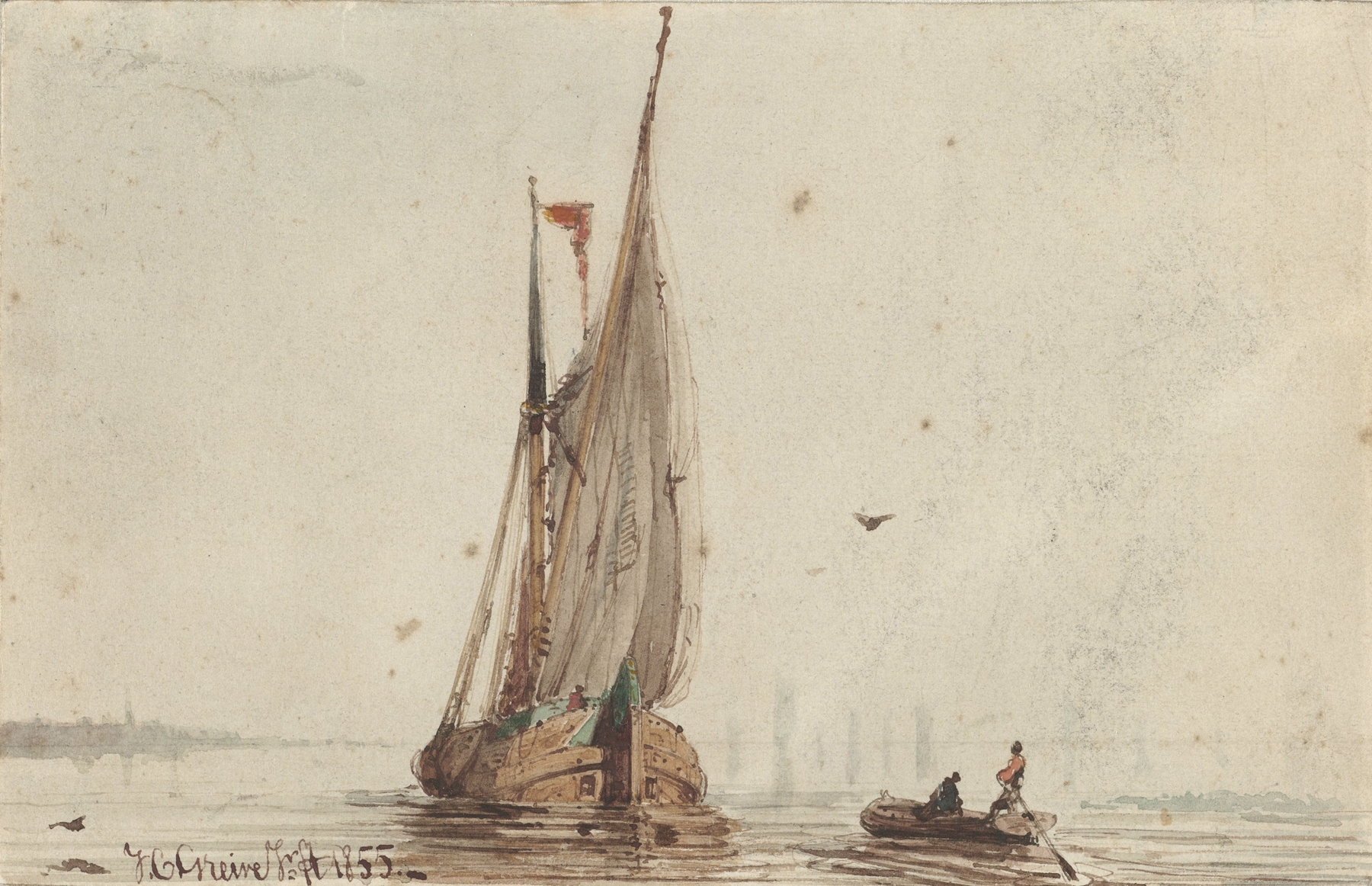
Each brushstroke communicates a sense of reverence for the land, urging us to consider the weight of our presence within it. In 1869, Johan Conrad Greive painted this piece while residing in the Dutch East Indies, during a time when colonial influences were reshaping landscapes. This period was a pivotal moment in art, as many artists began to explore themes of nature and identity amidst the complexities of colonization. Greive’s work reflects both the majesty of the Indonesian landscape and the artist's own experiences, ultimately offering a glimpse into a world caught between tradition and change.