Gezicht op de omgeving van Batavia Landschap in de Batavische ommelanden — History & Analysis
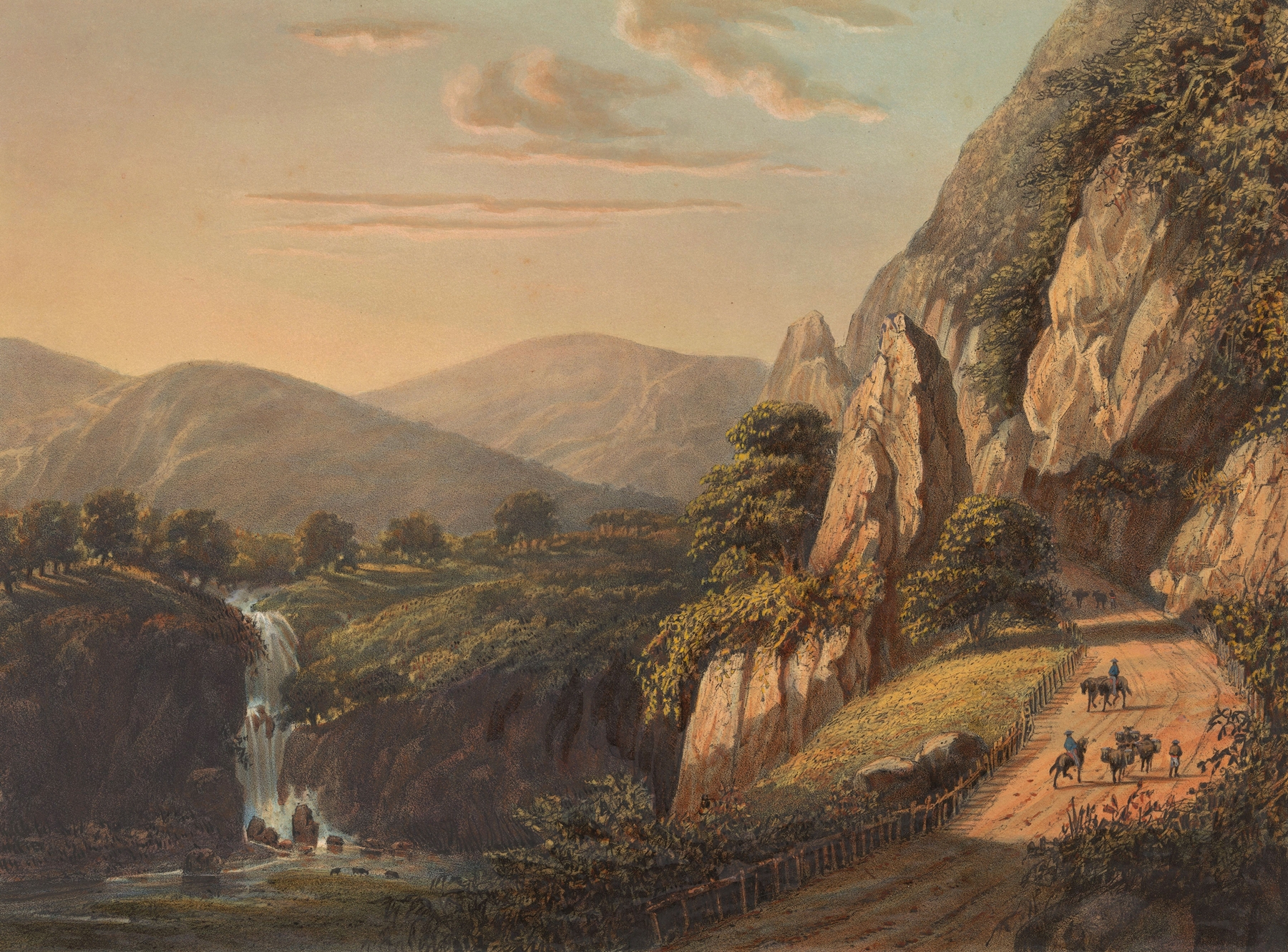
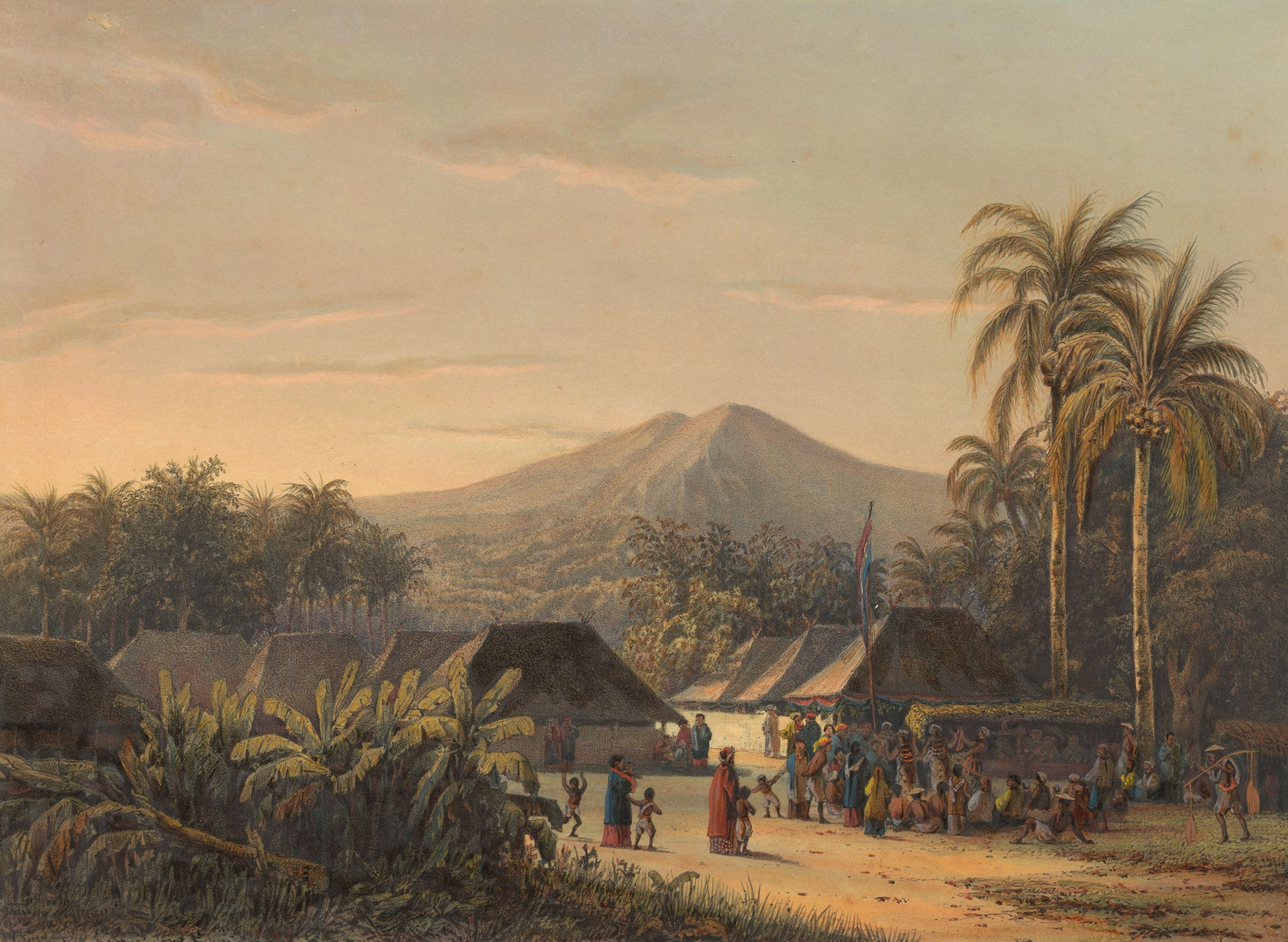
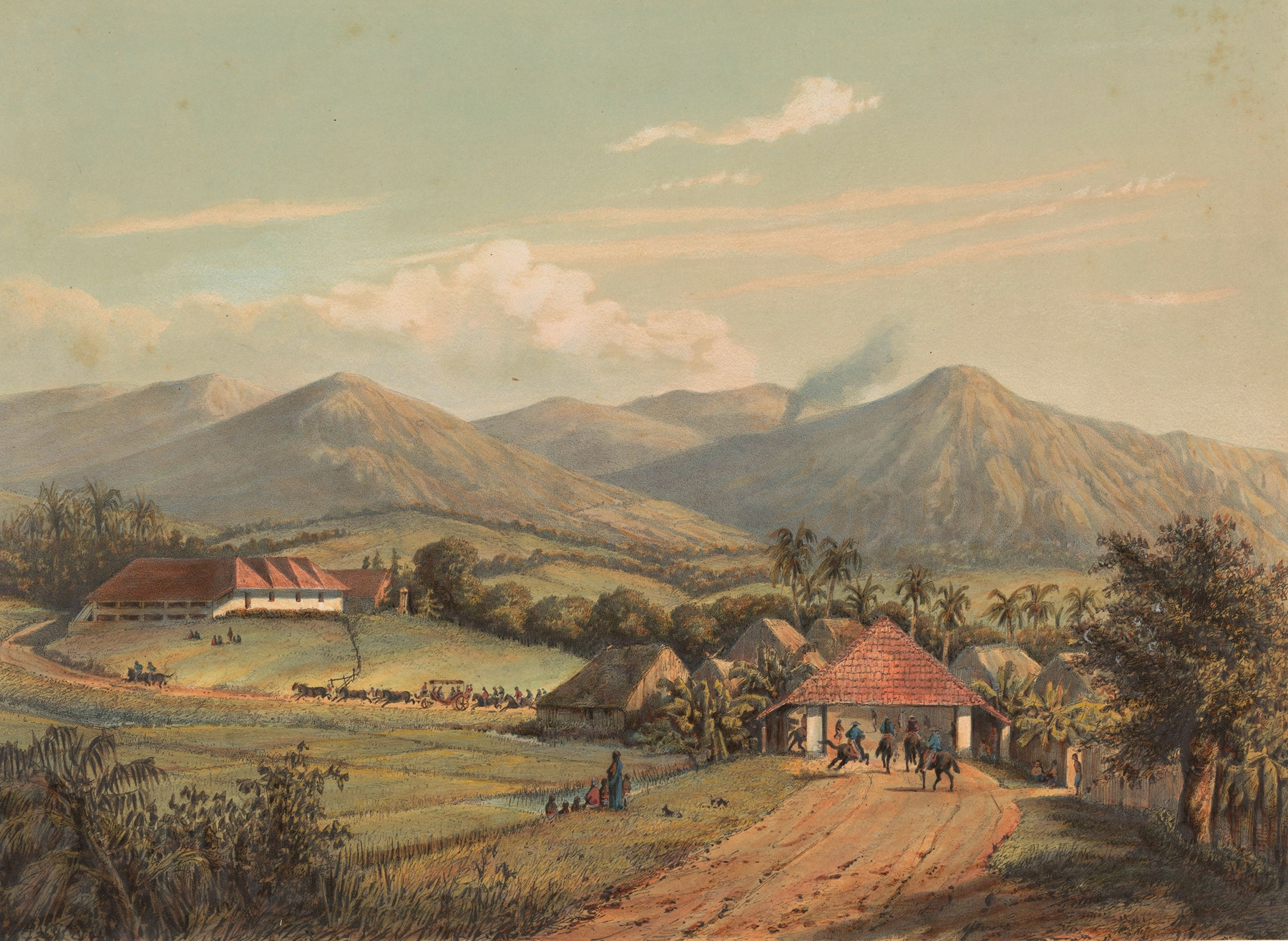
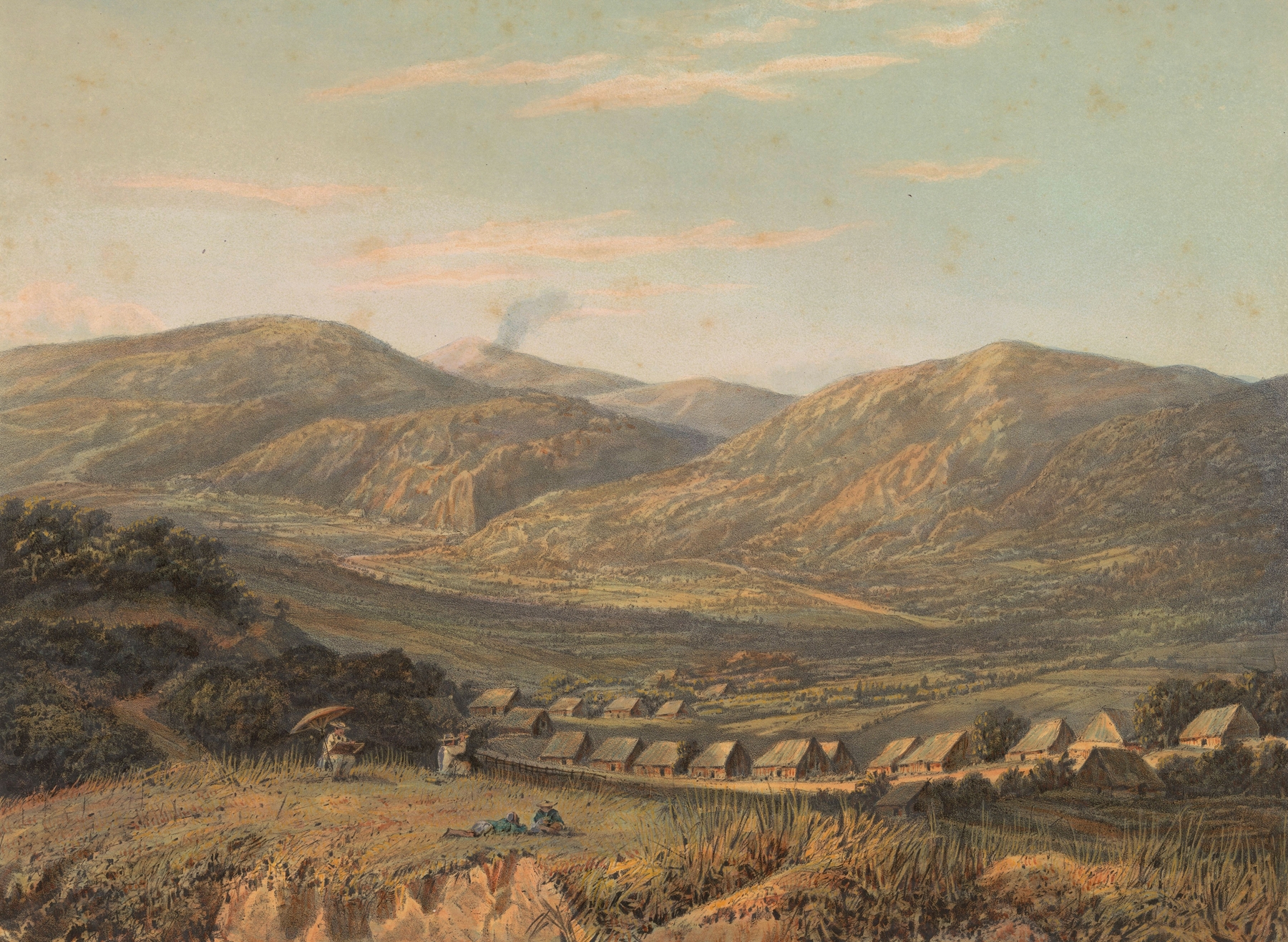
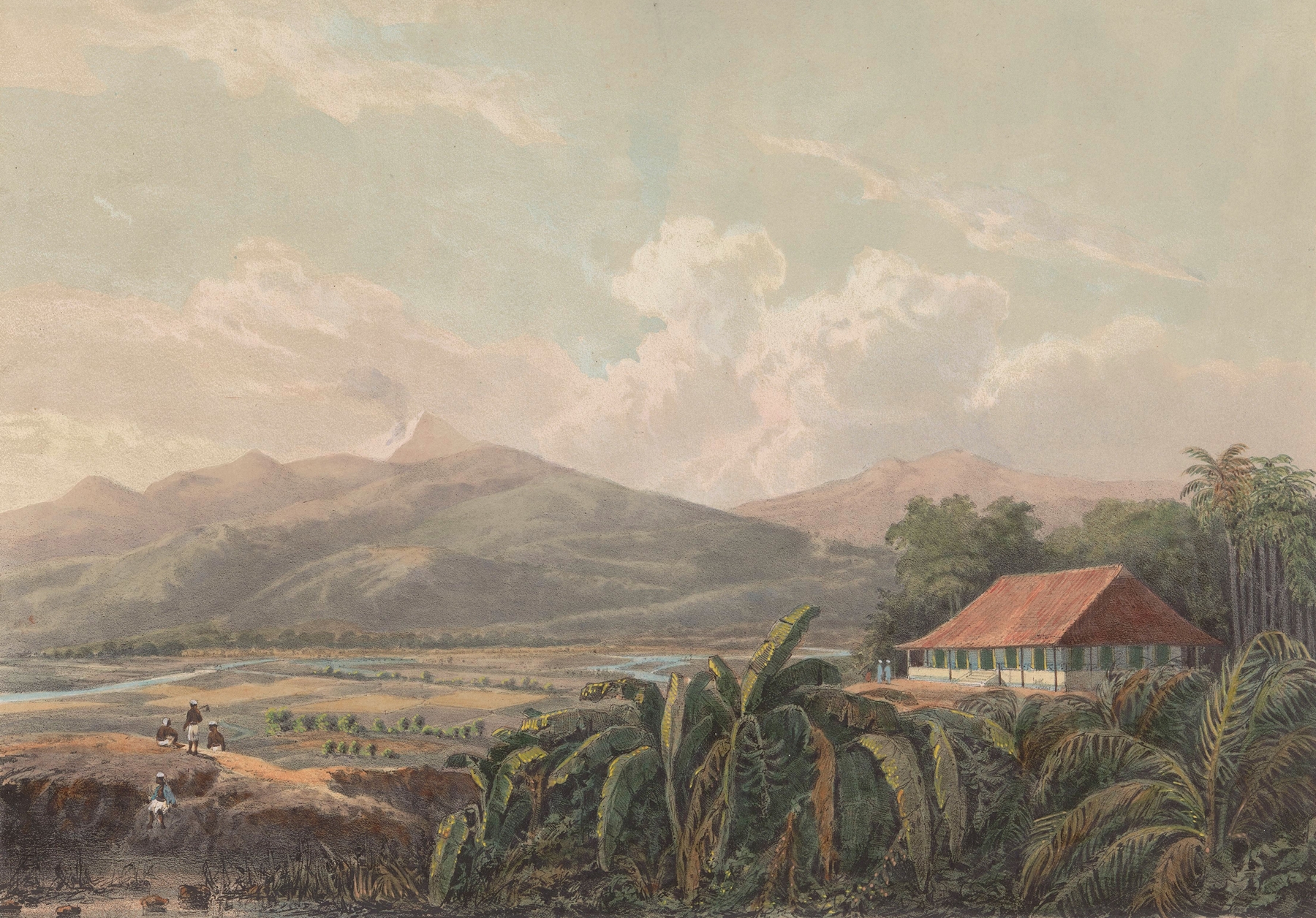
Did the painter know this moment would outlive them? In the soft embrace of twilight, a landscape unfurls, quietly whispering stories of transformation and longing. Look to the center of the canvas, where rolling hills meet a horizon kissed by a fading sun. The delicate interplay of greens and browns creates a lush, inviting terrain, while splashes of orange and pink dance in the sky, echoing the day's end.
Greive's brushwork captures not only the topography but the essence of the moment, infusing the scene with a tranquil yet profound energy that invites you to wander deeper into the composition. Yet, beneath the serene surface, shadows of change linger. The smooth contours of the landscape suggest stability, but the clouds swirling above hint at the unpredictability of nature and life. Note the small figures in the distance, perhaps inhabitants of this land, representing the connection between humanity and the ever-shifting environment.
Their presence speaks to the resilience needed to navigate transformation amidst the beauty of the familiar. In 1869, Johan Conrad Greive painted this work during a time when the world was on the brink of modernization, particularly in the colonies. As Europe underwent significant social and political changes, he found solace in capturing the landscapes of his homeland in Batavia. This painting reflects not only his technical prowess but also a moment of quiet resistance to the inevitable transformations that loomed on the horizon.