The Nieuwmarkt in foggy weather — History & Analysis
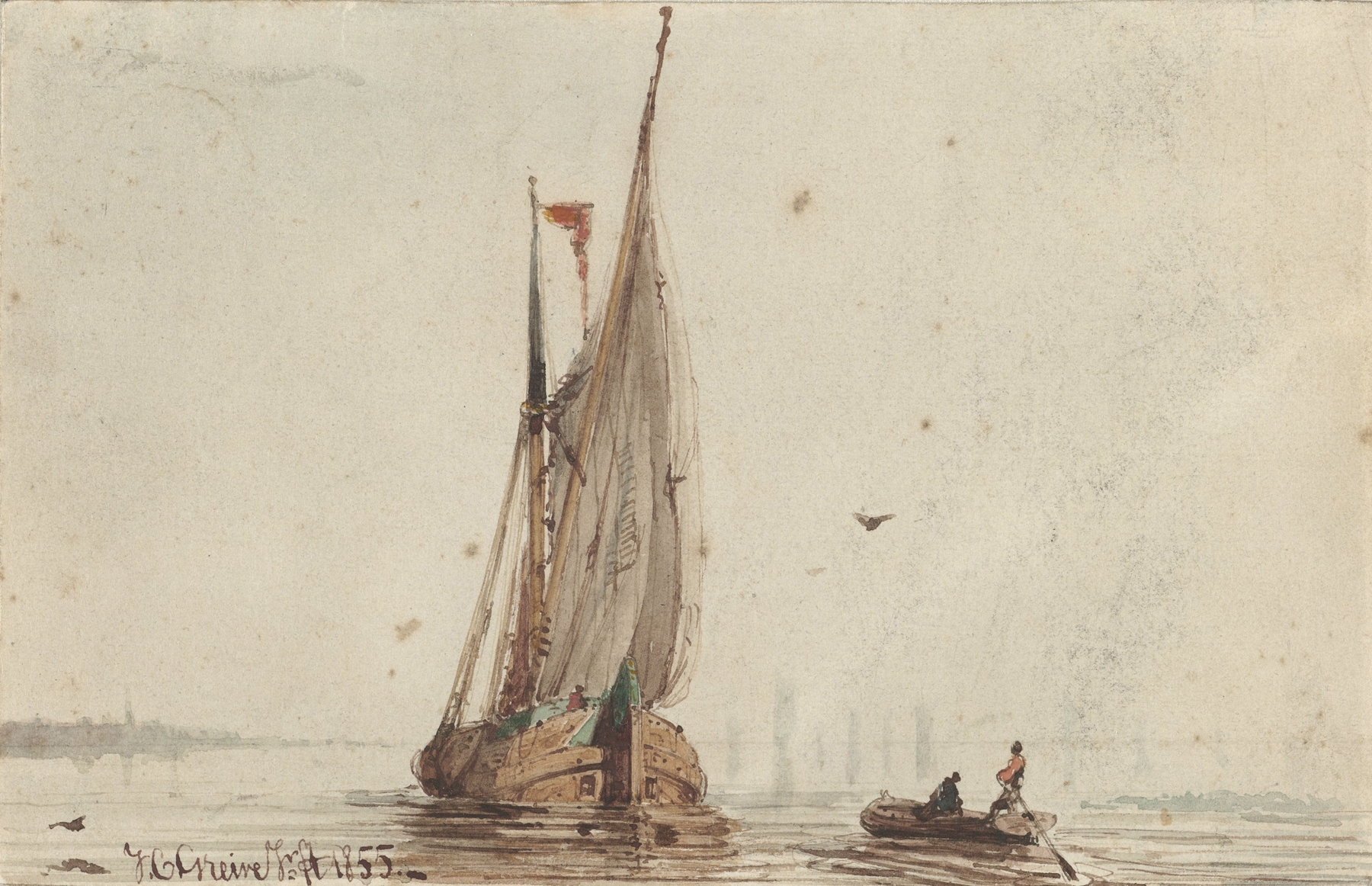
“Art reveals the soul when the world turns away.” In the veiled moments of life, memory lingers, allowing us to grasp fleeting truths that often evaporate in the mundane. Such is the essence captured in The Nieuwmarkt in foggy weather, where the artist invites us to confront the delicate interplay between remembrance and reality. Look to the center, where silhouettes of buildings emerge, softened by the haze that envelops them. The muted palette of grays and blues creates an ethereal atmosphere, while the gentle brushwork suggests movement, as if the fog is alive and breathing.
Notice how the structures are both present and obscured, forming a connection between solidity and transience, prompting contemplation on what remains unseen. This artwork subtly plays with contrasts — clarity against obscurity, presence against absence. The fog serves as a metaphor for memory itself: sometimes sharp, often blurred, but always shaping our understanding of the world. Small details, like the faint outlines of figures, evoke the passage of time and the ephemeral nature of human experience, beckoning viewers to delve into their own recollections as they engage with the scene.
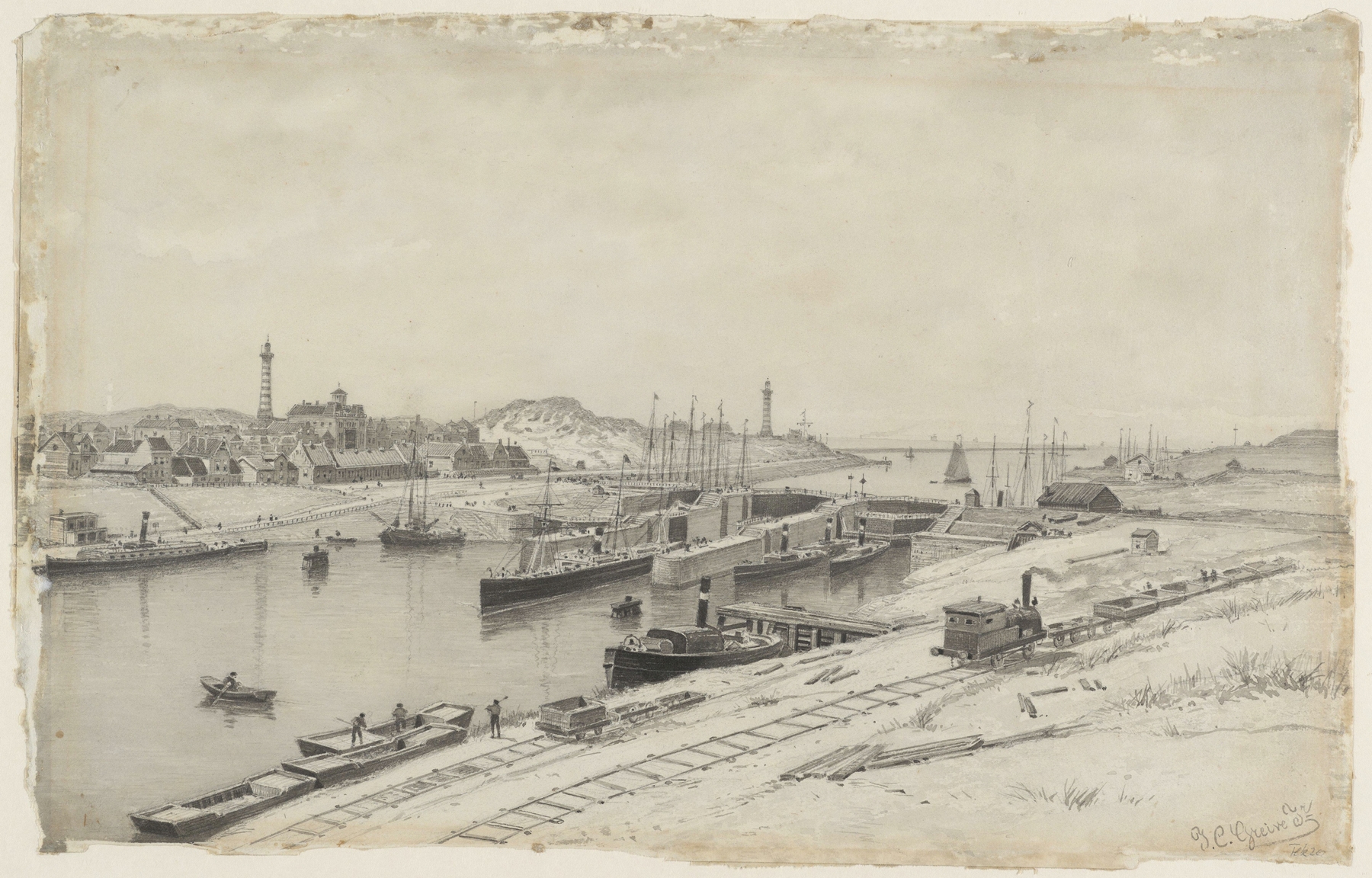
Johan Conrad Greive created this piece during a transformative period in the art world, between 1852 and 1891. Living in the Netherlands, he was immersed in a growing appreciation for realism and atmospheric effects in landscape painting. This work reflects the changing artistic values of the time, emphasizing emotional depth and the intimate relationship between humans and their environment.