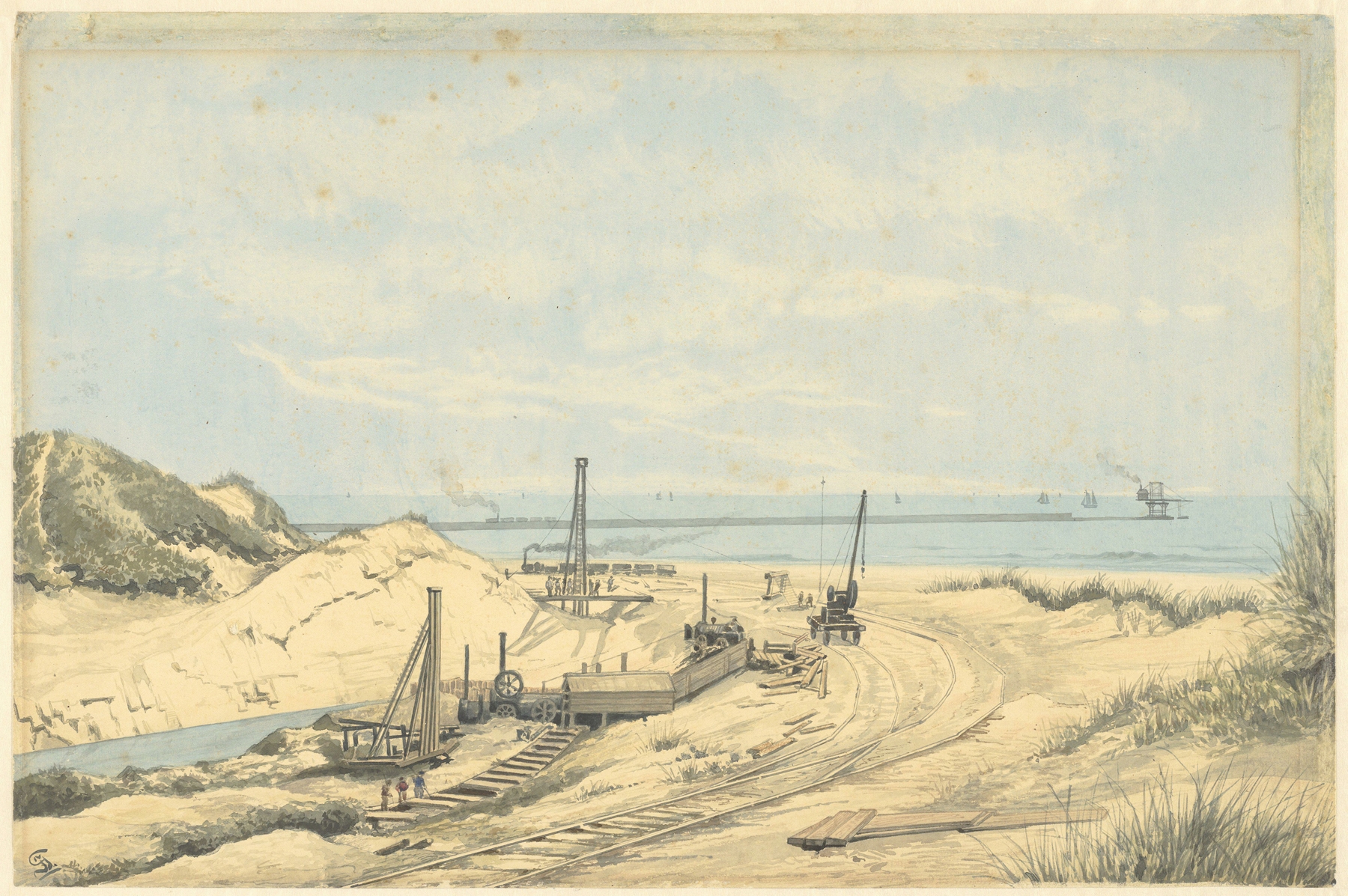
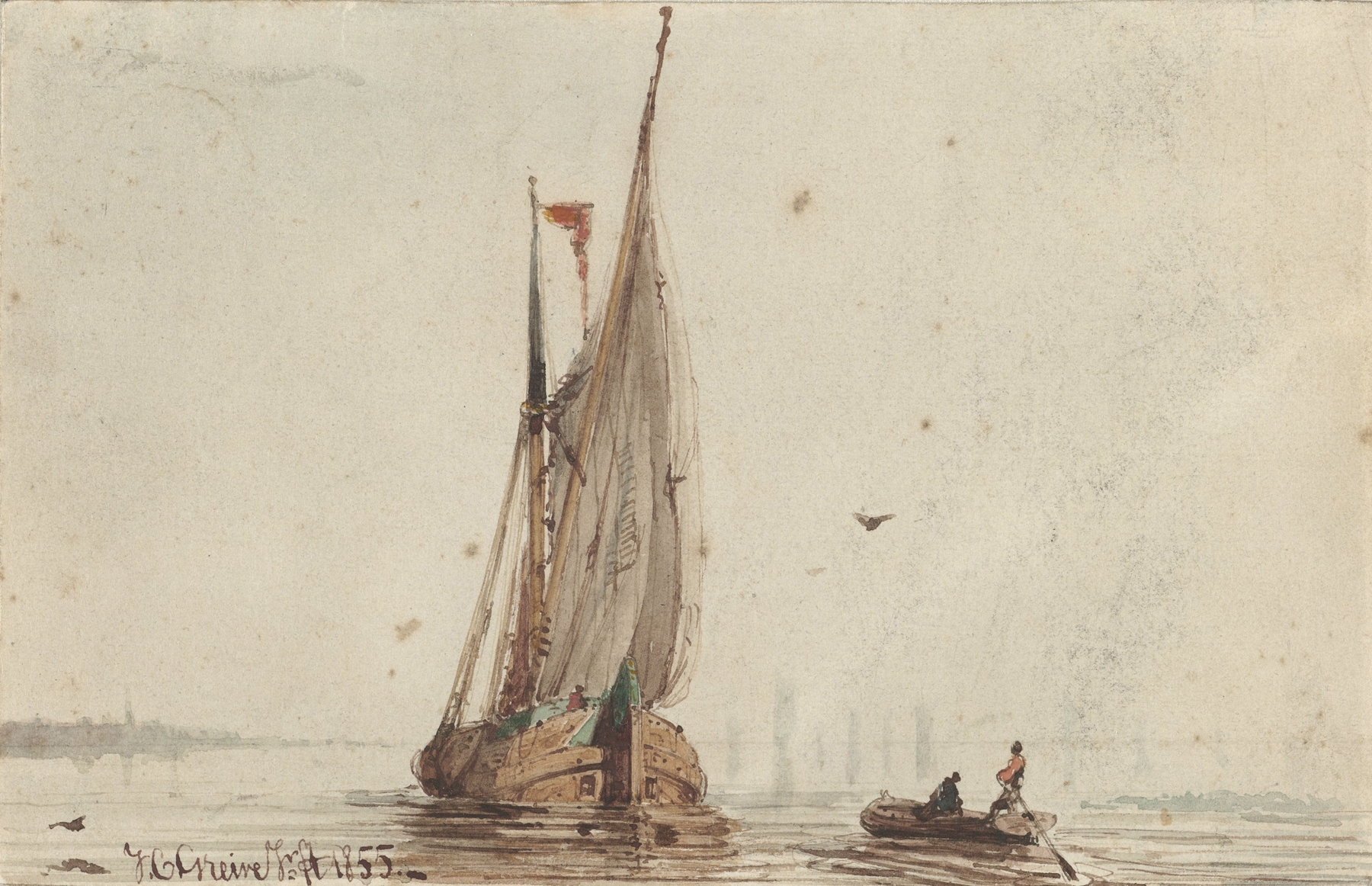
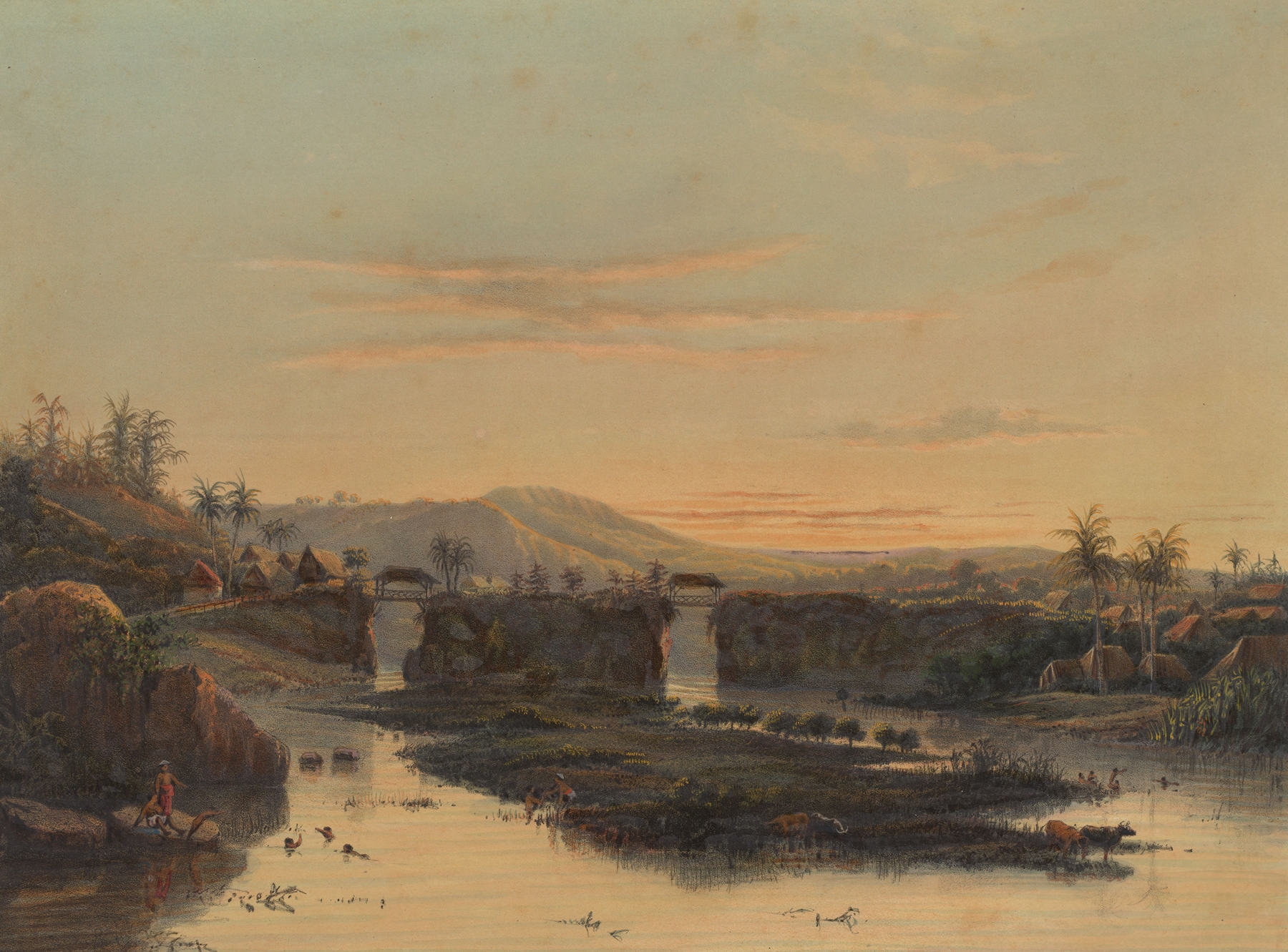
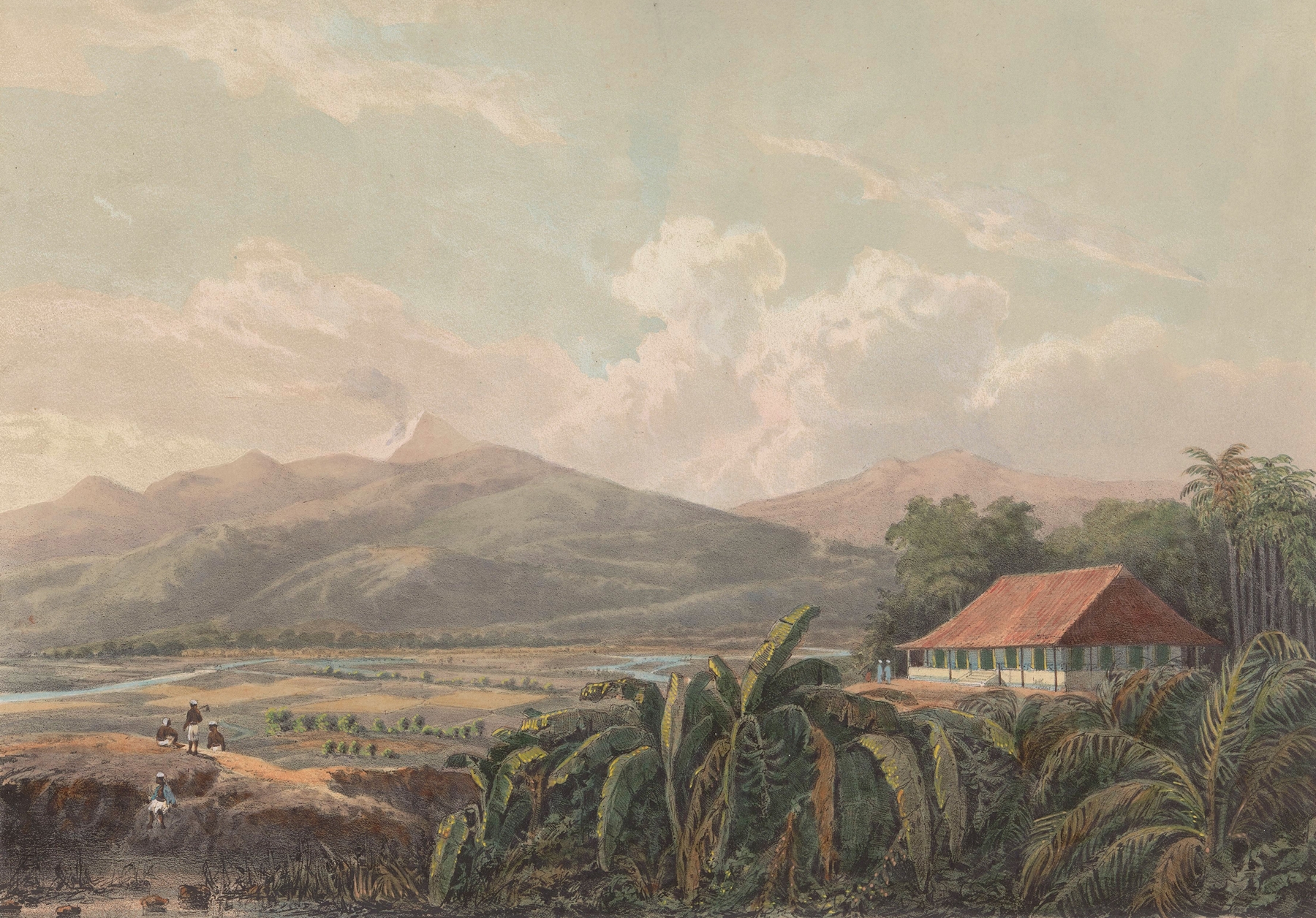
Gezicht op de Zuidersluis en een deel van IJmuiden, gezien in westelijke richting. — History & Analysis
What if beauty was never meant to be finished? In the delicate interplay of water and light, a moment suspended in time invites contemplation and nostalgia. Look to the left at the calm waters of the Zuidersluis, where ripples dance gently under the embrace of the setting sun. The artist has employed a muted palette of blues and earthy tones, creating a serene atmosphere that draws the viewer’s gaze towards the architectural lines of the sluice gates.
Notice the meticulous brushwork that captures both the solidity of the structures and the fleeting nature of the clouds above, reflected in the water below — a poignant juxtaposition of permanence and transience. Delve deeper into the shadows and highlights in the painting: the way the sun's last rays cast long shadows, hinting at the day's end and the quietness of evening. The gentle curve of the horizon suggests continuity, while the splashes of color narrate a story between industry and nature. Each element, from the soft hues of the sky to the sturdy sluice, serves as a reminder of a world in constant flux, evoking feelings of longing for moments that can never be recaptured.
Between 1880 and 1885, Johan Conrad Greive painted this work during a period marked by industrial growth and changes in Dutch society. Living in the Netherlands, he was part of a movement that celebrated both the beauty of landscapes and the progress of burgeoning infrastructure. This reflective piece captures not only the physical landscape but also the emotional landscape of a time when the past and present collided, contemplating the beauty of what may be lost.