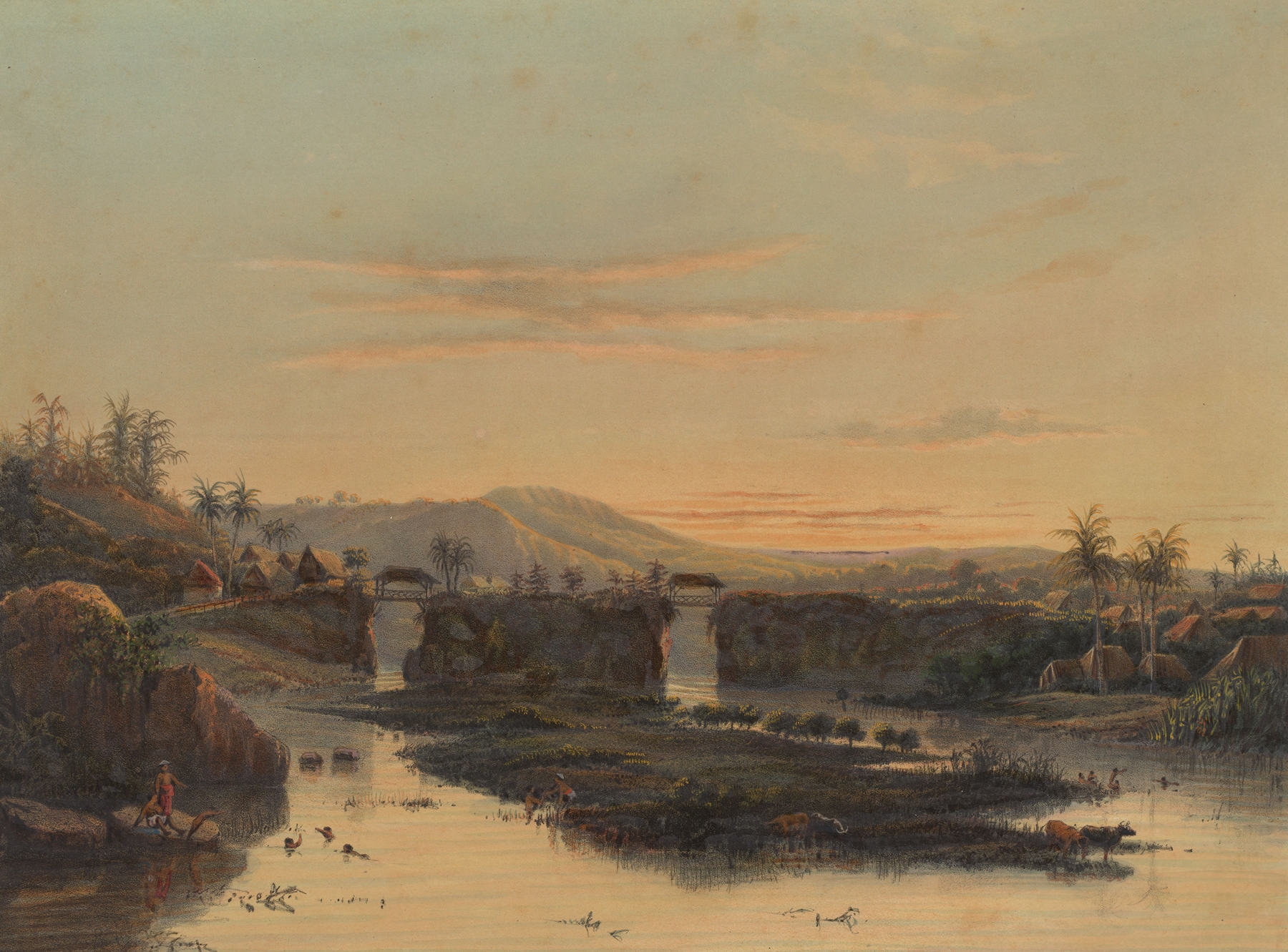
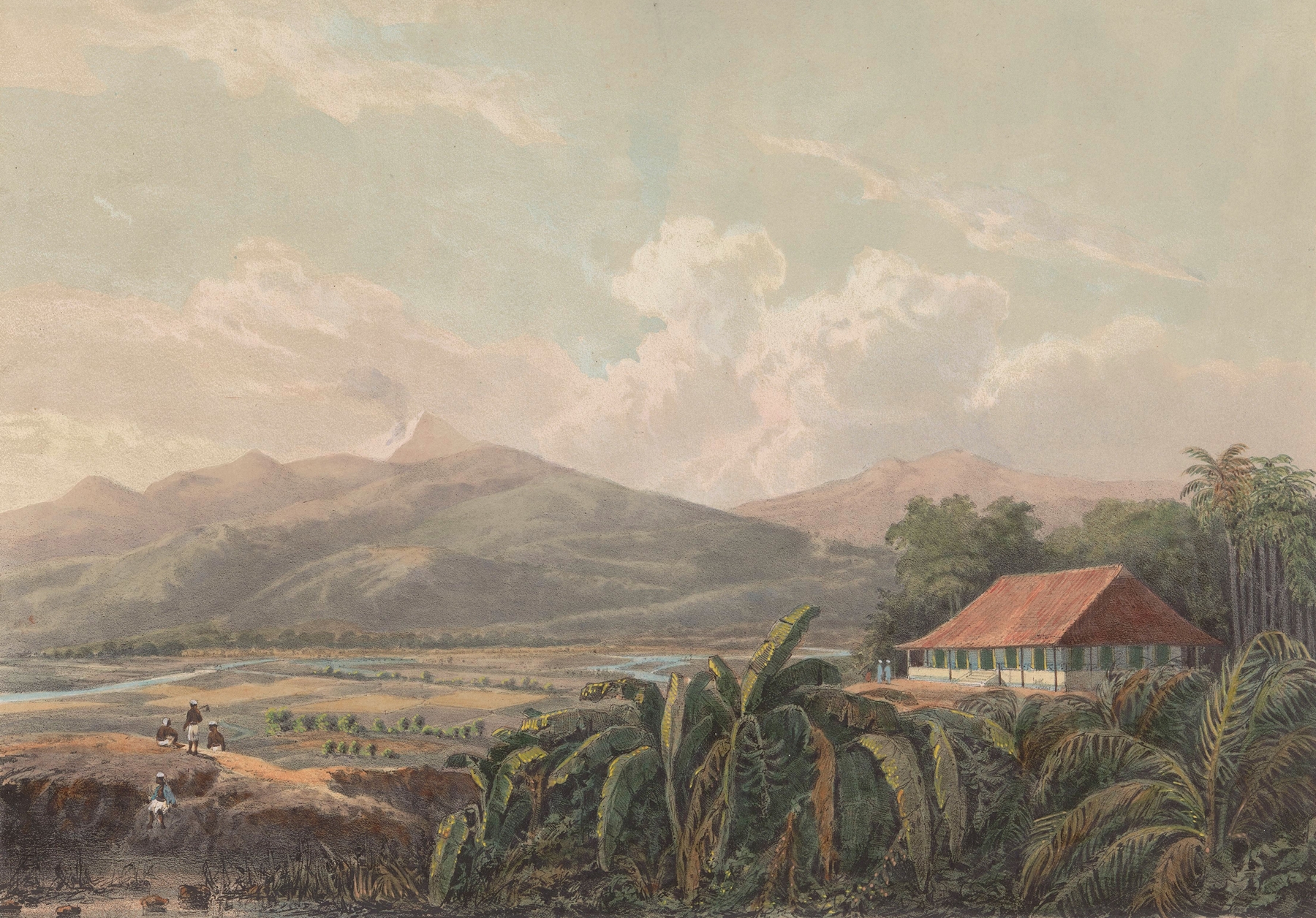
Gezicht op het Tenggergebergte. In het Tengersche gebergte — History & Analysis
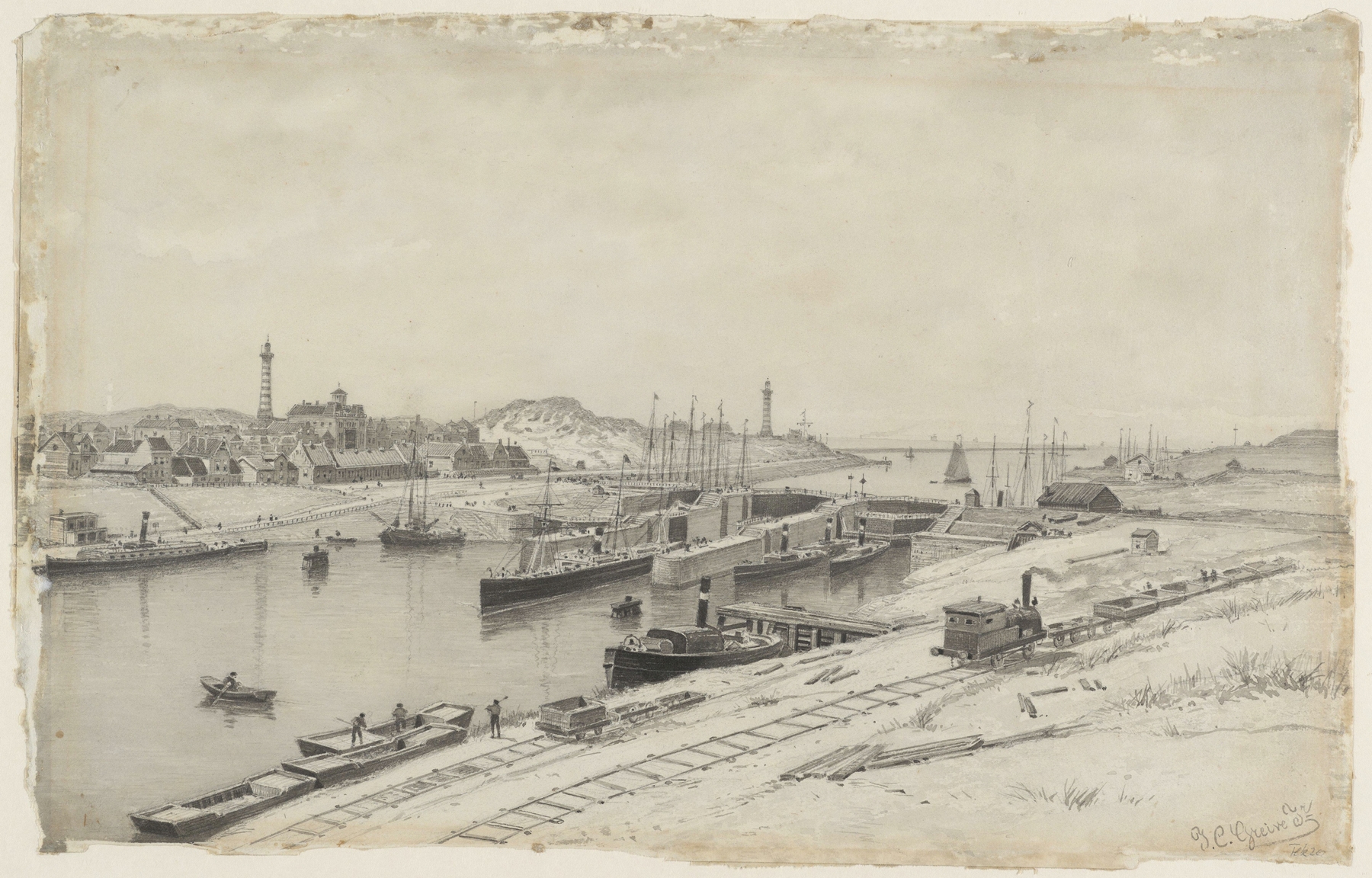
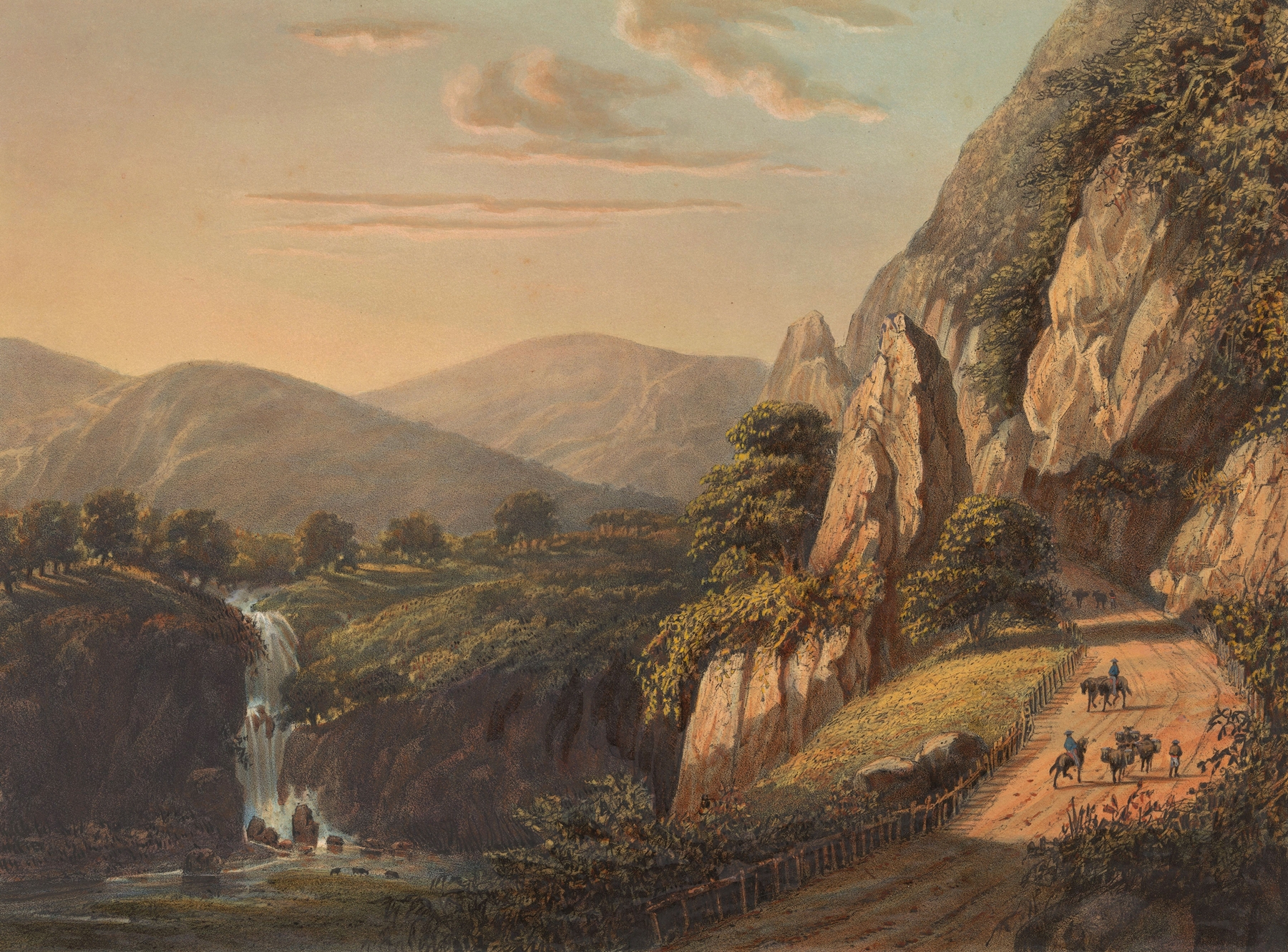
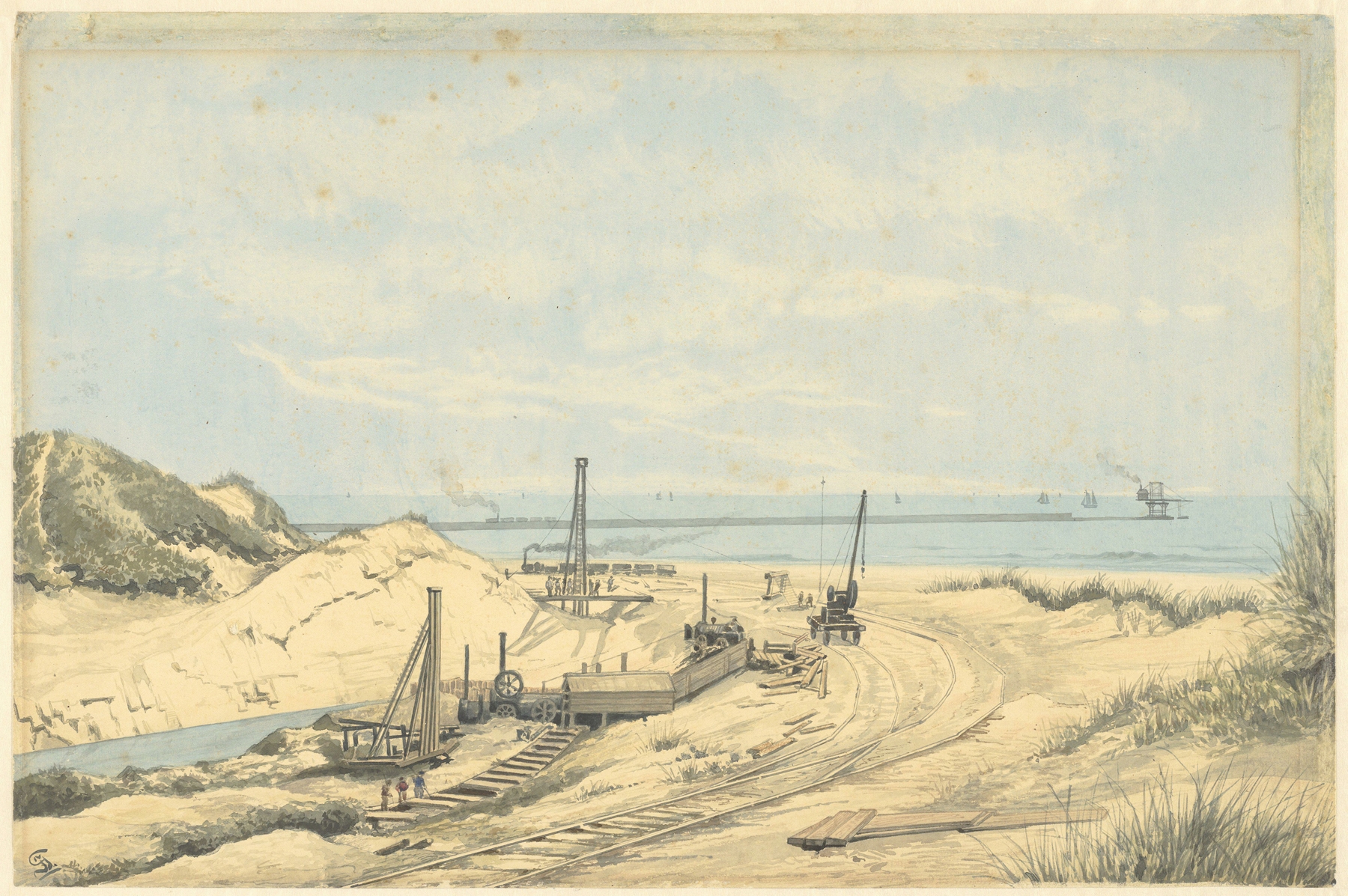
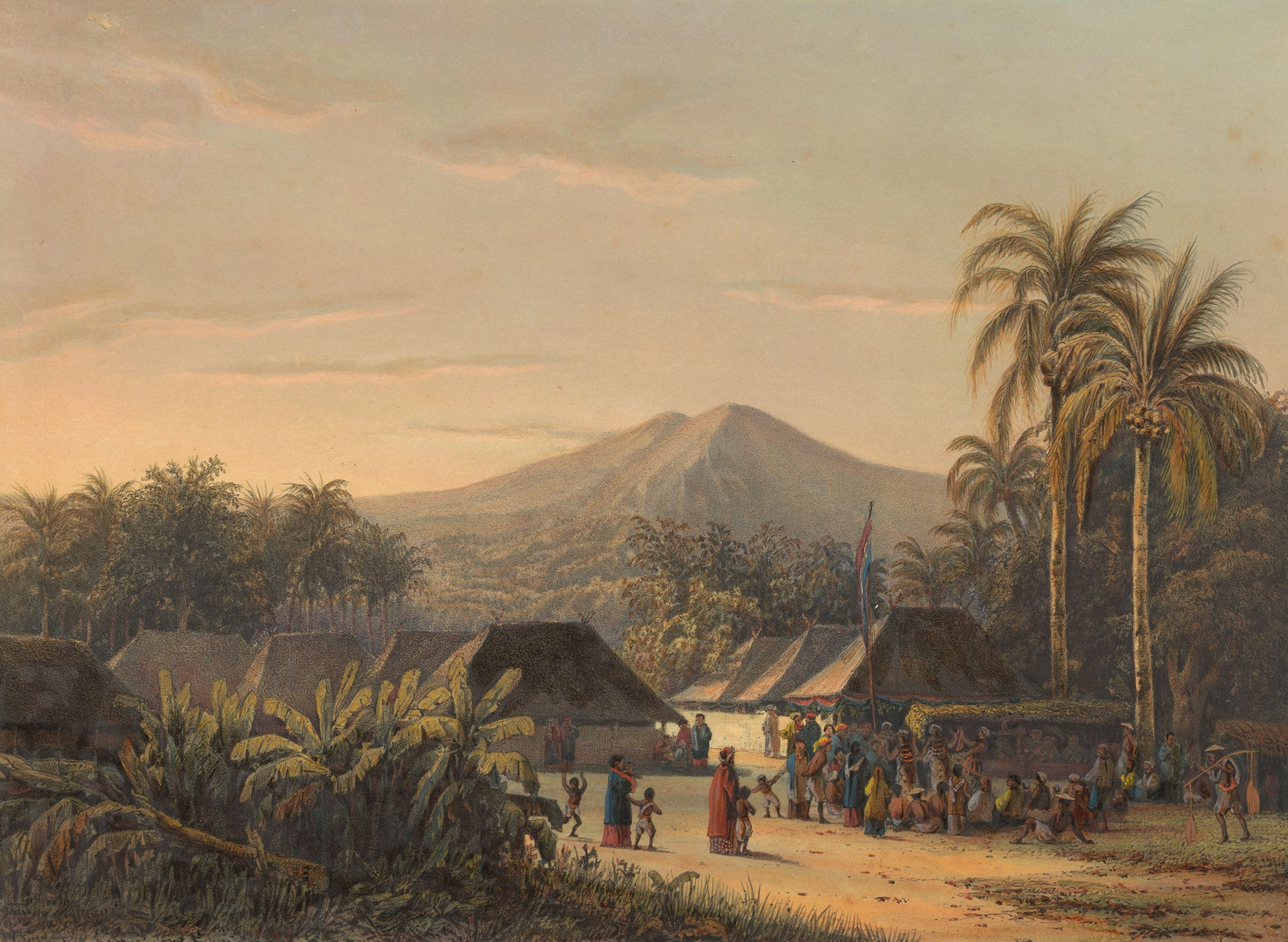
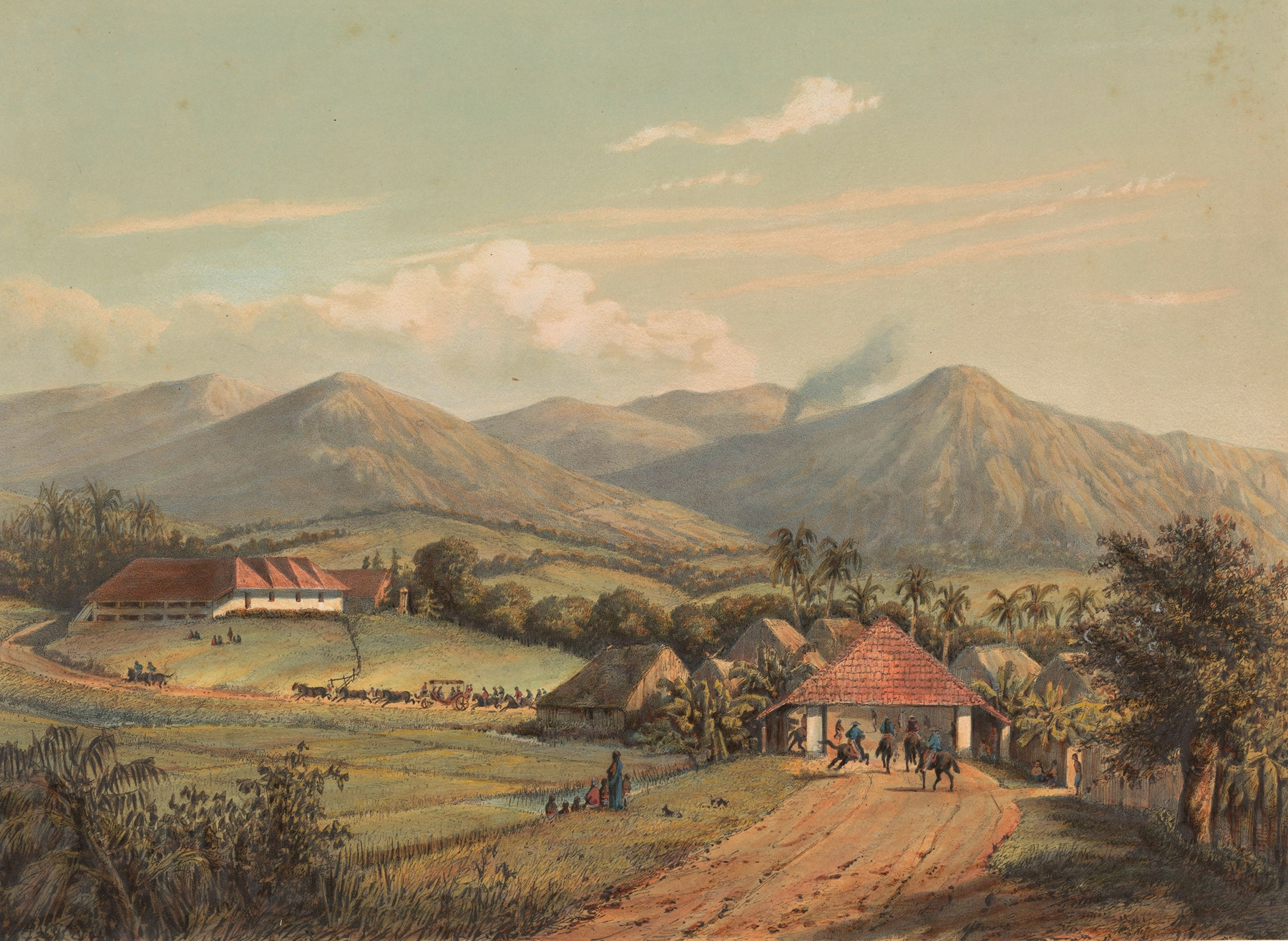
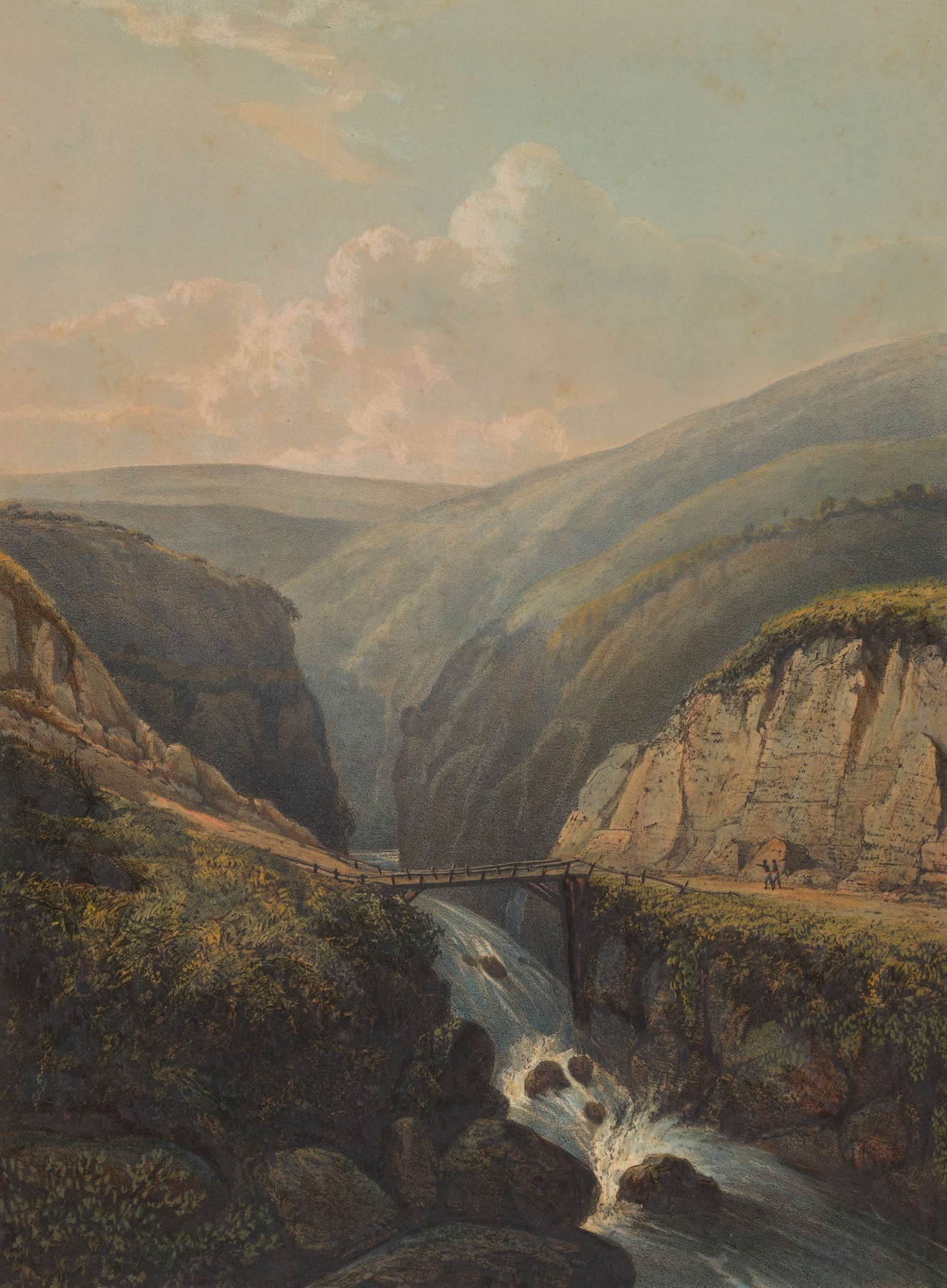
Who listens when art speaks of silence? In Gezicht op het Tenggergebergte, the essence of tranquility is imbued with undercurrents of change, capturing the viewer's attention with an unspoken tension that lingers in the air. Look to the horizon where the majestic peaks rise, painted in soft, muted tones that evoke a sense of reverence. The delicate interplay of light and shadow dances across the ridges, drawing the eye along their contours and into the heart of the landscape.
Notice how the mist gently caresses the mountains, creating a sense of mystery and depth, as if the viewer is invited to explore a world both grand and intimate. Beneath this serene facade lies a complex emotional landscape. The expansive sky, though serene, hints at the storm of change that was sweeping through society at the time. The juxtaposition of nature's stillness against the backdrop of impending revolution invites contemplation on the fragility of peace amidst rising tensions.
Each brushstroke serves not only to depict a moment in time but also to echo the silent struggles of those who inhabit this landscape. In 1869, as Johan Conrad Greive painted this work, Europe was on the brink of transformation; revolutions were unfolding, reshaping nations and ideologies. Working amidst the picturesque beauty of the Tengersche Gebergte, Greive found inspiration in the majestic landscape while navigating the complexities of his era. This painting reflects not just a moment captured in nature but also a poignant reminder of the silent struggles of humanity in the face of great change.