Sloep bij een zeilschip op het water — History & Analysis
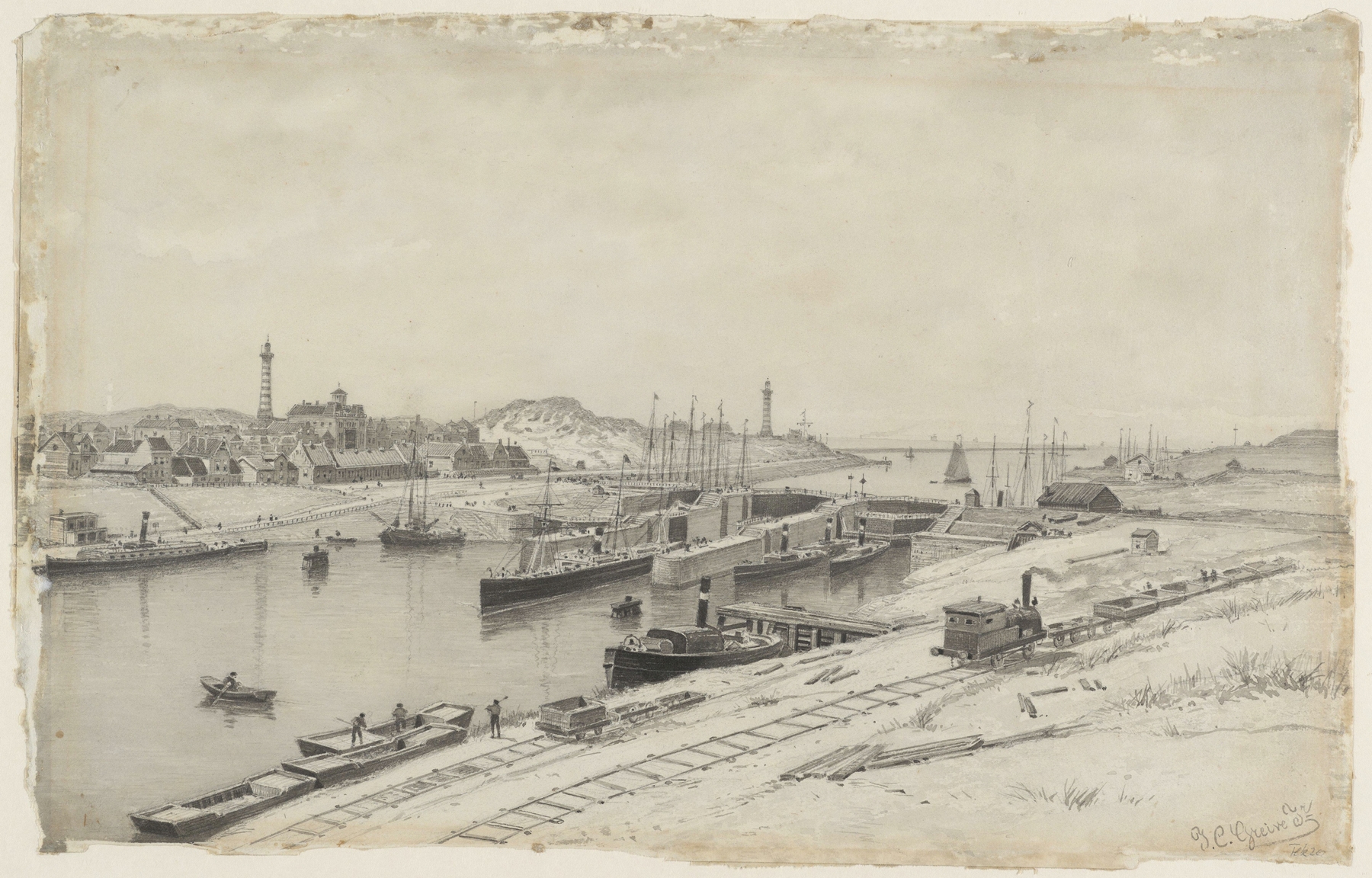
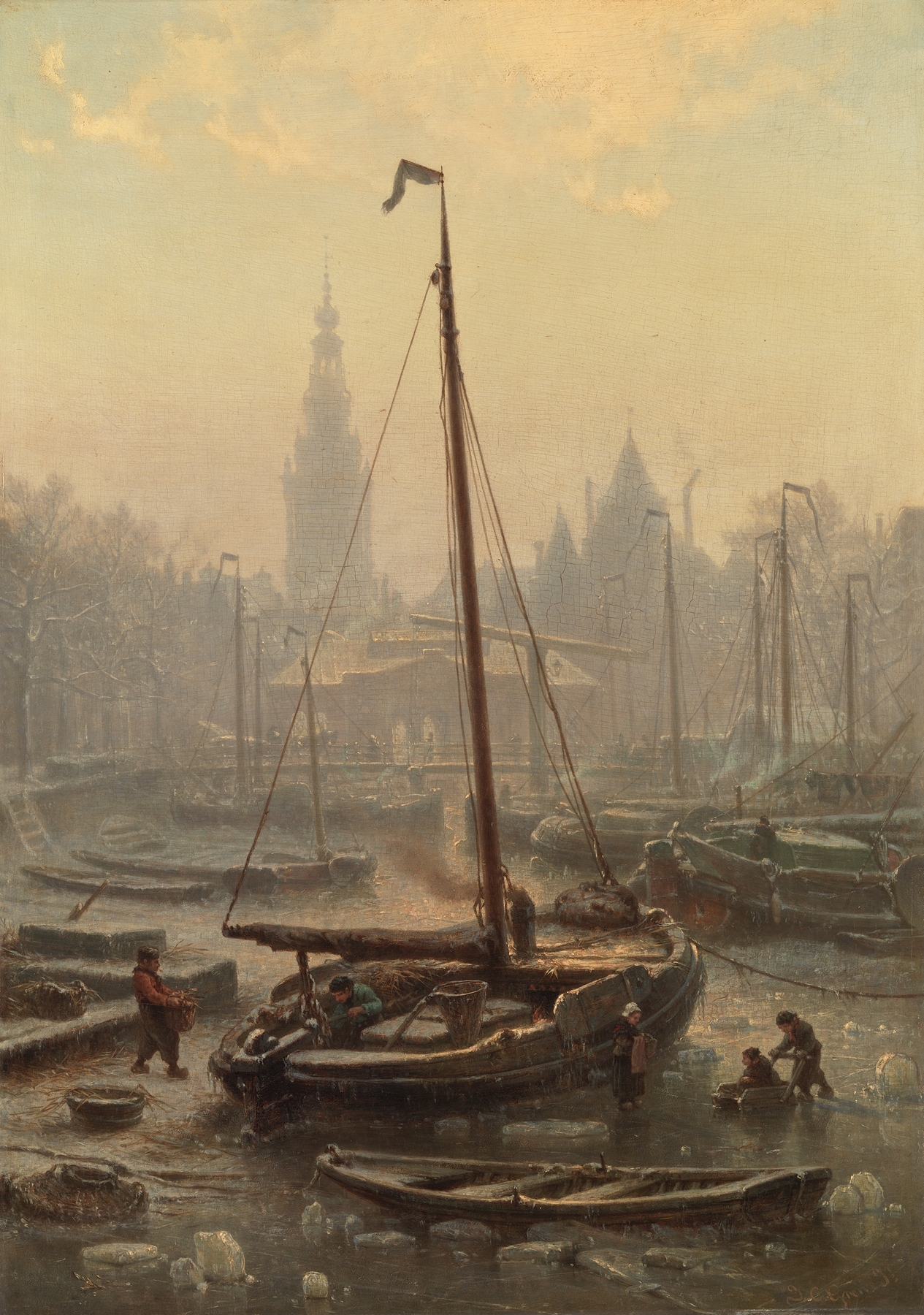
Could a single brushstroke hold eternity? In Sloep bij een zeilschip op het water, a quiet chaos unfolds on the canvas, where tranquility and turmoil dance just beneath the surface. Look to the left at the small sloop, its delicate silhouette anchored against a backdrop of shimmering water. Notice how the gentle waves ripple with life, the brushstrokes fluid and restless, capturing the essence of movement. The artist’s palette employs soft blues and muted grays, evoking a serene atmosphere while hinting at underlying tumult with darker accents that pulse through the scene.
The composition draws the viewer’s eye toward the towering sailboat in the distance, creating a contrast between the simplicity of the sloop and the grandeur of its larger counterpart. Delve deeper into the stillness of this moment, where the chaos of nature lies just beneath the surface. The sloop, though small, seems to embody a struggle against the expansive backdrop of the sea and sky. The tension lies in the balance; the boat is both vulnerable and resilient amidst the vastness.
Each stroke encapsulates a fleeting moment, a reminder of life's unpredictability, echoing the emotional currents within us all. In 1855, Johan Conrad Greive painted this piece amidst a burgeoning interest in maritime themes within the Dutch art scene. Living in a period marked by national pride and exploration, Greive sought to capture the essence of his surroundings in a way that resonated with both personal and collective experiences. His works often reflect the tension between serenity and chaos, mirroring the complex relationship humans have with nature.