De geseling van Christus — History & Analysis
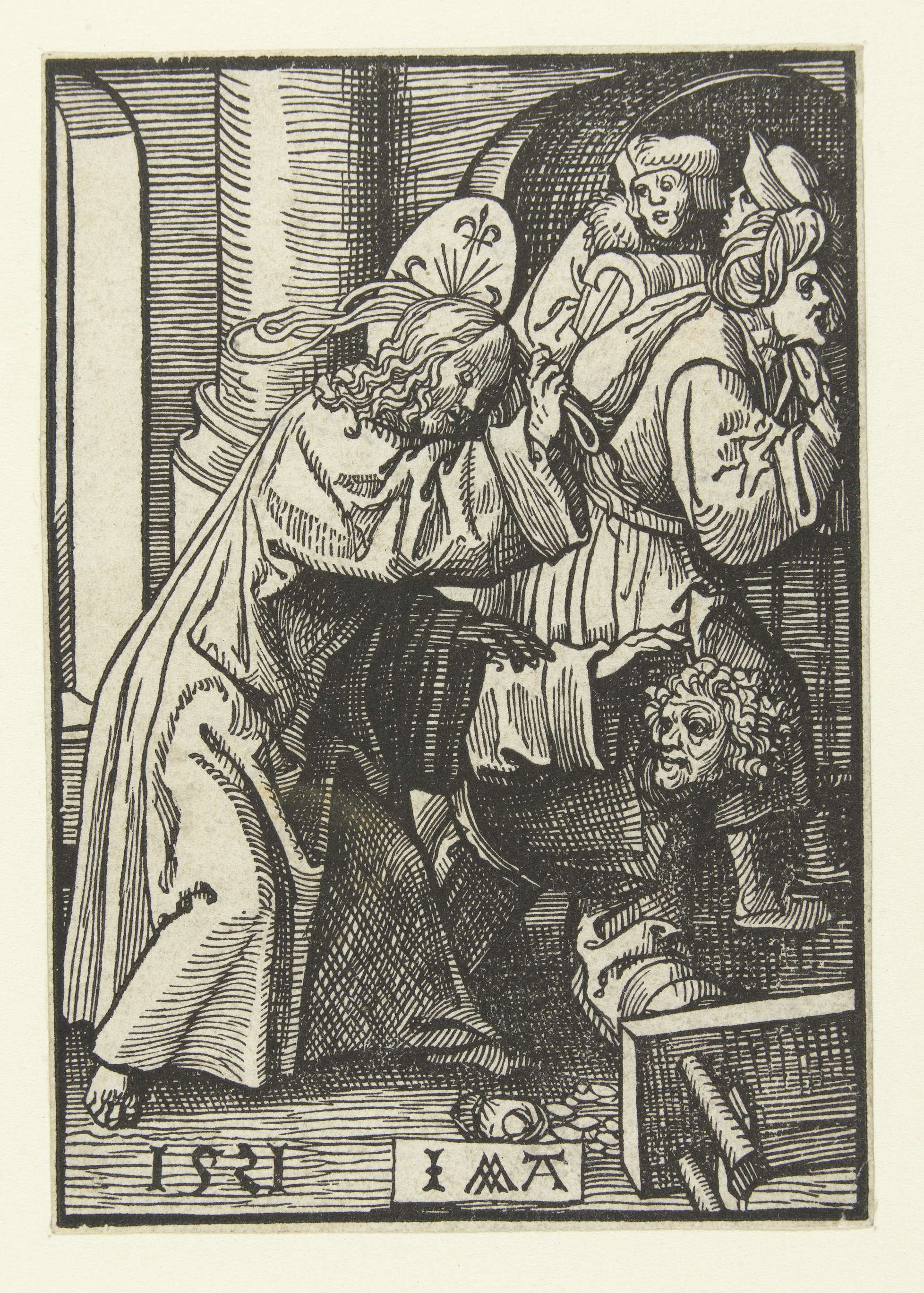
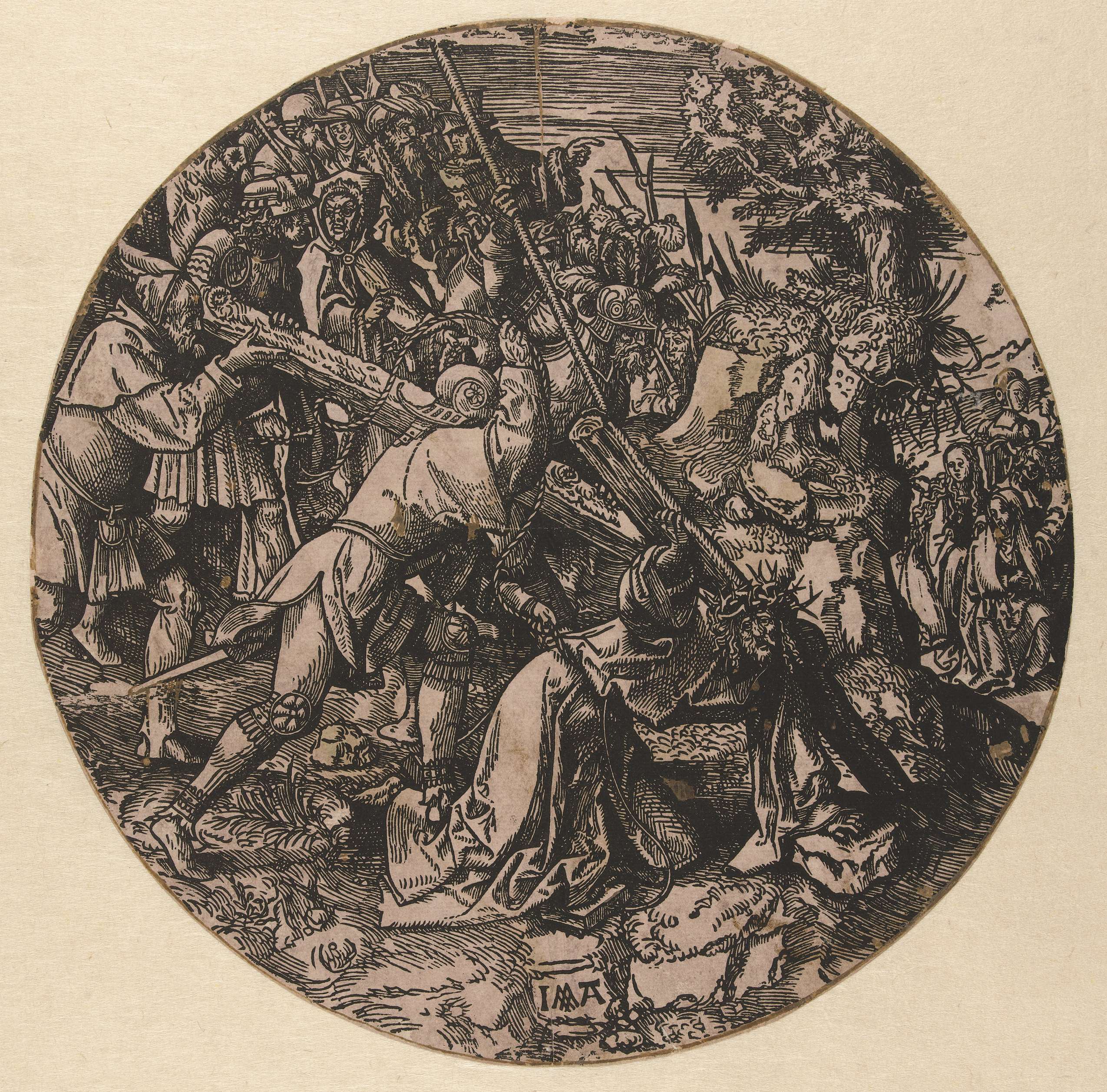
“Under the brush, chaos becomes grace.” In the face of suffering, hope finds a way to emerge, illuminating even the darkest corners of despair. Look to the center of the composition, where the figure of Christ stands bound, a vivid contrast against the cool hues surrounding him. Notice the dramatic interplay of light and shadow that caresses his tortured form, highlighting the raw, human emotion etched on his face. The surrounding figures, arrayed like a grim audience, are rendered with meticulous detail, their expressions ranging from mockery to sorrow, engulfed in a chiaroscuro that amplifies the tension of the scene.
Each brushstroke carries palpable energy, drawing the viewer into this poignant moment. As you delve deeper, consider the symbolism embedded in the details: the whip poised to strike, the thorny crown that cruelly rests upon Christ’s brow, each element a testament to suffering and sacrifice. Yet, despite the overwhelming violence, there is an undercurrent of resilience. The soft glimmer of light falling on Christ’s figure suggests an ethereal hope—an invitation to reflect on the profound strength found in vulnerability.
The contrast between the bright illumination surrounding him and the darker tones of his tormentors serves to evoke a sense of impending redemption amid the chaos. This artwork emerged during a period of significant change in the art world, as Jacob Cornelisz van Oostsanen created it between 1517 and 1533. Located in Amsterdam, the artist navigated the tension between the late Gothic tradition and the burgeoning Renaissance ideals. Amidst a climate of religious upheaval and the rise of humanist thought, he sought to convey the complexities of faith and suffering through his work, capturing the essence of a deeply emotional narrative that continues to resonate today.