
De vuurtoren van Oostende bij zonsopgang — History & Analysis
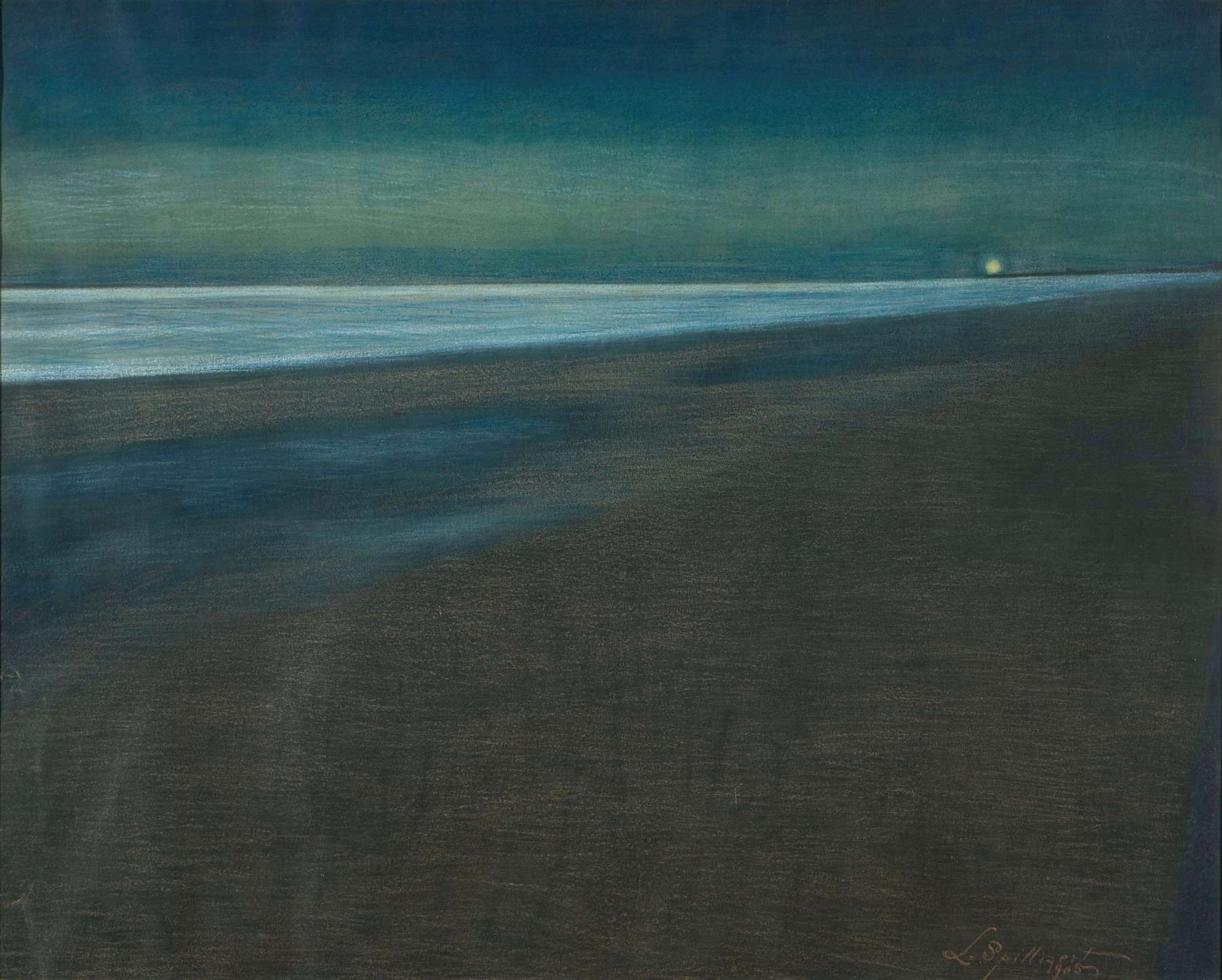
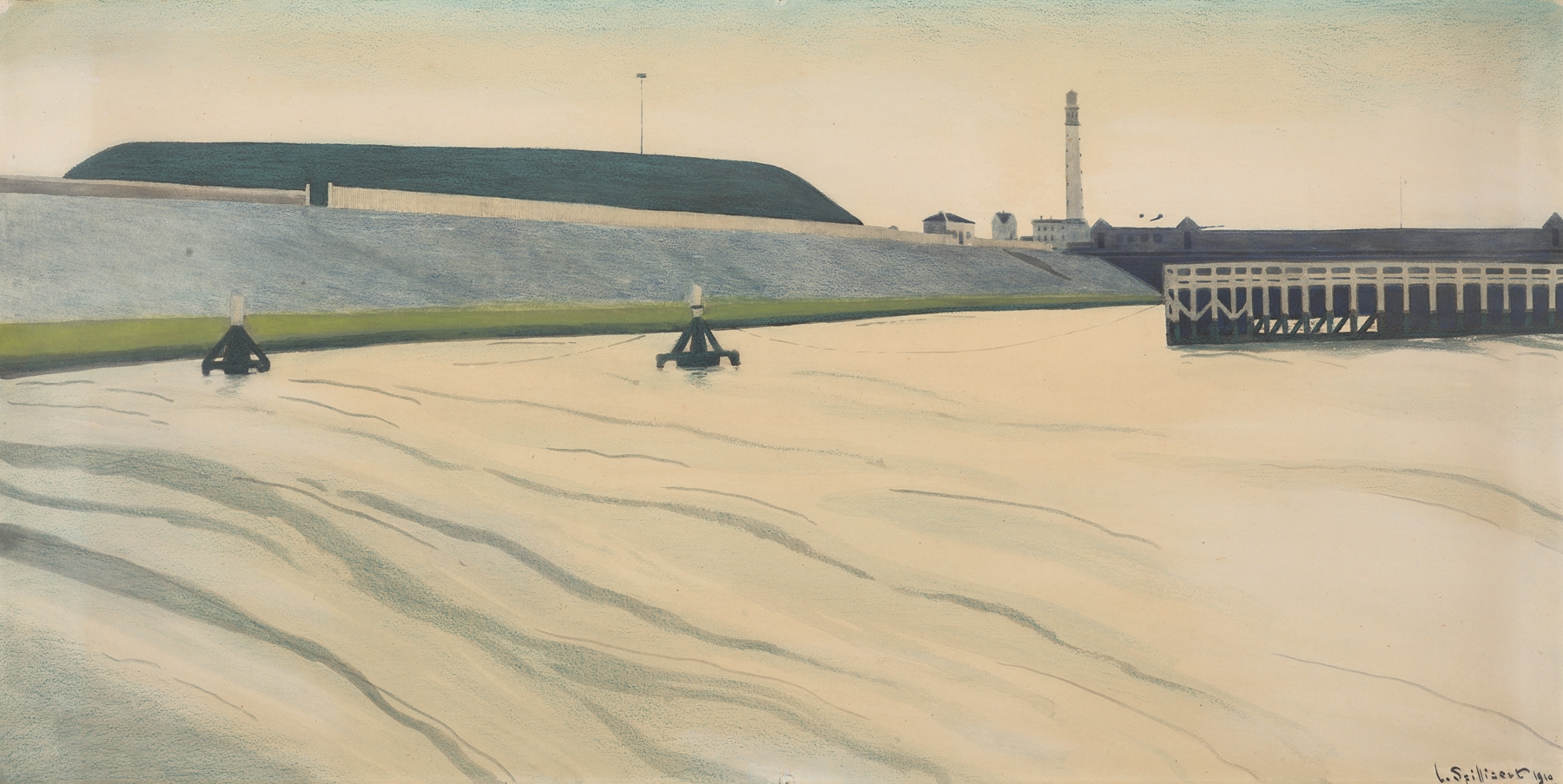
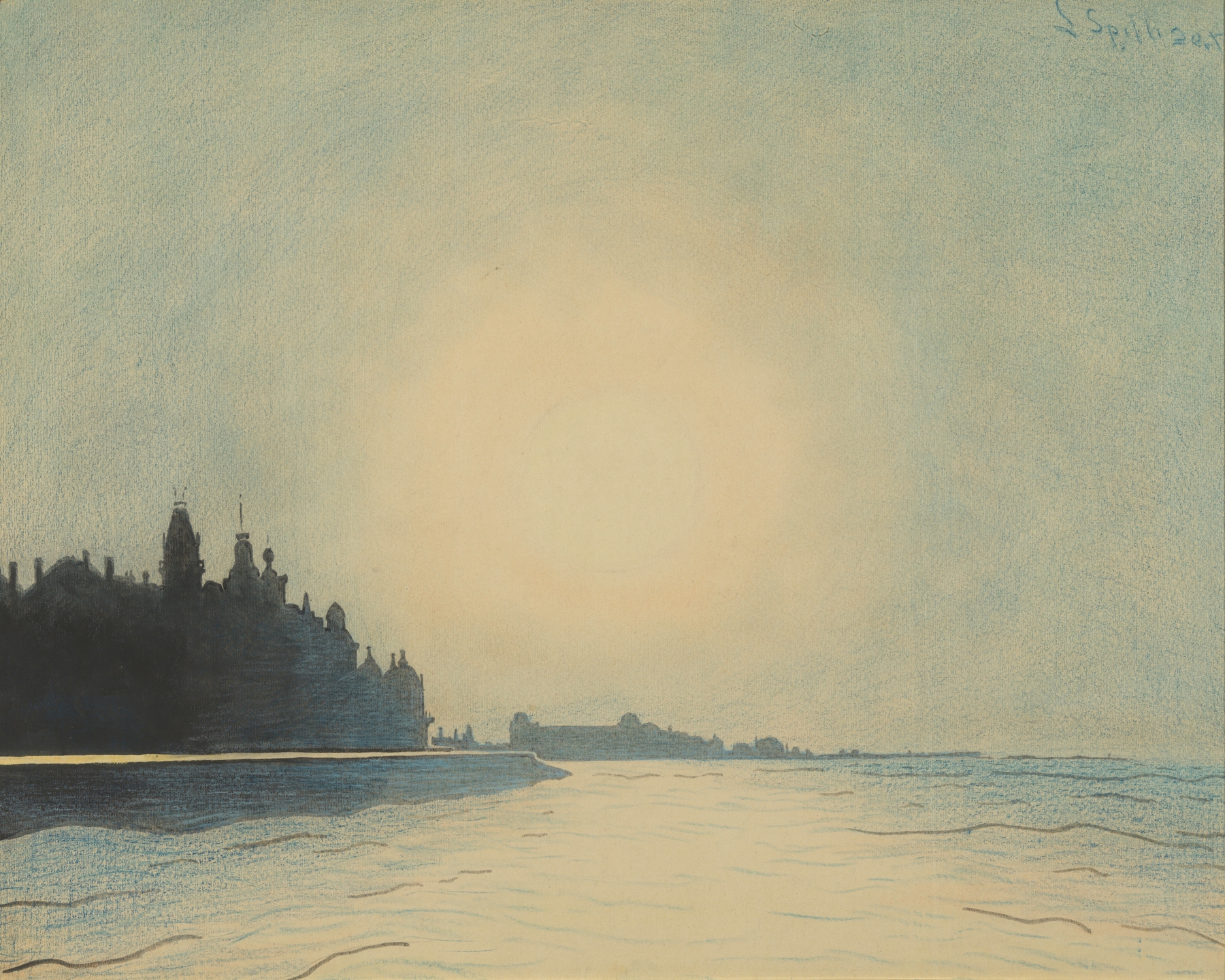
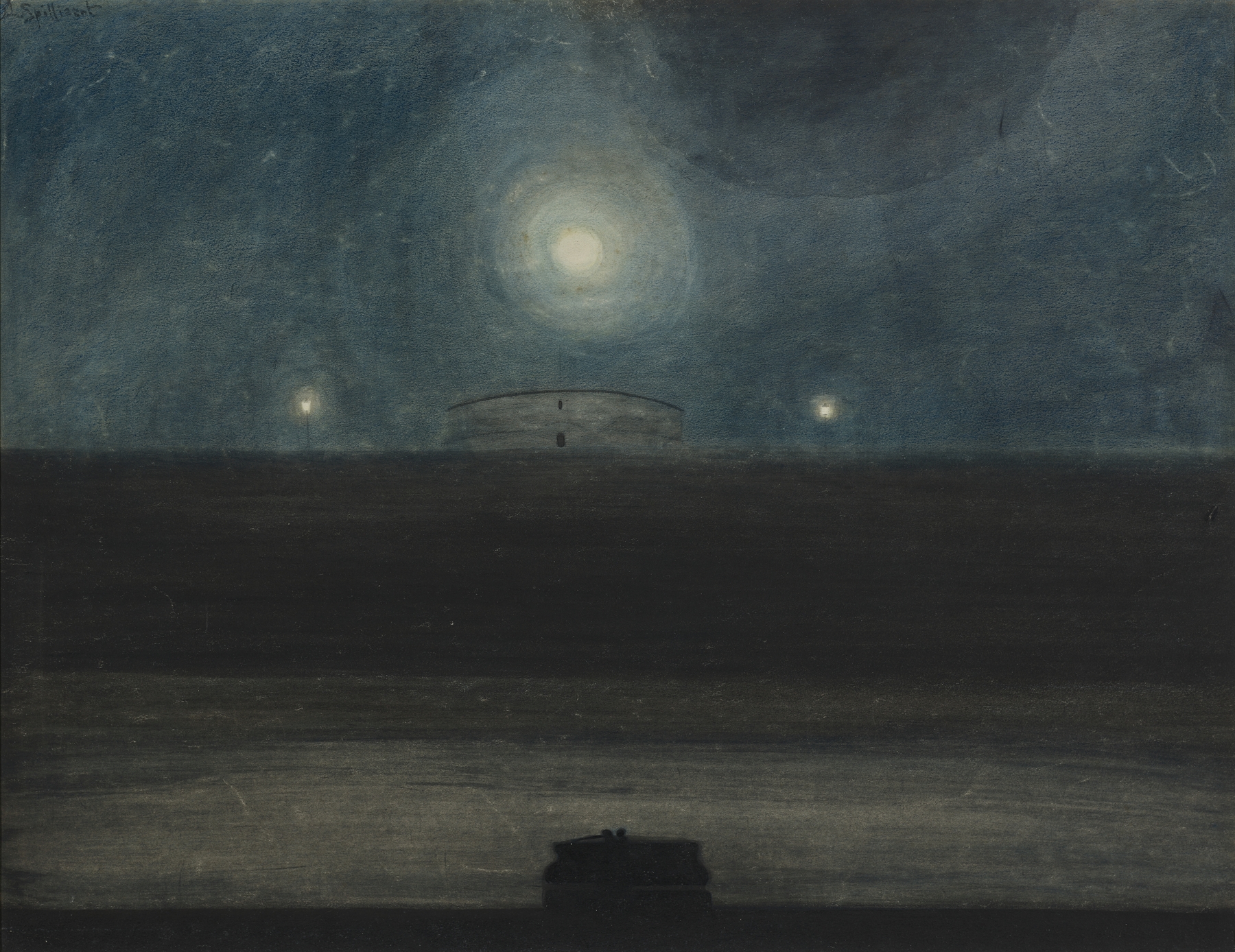
“The canvas doesn’t lie — it simply waits.” In its stillness, it invites us to seek the truth hidden within its depths, demanding a closer look at the world depicted. Focus on the serene horizon, where the soft gradient of dawn spills into the canvas, blending hints of lavender and gold. The lighthouse stands sentinel against the awakening sky, its stark silhouette contrasting the ethereal colors. Notice the delicate brushstrokes that capture the water's undulating surface, reflecting both the light of the morning and the quietude of solitude.
Each stroke seems to vibrate with life, yet holds an almost eerie stillness that envelops the scene. In this work, Spilliaert contrasts the calm of the dawn with the resolute presence of the lighthouse, symbolizing guidance and hope amid uncertainty. The interplay of light and shadow suggests an emotional depth, hinting at the solitude of the human experience. The gentle waves resonate with a sense of longing, while the lighthouse offers a flicker of assurance—a truth that lies both in the light and in the dark.
Painted in 1909, this piece emerged from Spilliaert's time in Ostend, Belgium, where he was deeply influenced by the coastal landscape and its shifting atmospheres. During this period, the artist sought to capture the essence of ephemeral moments, mirroring the rise of modernism and a departure from traditional forms. His exploration of light and solitude reflects both personal introspection and the broader artistic movements of his time, as he navigated the complexities of reality through his unique lens.
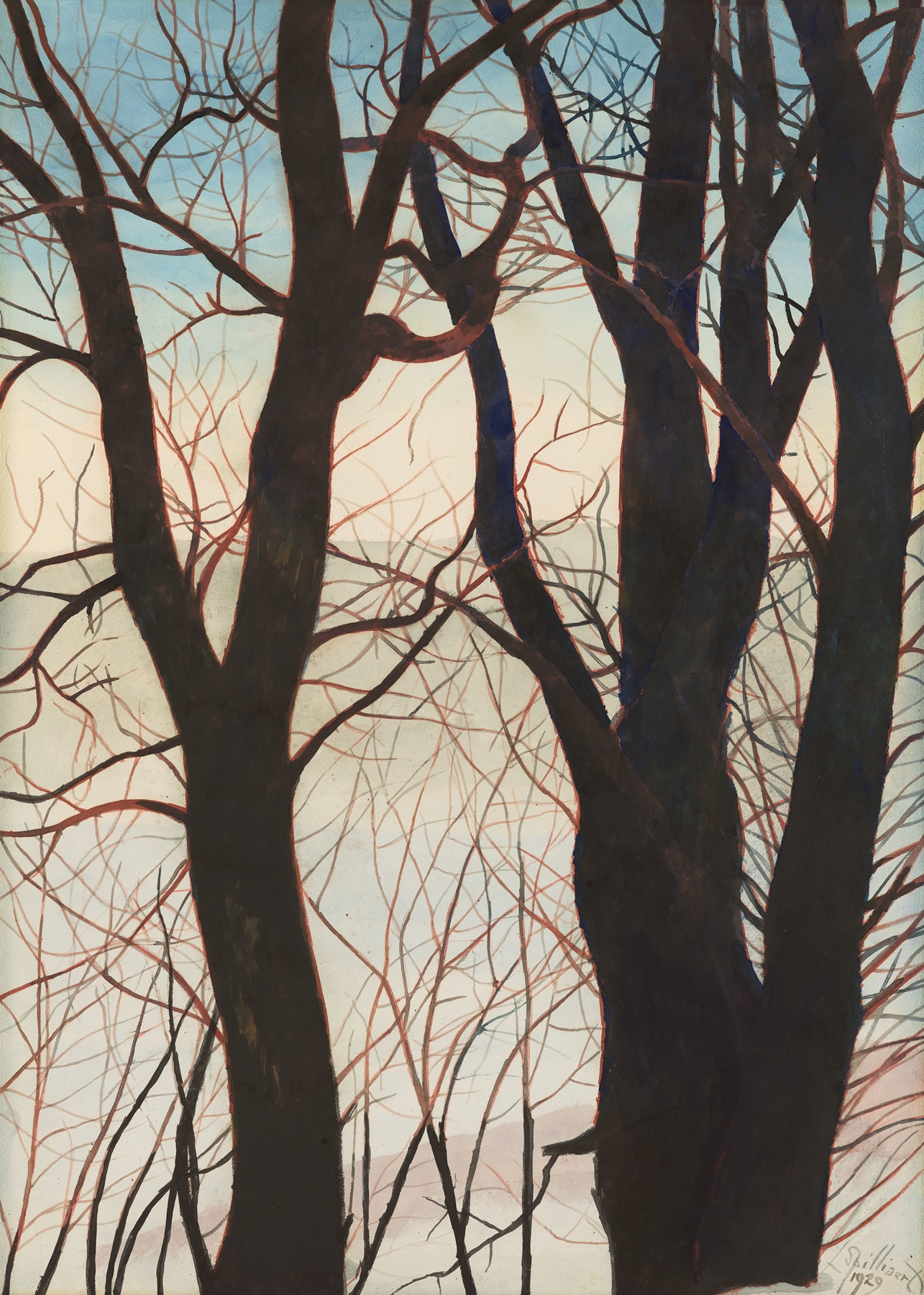
![Le Phare aux signaux [De vuurtoren], by Léon Spilliaert, public domain](https://froigstrpvutwqtqikzt.supabase.co/storage/v1/object/public/art-images/artworks/15c64ea88267bb2176f857ee48f253129140e660e1928d47acf6cab808d0226d.jpg)