
De Wellingtonrenbaan en het Royal Palace Hotel te Oostende kort na de Tweede Wereldoorlog — History & Analysis
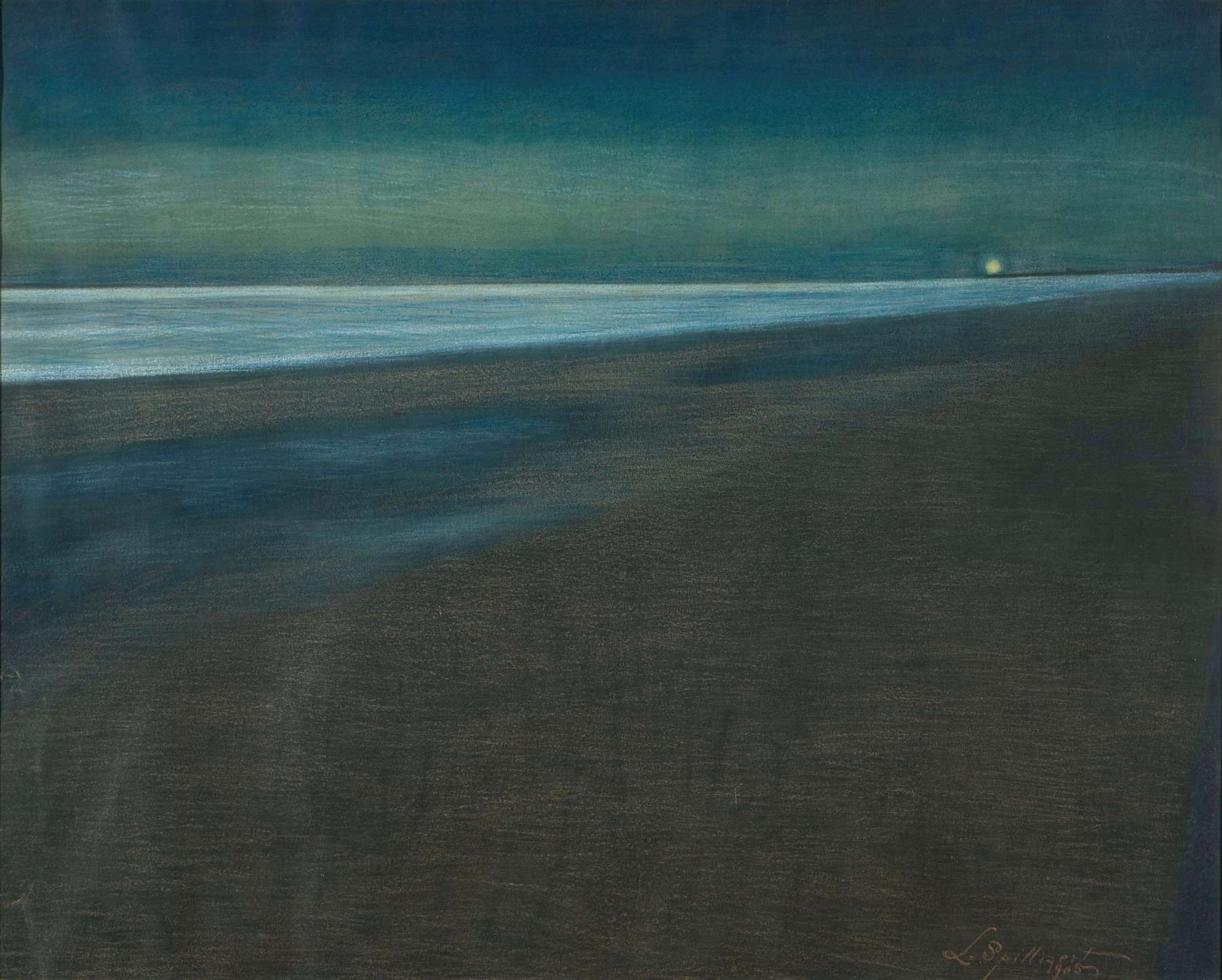
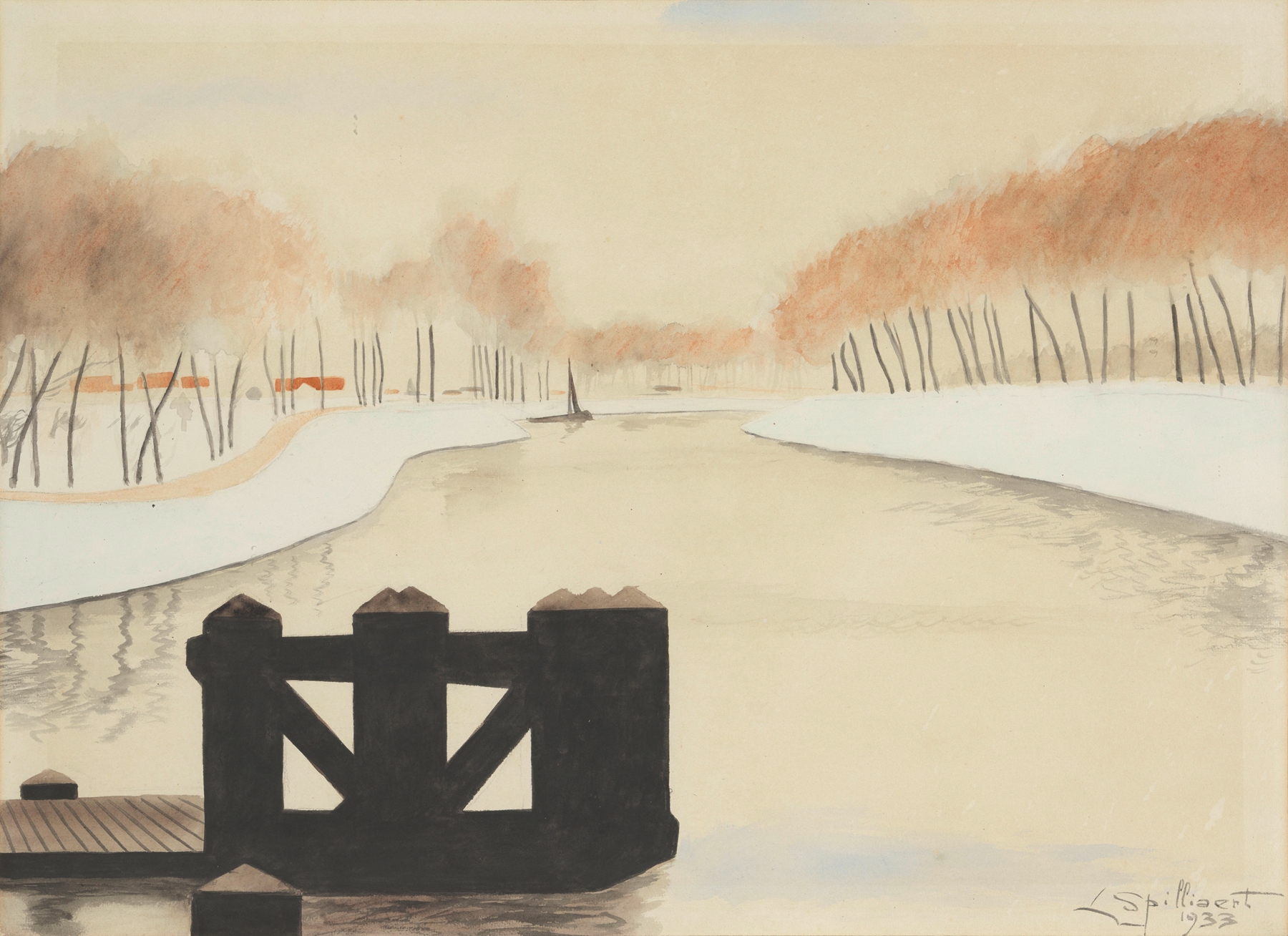
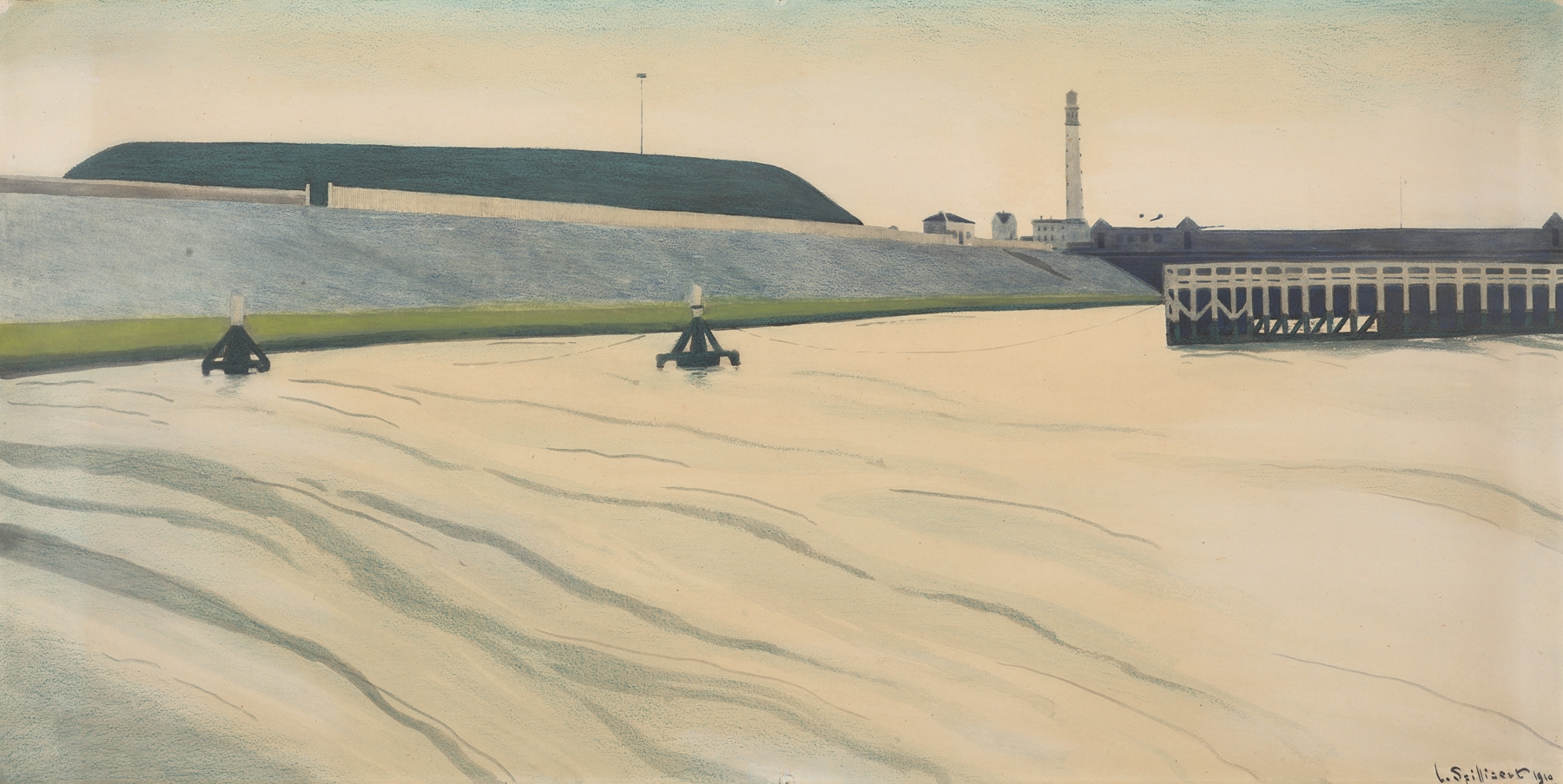
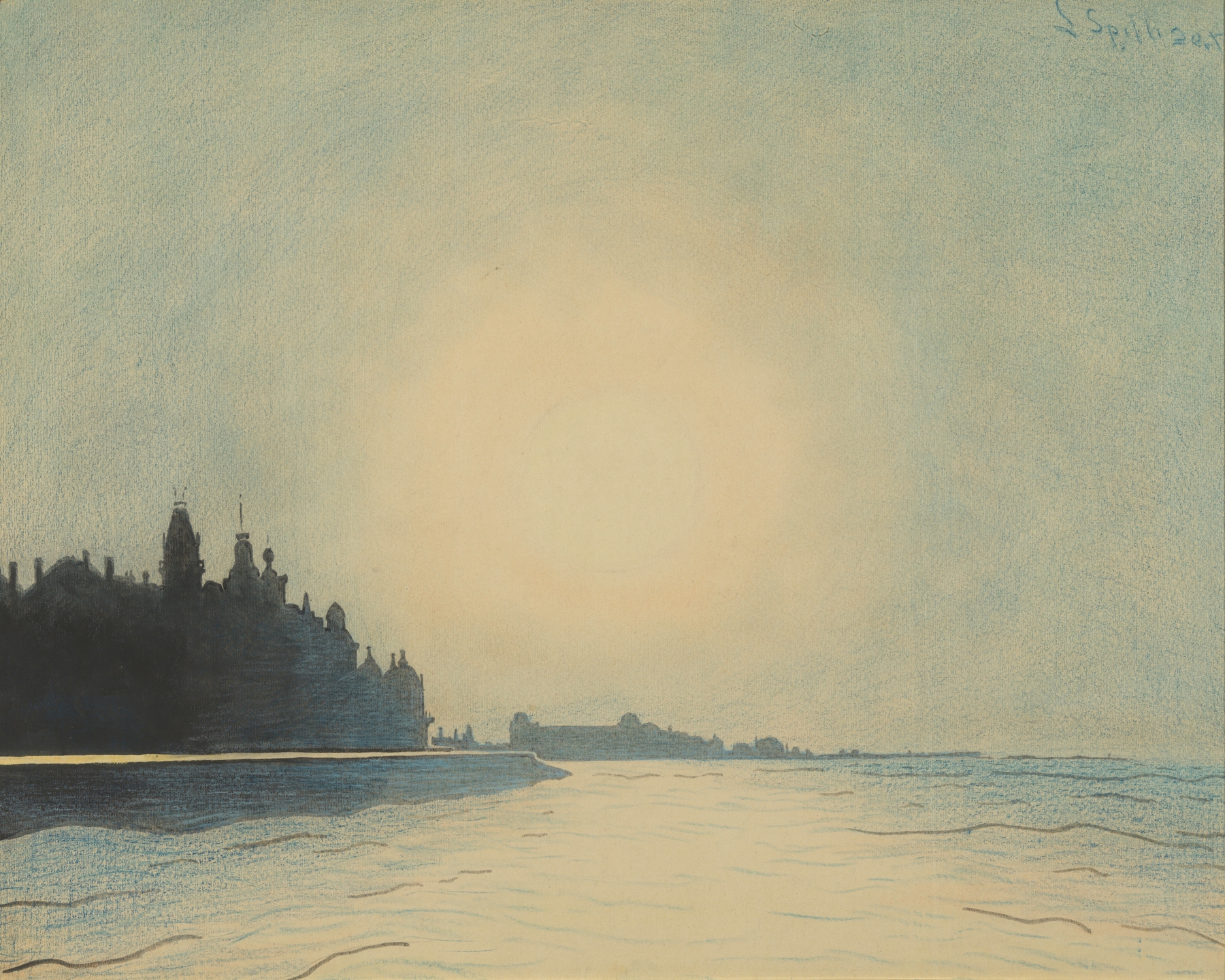
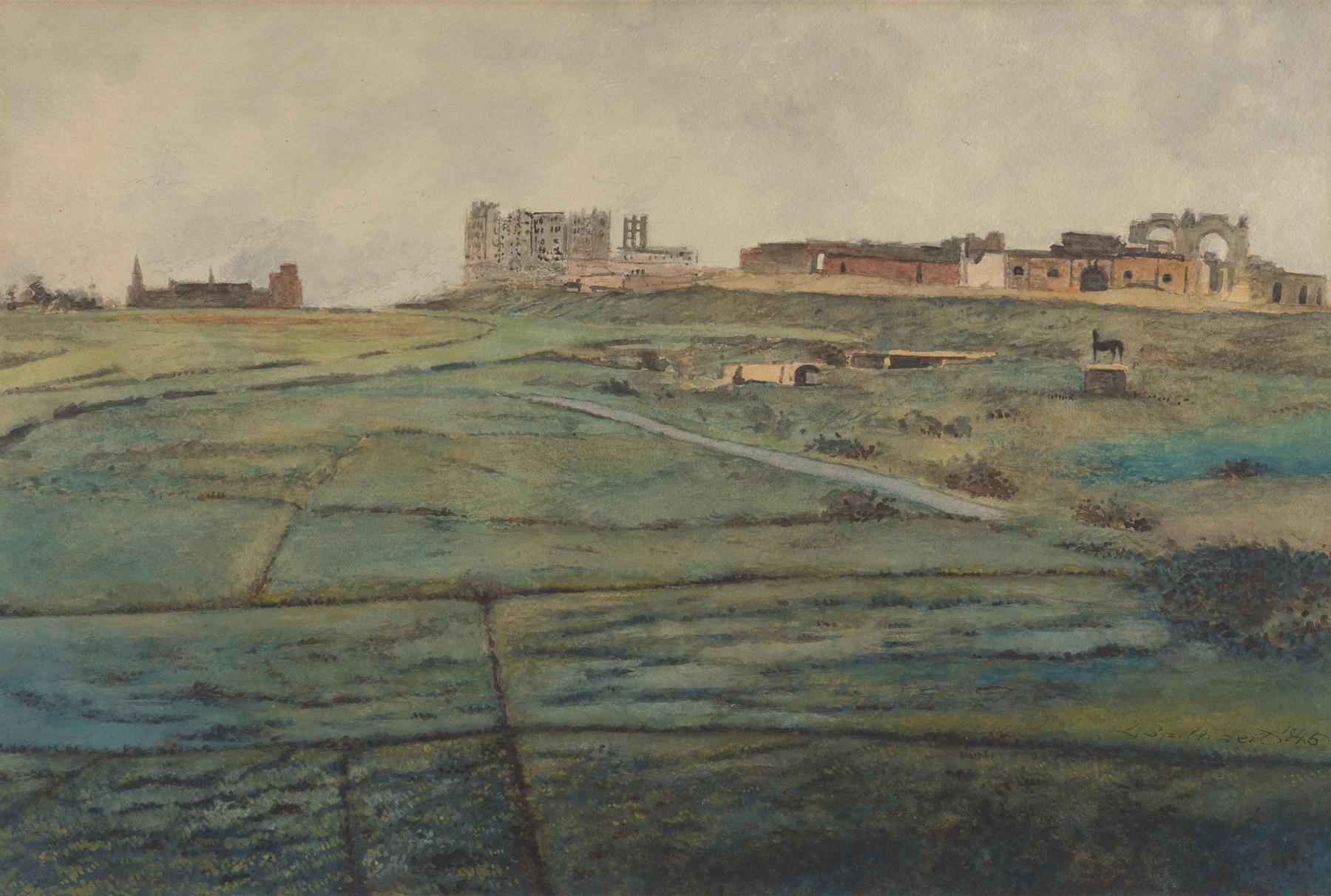
When did color learn to lie? In a world painted with innocence, hues can sometimes bear the weight of secrets untold, as if bearing witness to forgotten truths. Focus on the vibrant shades that Spilliaert employs to breathe life into the canvas. Notice the deep blues and icy whites that dominate the scene, evoking a wintry chill contrasted by the warmth of the hotel’s glowing windows. Look to the left, where the architectural lines of the Royal Palace Hotel rise majestically against the stark sky, suggesting stability amid chaos.
The composition strikes a balance between emptiness and the promise of life, deftly capturing a moment poised on the edge of change. Amidst the apparent tranquility, there lurks a tension that belies the surface calm. The starkness of the landscape echoes the aftermath of war, inviting contemplation on the innocence lost and the resilience required to rebuild. Small details, such as the shadows cast by the hotel, hint at the specter of the past, while the gentle interplay of light serves as a reminder of hope and renewal.
This juxtaposition reflects the emotional landscape of a nation emerging from conflict, grappling with its identity. In 1945, Léon Spilliaert painted this work amidst the upheaval of post-war Europe, a time when many artists grappled with themes of loss and recovery. Working in Oostende, he found inspiration in the desolate beauty of the coastal landscape, channeling his response to the devastation around him. This painting stands not just as an artistic endeavor but as a poignant commentary on the resilience of the human spirit in the face of profound change.
![Le Phare aux signaux [De vuurtoren], by Léon Spilliaert, public domain](https://froigstrpvutwqtqikzt.supabase.co/storage/v1/object/public/art-images/artworks/15c64ea88267bb2176f857ee48f253129140e660e1928d47acf6cab808d0226d.jpg)