Der Herzogstand Am Walchensee Im Schnee — History & Analysis
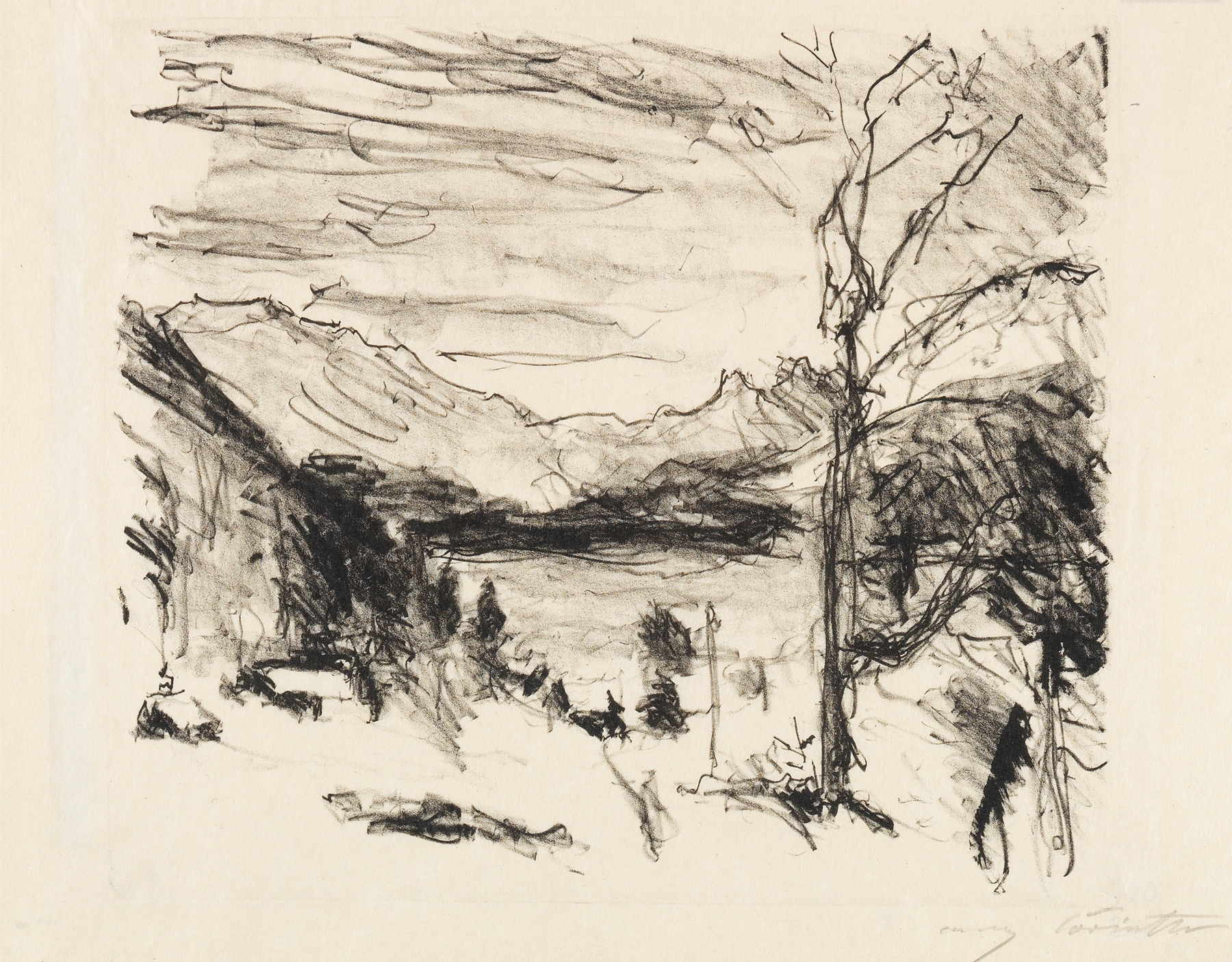
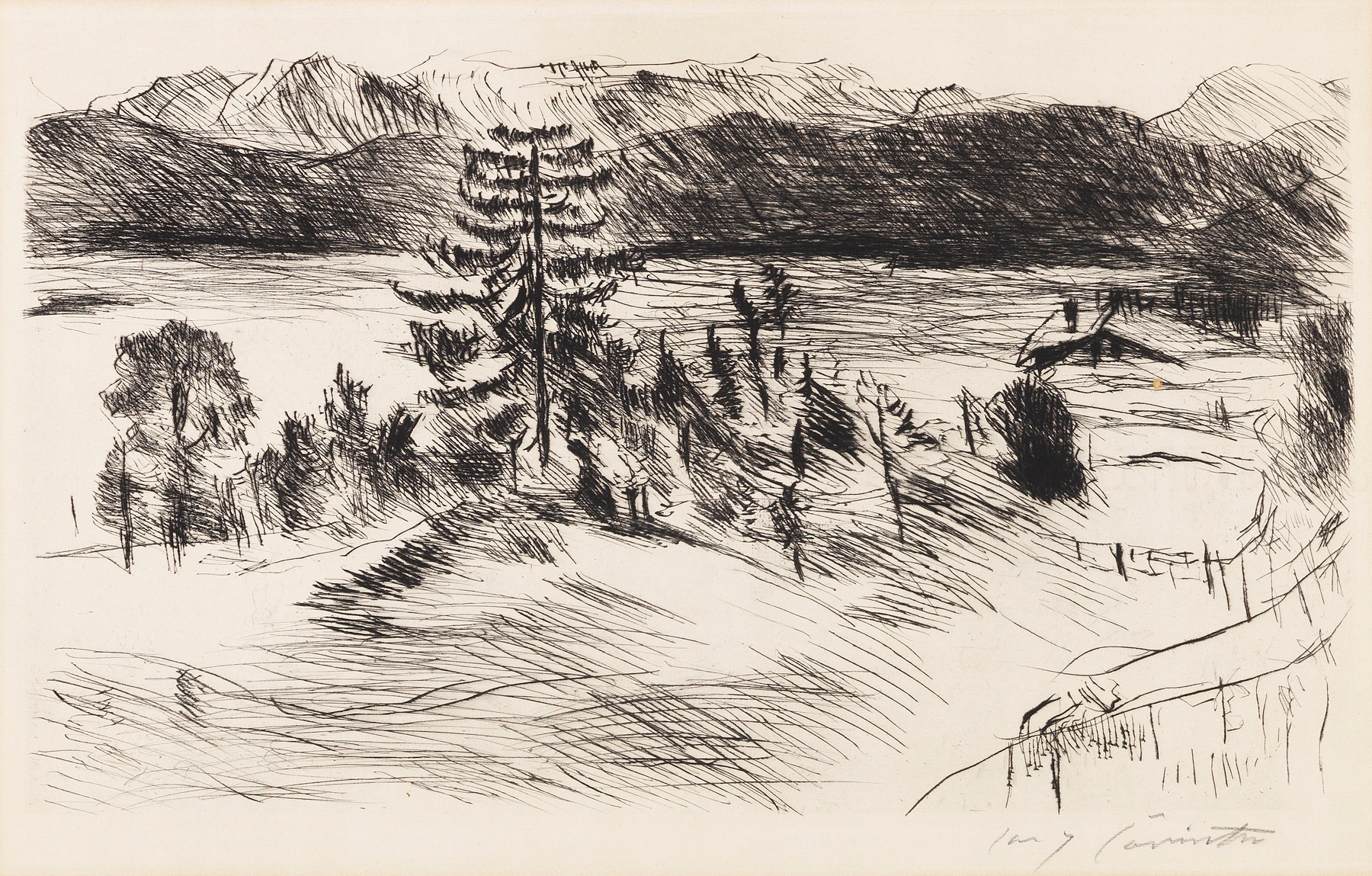
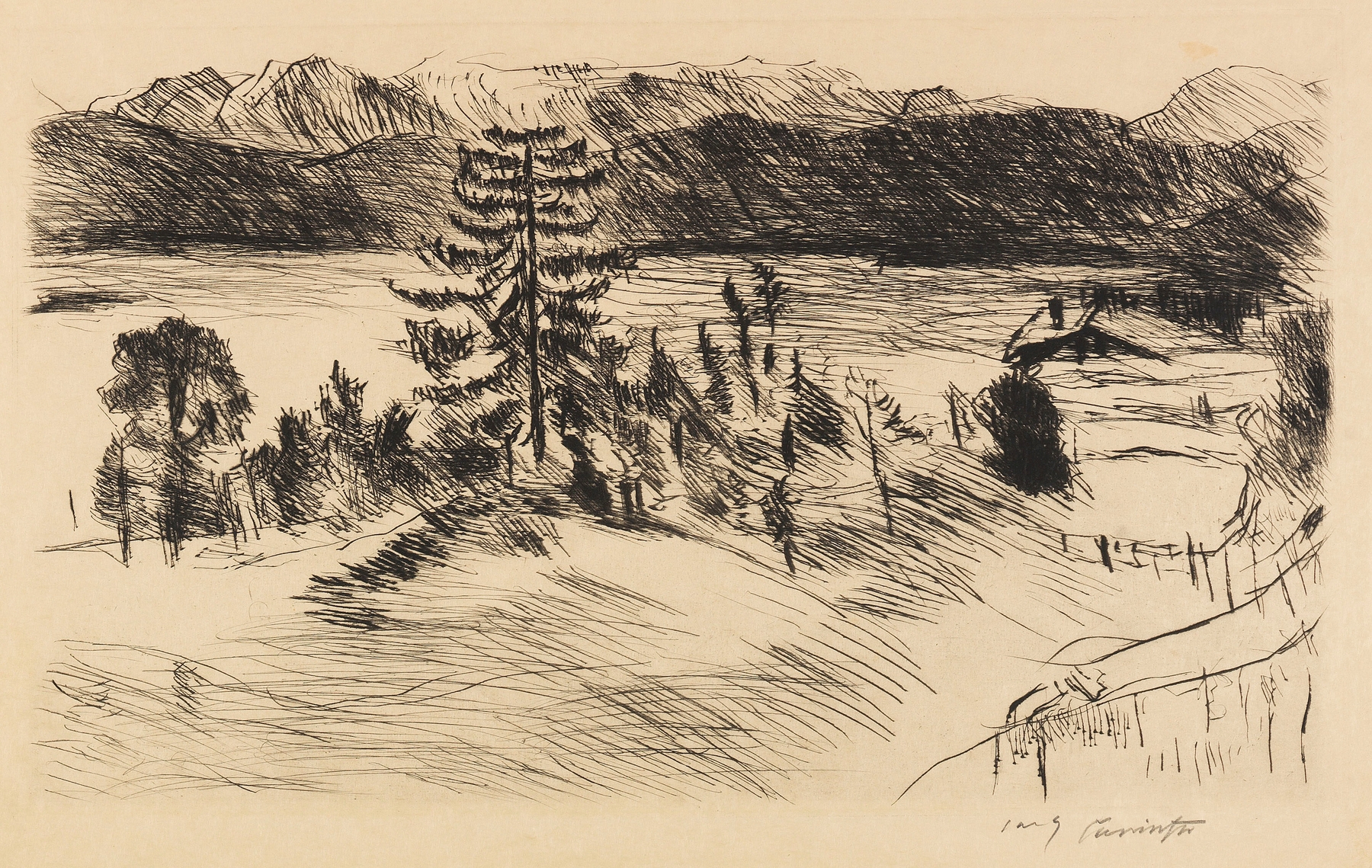
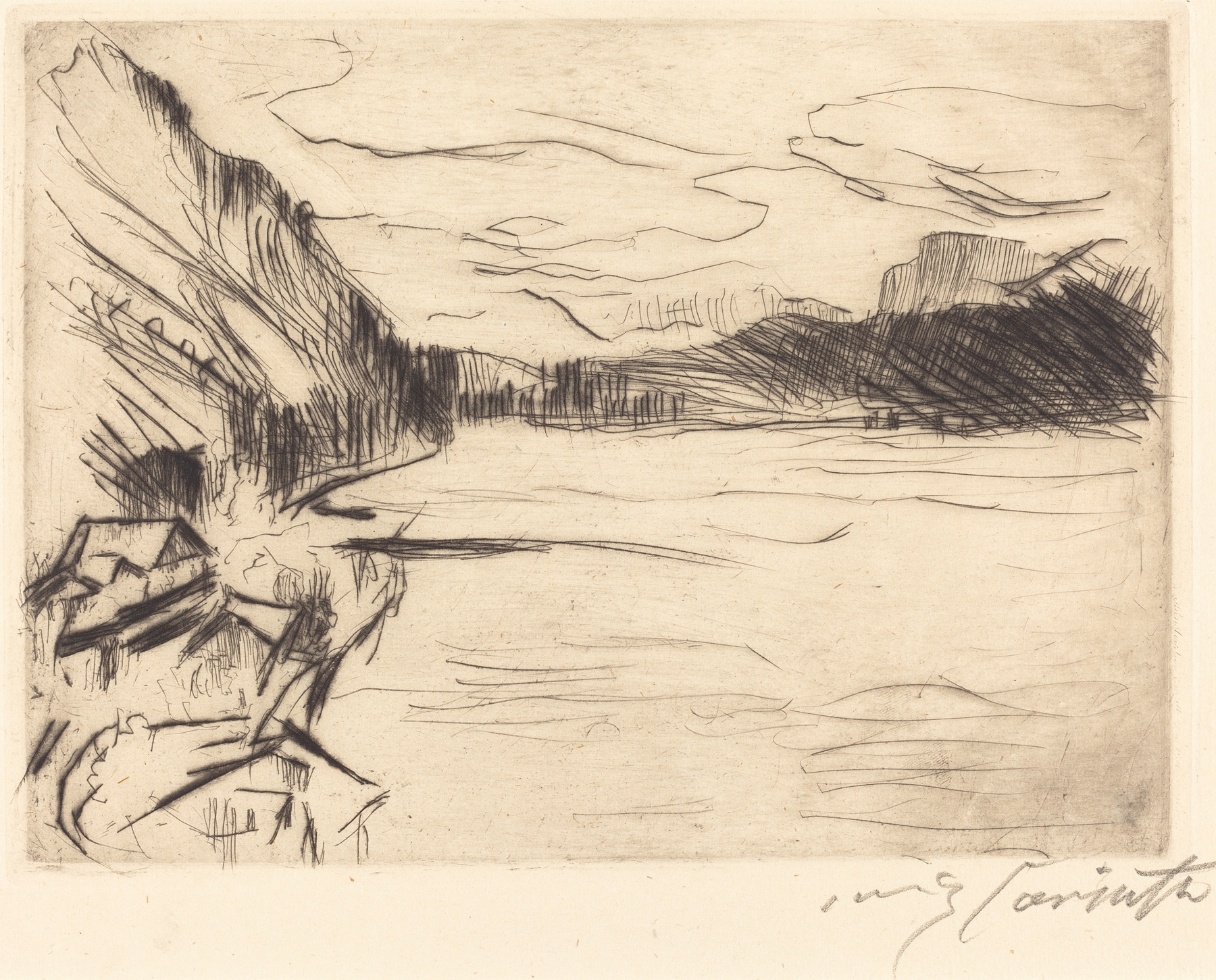
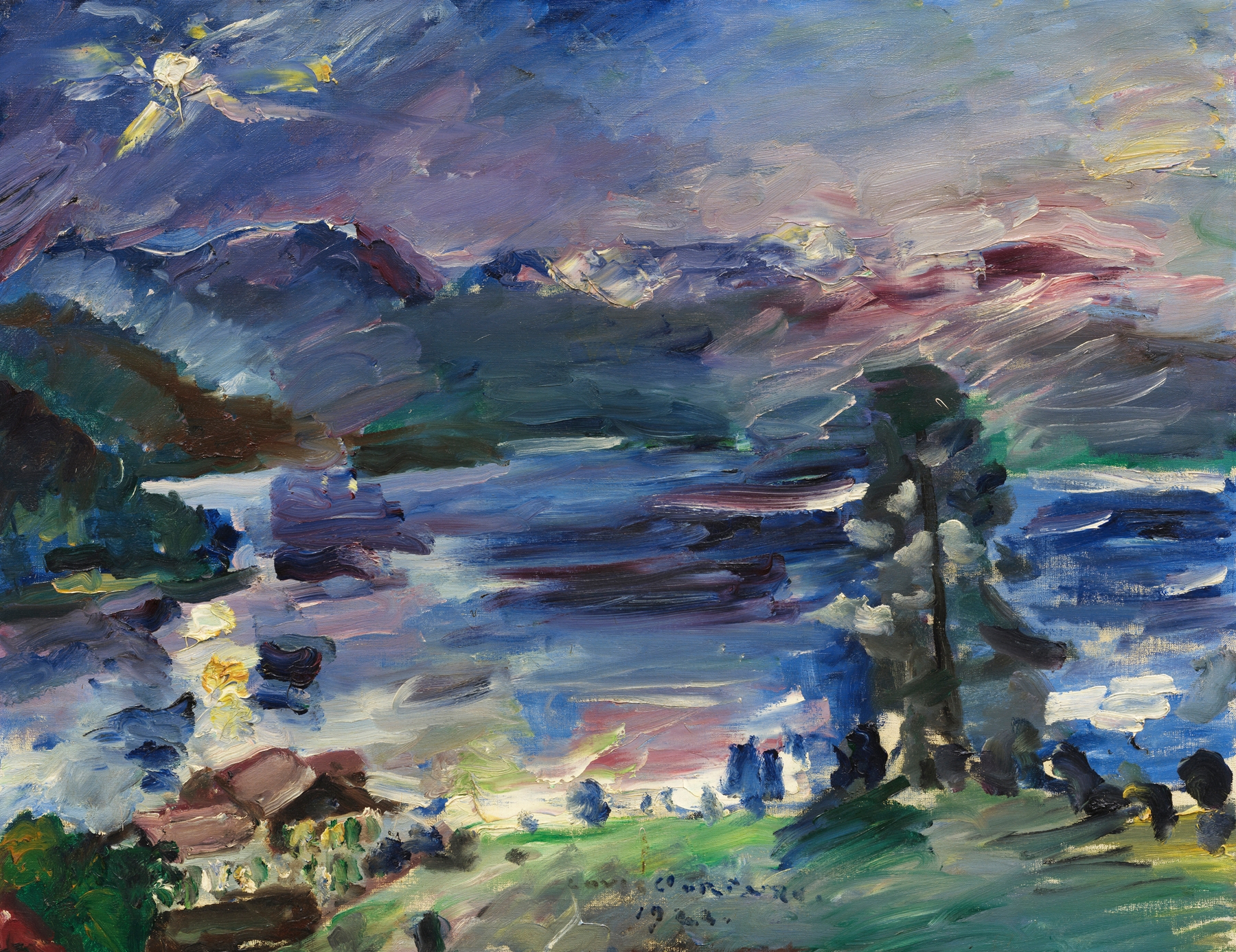
Can beauty exist without sorrow? In Lovis Corinth’s Der Herzogstand Am Walchensee Im Schnee, this question lingers in the air, wrapped in layers of rich color and poignant contrast. Look to the foreground, where the vibrant reds and greens of the pines stand stark against the pure, untouched snow. The mountain looms in the background, its majestic peaks kissed by the soft light of a winter sun, casting long shadows that play upon the canvas.
The painter’s brushstrokes dance with both fervor and restraint, each stroke contributing to the deep emotional resonance of the scene. The harmonious blend of warm and cool tones invites viewers to roam freely across the landscape while anchoring them to the cold reality of winter. Within this serene panorama lies a tension between tranquility and the inevitable passage of time. The brightness of the snow, illuminating the starkness of the mountain, suggests a fleeting moment—a beauty that is simultaneously uplifting and melancholic.
The tranquil snowy expanse evokes feelings of isolation, reminding us that nature, even in its grandeur, holds a whisper of sorrow that binds us to our own fleeting existence. In 1922, Corinth painted this work during a tumultuous period in post-war Germany, amidst shifting artistic movements and social upheaval. As he grappled with his own health issues, he sought solace in landscapes that conveyed both an escape and a confrontation with reality. The artwork reflects his deep connection to the natural world and his desire to encapsulate the emotional weight carried by beauty—a testament to the complexity of life itself.