Dirndln auf der Alm — History & Analysis
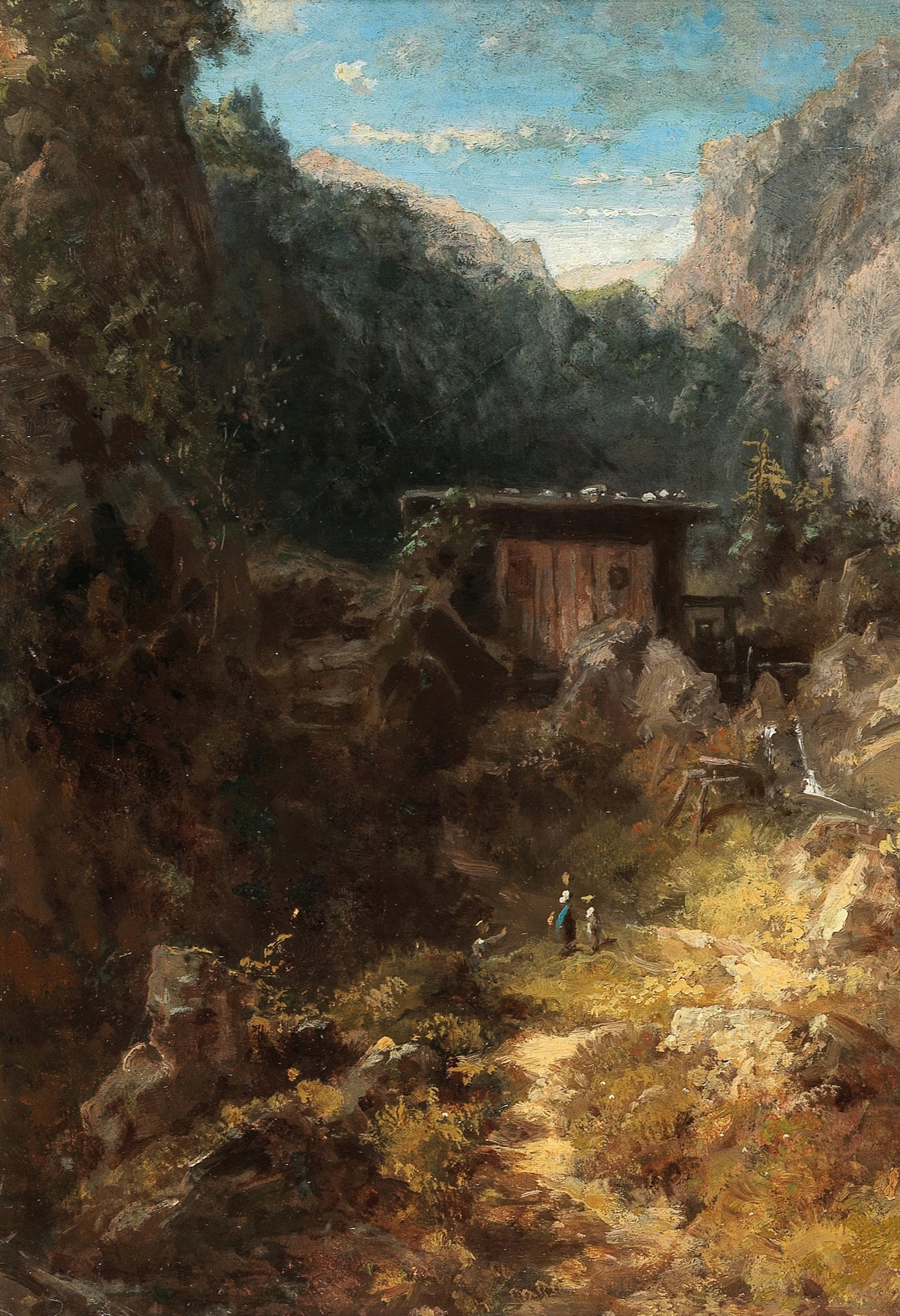
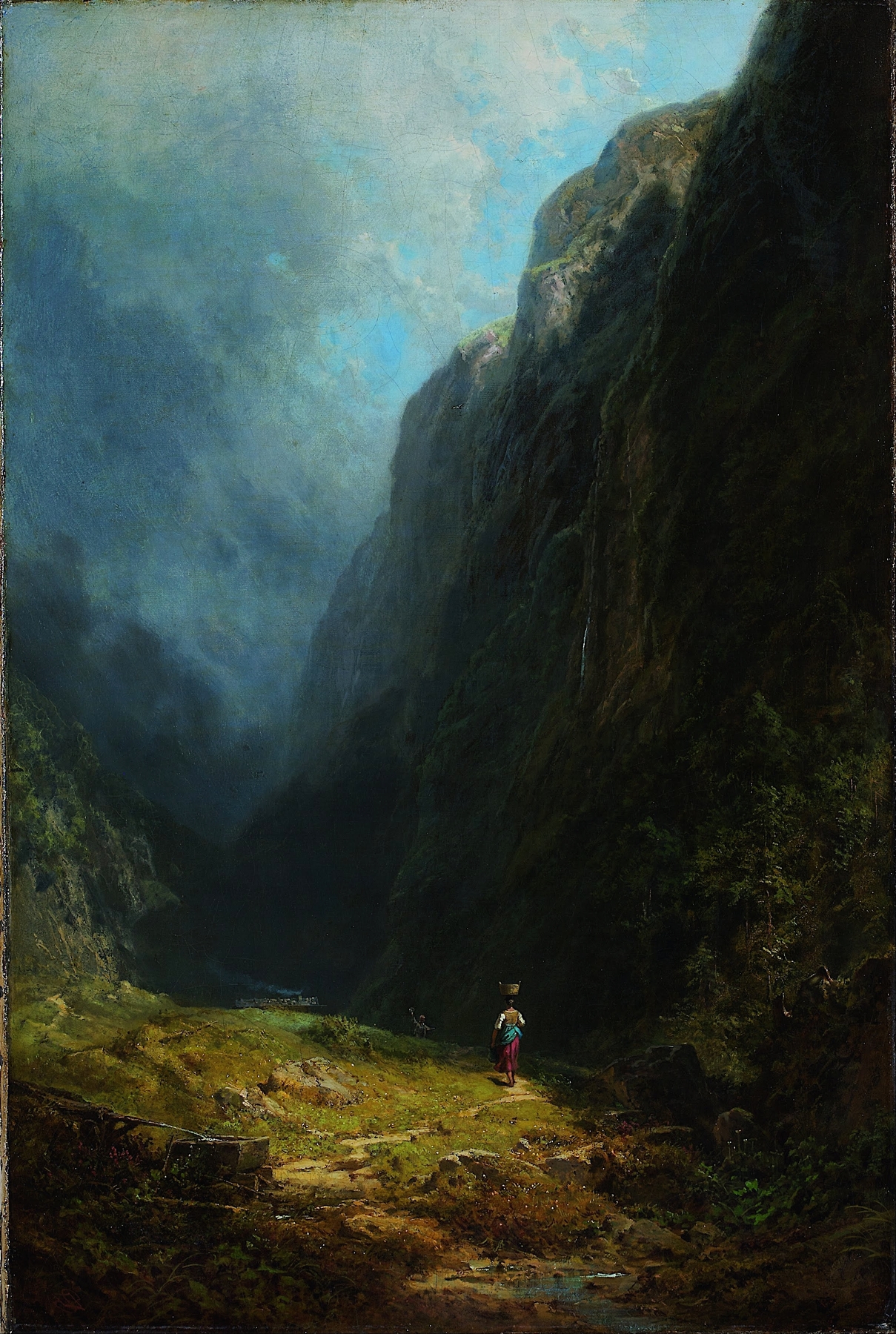
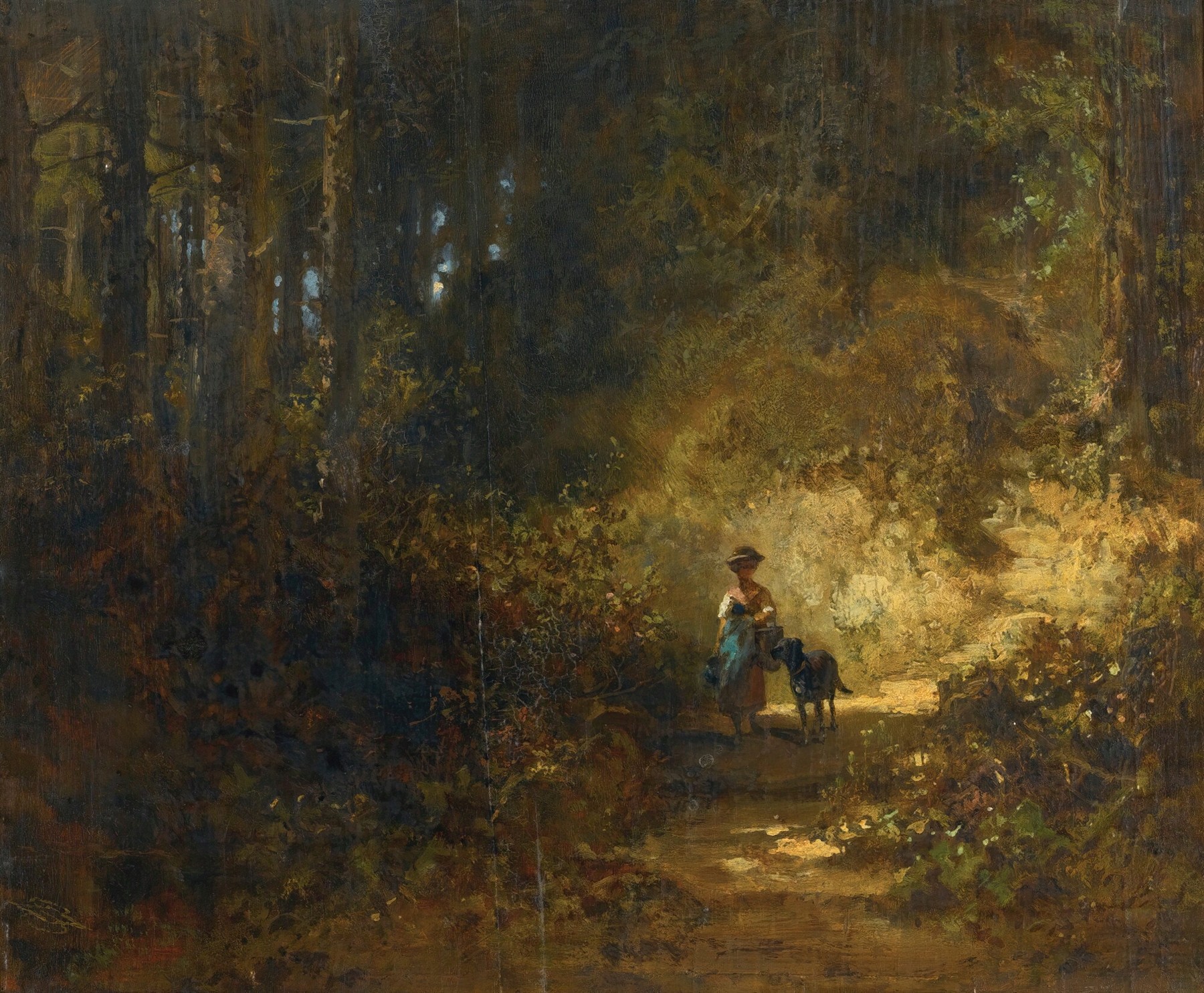
When did color learn to lie? In a world where vibrancy often masks reality, Dirndln auf der Alm invites us to peel back the layers of its cheerful facade and confront the truths hiding beneath. Look to the left where the two women stand, their traditional dirndls bursting with brilliant hues that seem to dance in the sunlight. The soft greens of the alpine grass blend seamlessly into the azure sky, while the distant mountains loom with a quiet authority. Notice how the light contours their figures, casting gentle shadows that hint at the weight of their existence amid this picturesque landscape.
Each stroke breathes life into the scene, drawing the viewer's eye from the vivid skirts to the serene expressions, encouraging a deeper contemplation of their silent camaraderie. Yet, beneath the surface beauty lies an undercurrent of social tension. The vibrant colors of the garment symbolize the joyful facade society expects, while the subtle expressions of the women suggest a longing for freedom and individuality. The contrast between their vibrant outfits and the tranquil, almost isolating landscape speaks to the restrictive nature of tradition.
It poses a question: in a moment of cultural revolution, how might these women redefine their roles beyond mere ornamentation? Carl Spitzweg painted Dirndln auf der Alm during a period marked by profound change in 19th-century Europe, where movements like Romanticism were reshaping art and identity. Working primarily in Munich, he focused on Alpine themes that reflected both charm and a critique of societal norms. This piece captures a moment in time when traditional values were being challenged, serving as both a celebration of cultural heritage and a subtle nod towards the evolving role of women in society.