Einsiedler mit Mädchen — History & Analysis
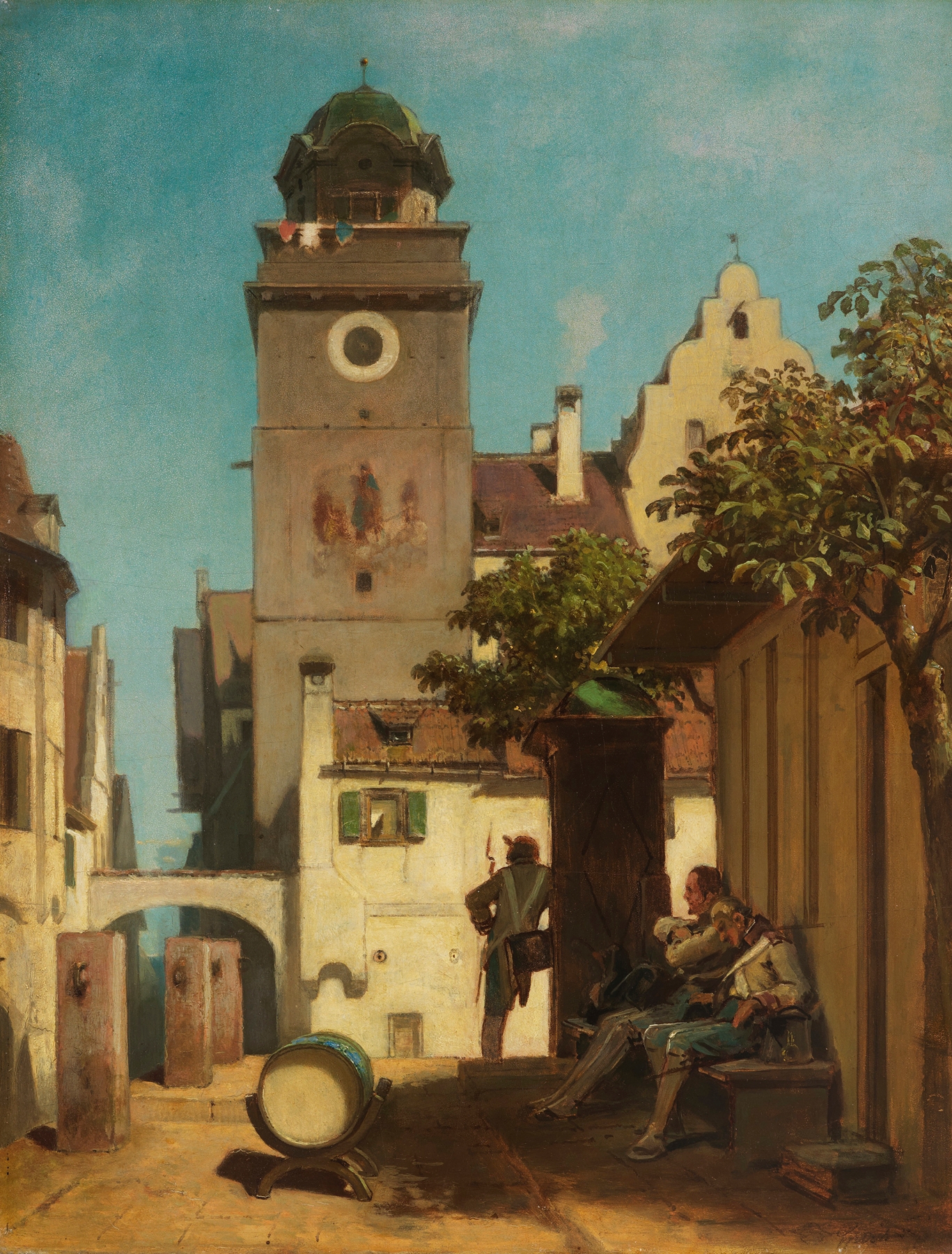
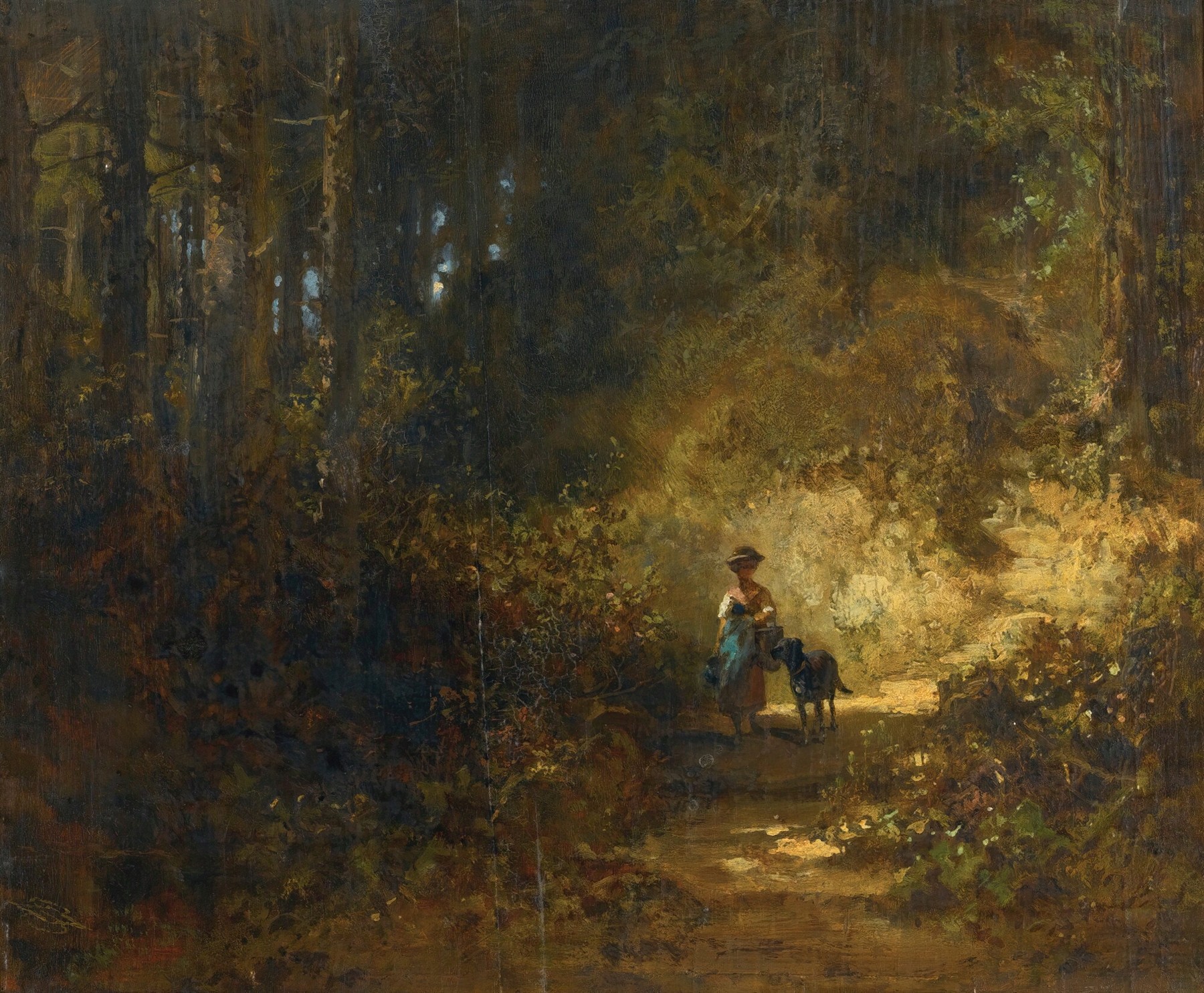
“The canvas doesn’t lie — it simply waits.” In Einsiedler mit Mädchen, a poignant truth unfolds, reflecting the delicate dance between solitude and companionship. Here, a hermit and a young girl share a moment that transcends their disparate worlds, inviting viewers to explore the deeper narratives of human connection and yearning. Look to the left at the hermit’s weathered face, where lines of experience carve stories into his skin. His eyes, vibrant yet tired, gaze contemplatively towards the girl, whose innocence contrasts sharply with his rugged demeanor.
Notice the warm tones of ochre and earth that envelop them, creating a serene atmosphere infused with an almost ethereal light. The meticulously painted details of the hermit's cluttered dwelling — books, scrolls, and nature’s embrace — draw the viewer's eye inward, suggesting a life rich in thought yet shrouded in isolation. Beneath this tranquil exchange lies a tension between wisdom and naiveté. The hermit represents a life devoted to introspection, while the girl embodies youthful curiosity and hope.
This interplay hints at a longing for connection, suggesting that even the most solitary of lives yearn for companionship. The contrasting elements of age and youth, knowledge and innocence, invite us to question what truths we find in our own relationships, and how they shape our understanding of the world. In 1870, during a period of growing industrialization and urbanization, Carl Spitzweg created this work in Germany, a time marked by a romantic fascination with nature and the idealization of the solitary life. Though he was primarily recognized for his genre scenes, this painting captures the subtle complexities of human experience, reinforcing the notion that truth often resides in the unlikeliest of encounters.