Dom ze sztachetami — History & Analysis
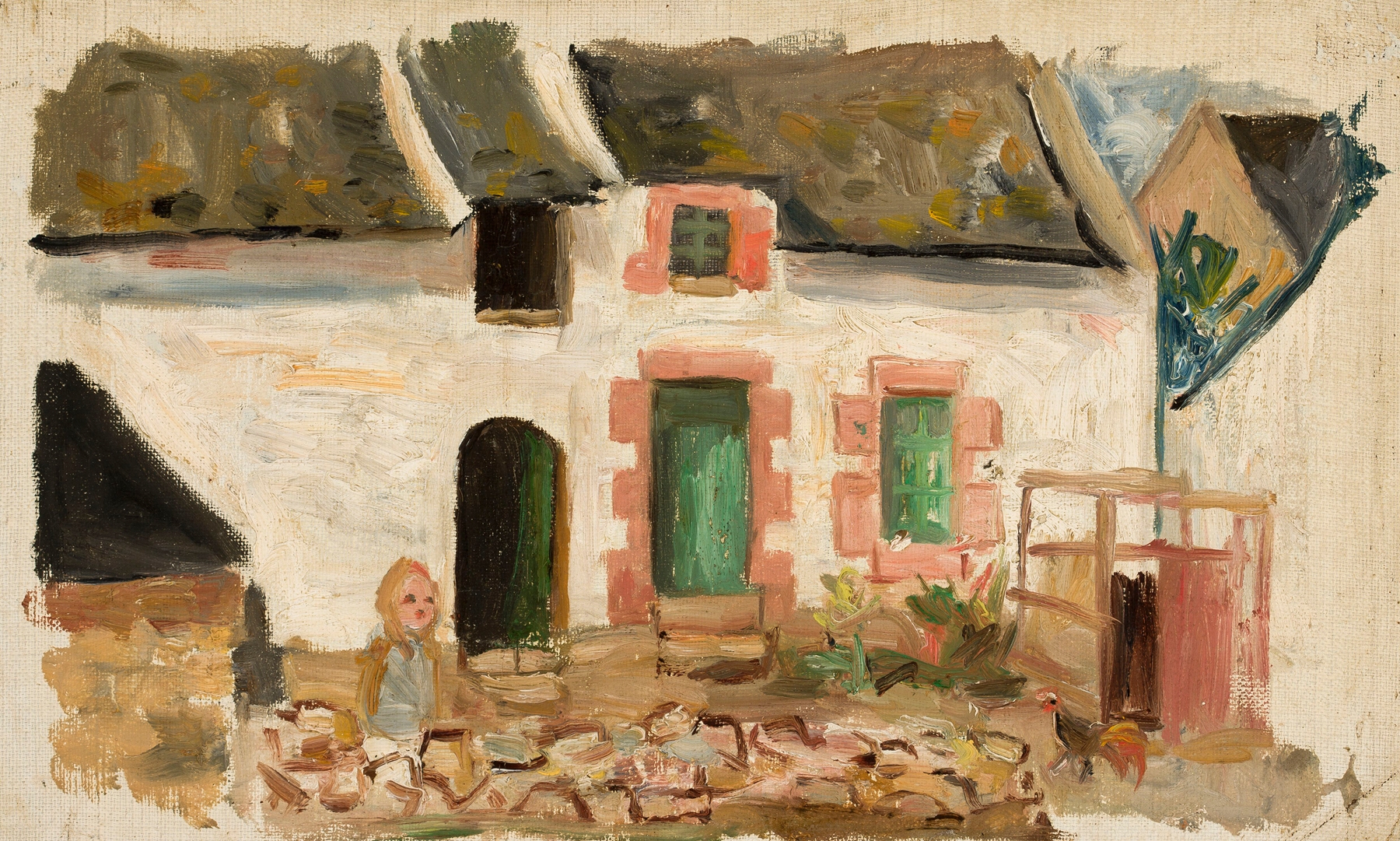
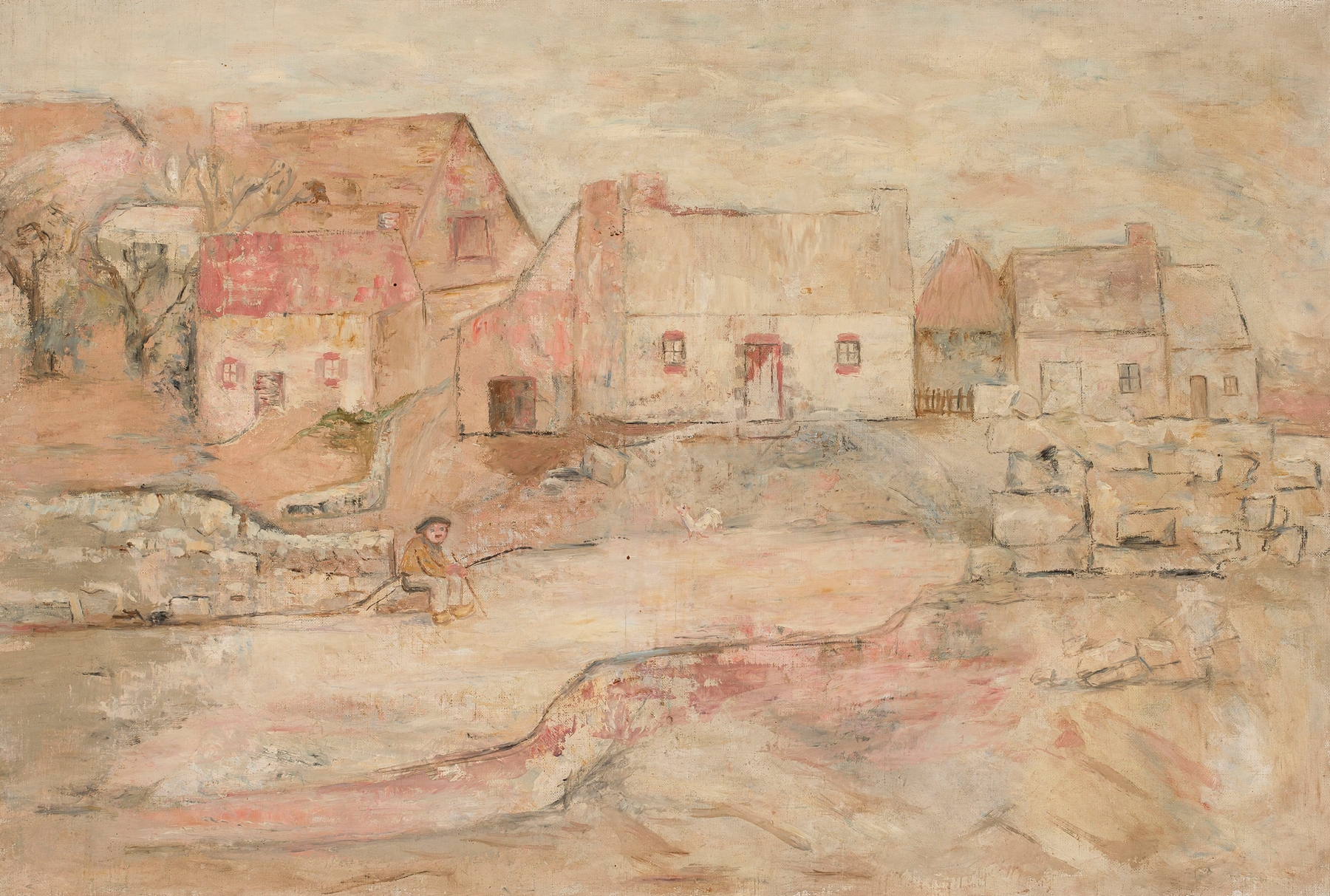
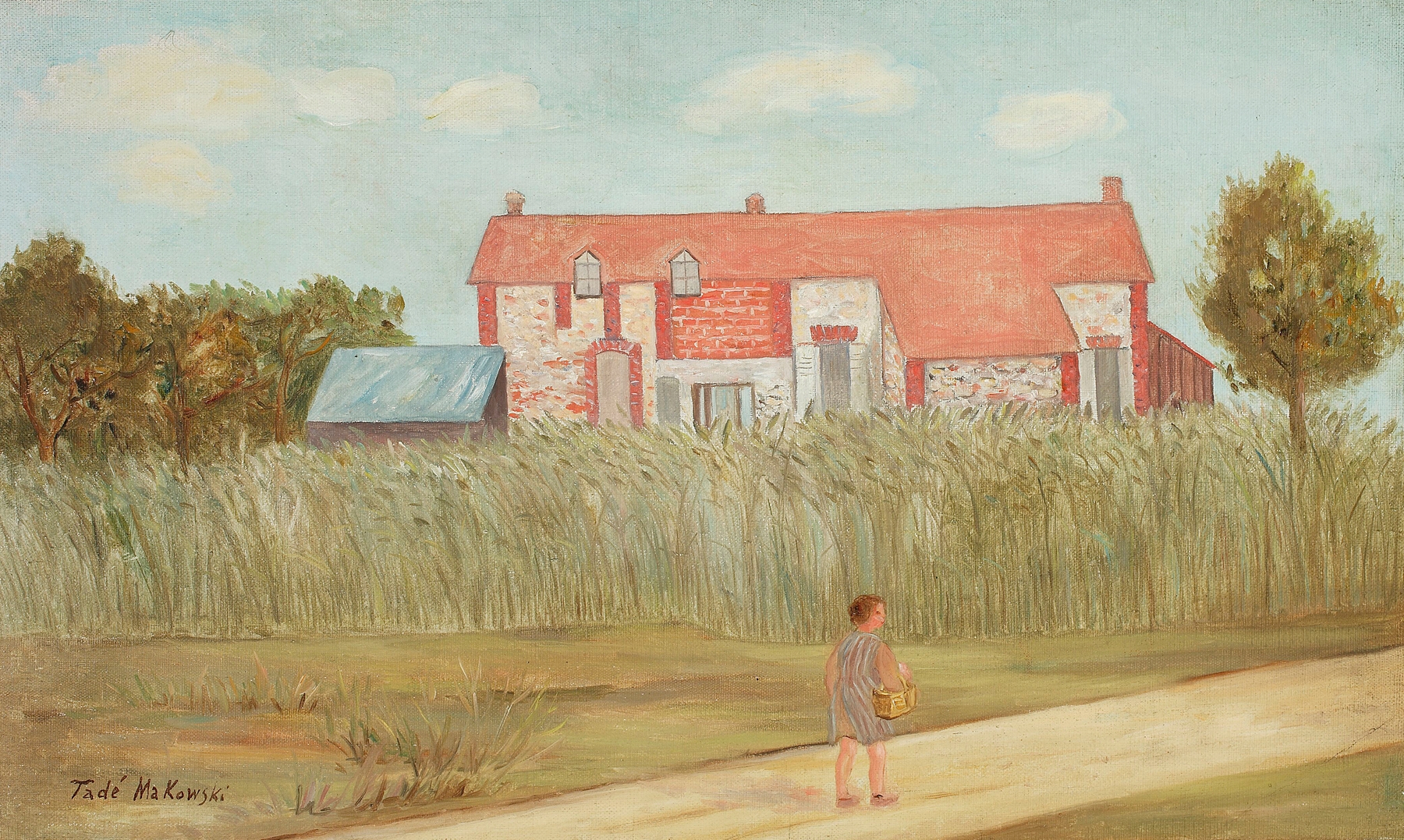
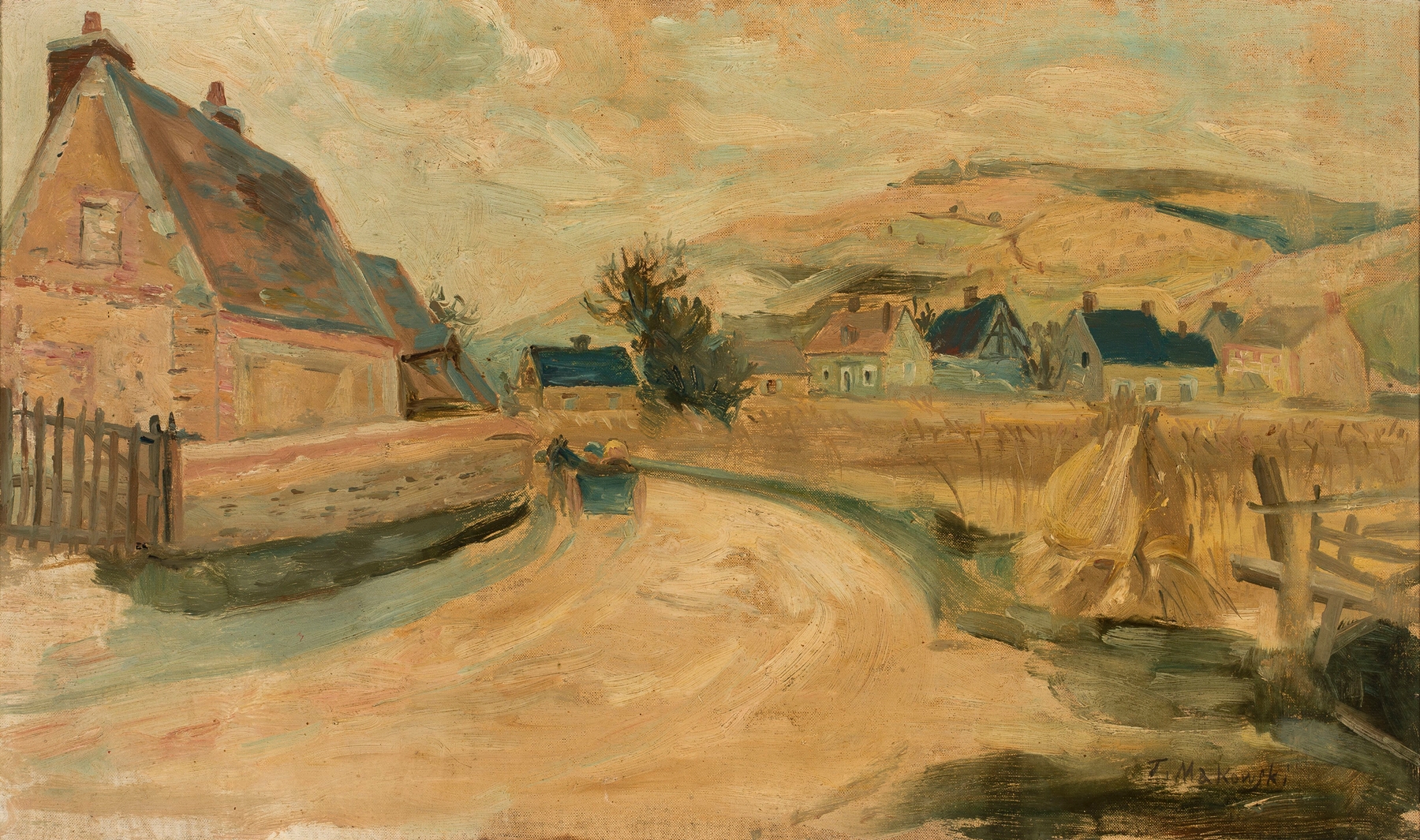
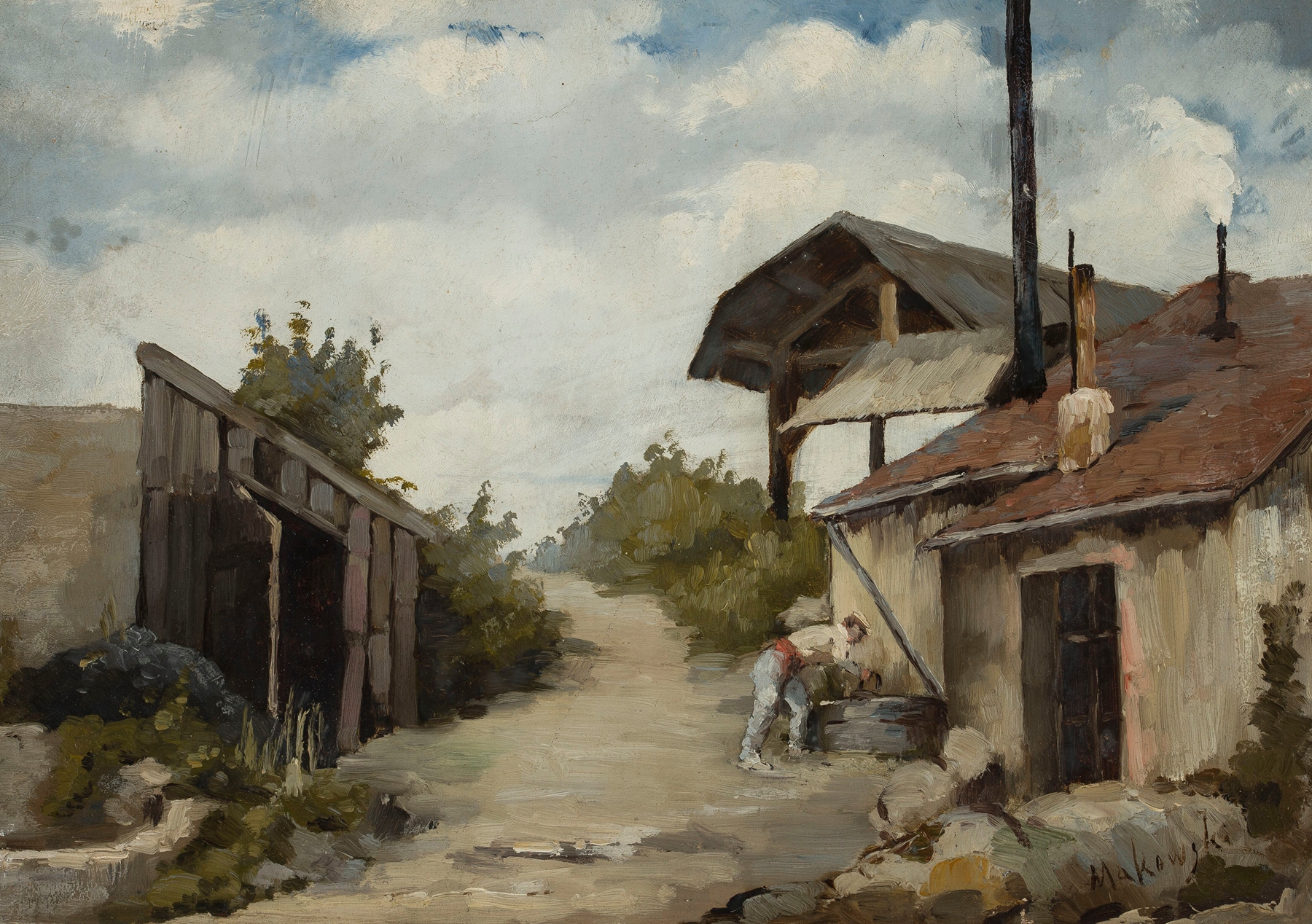
Can paint confess what words never could? In Dom ze sztachetami, Tadeusz Makowski captures a moment of silent reverence that transcends language, inviting viewers to immerse themselves in the awe of everyday life. Look to the center of the canvas, where the humble wooden house stands firm against a softly illuminated sky. Notice the delicate interplay of light and shadow that dances across the weathered boards, revealing the character of the structure. The warm earth tones create a sense of intimacy, while the light filtering through the clouds suggests a profound connection between the home and the surrounding landscape.
The fencing, crafted with care, frames the scene, drawing the eye inward and establishing a protective boundary around this slice of existence. Beneath the surface, the painting whispers of nostalgia and resilience. The simplicity of the house evokes a yearning for stability, while the fencing hints at the duality of safety and confinement. Each brushstroke is laden with emotion, suggesting a story of lives lived within those walls, yet leaving enough space for the viewer’s imagination to wander.
The vibrant colors contrast sharply with the muted atmosphere, revealing a tension between the vibrancy of life outside and the stillness within. In 1924, Makowski was living in Paris, where he embraced the avant-garde movements that shaped the art world. An émigré from Poland, he was grappling with his identity and a longing for home while exploring new artistic horizons. This period marked a significant evolution in his style, blending folk motifs with modernist influences, culminating in works like this that resonate with personal truth and universal emotion.