Domek — History & Analysis
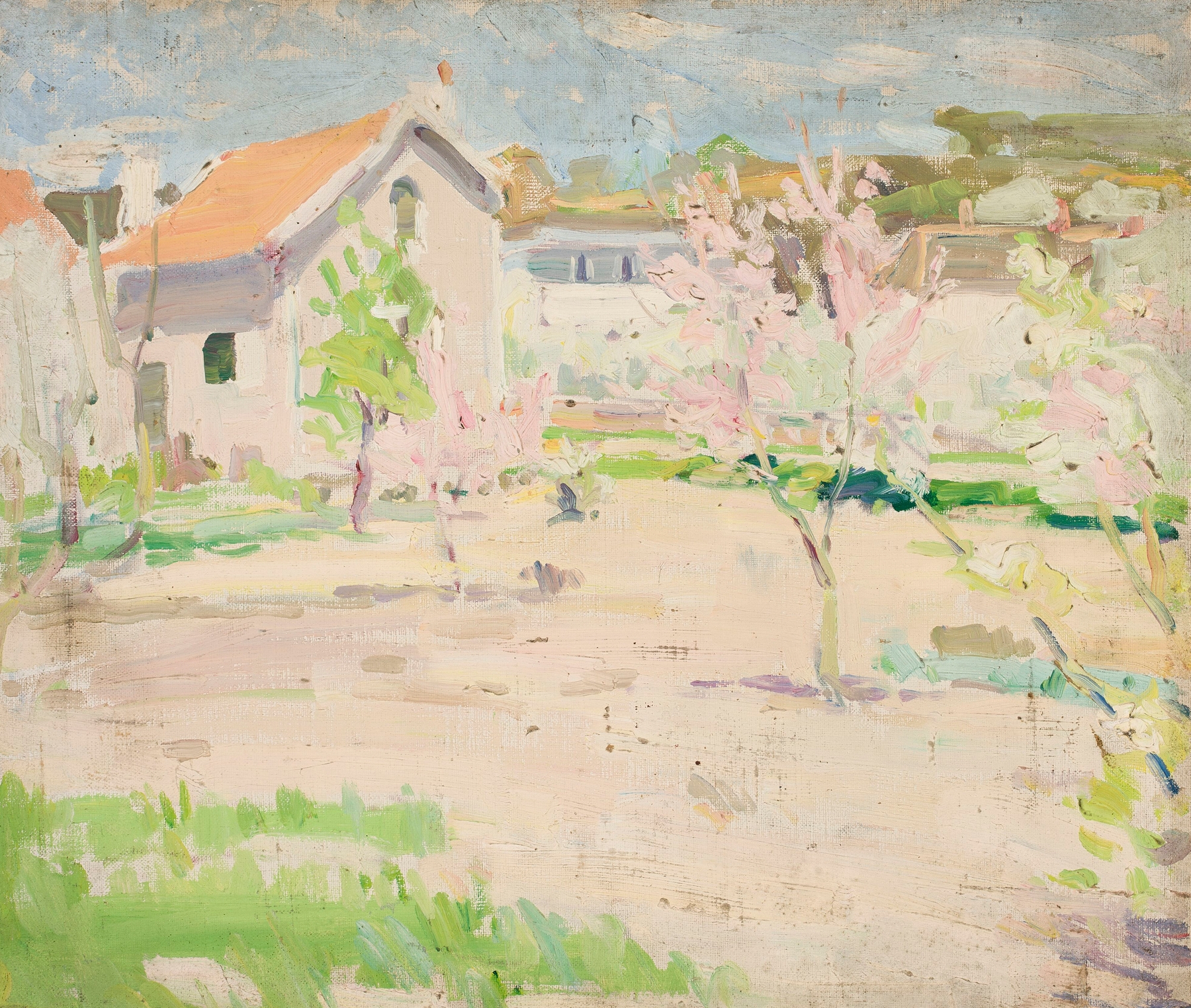
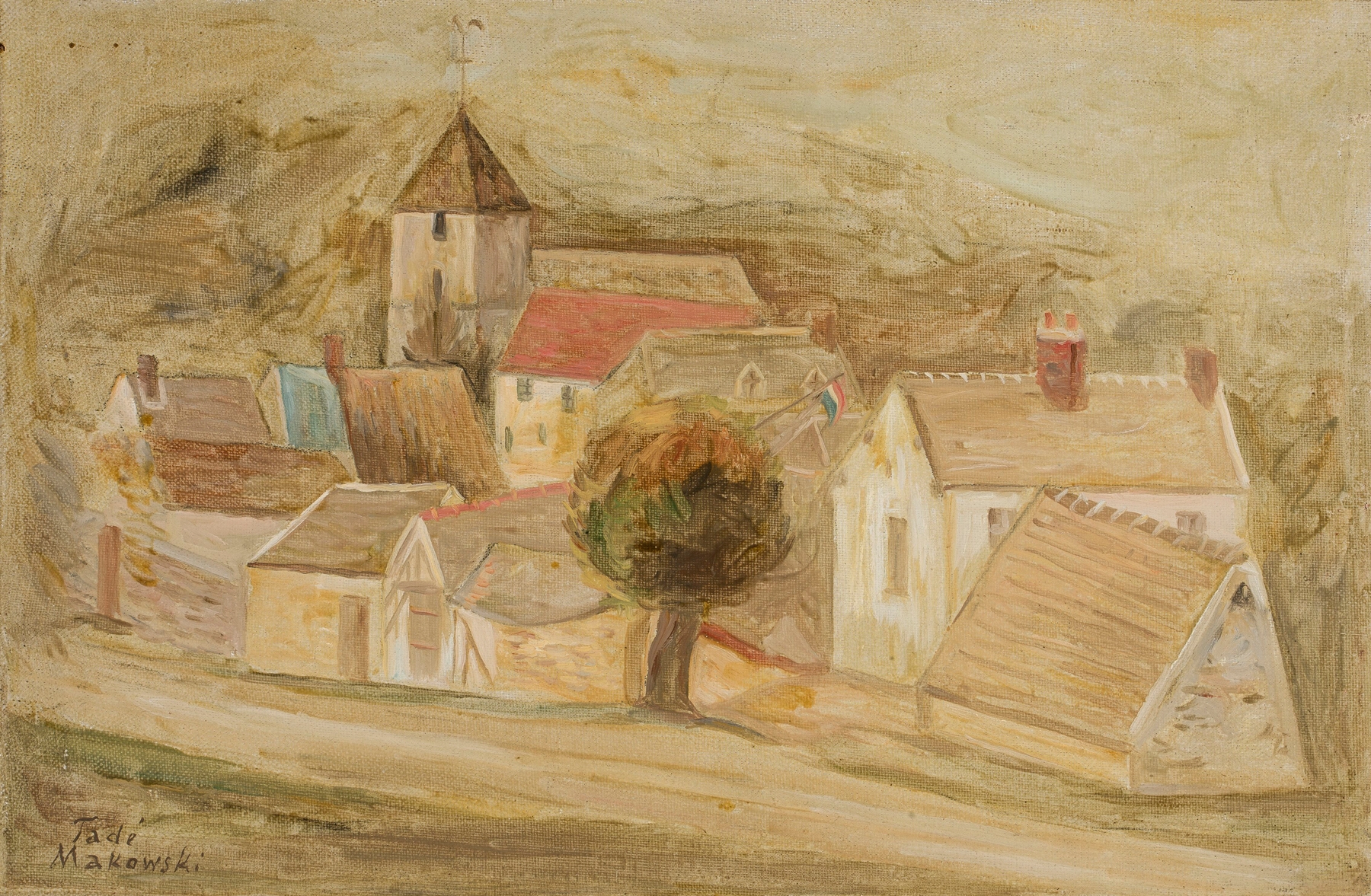
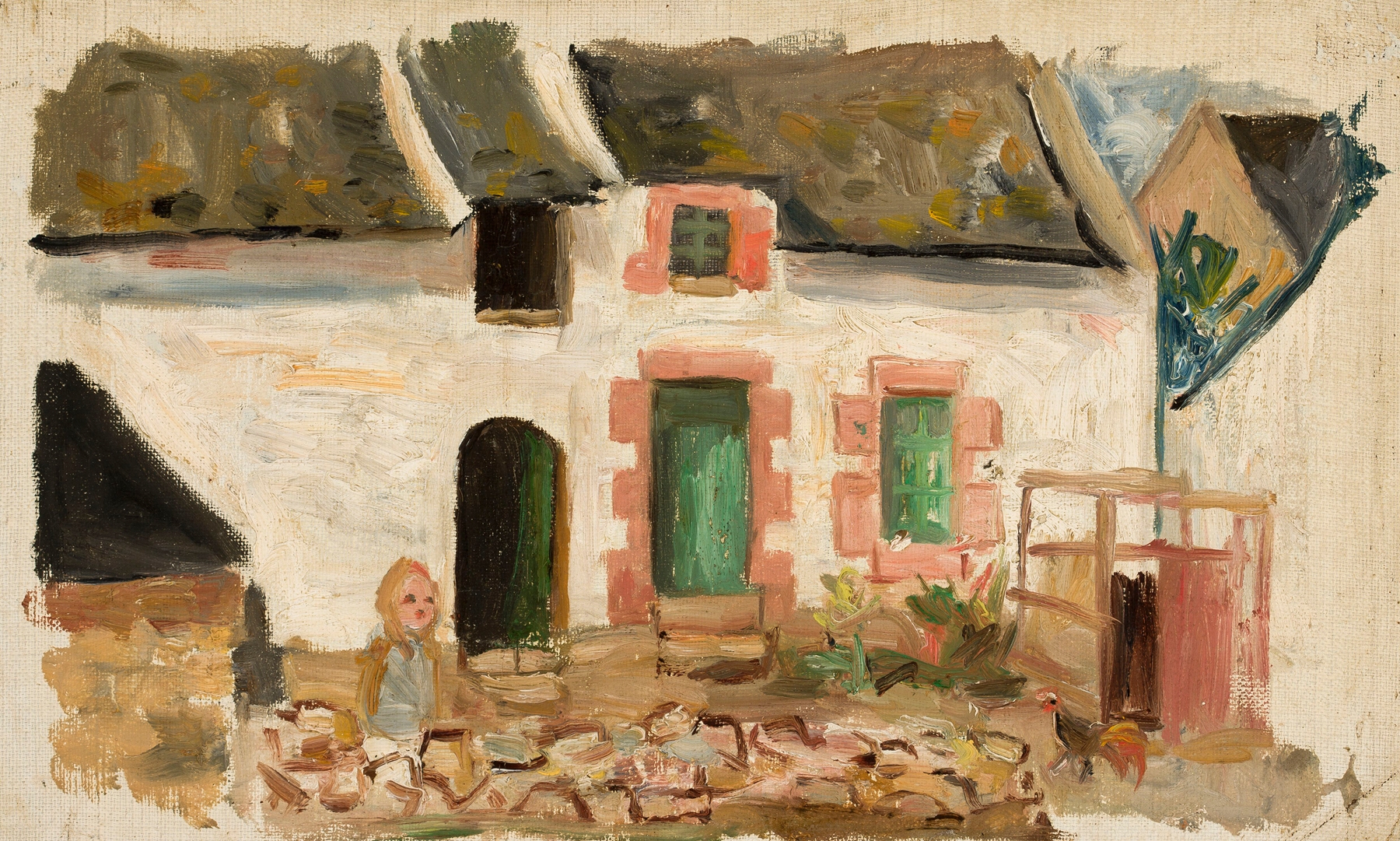
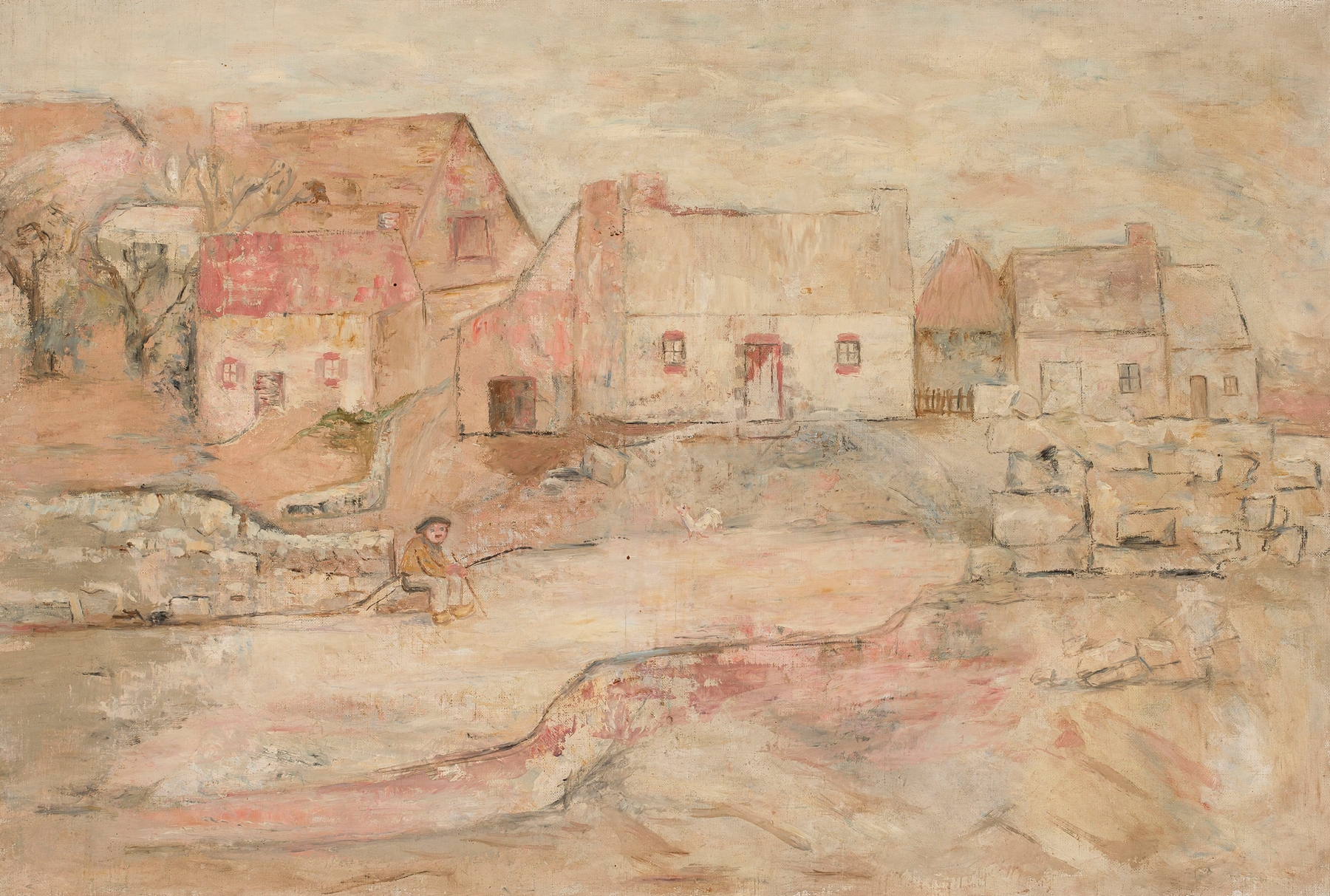
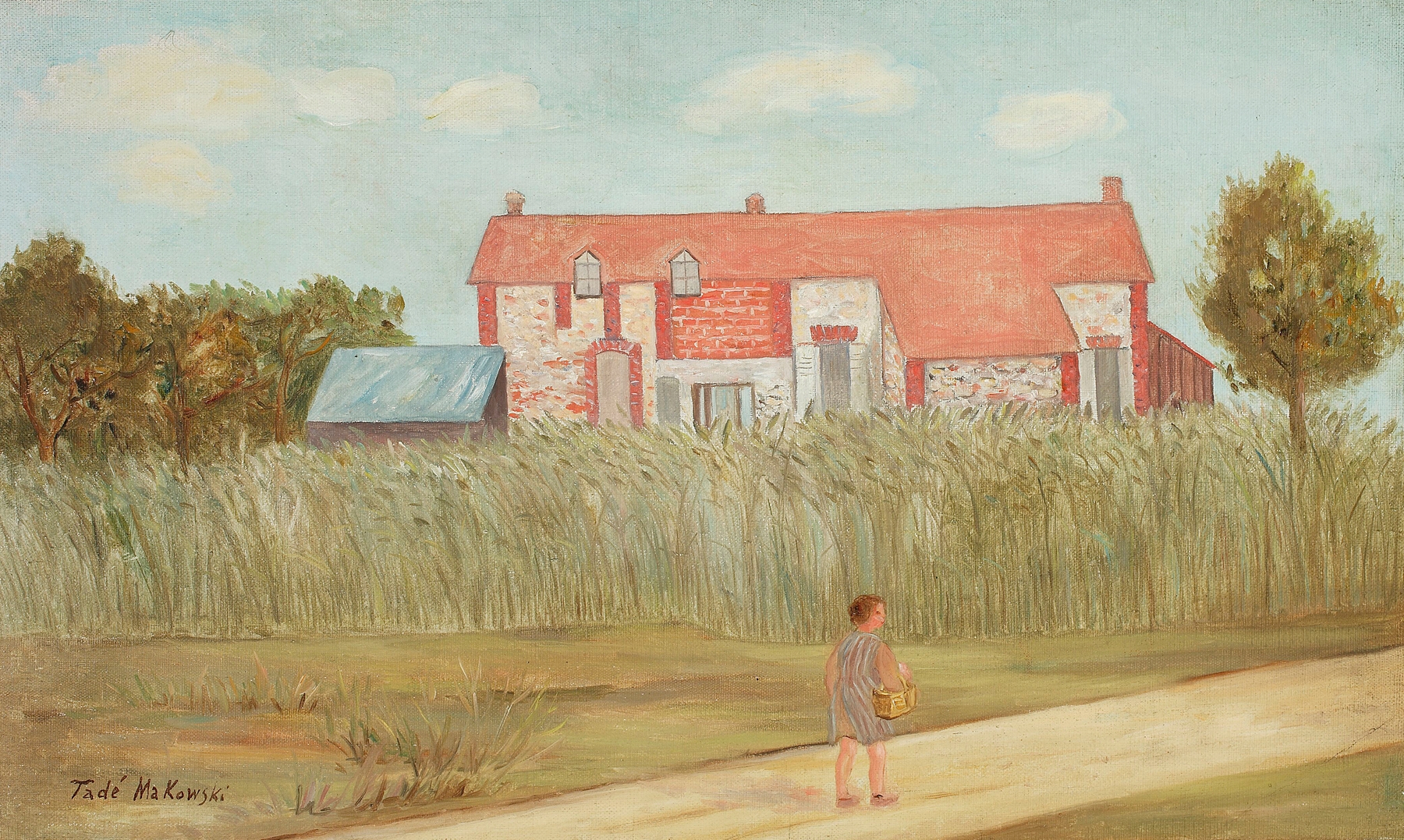
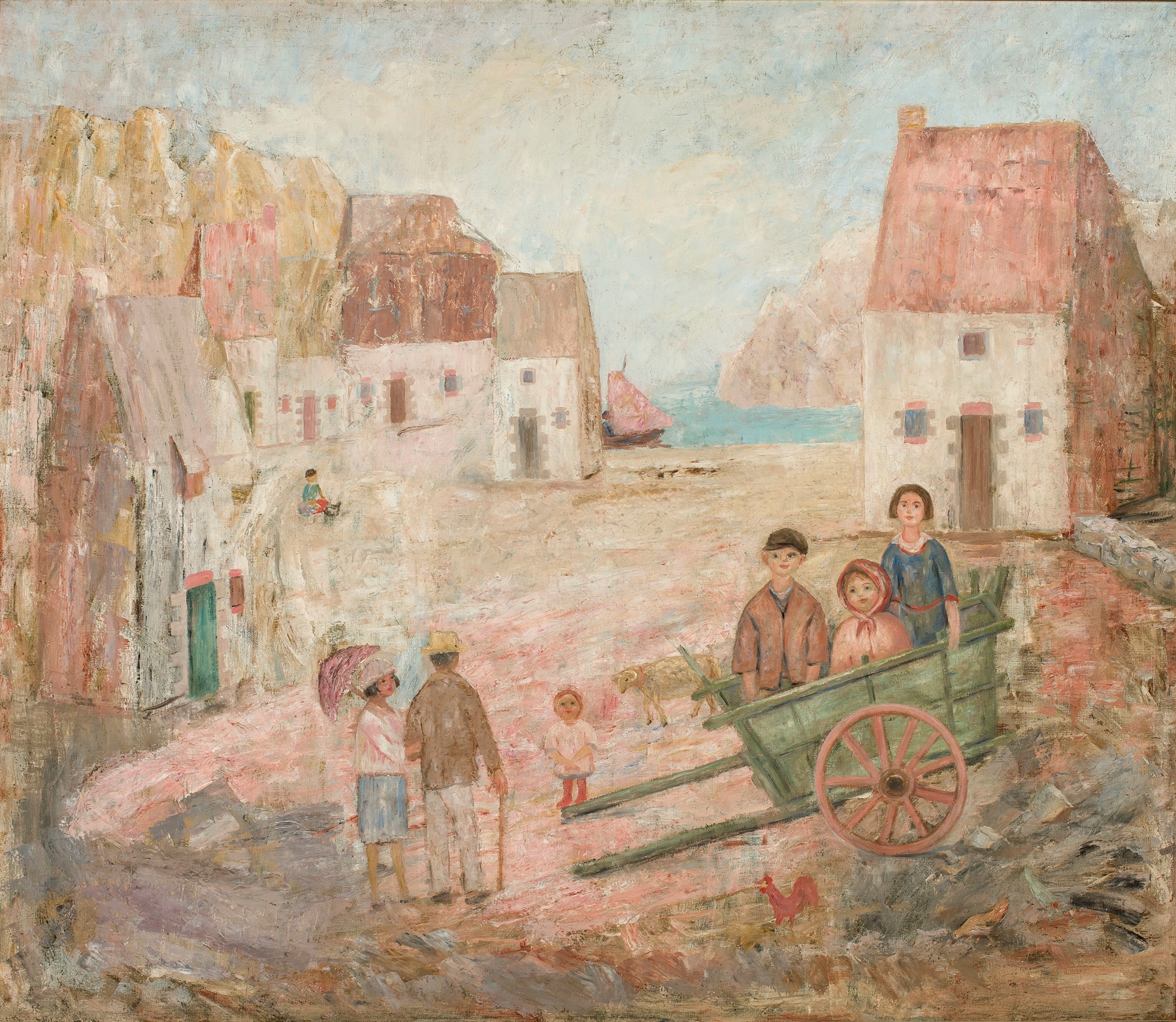
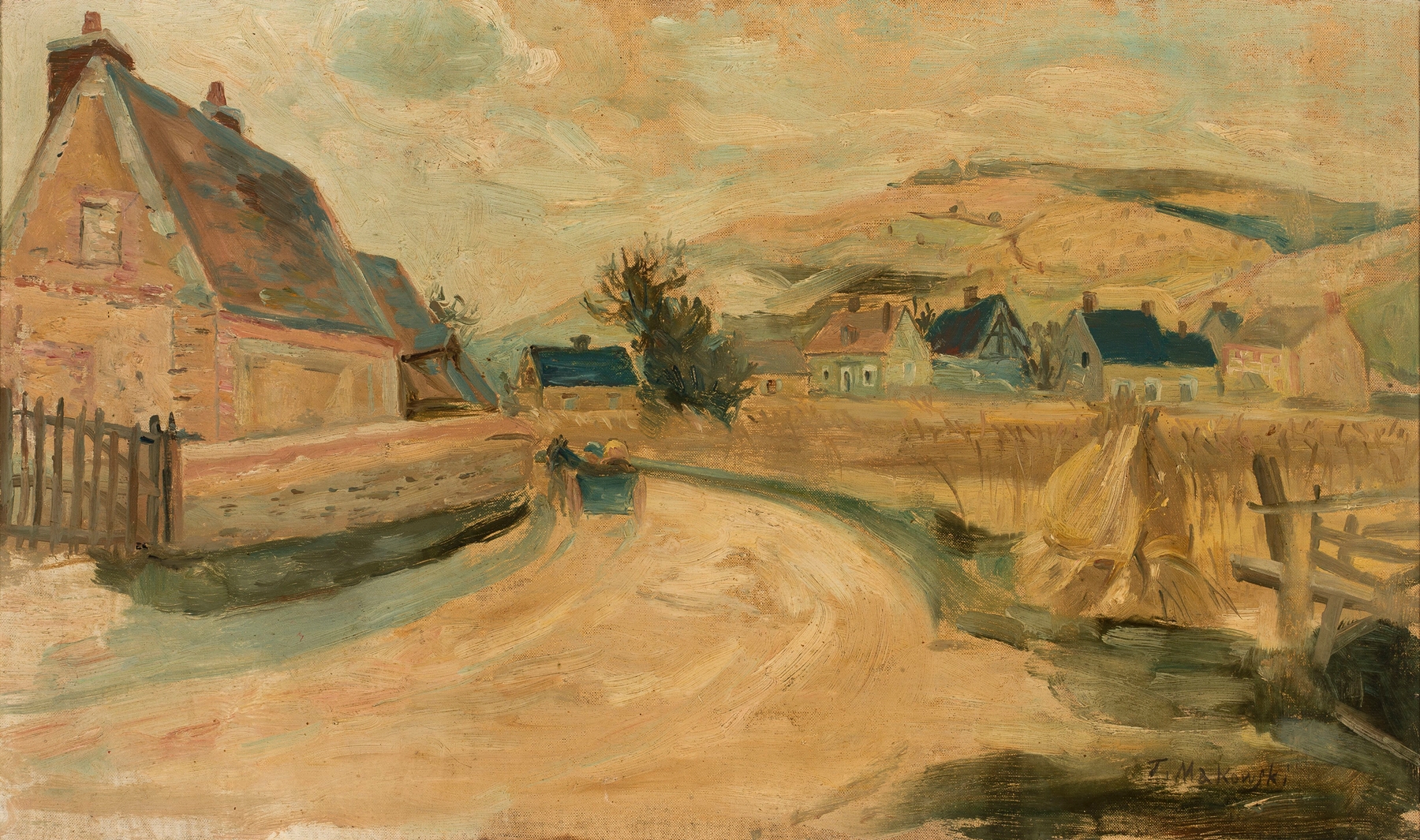
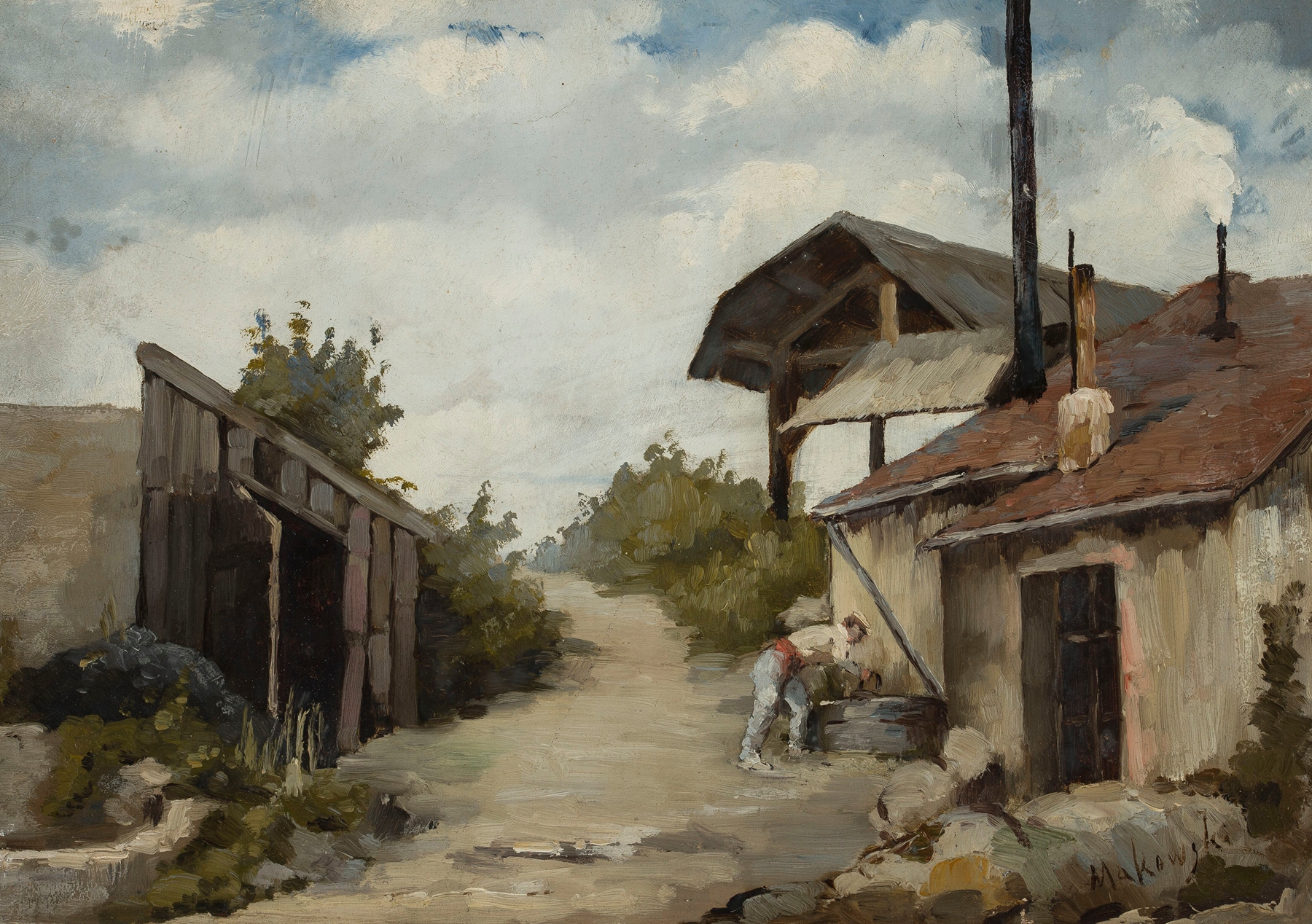
Can beauty exist without sorrow? This question hangs in the air, beckoning us to explore the intricate dance of joy and pain within the canvas. Look to the center of the painting — the humble cottage stands resilient against a backdrop of swirling colors. The strokes shift and flow, creating a sense of movement that breathes life into the scene. Warm hues of ochre and amber cradle the structure, while the sky above bursts with vibrant blues and whites, adding an almost ethereal quality.
Notice how the lines converge towards the cottage, drawing your gaze and enveloping you in its warmth, yet hinting at the chaos beyond its walls. There is a palpable tension between the serenity of the domed structure and the wildness of the surrounding landscape. The movement in the brushstrokes creates a sense of time passing, a reflection of the lives that have unfolded within those walls. Each curve suggests laughter, yet the shadows linger with whispers of sorrow — the fleeting nature of happiness is captured in every layer.
This contrast invites introspection, making the viewer consider what lies beneath the surface of beauty. In 1927, Tadeusz Makowski painted Domek during a period marked by significant shifts in European art. Living in Paris at the time, he was deeply influenced by the avant-garde movements surrounding him, experimenting with color and form to convey emotion. The world was grappling with the aftermath of World War I, and this piece speaks to the resilience of the human spirit amidst the complexities of life, reflecting a delicate balance between hope and despair.