Dorothy Murray (1743-1811) — History & Analysis
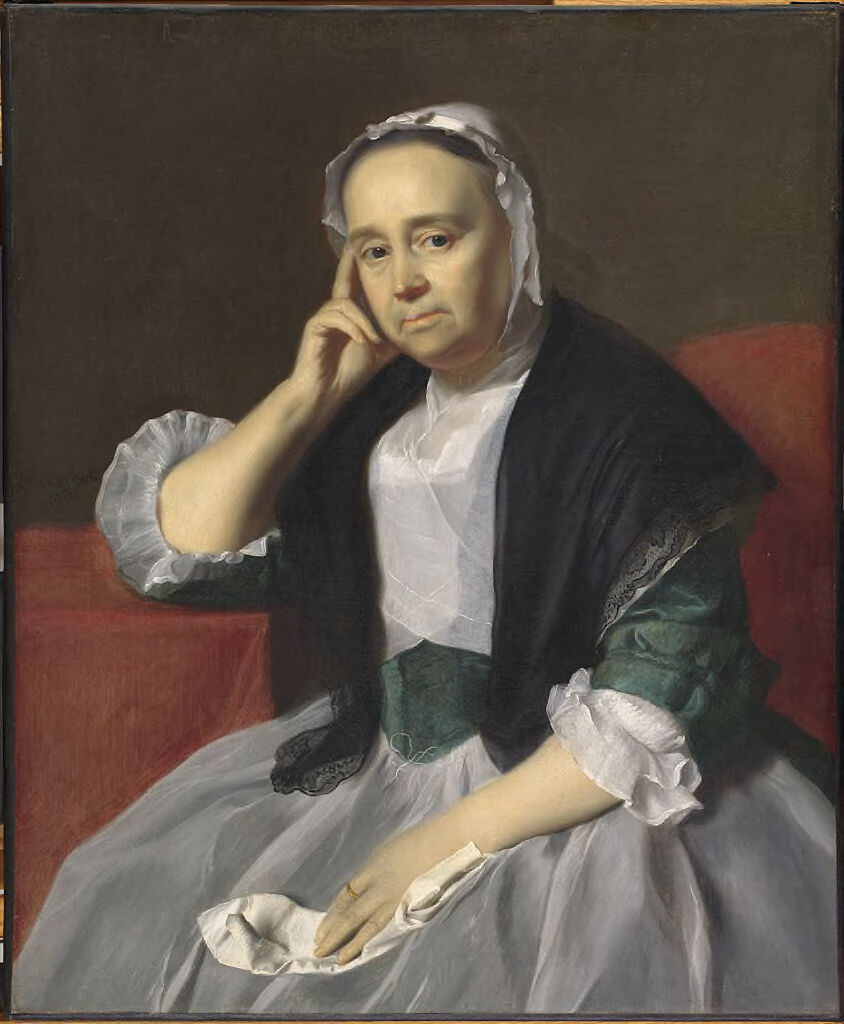
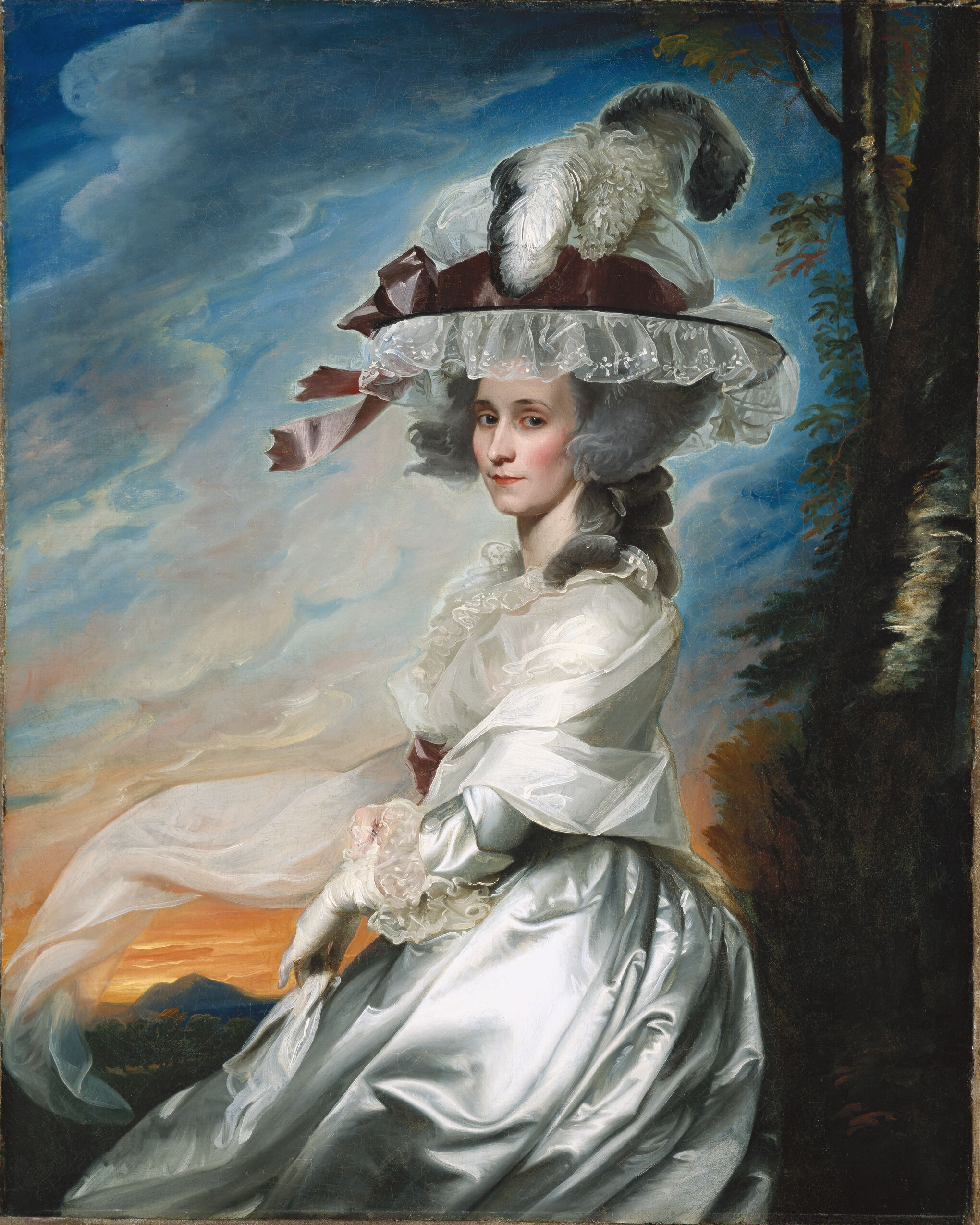
“Between color and silence, truth hides.” In the delicate interplay of light and shadow, Dorothy Murray emerges, a portrait that speaks to the transcendence of human emotion and identity. Copley masterfully captures not just a likeness, but a profound sense of inner life, inviting viewers to reflect on the essence of the subject with an empathetic gaze. Focus your attention on the figure in the center, where the soft, warm colors envelop Dorothy with an aura of grace. Notice how the light gently illuminates her face, accentuating her serene expression and the subtle curvature of her lips. The intricate details of her attire, particularly the delicate folds of her gown, reveal Copley’s remarkable technique, blending realism with a touch of idealization.
As your eyes wander, take in the soft background that enhances her presence, allowing the viewer to feel her stillness amidst the world. Beyond the surface, the painting resonates with layers of meaning. The choice of muted colors evokes a sense of tranquility while suggesting the societal constraints of the 18th century. Additionally, the juxtaposition of her poised demeanor against the lingering shadows hints at the complexities of identity and the façade often maintained in the social sphere. What lies beneath the calm exterior?
The emotional tensions captured in her gaze speak volumes, hinting at aspirations and inner desires that transcend her period. Painted between 1759 and 1761, this work marks a significant moment in Copley’s career as he began to establish himself as a leading portraitist in colonial America. During this time, he was navigating the burgeoning art scene in Boston while grappling with his identity as an artist amidst shifting cultural currents. The period was characterized by a growing interest in the depiction of individual character and virtue—a theme that resonates deeply in this portrayal of Dorothy Murray.