Dover — History & Analysis
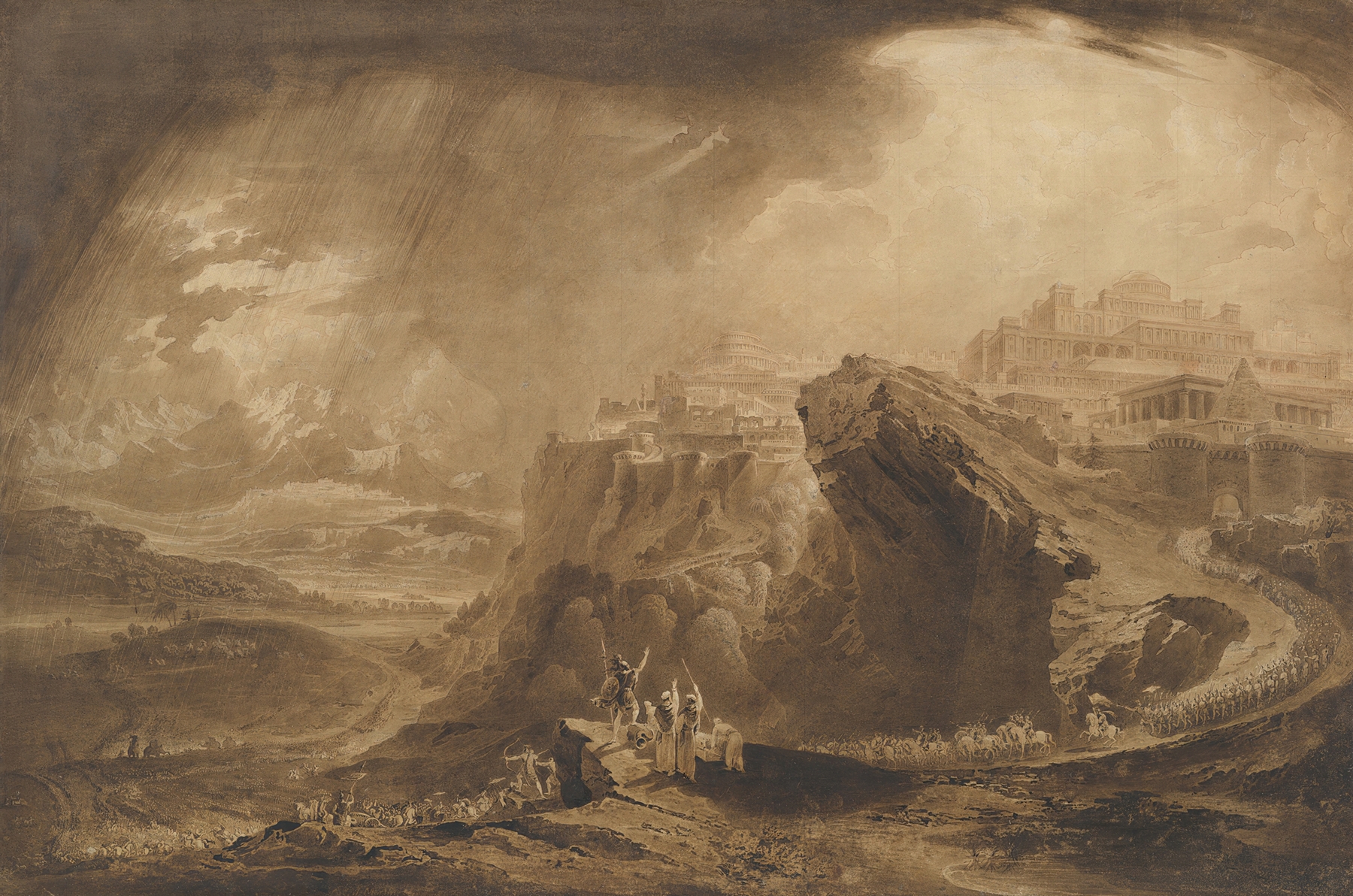
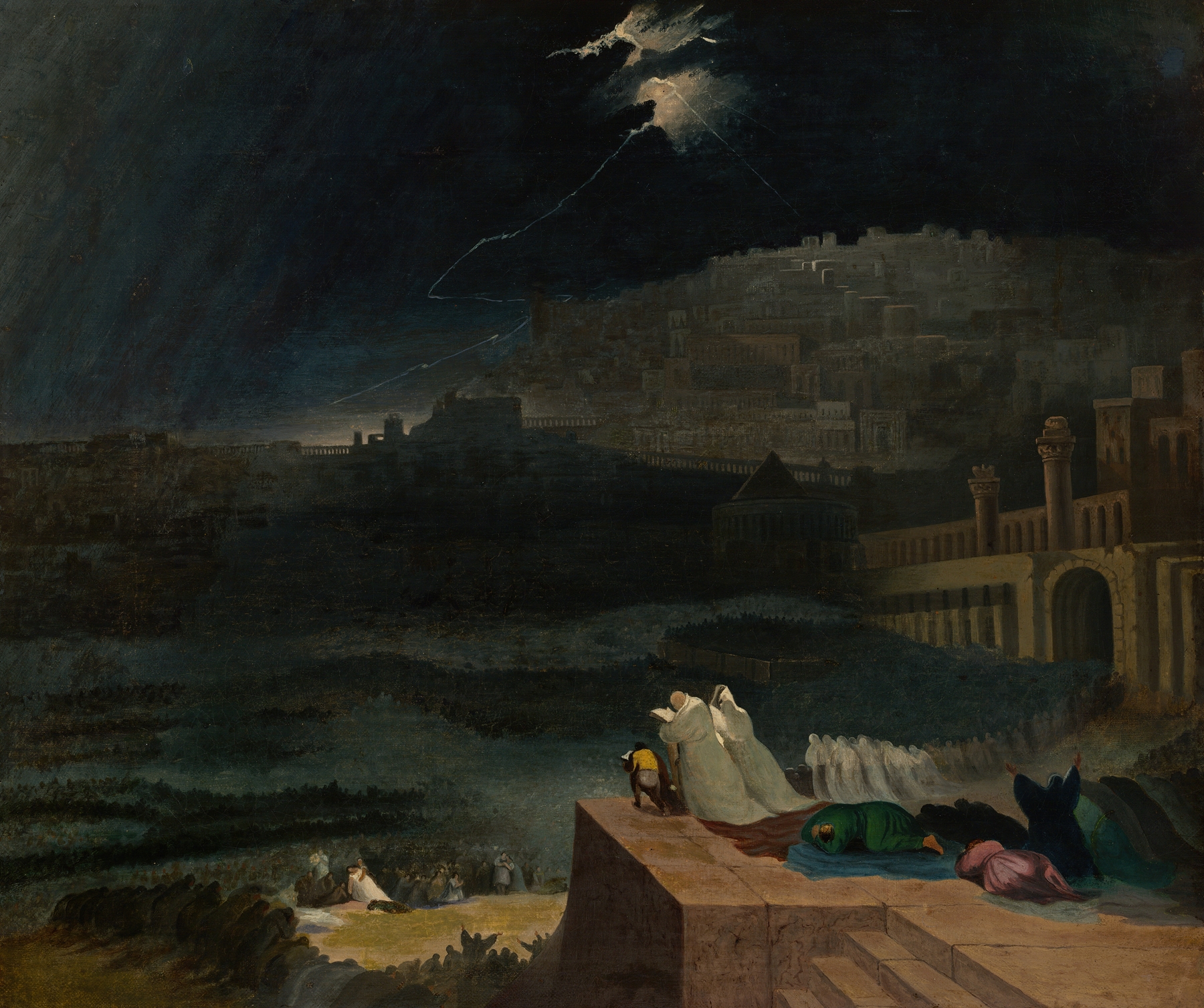
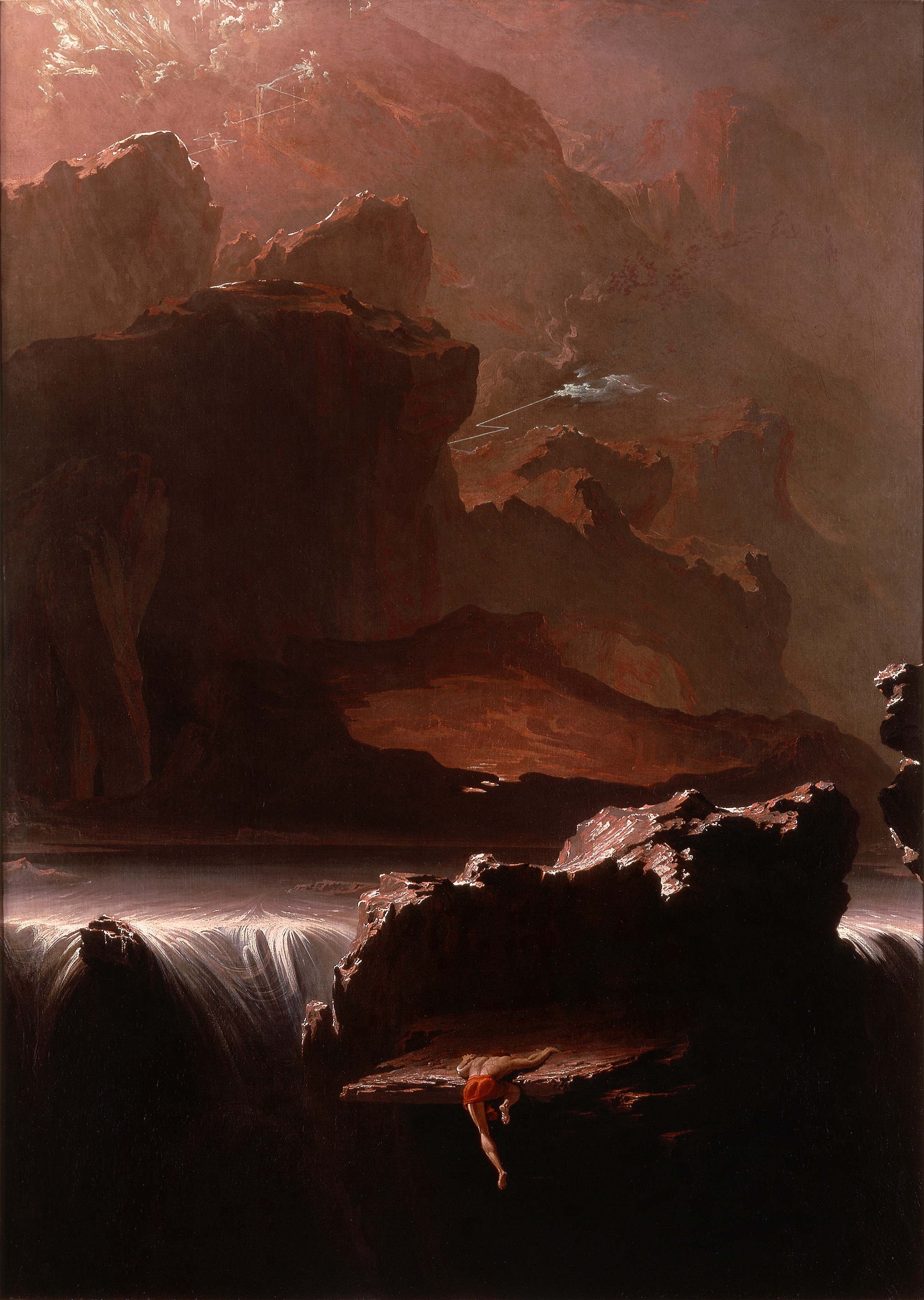
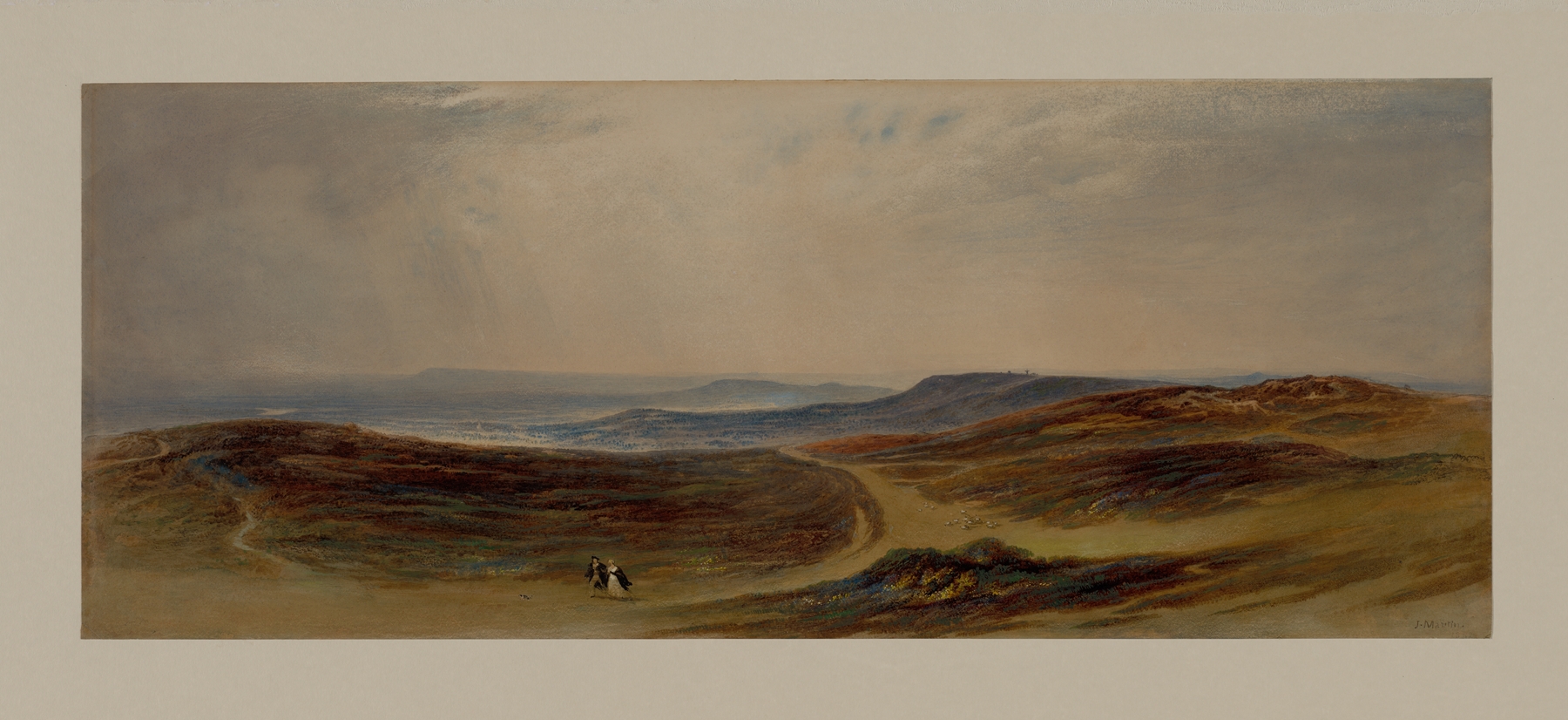
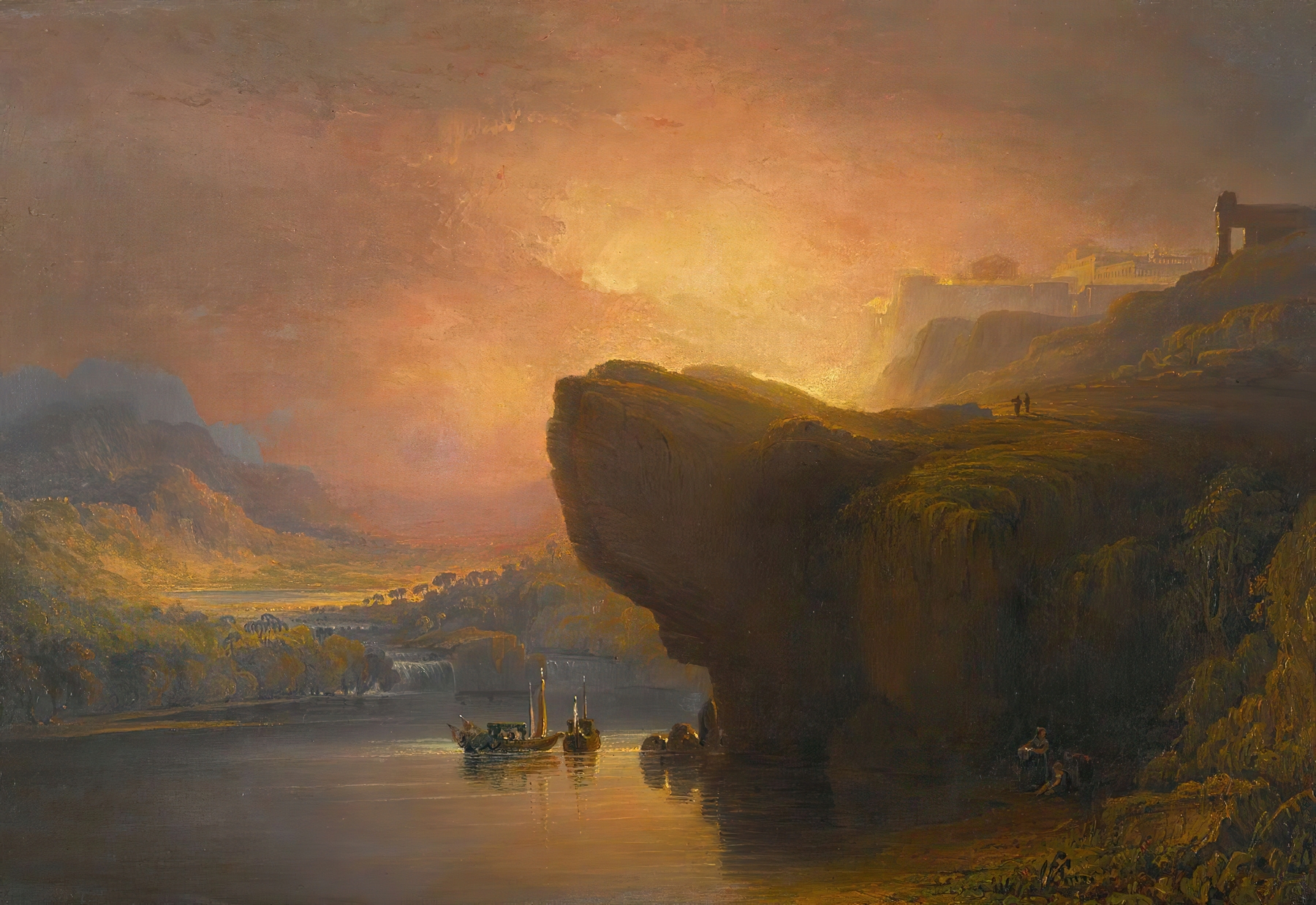
“Art reveals the soul when the world turns away.” In Dover, fragility becomes a palpable essence, speaking to the human condition amid nature's grandeur and turmoil. Focus on the horizon, where tumultuous clouds swirl above the cliffs, casting dramatic shadows over the picturesque landscape. The gentle interplay of light and dark brings a fierce energy to the sea below, threatening to consume the serene view. Look closely at the distant figures standing on the precipice; they appear minute and vulnerable, their presence dwarfed by the overwhelming power of the natural world, echoing the delicate balance between humanity and the forces that surround it.
The cliffs, steeped in contrast, symbolize both stability and precariousness, suggesting that even the most formidable aspects of life are fragile. The tumultuous waves crashing against the shore mirror the chaos and unpredictability of existence, while the serene sky offers a fleeting moment of hope. These elements intertwine, creating a visual dialogue about the human spirit’s resilience, even when faced with nature’s indifference.
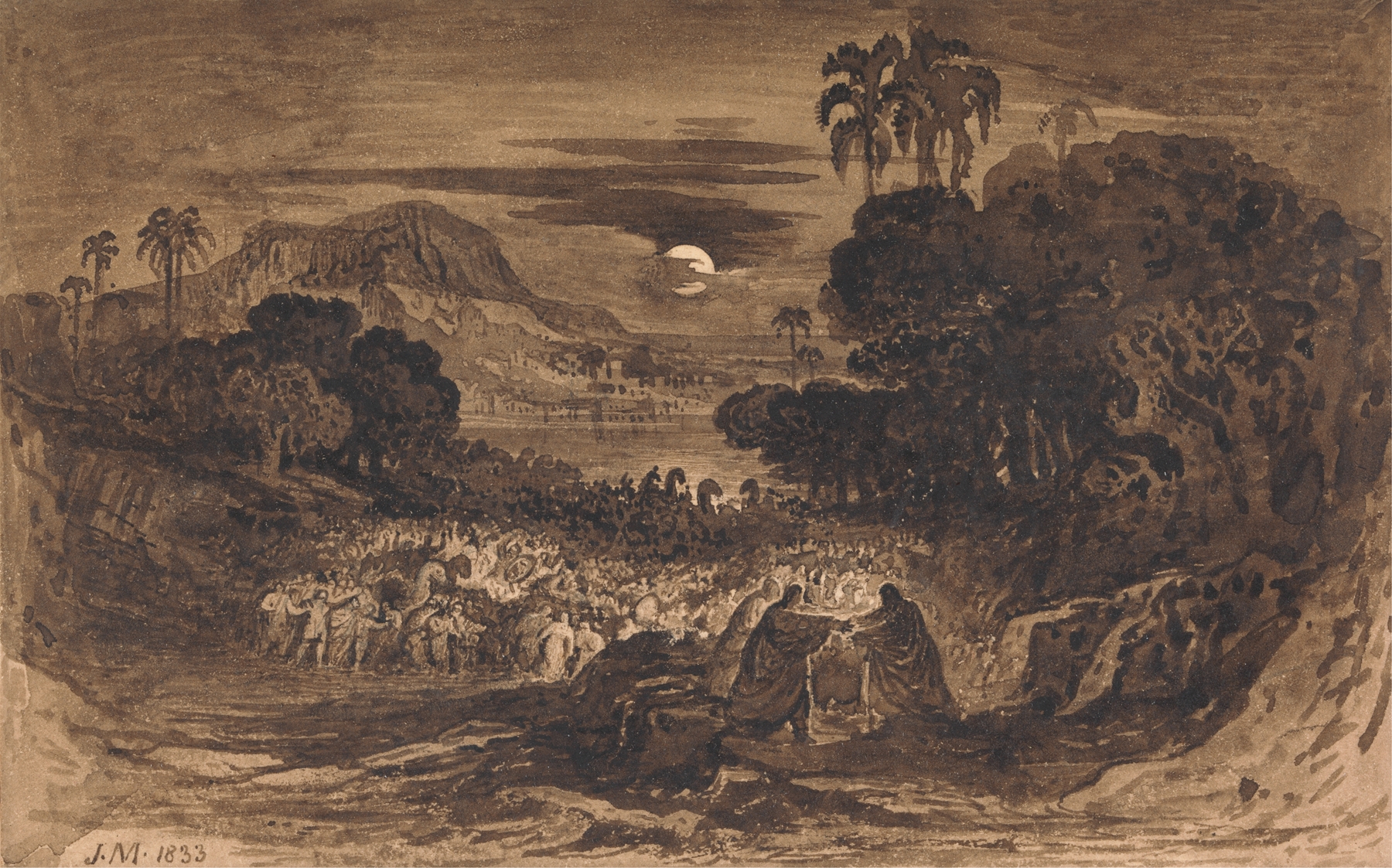
John Martin painted Dover in 1833 during a period marked by both personal struggles and significant upheaval within the art world. Living in London, he was known for his dramatic landscapes and apocalyptic themes, gaining recognition for his large-scale works. His fascination with the sublime and the Romantic movement's emphasis on emotion and nature's majesty influenced this piece, as he sought to capture the complex relationship between humanity and the vast, often tumultuous world around them.