
Duinen — History & Analysis
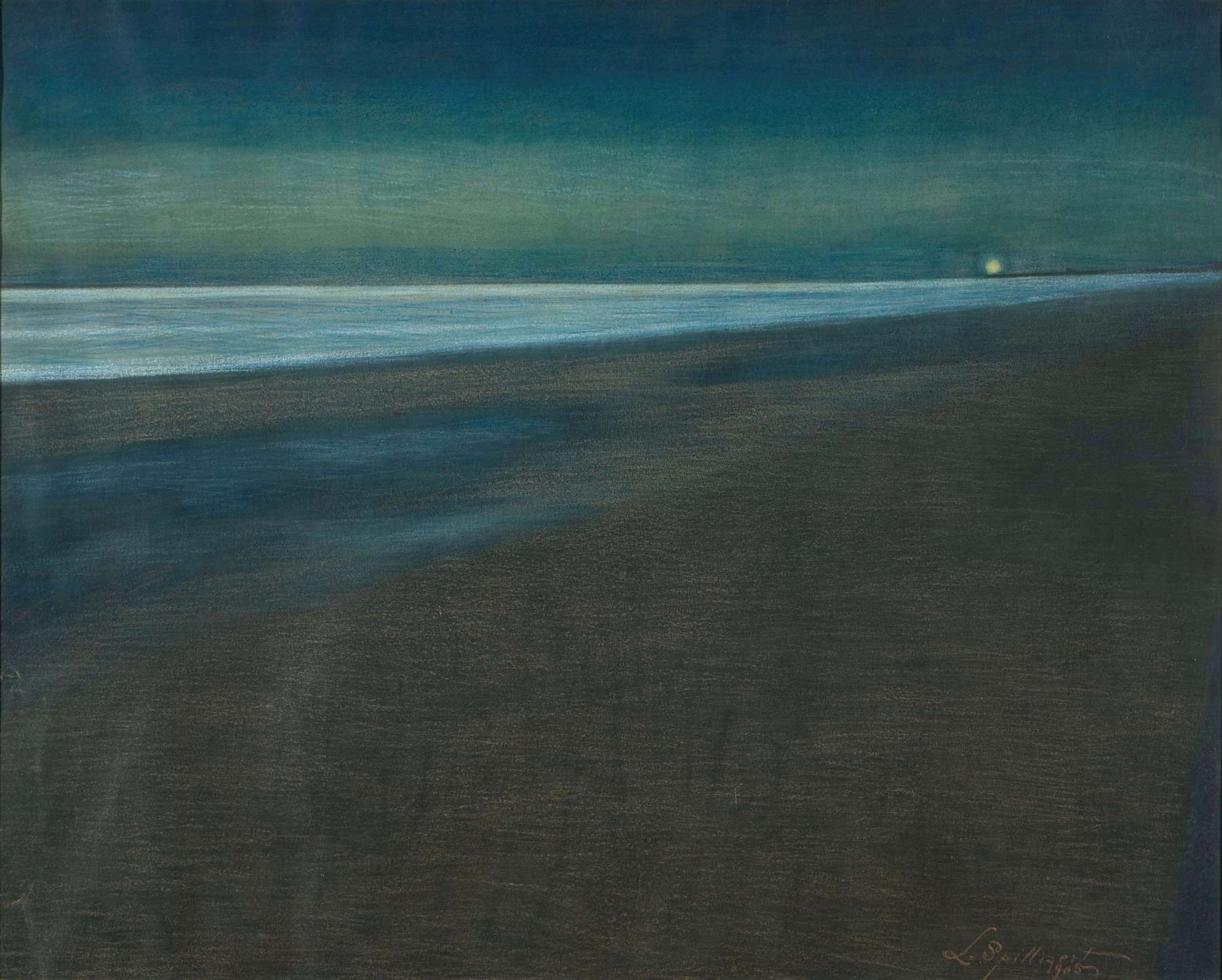
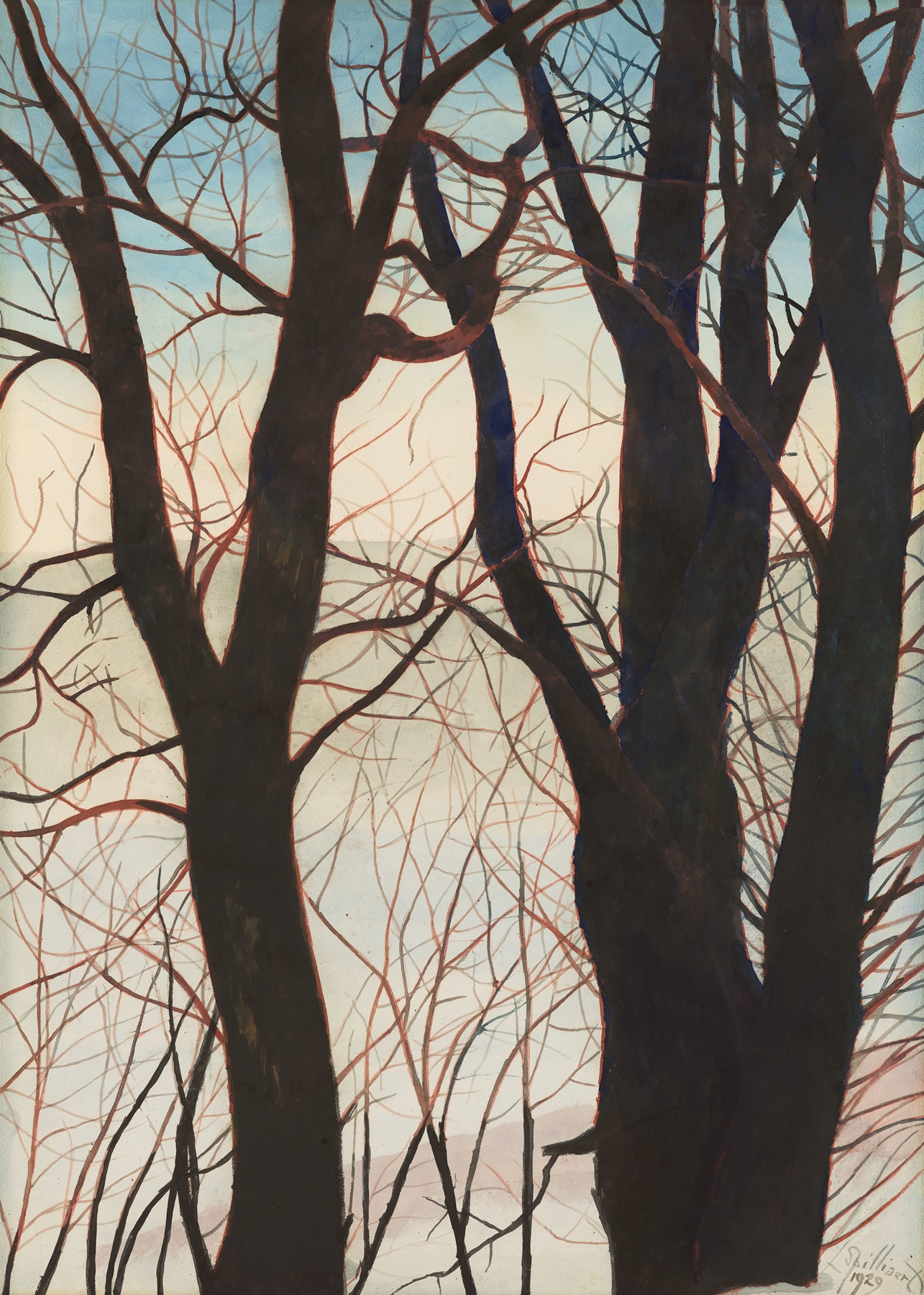
What if silence could speak through light? In Léon Spilliaert's Duinen, the interplay of shadow and illumination invites contemplation on the passage of time and the weight of legacy. Look to the left at the stark contrast between the deep, velvety blues of the ocean and the soft, luminous sand that captures the fading sunlight. The horizon, a delicate blend of gold and silver, draws the eye towards the infinite, while the gentle waves seem to whisper secrets of the past.
The artist’s brushwork is both delicate and deliberate, creating a surface that evokes texture and movement, as if the very fibers of the painting breathe and shift with the tide. Beneath the serene beauty lies a poignant contrast, evoking a bittersweet nostalgia. The tranquil scene is punctuated by an emptiness, suggesting the absence of human presence but rich with the history of those who walked these shores before. The muted colors reflect a meditative quality, inviting the viewer to ponder not just the landscape, but their own place within the continuum of existence.
Each wave crashes against the shore, a reminder of the relentless march of time and the legacies we leave behind. In 1928, Spilliaert painted Duinen amidst a period of personal exploration and the evolving dynamics of European art. Residing in Belgium, he sought to capture the essence of solitude and introspection, influenced by the Symbolist movement and his own existential musings. This artwork reflects both his personal legacy and a broader commentary on the human experience, making it a significant piece within his oeuvre and the wider narrative of 20th-century art.
![Le Phare aux signaux [De vuurtoren], by Léon Spilliaert, public domain](https://froigstrpvutwqtqikzt.supabase.co/storage/v1/object/public/art-images/artworks/15c64ea88267bb2176f857ee48f253129140e660e1928d47acf6cab808d0226d.jpg)