
Duinen — History & Analysis
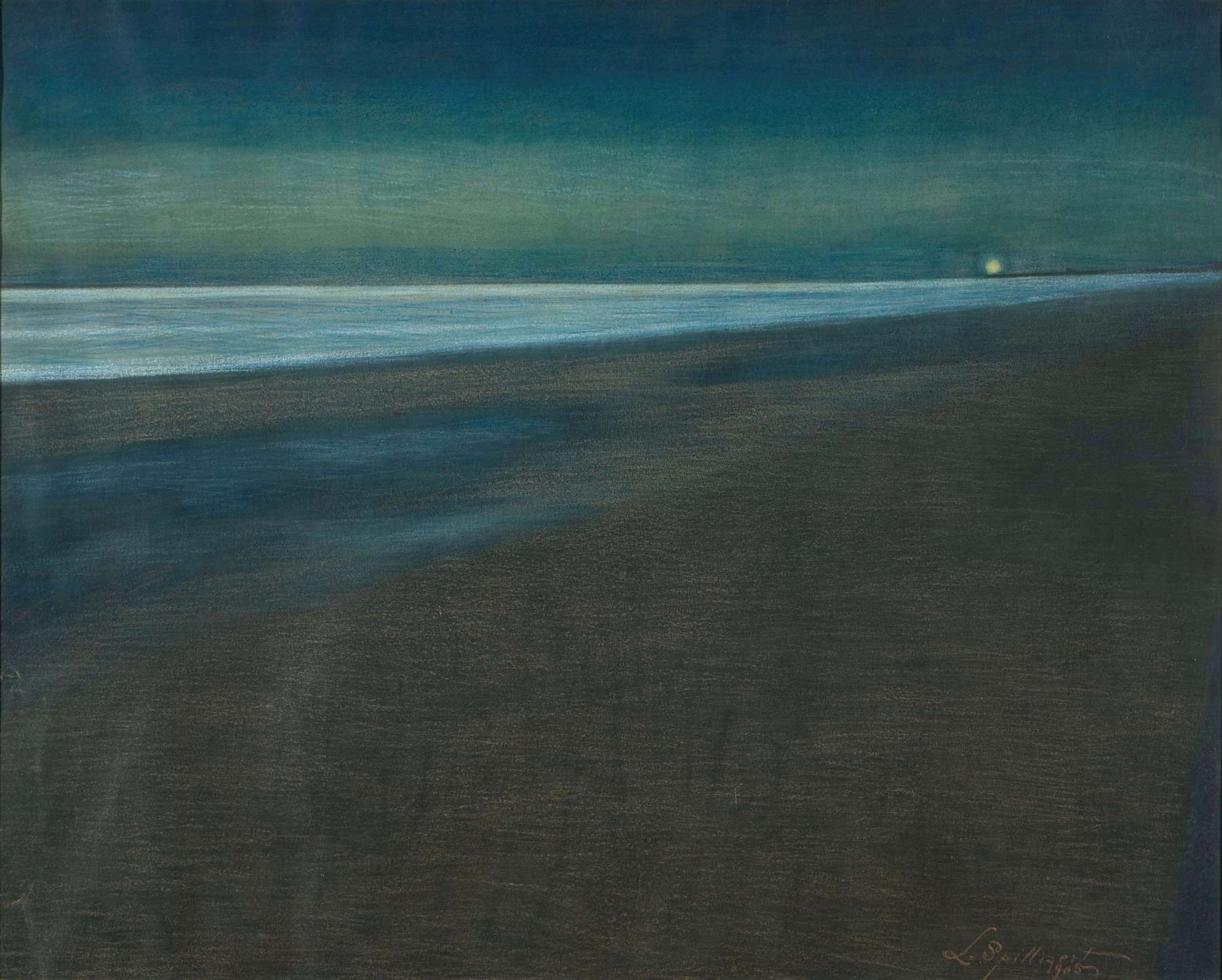
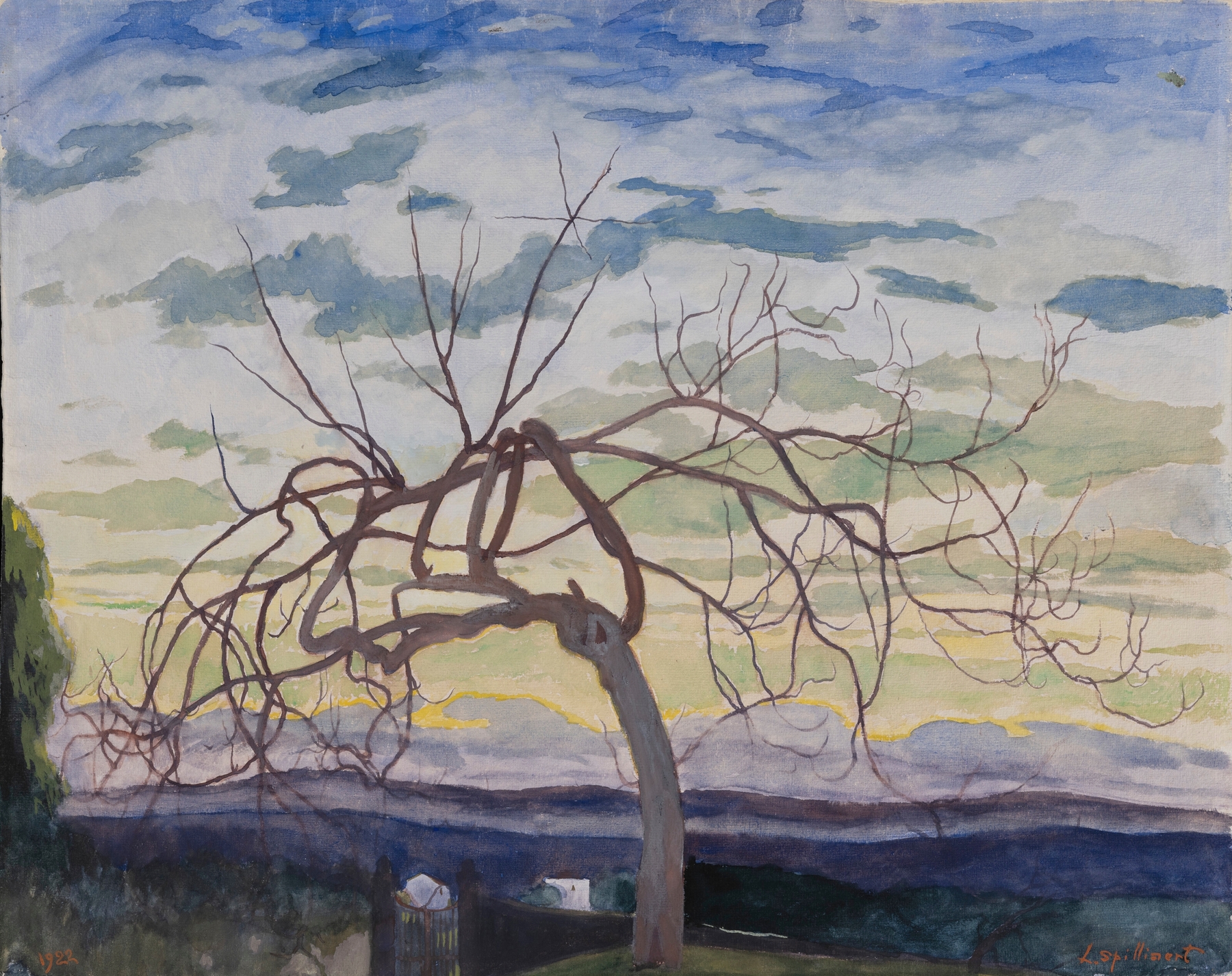
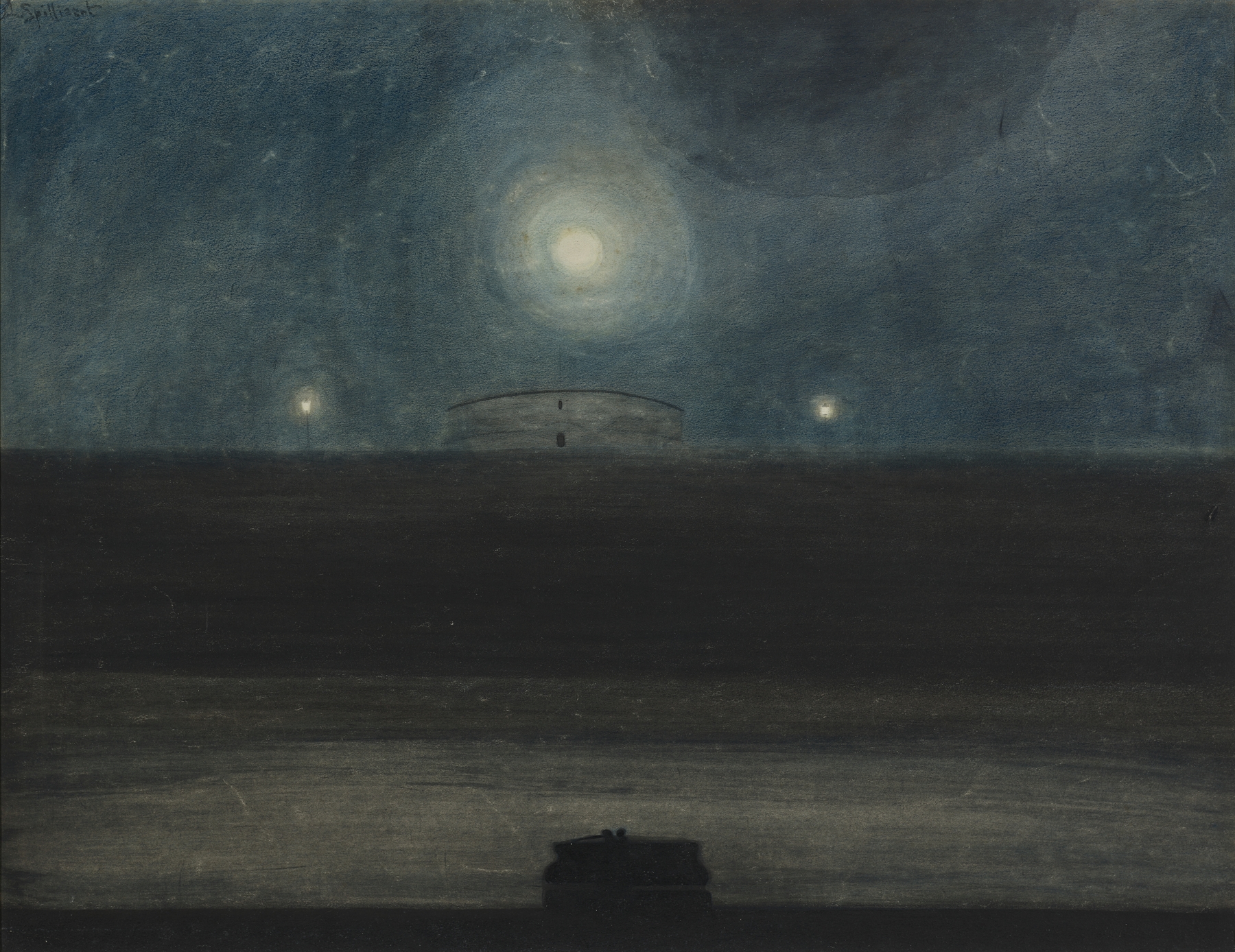
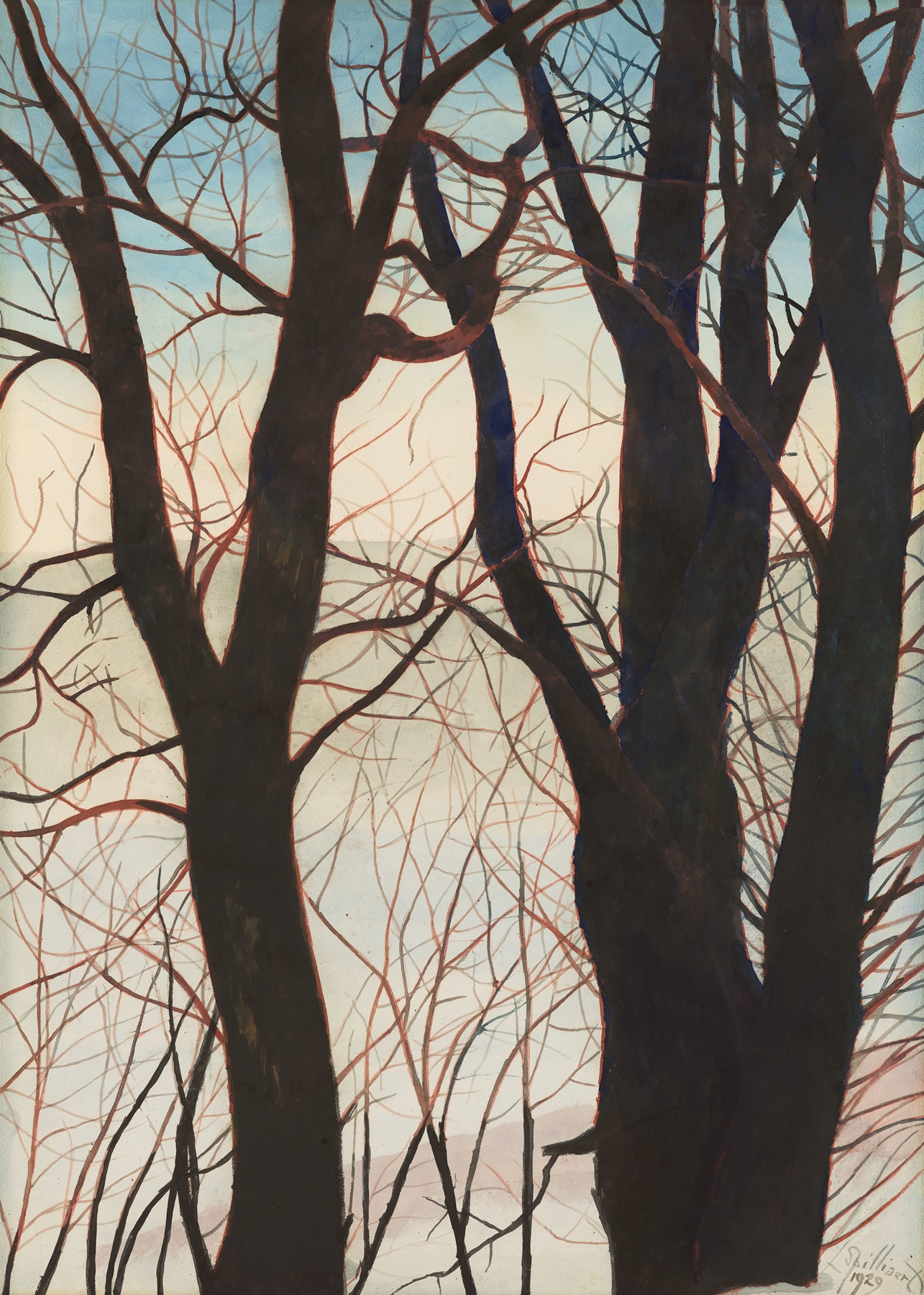
Who listens when art speaks of silence? In the quiet solitude of Duinen, a profound sense of loneliness resonates, inviting the viewer to explore deeper realms of introspection. Look to the left at the soft, rolling dunes that stretch into a horizon blurred by mist. The muted palette of earthy browns and gentle greens creates a serene yet somber atmosphere, while the sparse, almost ghostly figures in the distance evoke a sense of isolation.
Notice how the subtle play of light dances across the undulating forms, highlighting the contours of the landscape and lending it a mysterious depth that beckons contemplation. Delve into the intricate details — the lone figure poised against the vastness of nature embodies the inherent tension of being amidst the expanse. The contrast between the smooth undulations of the sand and the jagged edges of the sky hints at the struggle between serenity and turmoil. This duality of existence resonates deeply, suggesting that even in silence, the heart holds untold stories of yearning and solitude.
Created in 1928, Duinen emerges from a period when Léon Spilliaert sought to express the intricate interplay of emotion and environment. Living in Belgium, he was influenced by Symbolism and the unsettling calm of his coastal surroundings. At a time when art was shifting towards modernism, Spilliaert's work encapsulated a moment of introspection, reflecting both his personal struggles and the collective sentiment of a world grappling with modernity.
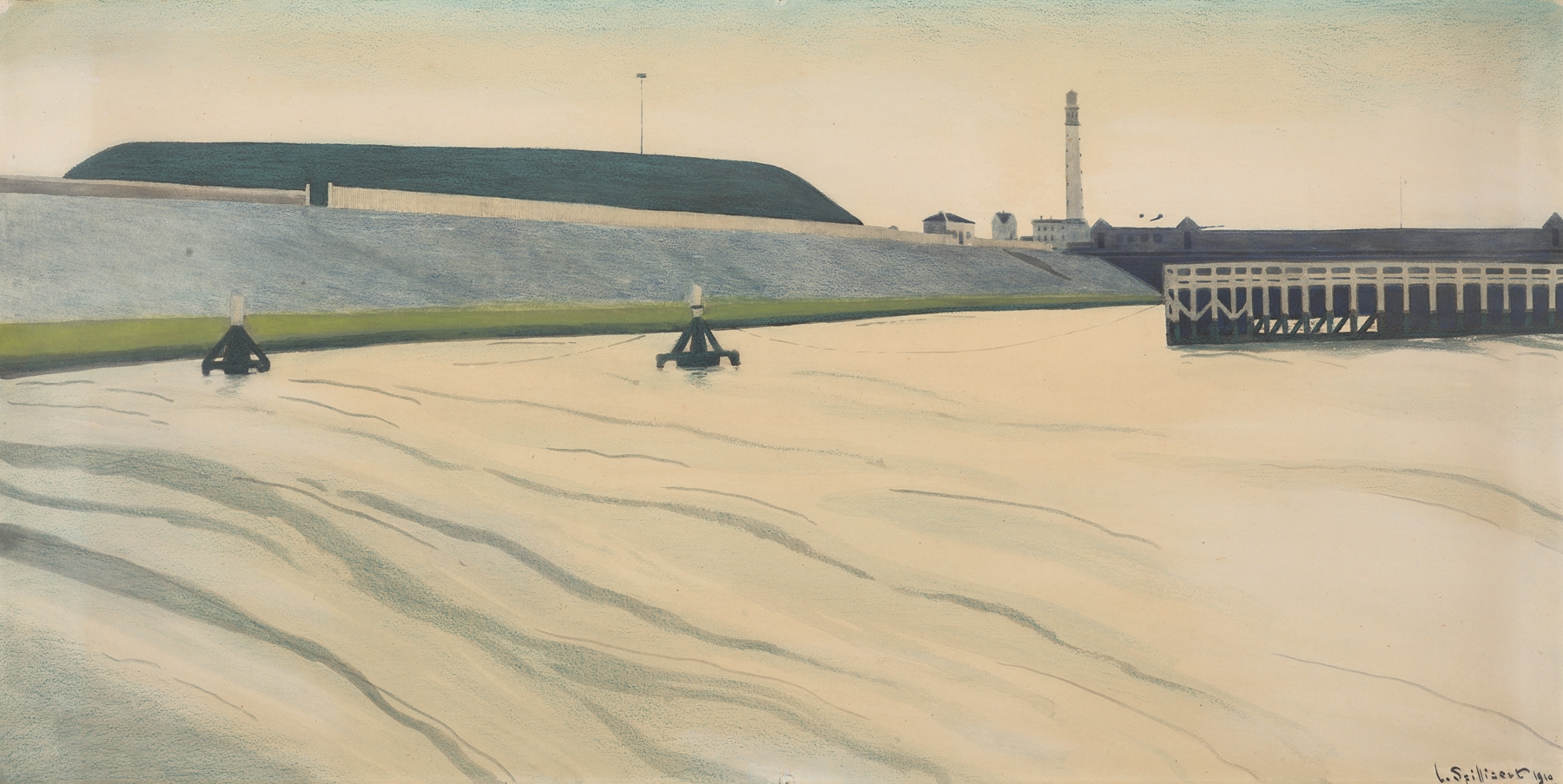
![Le Phare aux signaux [De vuurtoren], by Léon Spilliaert, public domain](https://froigstrpvutwqtqikzt.supabase.co/storage/v1/object/public/art-images/artworks/15c64ea88267bb2176f857ee48f253129140e660e1928d47acf6cab808d0226d.jpg)