KÜSTENLANDSCHAFT — History & Analysis
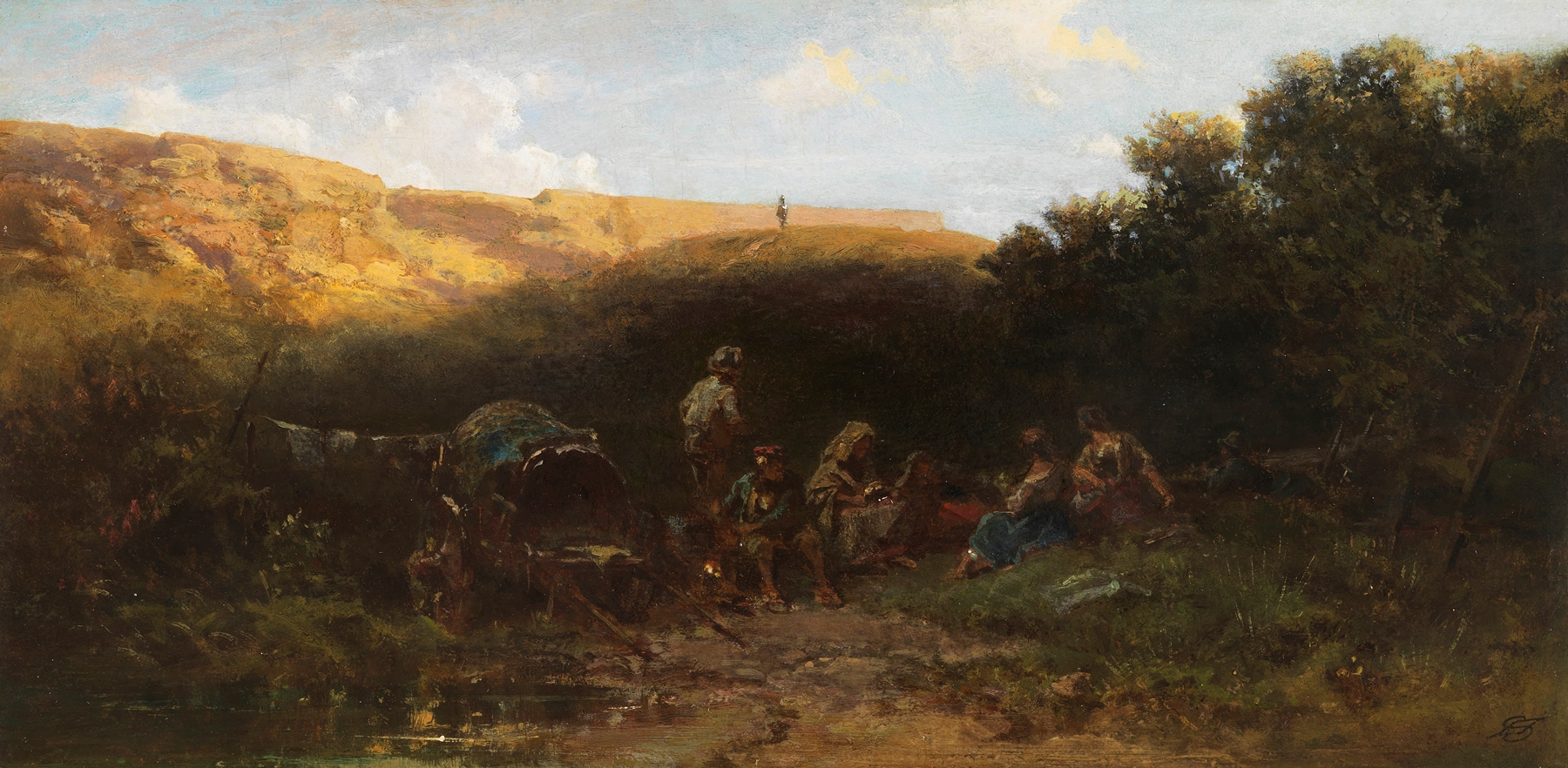
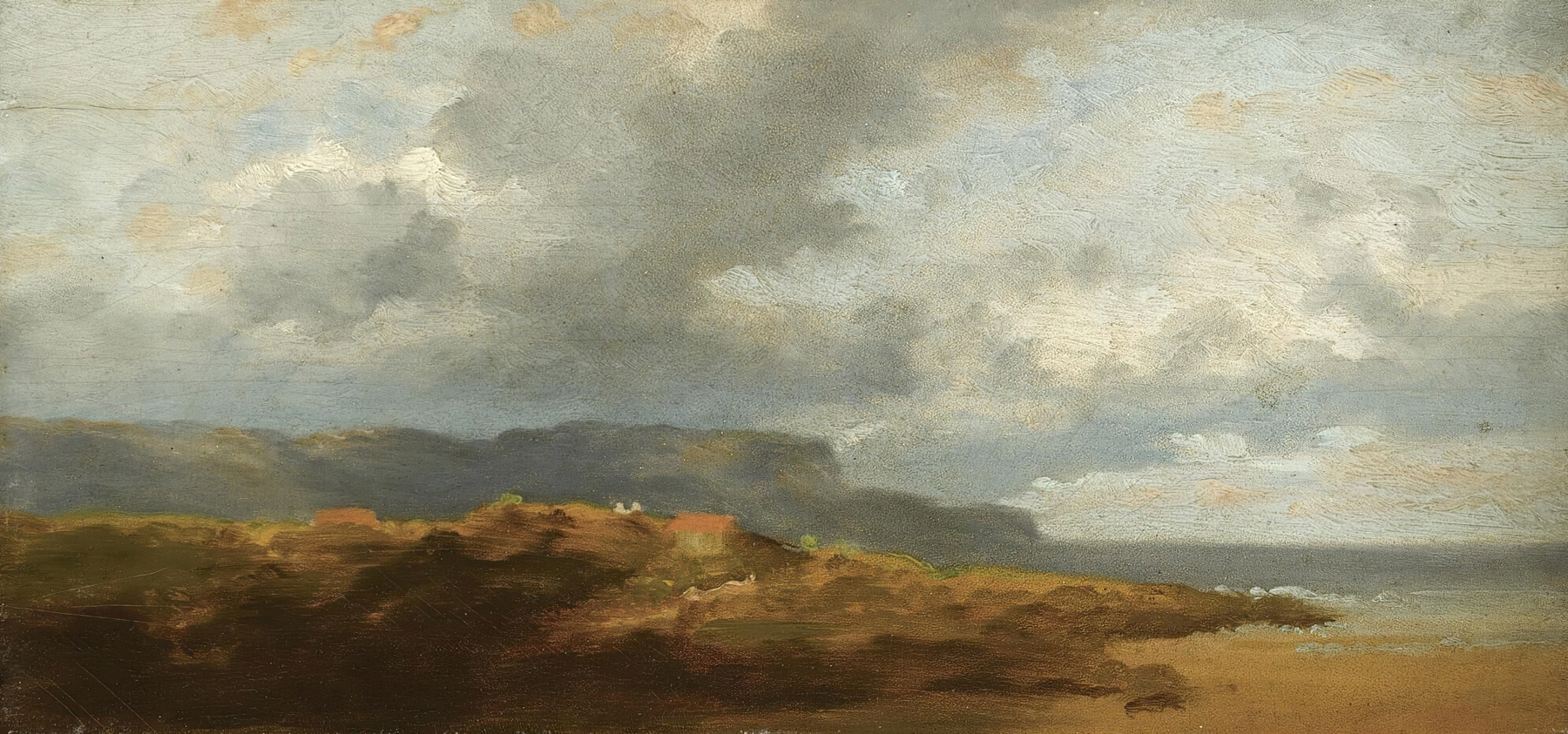
What secret hides in the quiet of the canvas? In KÜSTENLANDSCHAFT, a sense of solitude envelops the viewer, inviting introspection and contemplation of the unseen narratives that linger in the air. Look to the left at the serene stretch of the coastal shoreline, where gentle waves kiss the sand. The soft blues and greens of the sky blend seamlessly with the sea, creating a harmonious atmosphere.
Notice how the sunlight filters through the clouds, casting a warm glow that brings life to the solitary figure standing on the beach. This central character, with their back turned, embodies the essence of isolation—caught in a moment of reflection, seemingly disconnected from the vibrant world around them. Explore the emotional tension within the composition: the vastness of the sea juxtaposed against the figure's diminutive form, evoking a profound sense of loneliness. The gentle curves of the landscape cradle the character, hinting at both comfort and solitude.
The delicate brushwork and attention to detail reveal not only the beauty of nature but also the complexity of human emotion, suggesting that, even in vast spaces, one can feel profoundly alone. Carl Spitzweg painted KÜSTENLANDSCHAFT during the mid-19th century, a time marked by significant artistic movements and the rise of Romanticism. Working from his studio in Munich, he embraced the ideals of capturing evocative landscapes infused with human experiences. This period was characterized by a growing focus on individual emotion and the exploration of nature, reflecting a shift from the grandeur of previous artistic styles to a more intimate connection between the viewer and the canvas.