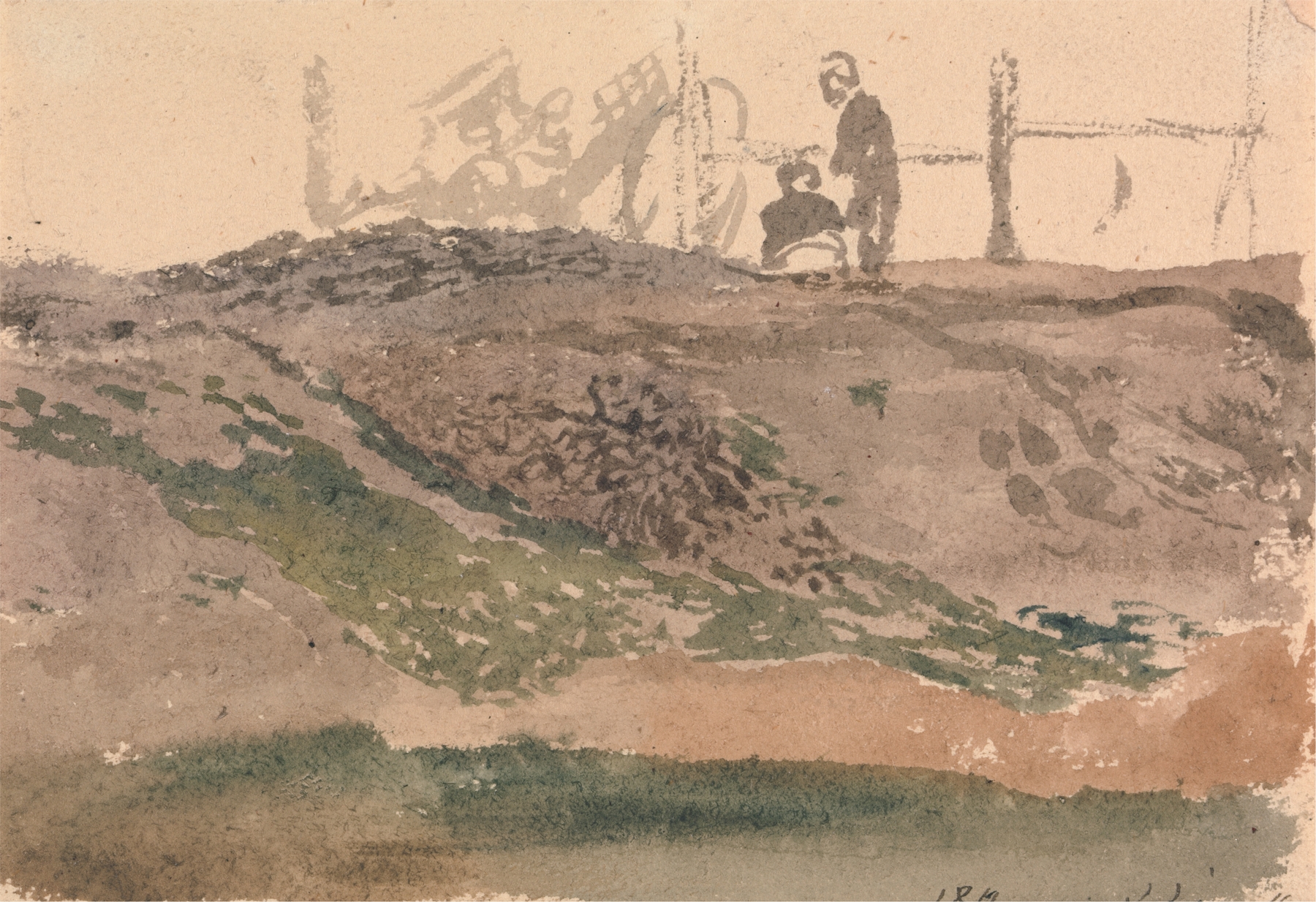
Elm Lane with Bayswater Stream beside — History & Analysis
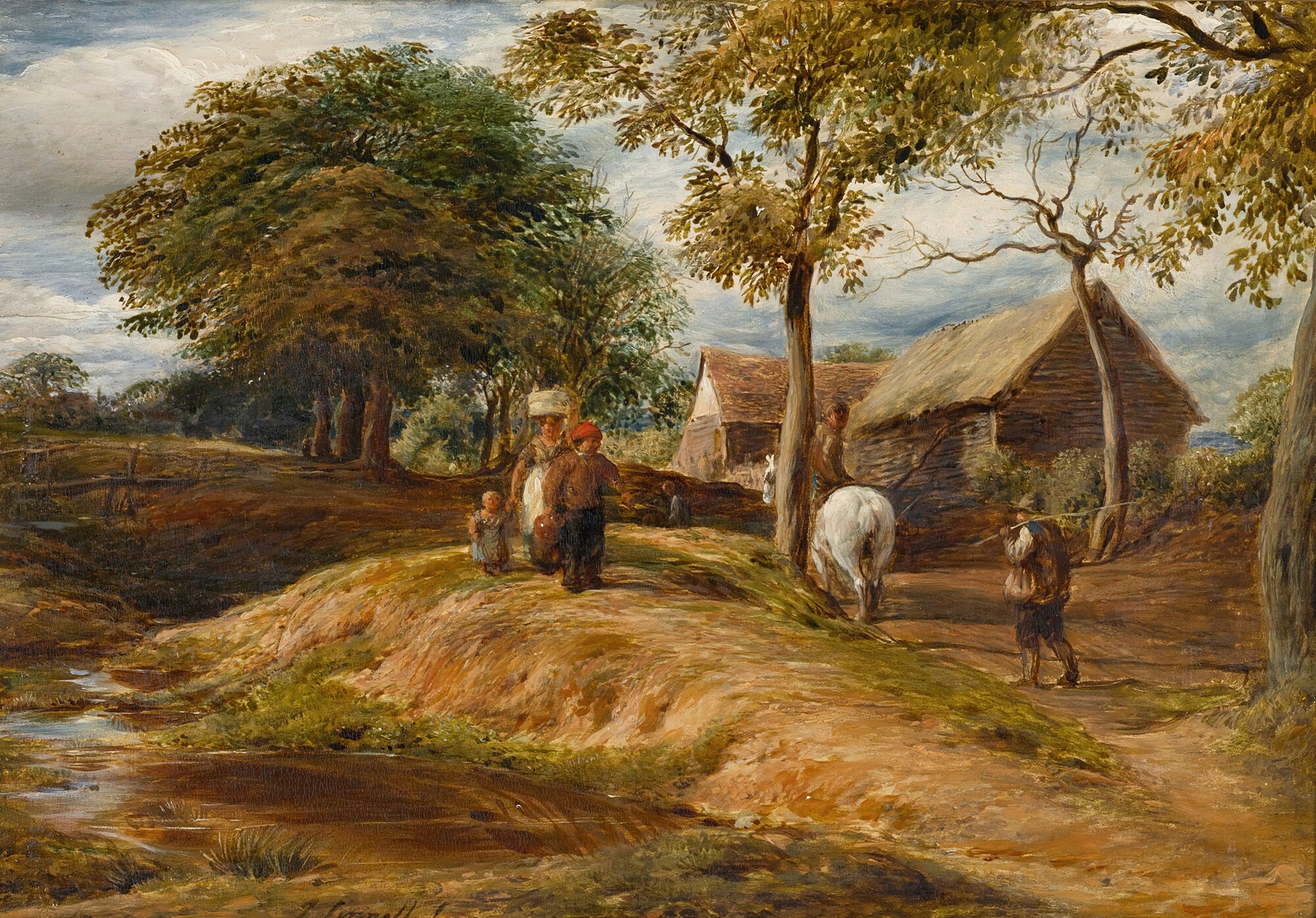
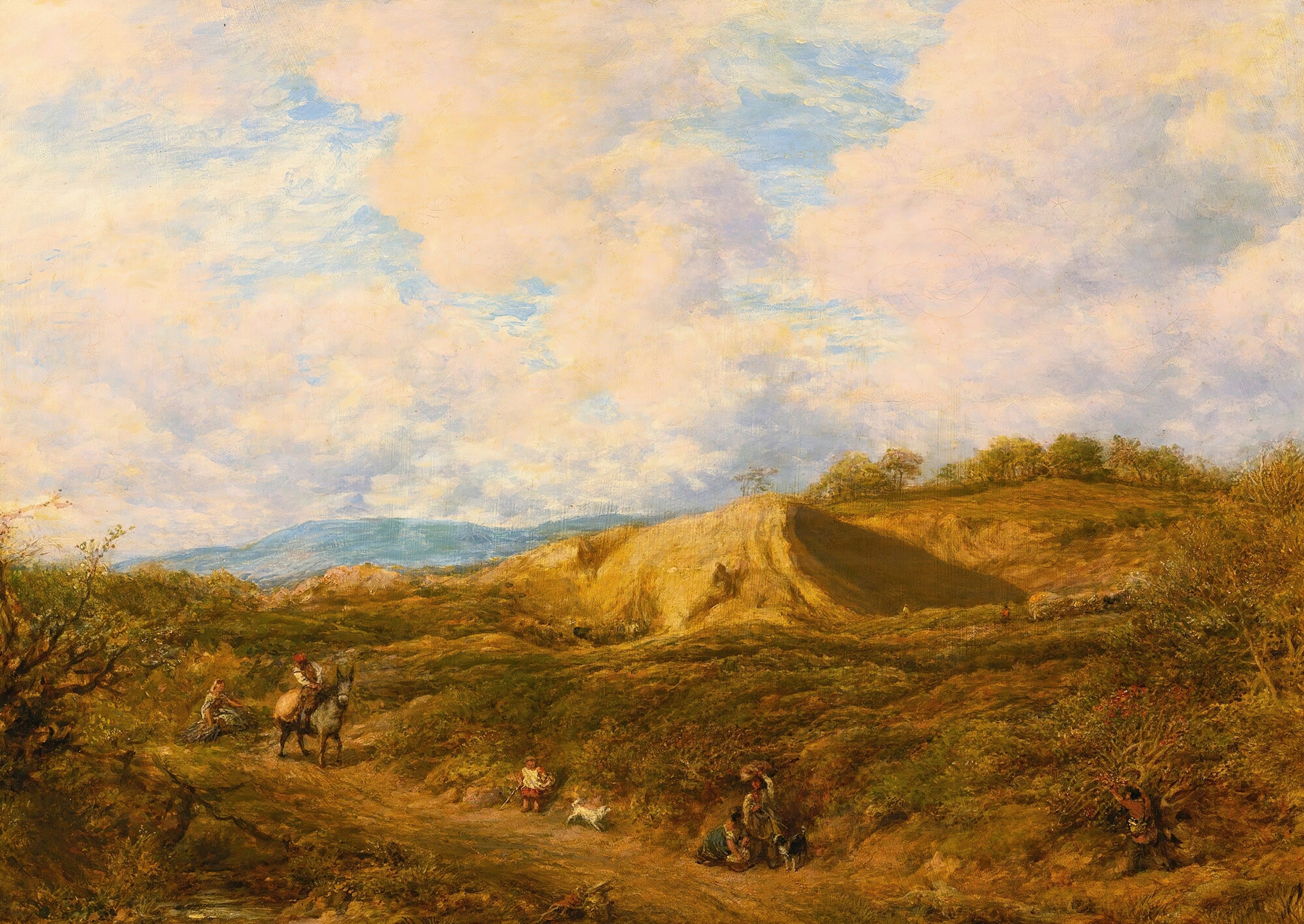
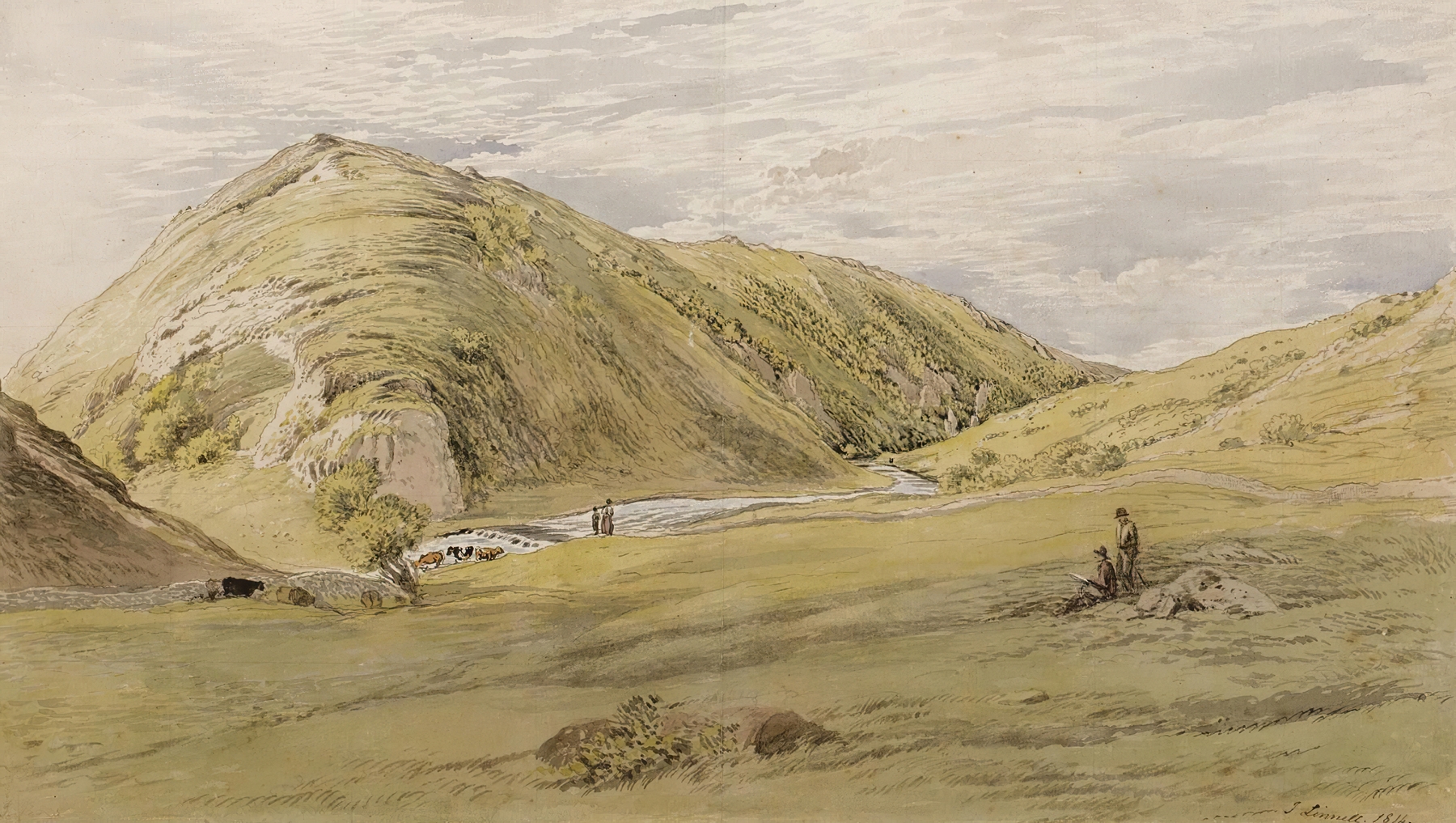
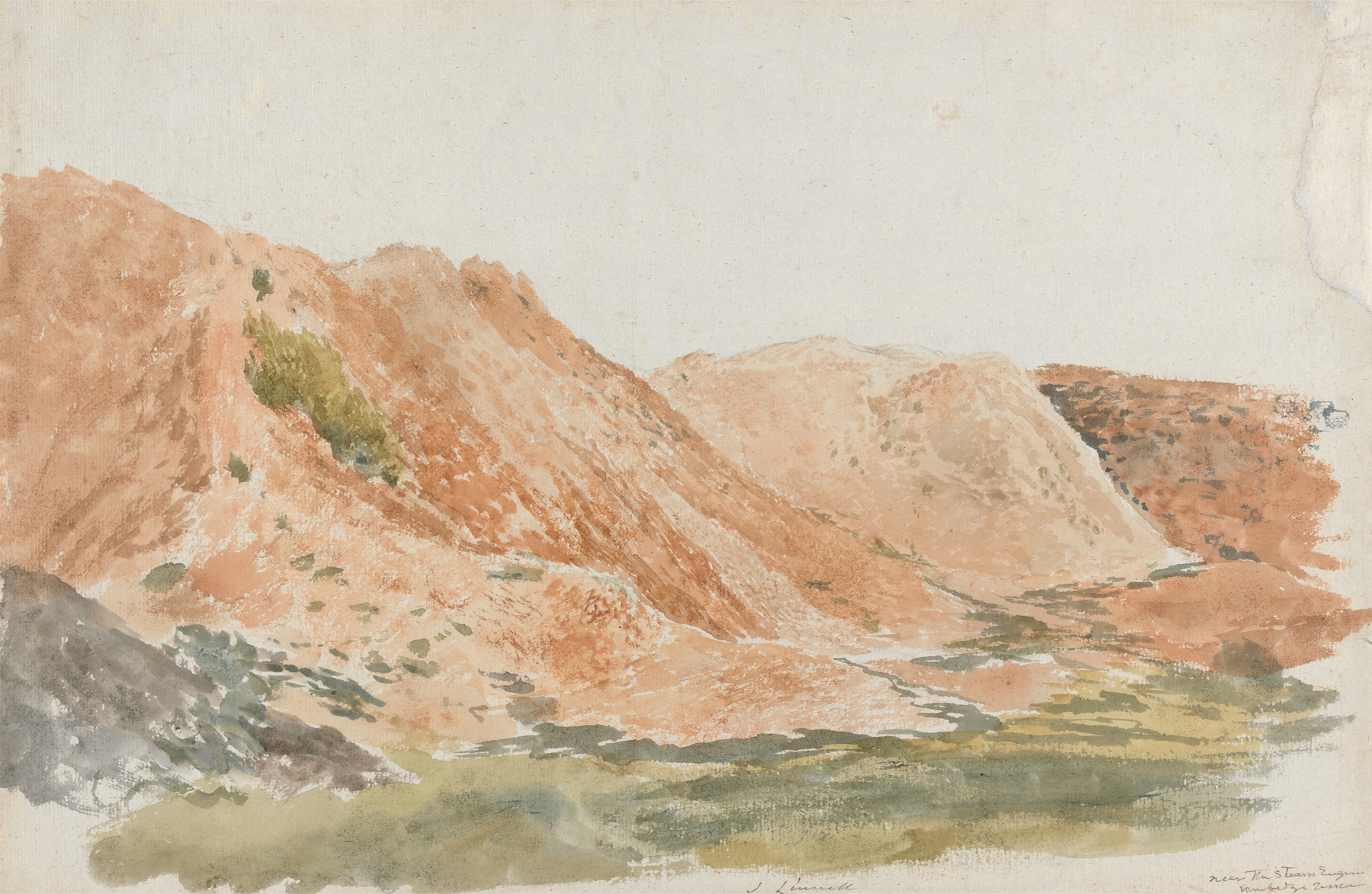
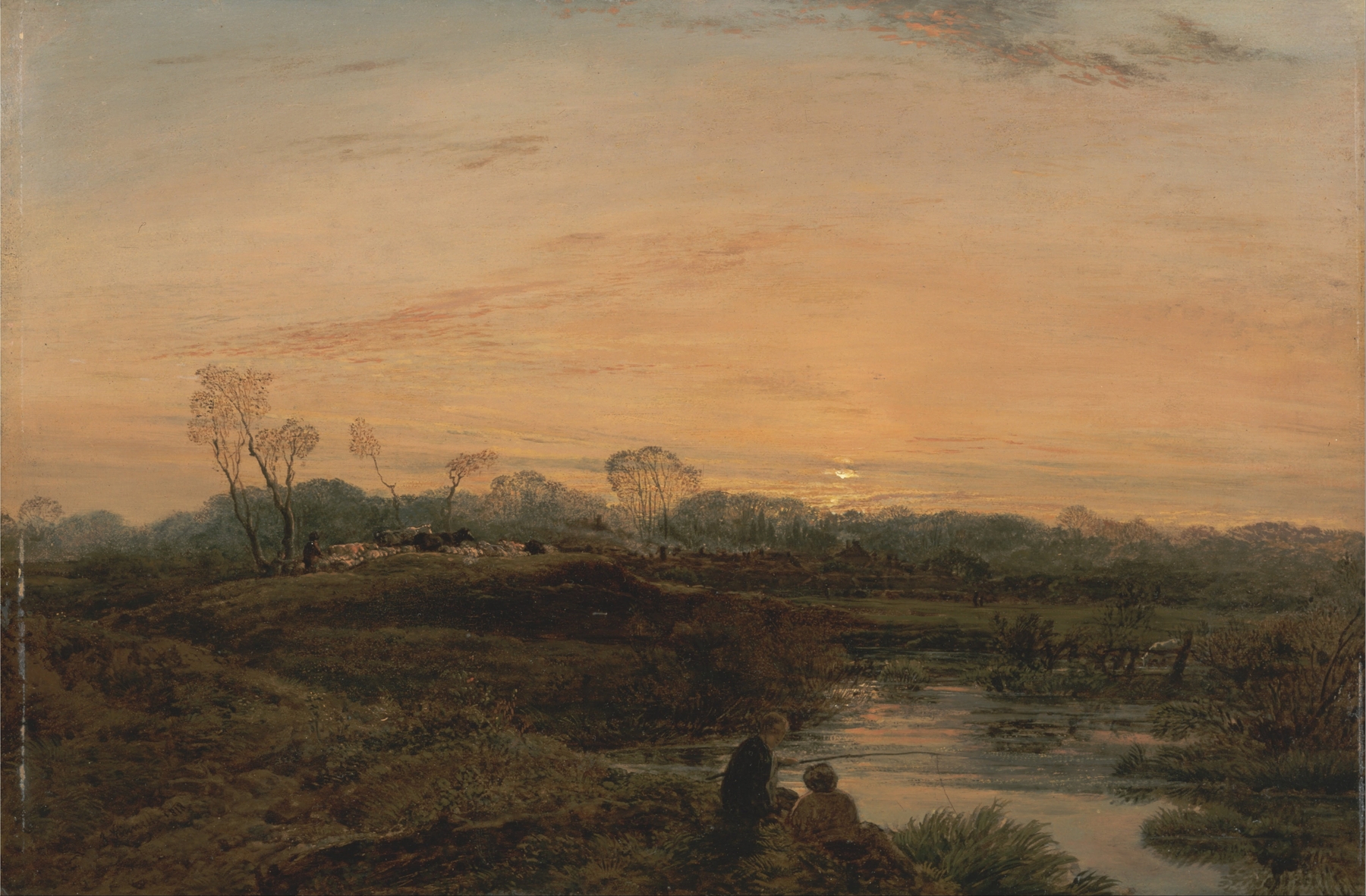
Where does light end, and longing begin? In the tranquil embrace of nature, innocence reveals itself through the interplay of light and shadow. Look to the left at the gentle curve of the path, leading the eye deeper into this pastoral scene. The soft, dappled sunlight filters through the foliage, illuminating the vibrant greens of the grass and the subtle browns of the tree trunks. Notice how the delicate brushwork captures the rustling leaves, while the stream beside it reflects a sky dappled with clouds, hinting at a fleeting moment caught in time.
This harmonious composition invites the viewer to step into a world where simplicity reigns supreme. Beneath the apparent serenity lies an emotional tension between the innocence of the landscape and the weight of human experience. The winding path signifies a journey, perhaps a metaphor for life itself, where every turn holds the promise of discovery or the possibility of loss. The gentle flow of the stream symbolizes the passage of time, encouraging contemplation of what is fleeting and cherished.
Here, Linnell subtly weaves nostalgia into the very fabric of the scene, prompting a longing for the purity found in untouched nature. In 1834, while residing in London, the artist created this work during a period marked by significant change and industrial growth. His focus on pastoral scenes reflected a growing yearning for the simplicity of nature amidst the encroaching urbanization of the time. Linnell was part of the Romantic movement, which often idealized rural life, and through this piece, he captured not only the beauty of the English countryside but also a deeper emotional resonance that speaks to the enduring human spirit.