Evereux, France — History & Analysis
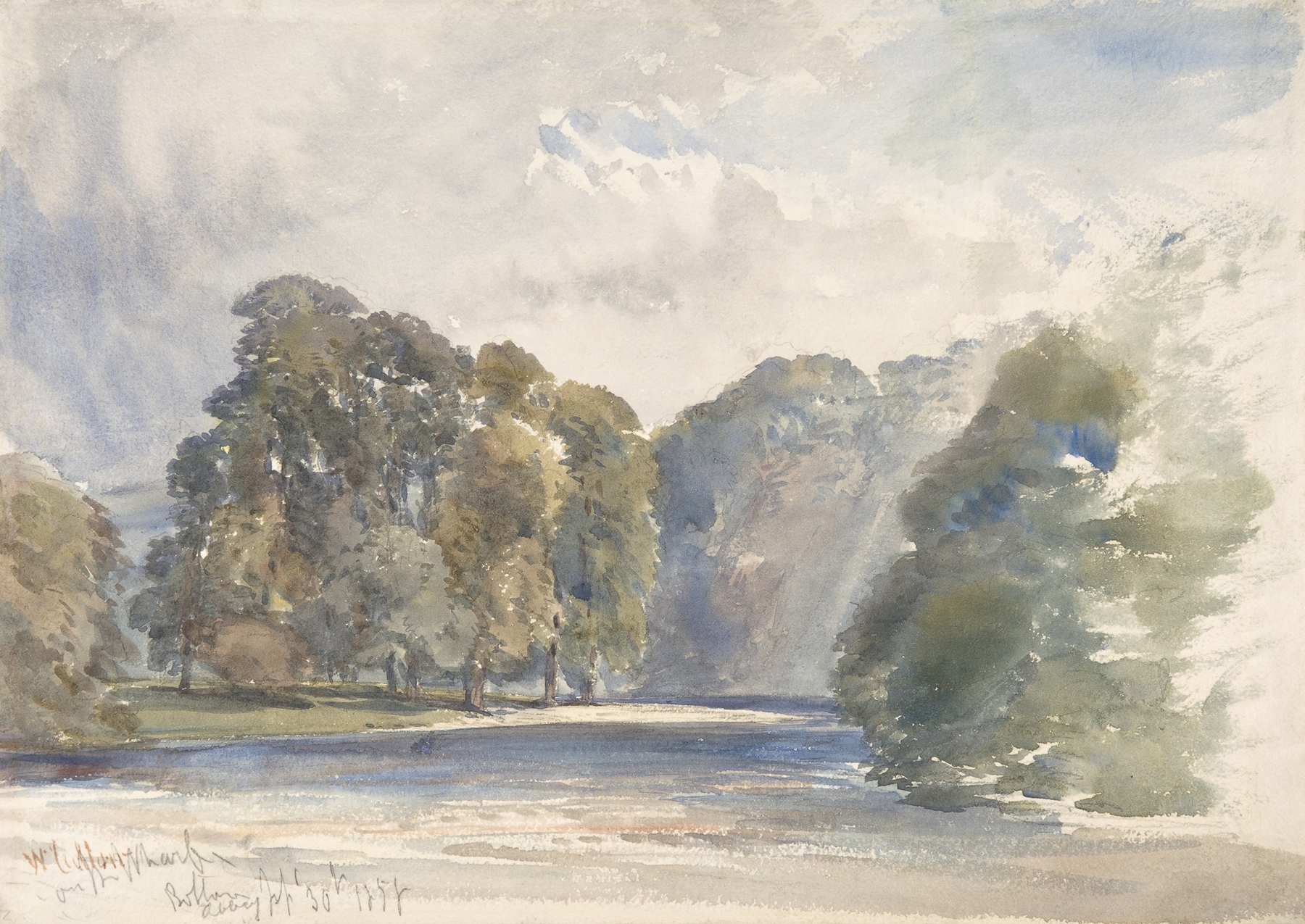
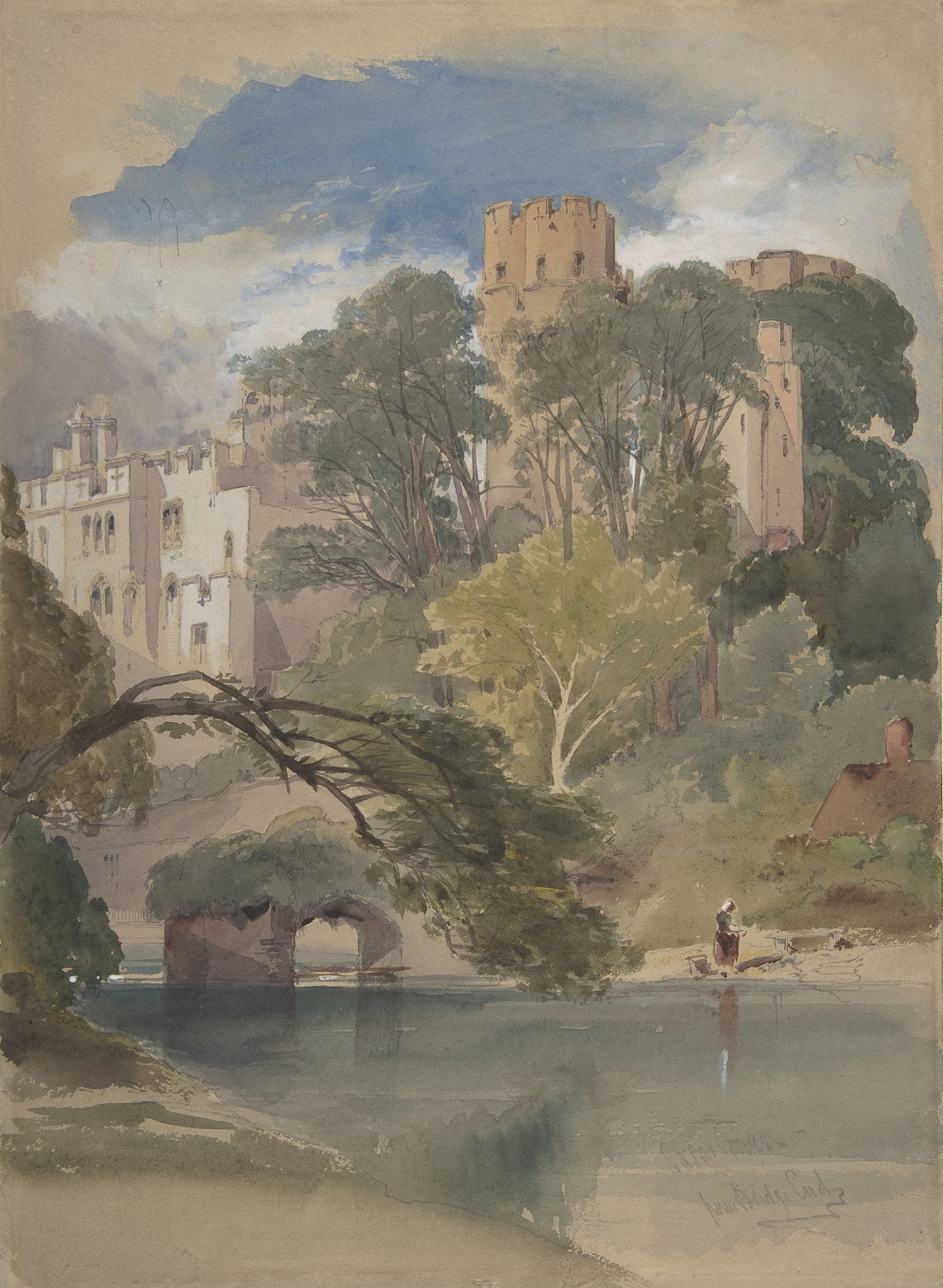
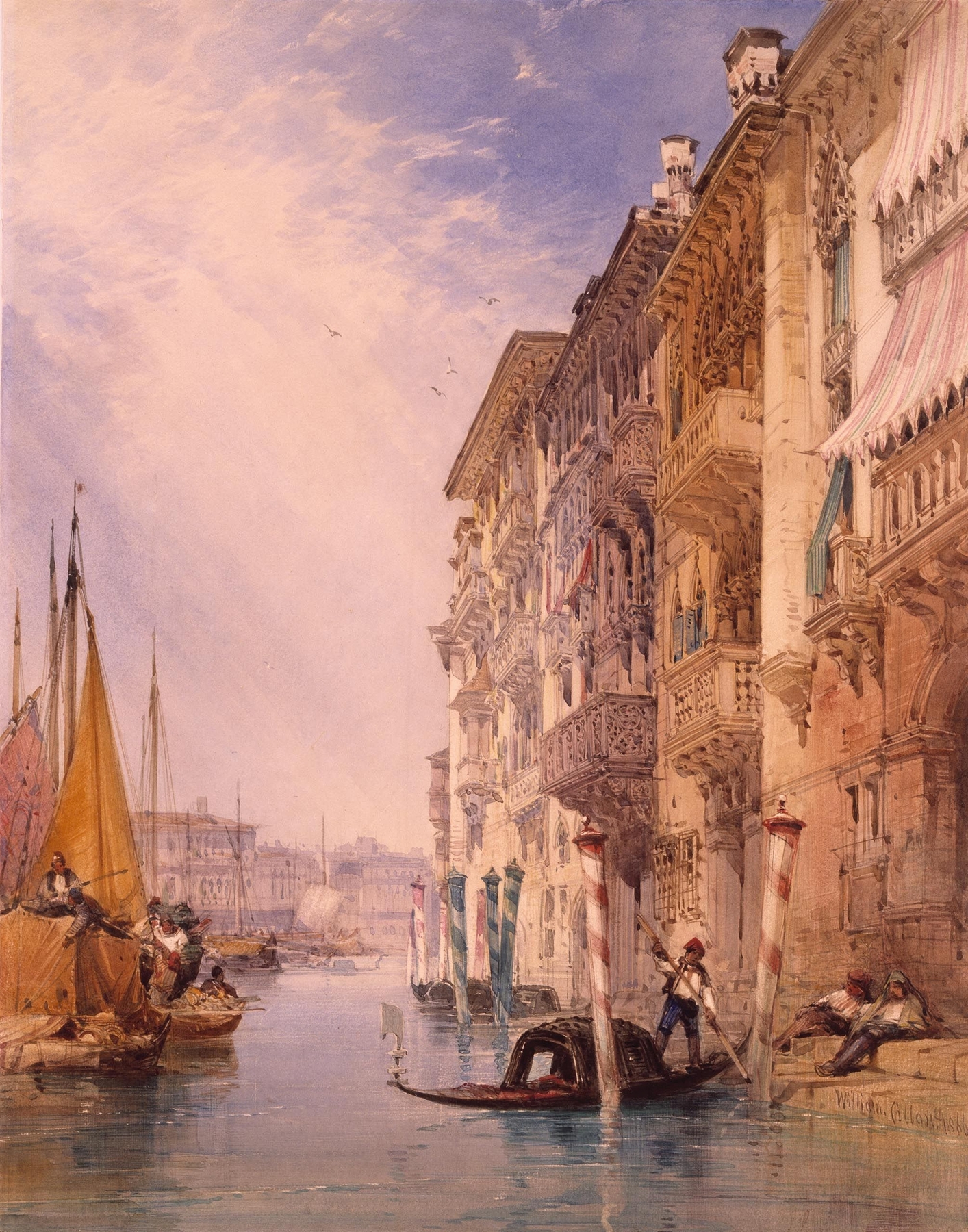
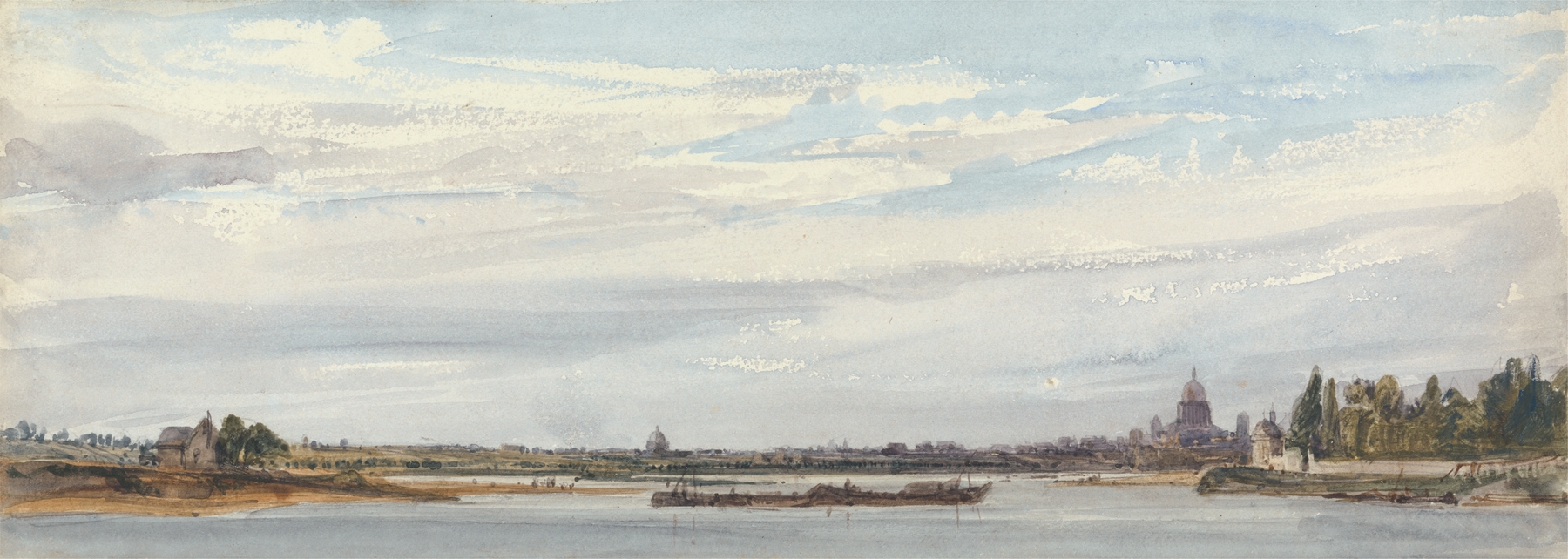
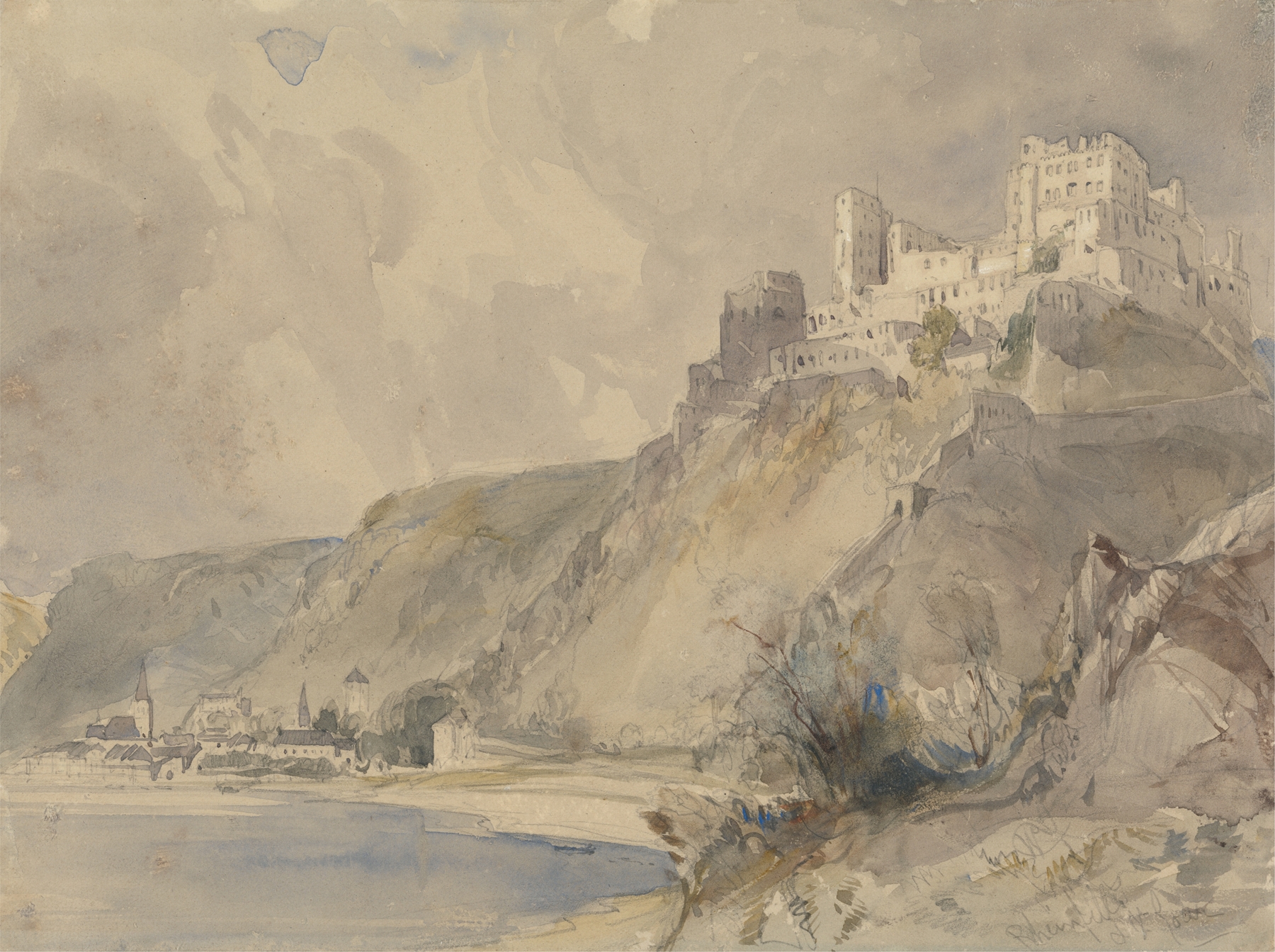
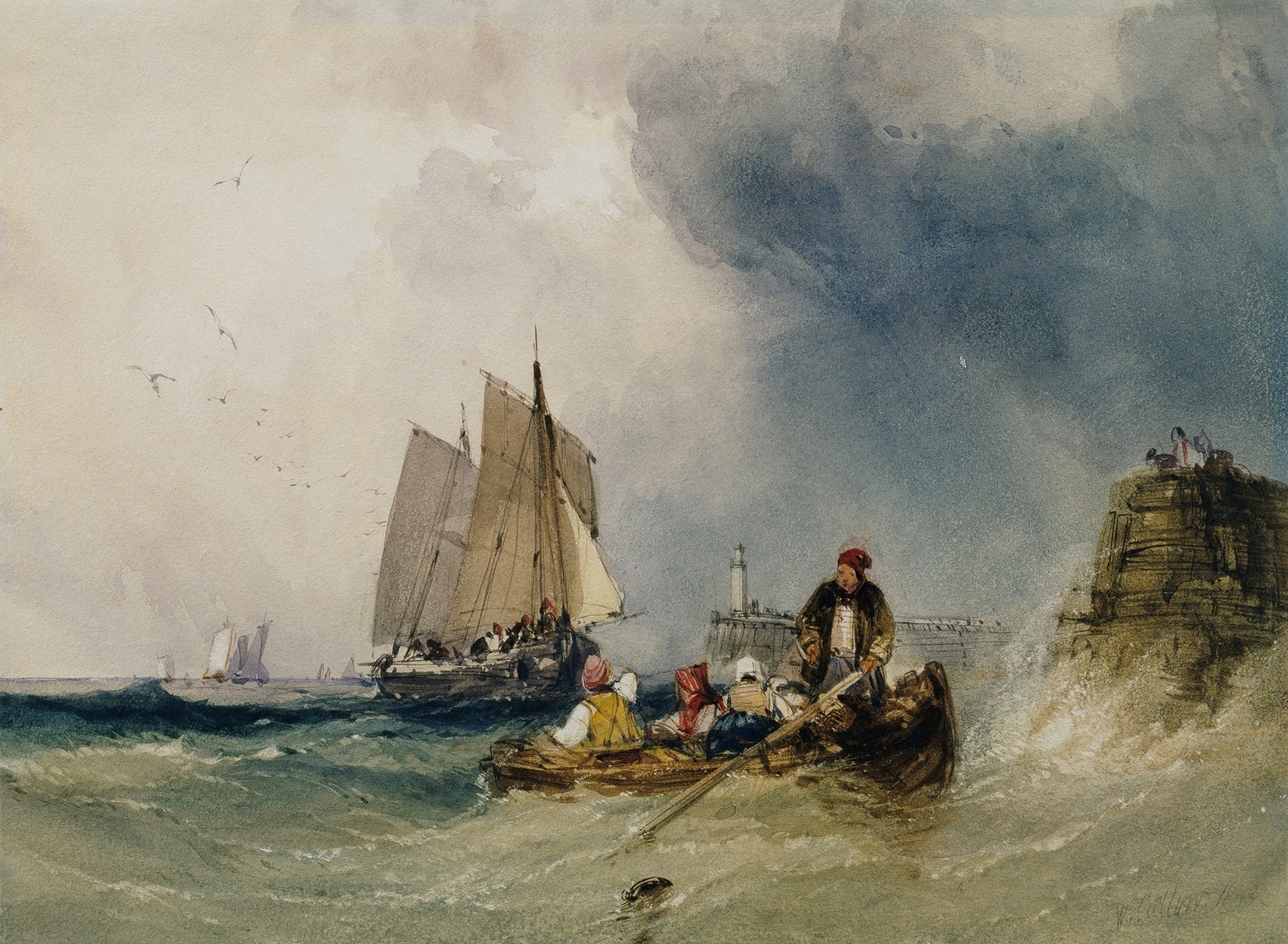
What if beauty was never meant to be finished? This notion resonates profoundly within the serene landscapes that invite contemplation, urging us to embrace imperfection as part of their allure. Look to the left at the gentle curve of the river, where soft ripples dance under the diffused light. The artist employs delicate brushwork to capture the essence of reflection—both in the water and in the viewer's experience.
Notice how the pastel hues blend seamlessly, embodying the tranquility of Evereux, while the lush greens and soft blues evoke a sense of harmony. The composition draws your eye down the river, leading you into a seemingly endless journey through nature's embrace. Each element within the piece speaks to the delicate balance of nature and human life. The small figures near the water's edge represent fleeting moments of connection amidst the vastness of the landscape, illustrating a subtle tension between solitude and togetherness.
Additionally, the interplay of light casts a gentle glow on the scene, suggesting a transient beauty that invites deep reflection, allowing us to ponder our place within this tranquil world. In 1855, William Callow created this work during a period when the art world was embracing the Impressionist movement's focus on nature and light. Living in London, he was surrounded by a growing appreciation for landscape painting, which sought to capture the ephemeral qualities of the outdoor experience. This piece showcases his mastery in conveying a moment that feels both timeless and fleeting, a hallmark of the artistic evolution of his time.