Fall in the country side — History & Analysis
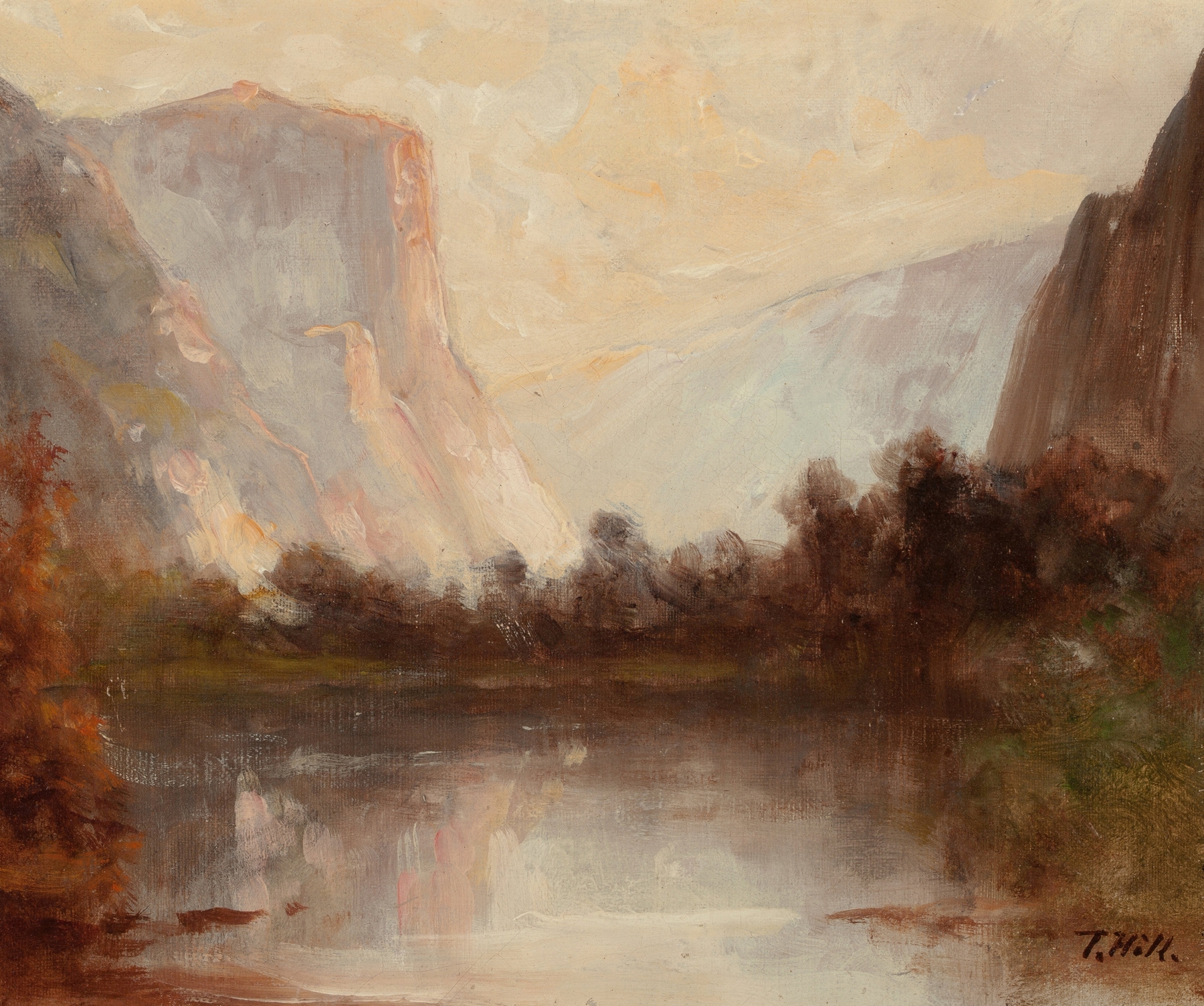
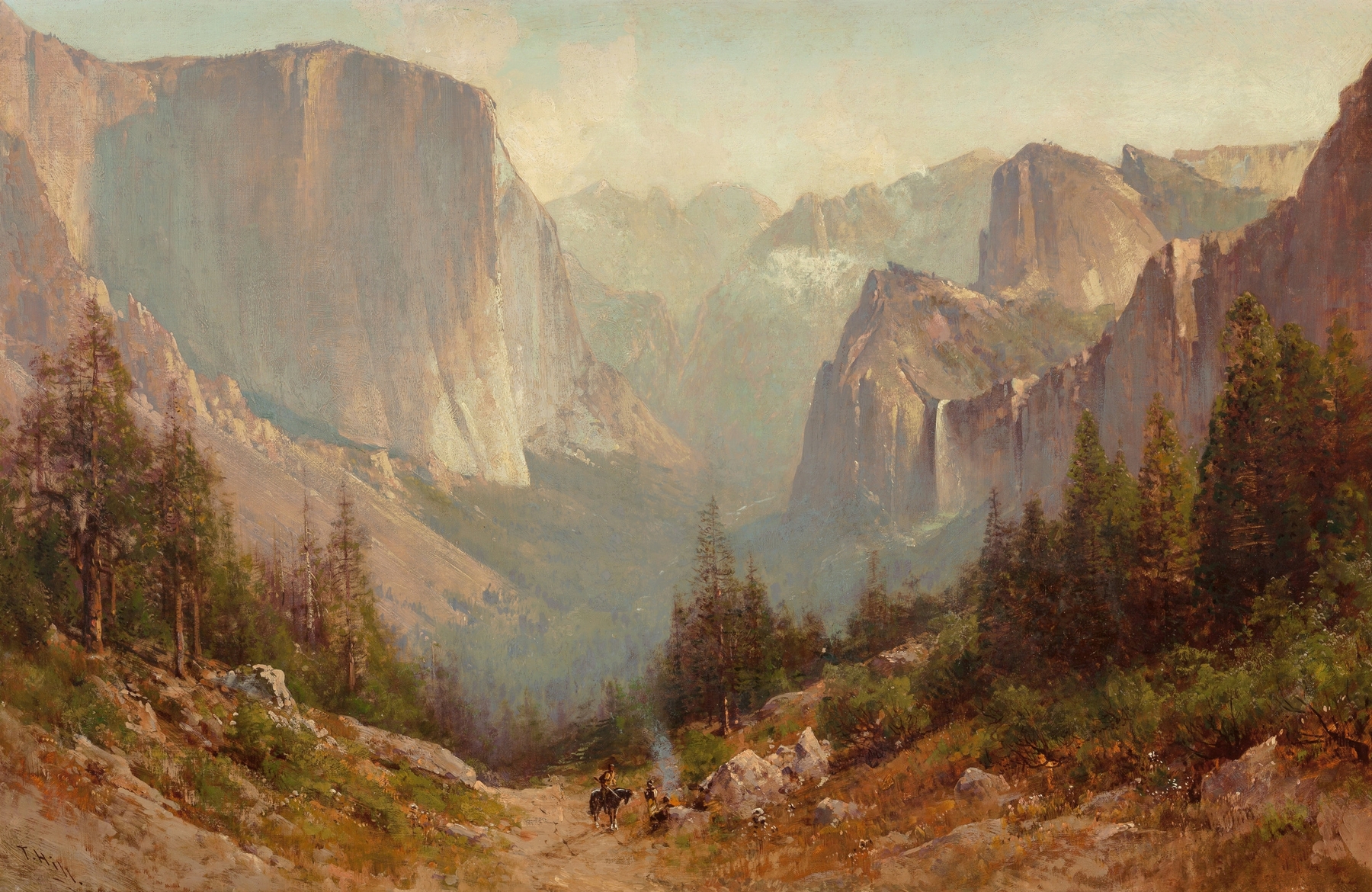
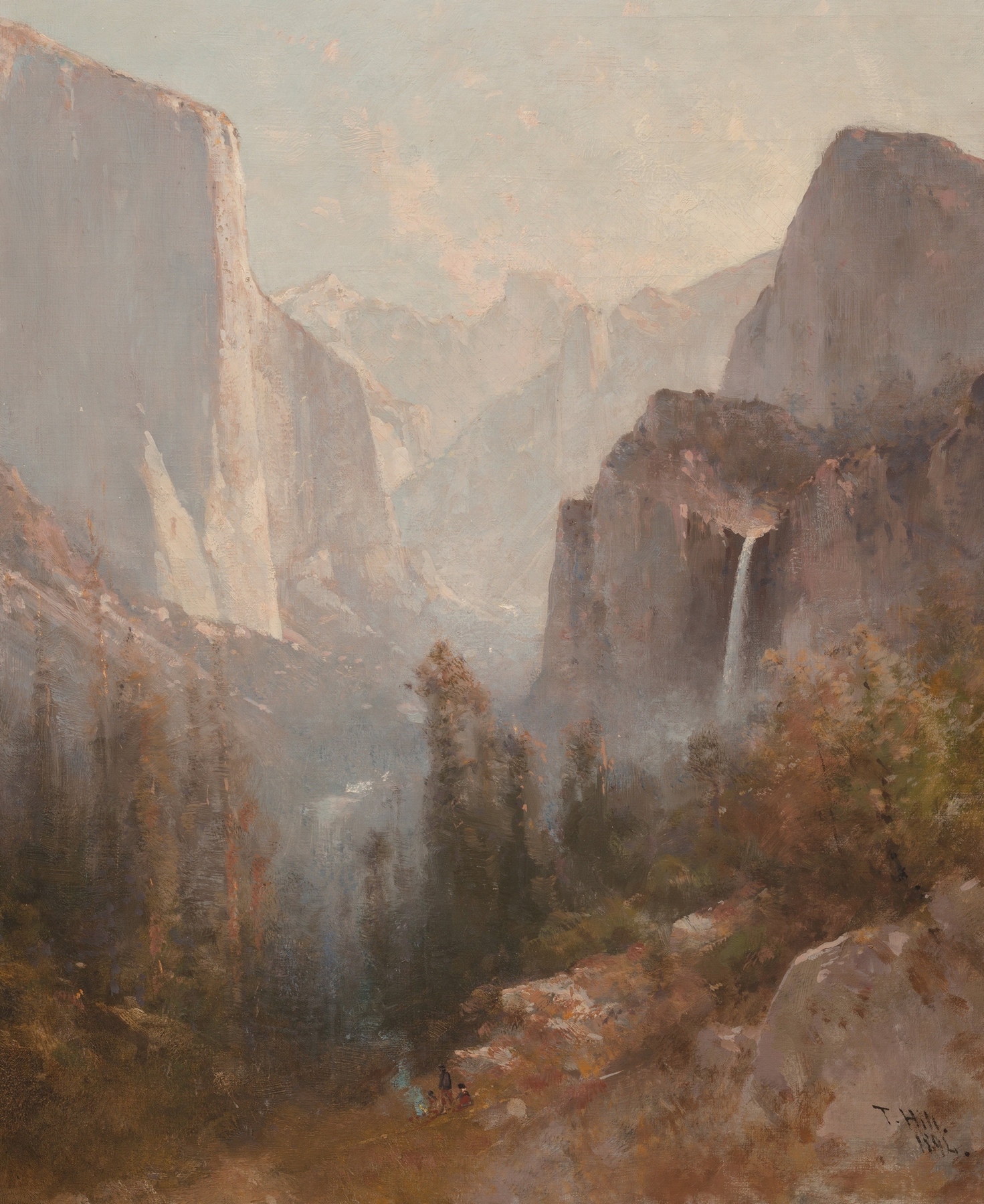
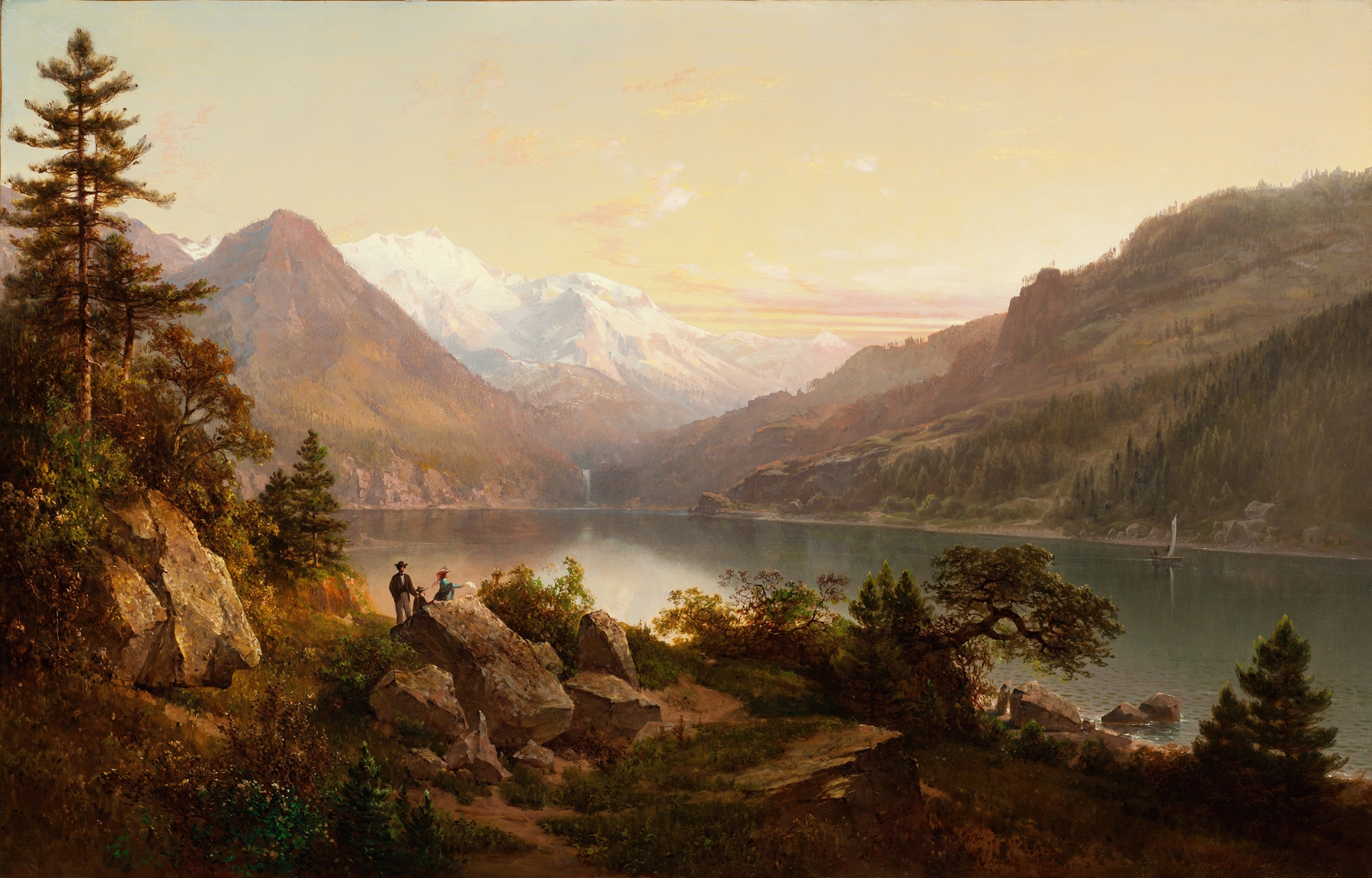
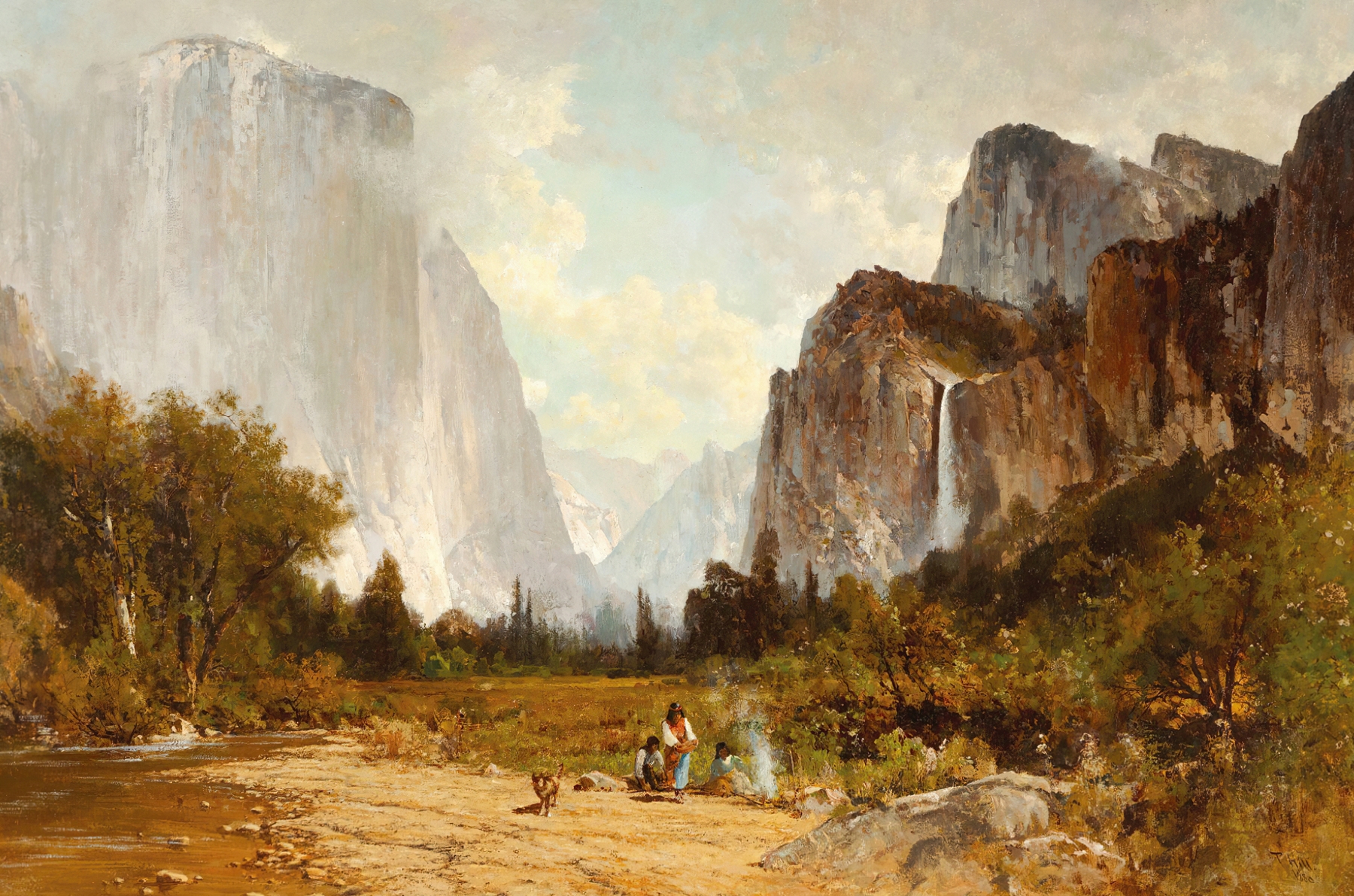
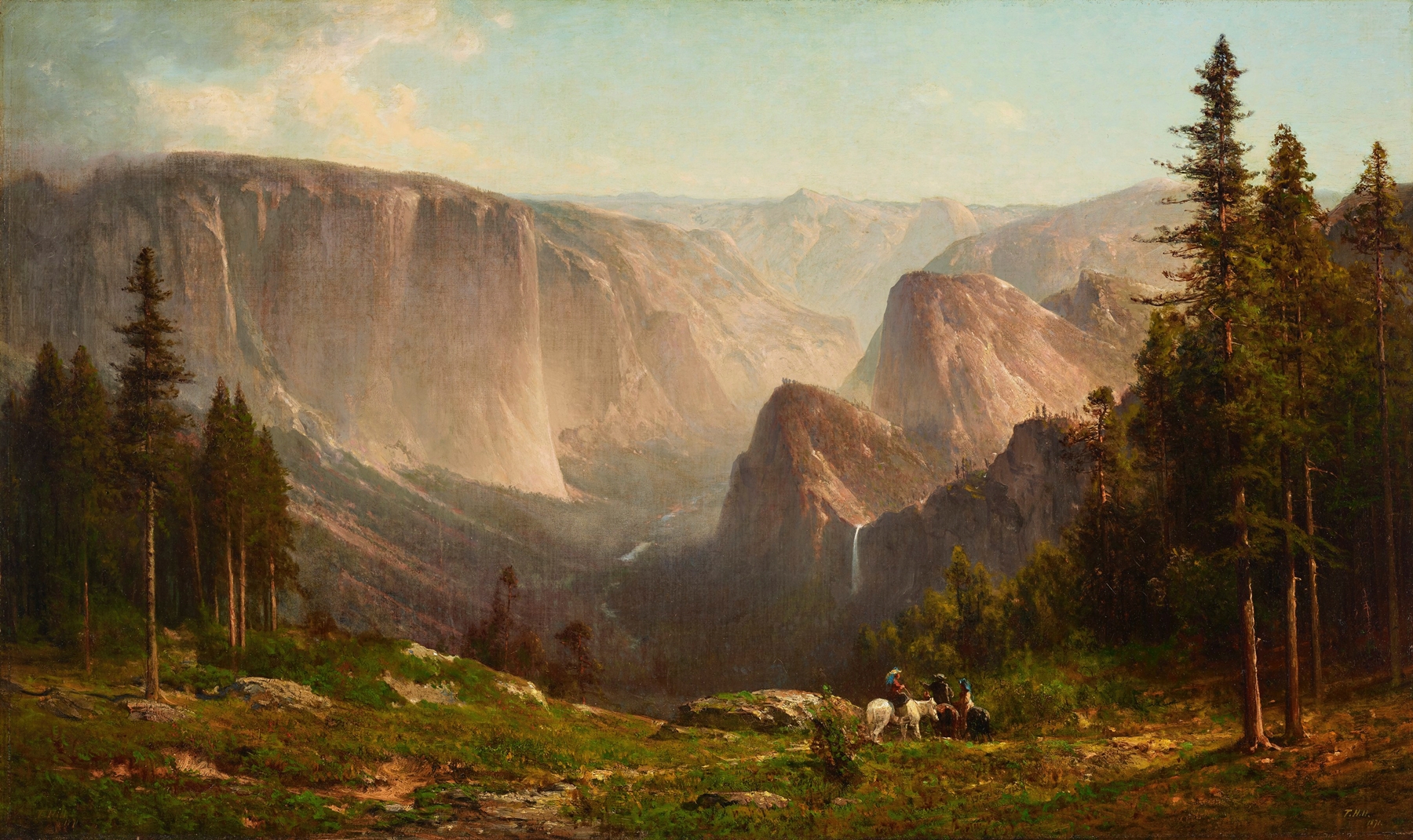
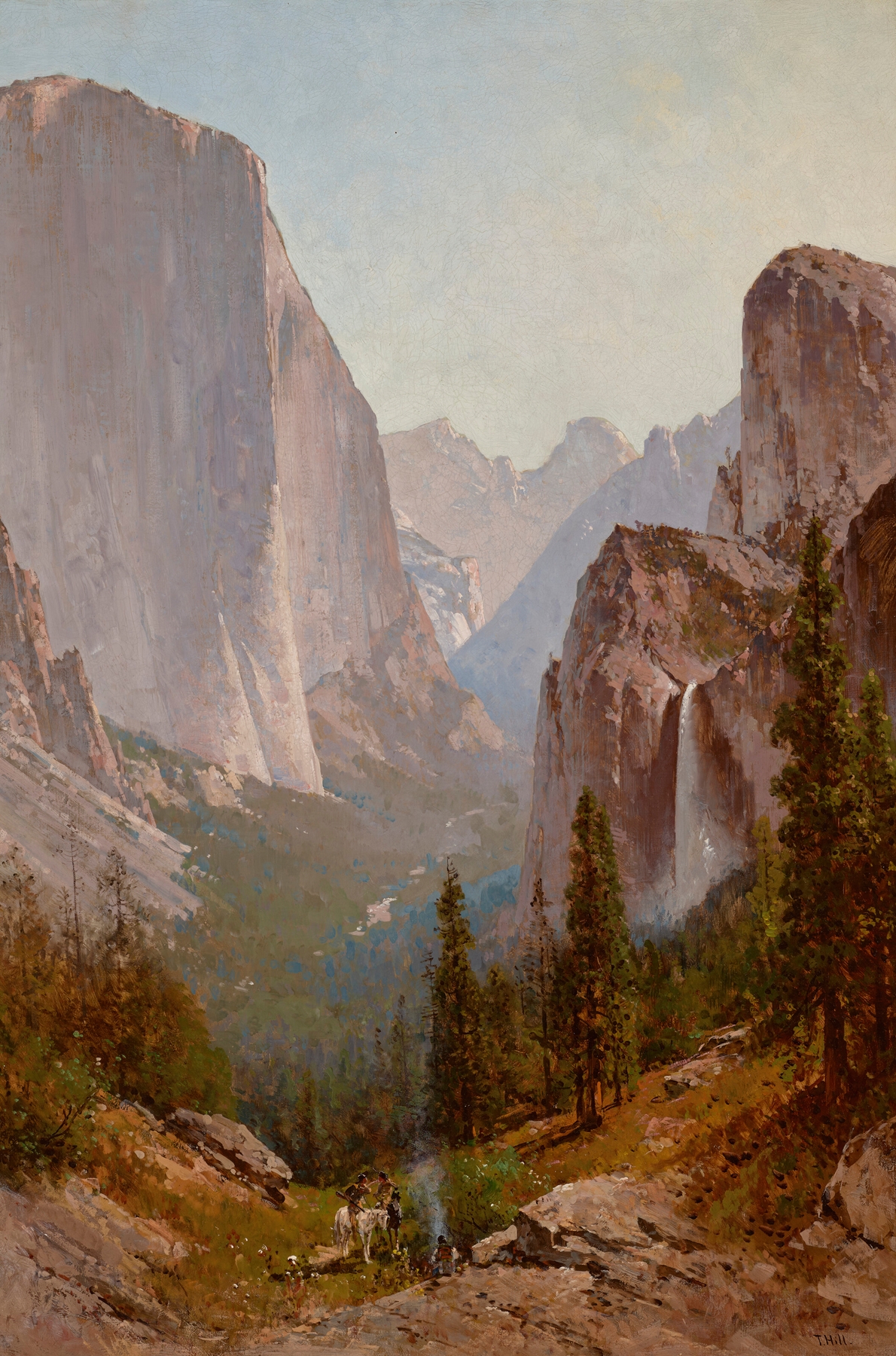
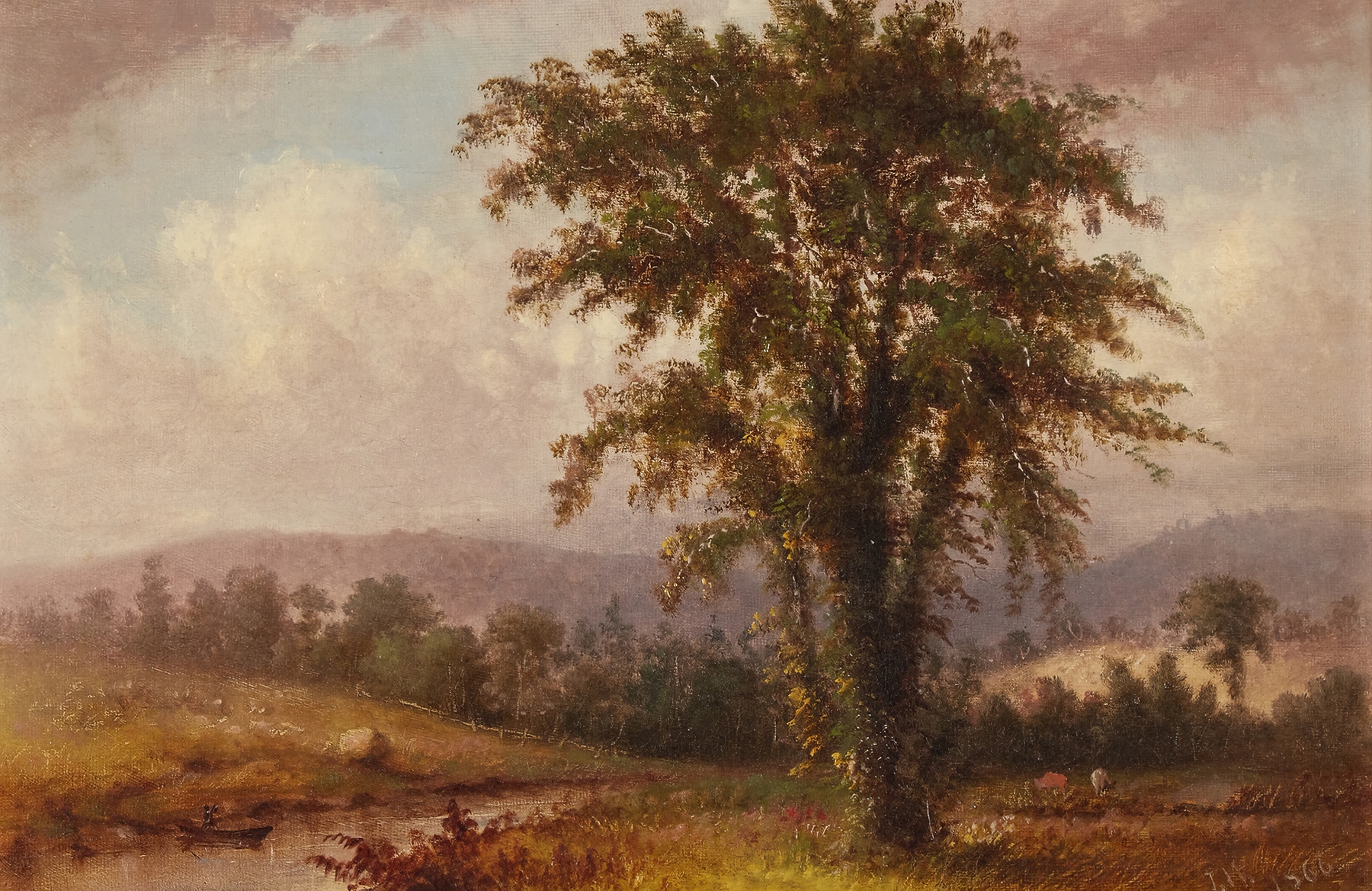
What secret hides in the quiet of the canvas? In the heart of autumn, as leaves surrender their green, a world poised on the brink of transformation unfolds. Look to the foreground, where the rich tapestry of golden and russet foliage blankets the gentle slopes. Notice how the dappled light filters through the branches, creating a dance of shadows that invites you to explore deeper.
The winding path leads the eye into the scene, suggesting a journey both literal and metaphorical, while a cluster of trees, strong yet yielding, offers a sense of shelter amidst the wilderness. Beneath the serene beauty lies a subtle tension: the juxtaposition of decay and renewal. The vibrant colors of the leaves speak of life's fleeting nature, yet also hint at the promise of rebirth as winter gives way to spring. The stillness of the landscape holds a contemplative air, evoking a feeling of nostalgia and hope, as if the earth pauses to reflect on its cycles.
In 1870, Thomas Hill painted this scene during a period of personal and national growth. Living in California, he was part of the burgeoning landscape painting movement, capturing the beauty of nature with an eye for detail and atmosphere. The era was marked by a shift toward Romanticism, where artists sought to express the sublime and the emotional resonance of the natural world, a theme profoundly echoed in this work.