Februarstimmung – Vorfrühling im Wienerwald — History & Analysis
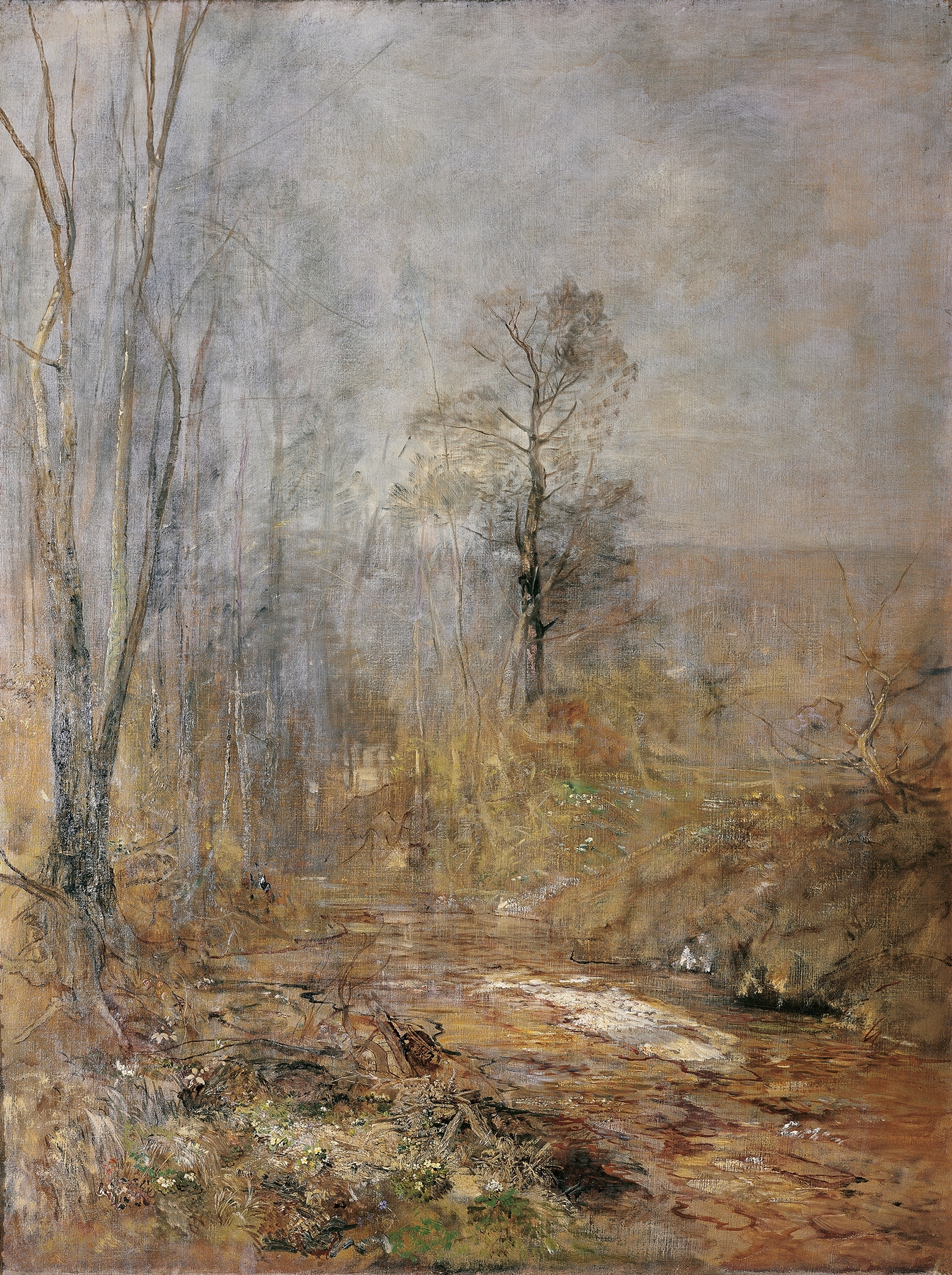
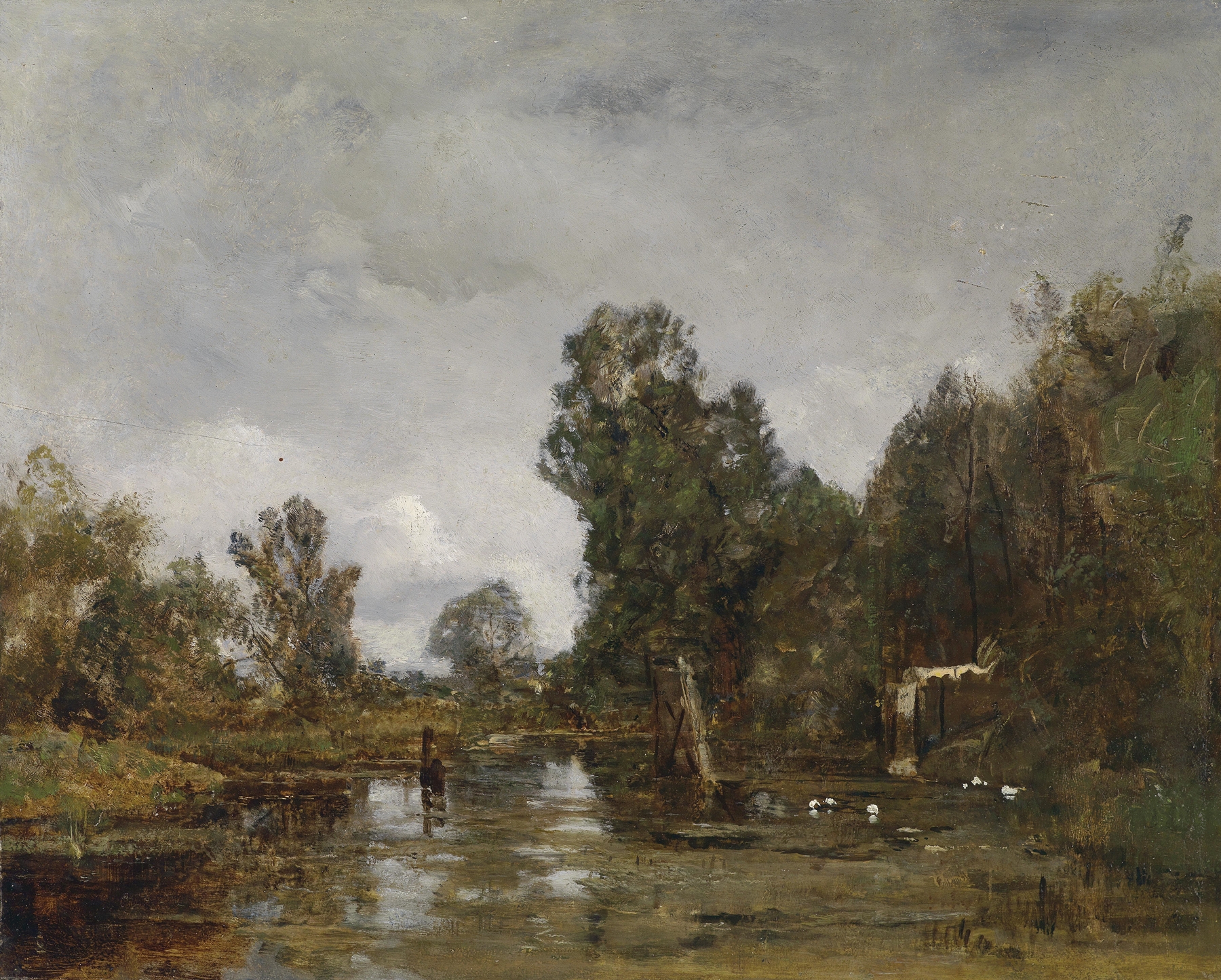
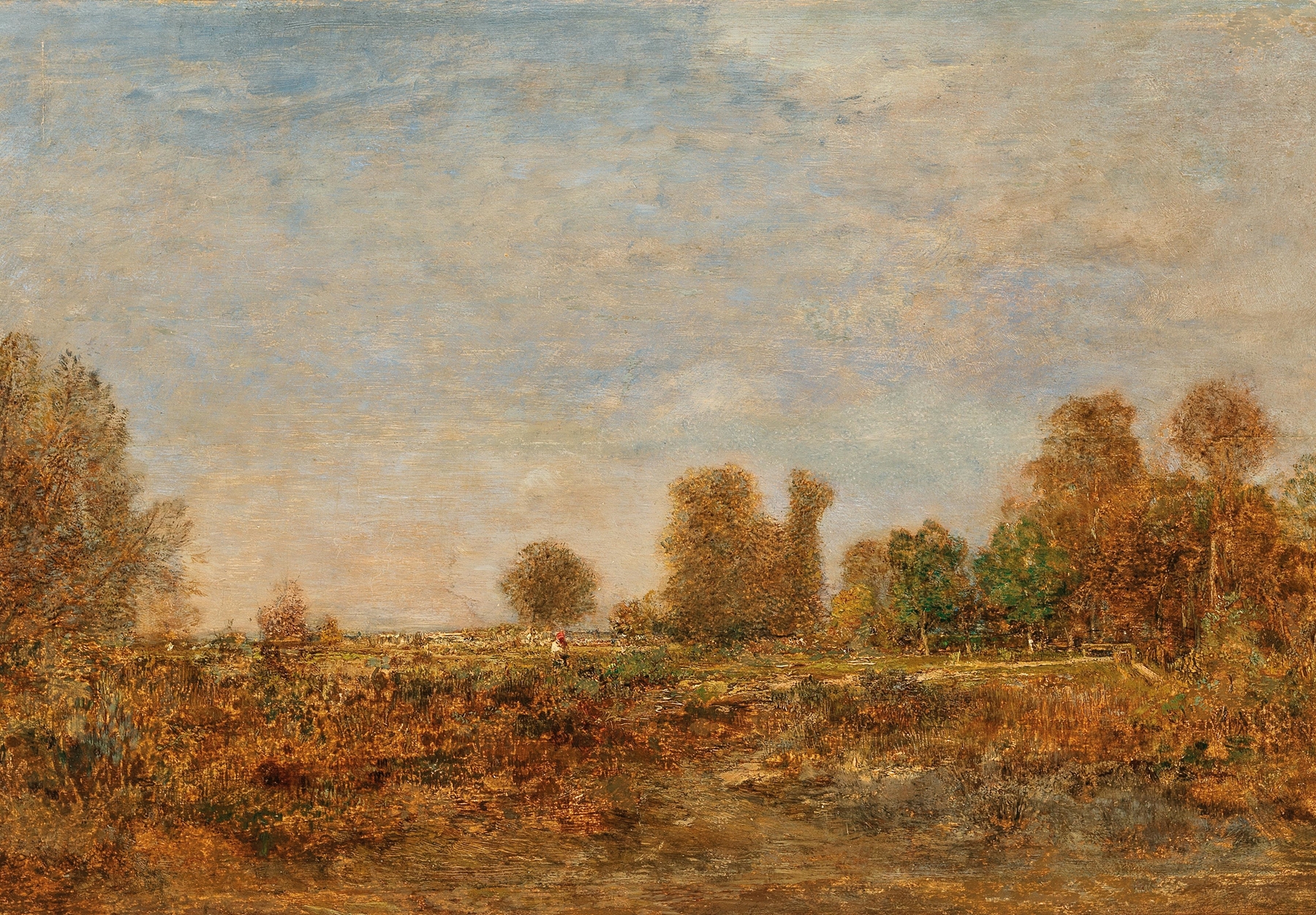
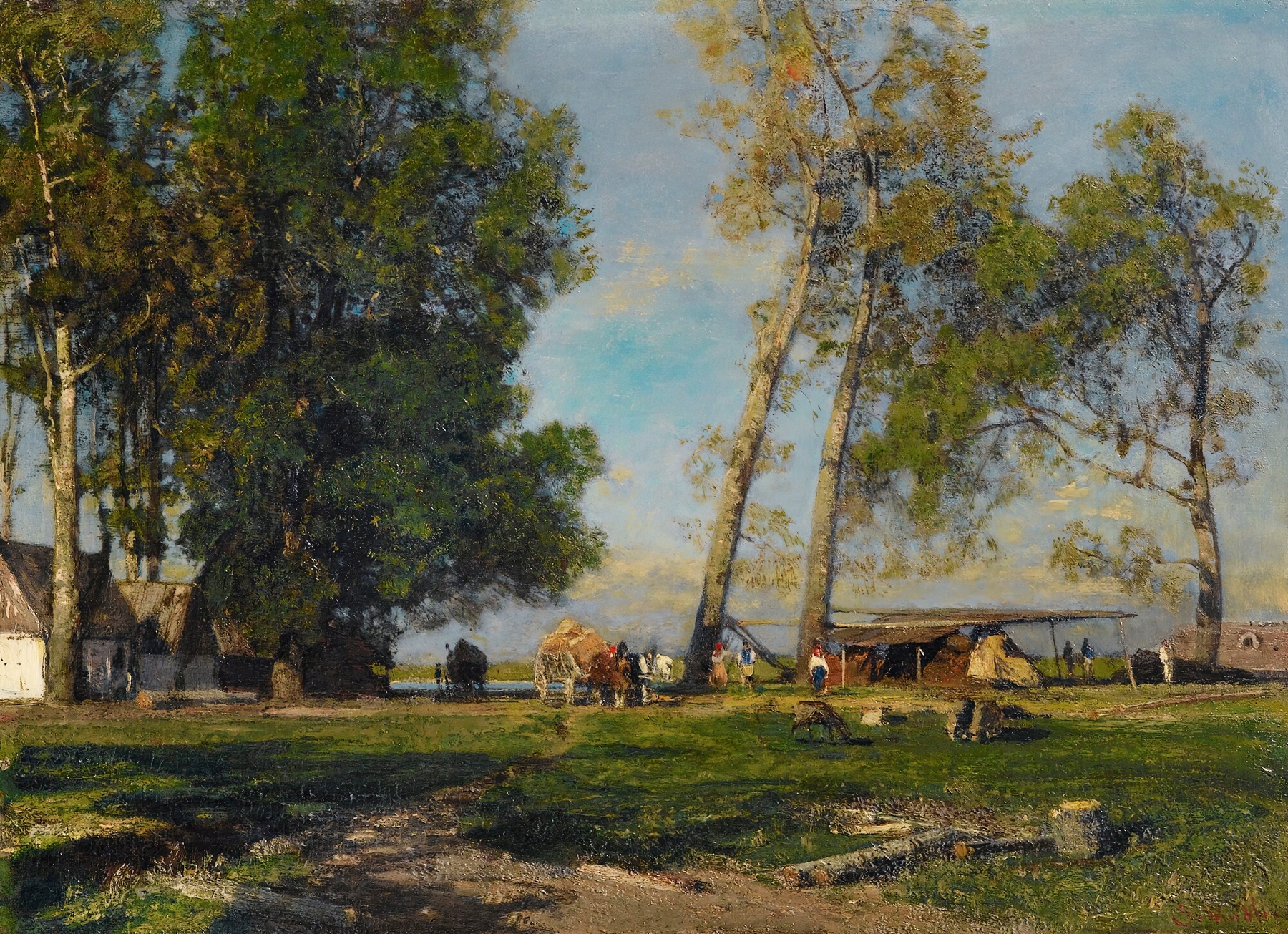
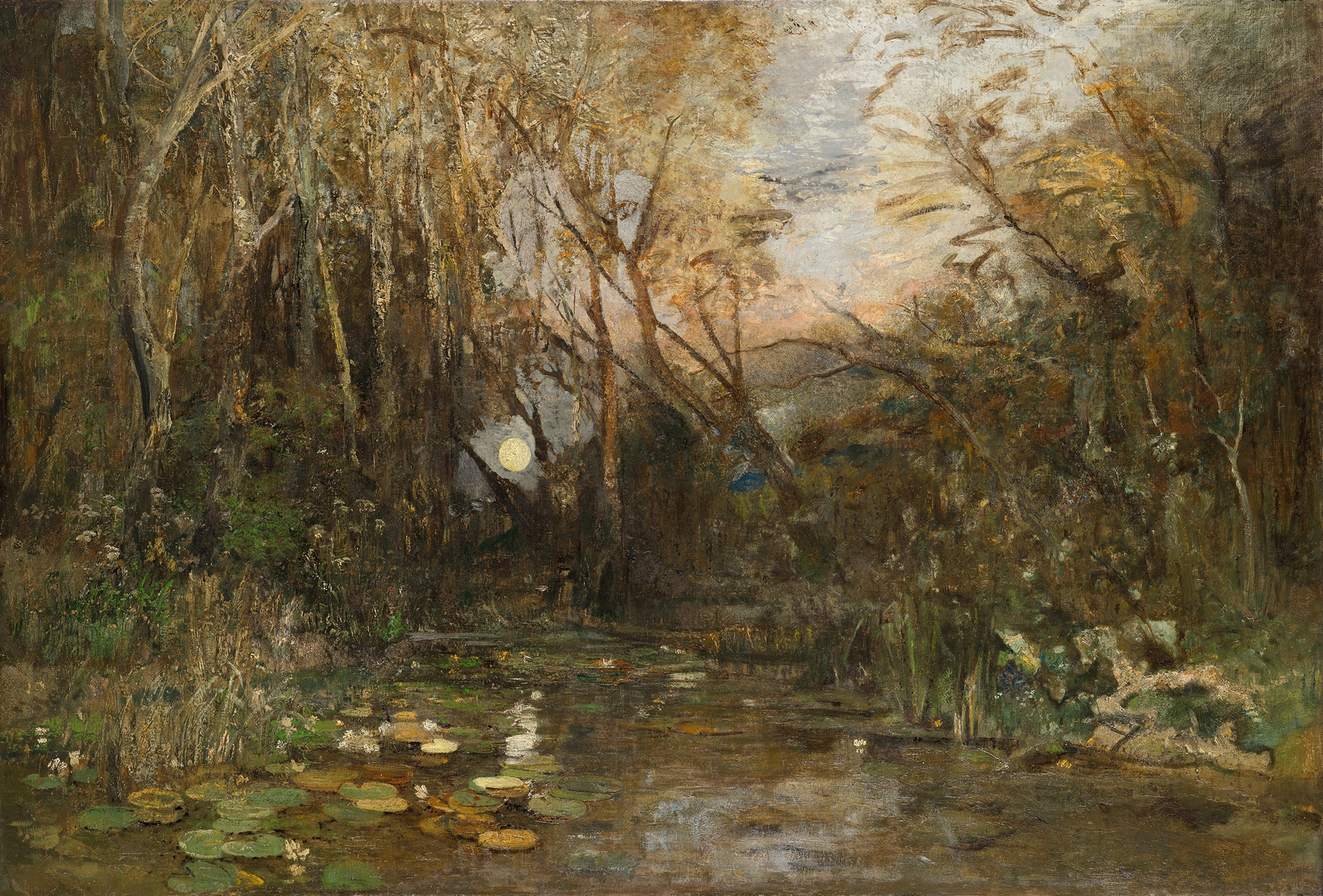
Could a single brushstroke hold eternity? In Februarstimmung – Vorfrühling im Wienerwald, the tension between the quietude of nature and the violence of change is palpable, a reminder that even in serene landscapes, turmoil lingers beneath the surface. Look to the center of the canvas, where soft hues of green and gold bleed into one another, evoking a fragile promise of spring. The gentle strokes create a sense of movement, as if the trees sway with anticipation of the thaw.
Notice how the light filters through the branches, dappling the ground with warmth, while shadowed areas suggest the remnants of winter's grip, a reminder of the struggle that precedes rebirth. The interplay of color and form reveals an emotional complexity; the warm tones herald renewal, yet the underlying darkness hints at a persistent tension. Details like the bare, gnarled branches contrast with budding life, emphasizing the push and pull of nature’s cycles.
This duality invites viewers to ponder the violence inherent in transformation—the clash of seasons, the inevitable march toward change, and the quiet moments of despair that precede it. In 1884, amidst a burgeoning interest in the natural world, the artist painted this work during a period of personal exploration and artistic growth in Vienna. Influenced by contemporary movements, Schindler sought to capture fleeting moments of beauty that resonated with deeper emotional truths, reflecting his own grappling with the contrasts of life and art during this vibrant yet tumultuous era.